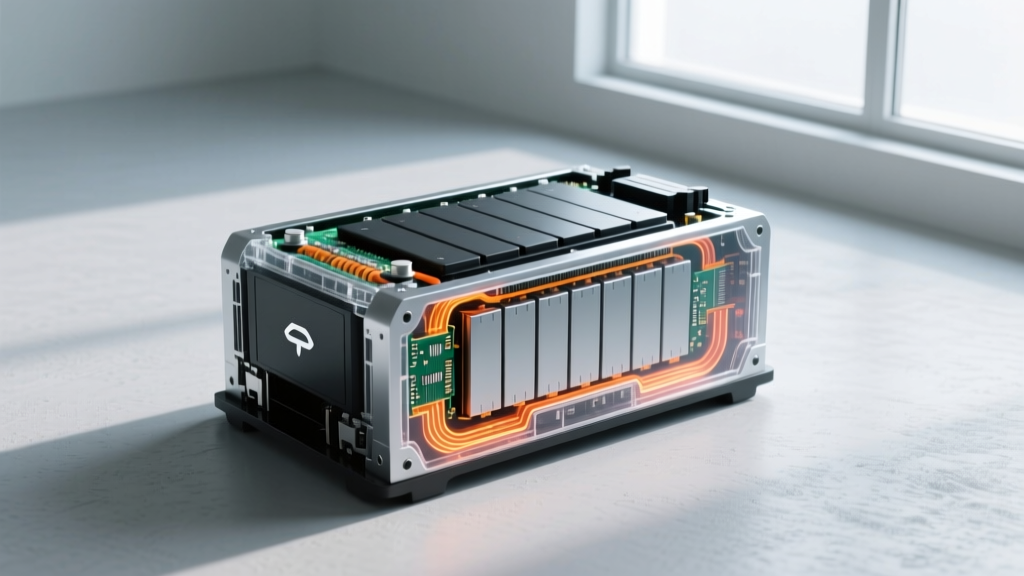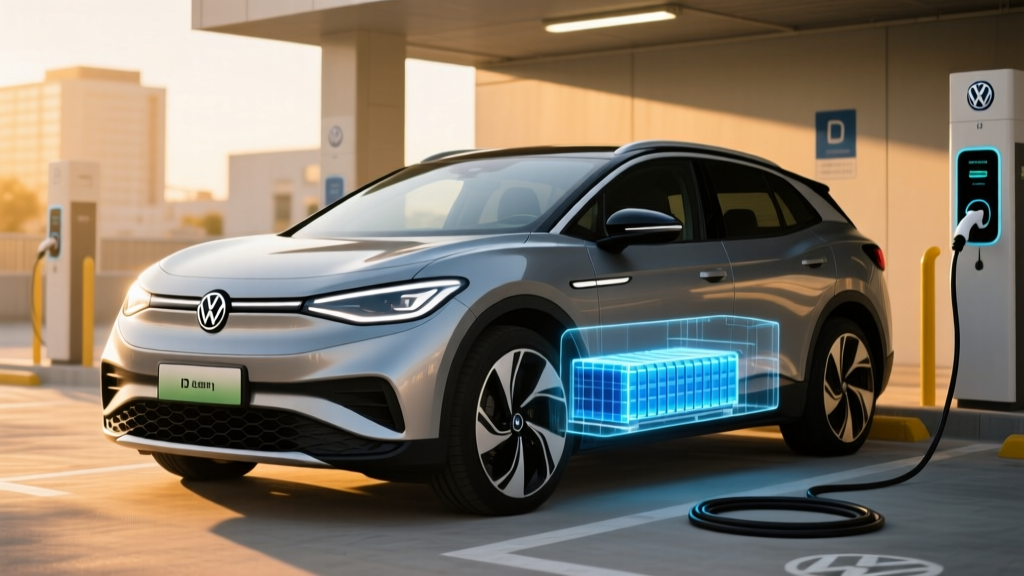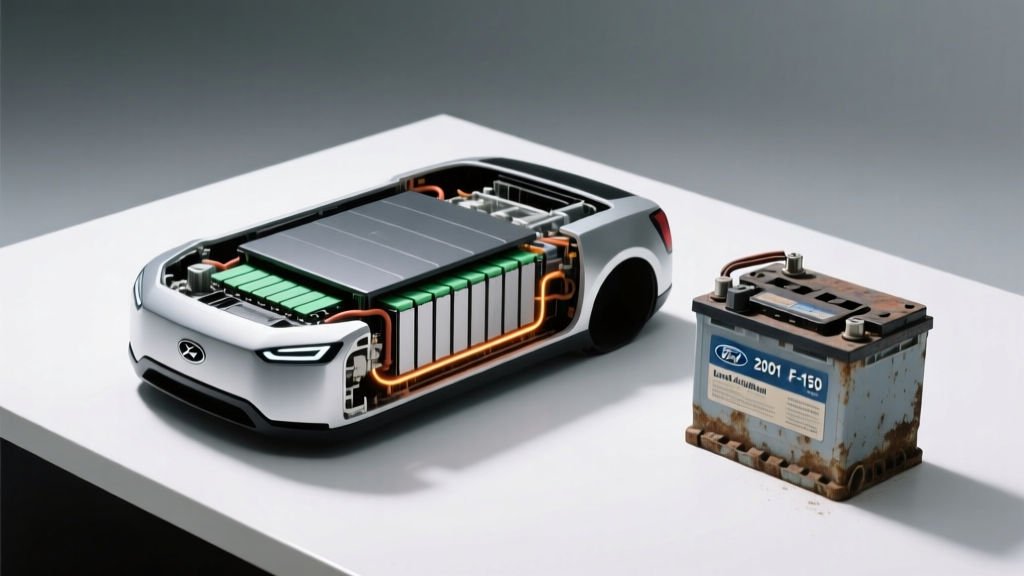
Every EV buyer eventually asks the same question: how long will the battery actually last, and what happens if it doesn't? The answer depends less on marketing promises and more on chemistry, thermal management, and how you treat the pack day to day. With solid battery technology generating headlines as the next leap in energy storage, it's worth separating what's on dealer lots today from what's still years away from mass production.
This guide breaks down the two dominant lithium-ion chemistries in current EVs—LFP (lithium iron phosphate) and NMC/NCA (nickel manganese cobalt / nickel cobalt aluminum)—then examines real-world degradation data, warranty coverage, replacement economics, and the emerging solid-state landscape. All figures reflect 2026 model-year vehicles and current market pricing.
LFP vs. NMC/NCA: The Chemistry Decision That Shapes Your EV
Every battery-electric vehicle sold in the U.S. today uses one of two cathode chemistries. The choice affects range, longevity, charging behavior, cold-weather performance, and ultimately the price you pay. Understanding the trade-offs is the single most important battery decision you'll make as a buyer.
NMC (Nickel Manganese Cobalt) and its close cousin NCA (Nickel Cobalt Aluminum) dominate long-range and performance EVs. Tesla's Model 3 Long Range, Hyundai Ioniq 5, Ford Mustang Mach-E Extended Range, and most vehicles chasing 300+ miles of EPA range use NMC or NCA packs. The advantage is energy density: more kilowatt-hours (kWh) of stored energy per kilogram of battery weight. That translates to either more range in the same physical pack size, or a lighter vehicle for the same range.
LFP (Lithium Iron Phosphate) has become the chemistry of choice for standard-range and cost-optimized models. Tesla's Model 3 Rear-Wheel Drive, Model Y Standard Range, the base Chevrolet Equinox EV, and several BYD models all use LFP. LFP cells sacrifice roughly 15–25% in energy density compared to NMC, but they gain substantially in cycle life, thermal stability, and raw material cost. LFP contains no cobalt or nickel, which insulates it from the supply-chain volatility that has whipsawed NMC pricing.
| Attribute | LFP (Lithium Iron Phosphate) | NMC / NCA |
|---|---|---|
| Energy Density | ~160–180 Wh/kg (cell-level) | ~220–260 Wh/kg (cell-level) |
| Typical Cycle Life | 3,000–5,000+ cycles to 80% SoH | 1,000–2,000 cycles to 80% SoH |
| Cold-Weather Performance | Moderate; ~15–25% range loss at 20°F | Better; ~10–20% range loss at 20°F |
| Recommended Daily SoC | 100% (no upper-limit penalty) | 80% for daily; 100% only for trips |
| Thermal Stability | Excellent; very low thermal runaway risk | Good; requires robust BMS cooling |
| Cost (per kWh, cell-level) | ~$60–80/kWh (2026 estimates) | ~$90–120/kWh (2026 estimates) |
| Common Applications | Standard-range models, fleet vehicles | Long-range, performance, AWD models |
The practical upshot: if you need maximum range and don't mind charging to 80% daily, NMC delivers. If you prioritize longevity, want the simplicity of charging to 100% every night, and can accept a slightly shorter EPA range, LFP is the stronger long-term play. Neither is universally "better"—the right choice depends on your driving pattern.
How Long Do EV Batteries Actually Last?
The short answer: in most cases, longer than you'll own the car. Data from fleet operators, manufacturer reports, and independent testing consistently show that modern liquid-cooled EV battery packs retain 85–95% of their original capacity after 100,000 miles.
Here's what the real-world degradation data looks like across popular platforms:
Observed Degradation Benchmarks (compiled from fleet data and owner reports):
- Tesla Model 3/Y (NMC, 2021–2024): ~5–8% capacity loss at 100,000 miles; ~10–12% at 200,000 miles. Tesla's 2024 Impact Report states average fleet degradation of 12% at 200,000 miles (source: Tesla Impact Report).
- Chevrolet Bolt EV/EUV (NMC, 2017–2023): Early models saw 8–12% loss at 80,000 miles; later models with improved thermal management showed 5–7% at the same mileage.
- Hyundai Ioniq 5 (NMC, 2022–2025): Owner-reported data suggests 3–6% loss at 60,000 miles, aided by aggressive thermal preconditioning.
- Tesla Model 3 RWD (LFP, 2022–2025): Minimal measurable degradation—often 2–4% at 60,000 miles—consistent with LFP's superior cycle life.
- Nissan LEAF (passive air-cooled, 2018–2023): The outlier. Air-cooled packs degrade faster, particularly in hot climates. 10–15% loss at 60,000 miles is not uncommon. A key lesson in why active thermal management matters.
Several factors explain why today's batteries outlast early EVs. Liquid cooling and heating systems maintain the cells within an optimal temperature window (typically 60–95°F / 15–35°C). Battery management systems (BMS) have become far more sophisticated, balancing individual cells and managing charge/discharge rates to minimize stress. And cell chemistry itself has improved—modern NMC811 and NMC9½½ formulations offer better structural stability than the NMC532 and NMC622 cells in 2017–2019 vehicles.
For context, the average U.S. driver covers roughly 13,500 miles per year according to FHWA data. At that rate, reaching 200,000 miles takes about 15 years. Most current EV batteries will still hold 80%+ of their original capacity at that point.
What the Battery Warranty Actually Covers
Federal law mandates that EV battery warranties cover a minimum of 8 years or 100,000 miles (whichever comes first). In California and states that have adopted CARB (California Air Resources Board) emissions standards, that extends to 10 years or 150,000 miles. Most manufacturers meet or exceed these floors.
| Manufacturer / Model | Warranty Period | Mileage Limit | Capacity Retention Threshold |
|---|---|---|---|
| Tesla (Model 3/Y Long Range) | 8 years | 120,000 miles | 70% of original capacity |
| Tesla (Model 3 RWD, LFP) | 8 years | 100,000 miles | 70% of original capacity |
| Hyundai (Ioniq 5/6) | 10 years | 100,000 miles | 70% of original capacity |
| Ford (Mach-E, F-150 Lightning) | 8 years | 100,000 miles | 70% of original capacity |
| Chevrolet (Equinox EV, Blazer EV) | 8 years | 100,000 miles | 70% of original capacity |
| BMW (i4, iX) | 8 years | 100,000 miles | 70% of original capacity |
| Rivian (R1T, R1S) | 8 years | 175,000 miles | 70% of original capacity |
A critical nuance: the warranty triggers only when capacity falls below the stated threshold (typically 70%) within the coverage period. Normal, gradual degradation—say, dropping from 100% to 88% over five years—is not a warranty claim. You'd need to lose more than 30% of capacity to qualify for a replacement or repair under warranty.
Also note that warranties generally cover defects in materials and workmanship, plus abnormal degradation. They typically do not cover damage from accidents, flooding, improper charging equipment, or modifications to the battery system. Read the fine print in your owner's manual for exclusions specific to your vehicle.
EV Battery Replacement Costs: The Numbers Behind the Headlines
Battery replacement is the single most cited fear among prospective EV buyers. The sticker price is real—but the likelihood of needing one within the vehicle's useful life is low, and costs have been declining steadily.
| Vehicle | Battery Capacity | Chemistry | Estimated Replacement Cost |
|---|---|---|---|
| Tesla Model 3 RWD | ~60 kWh | LFP | $10,000–$13,000 |
| Tesla Model Y Long Range | ~82 kWh | NMC | $14,000–$18,000 |
| Hyundai Ioniq 5 | 77.4 kWh | NMC | $14,000–$17,000 |
| Ford Mustang Mach-E ER | 91 kWh | NMC | $18,000–$22,000 |
| Ford F-150 Lightning ER | 131 kWh | NMC | $25,000–$32,000 |
| Chevrolet Equinox EV | ~85 kWh | NMC | $15,000–$19,000 |
| Rivian R1T (Max Pack) | ~149 kWh | NMC | $28,000–$35,000 |
These figures include the battery module assembly and dealer or certified-shop labor. Independent EV specialists can sometimes reduce labor costs by 20–30%. In some cases, individual modules within the pack can be replaced rather than the entire assembly, reducing costs to $2,000–$5,000 per module depending on the vehicle architecture.
When is replacement typically needed? Based on current degradation curves, most owners will never need a full battery replacement during their ownership. The packs that do require replacement tend to be in high-mileage fleet vehicles (200,000+ miles), vehicles with manufacturing defects caught under warranty, or early-generation EVs with passive cooling (like the first-generation Nissan LEAF) that saw accelerated degradation in hot climates.
For perspective, a conventional gasoline vehicle's transmission replacement can run $4,000–$8,000, and an engine rebuild can exceed $7,000. These are expenses gas-car owners accept without the same anxiety, yet they occur at higher rates than EV battery failures.
What Degrades an EV Battery? Five Factors That Matter
Not all miles are created equal when it comes to battery wear. The following factors have the most measurable impact on long-term State of Health (SoH):
- Charging to 100% regularly (NMC/NCA only): Keeping an NMC pack at 100% State of Charge for extended periods accelerates electrolyte decomposition and cathode wear. For daily driving, charge to 80%. LFP packs are the exception—they tolerate and even benefit from regular 100% charges, which help the BMS recalibrate cell balancing.
- Frequent DC fast charging: High-power DC charging (150–350 kW) generates significant heat within the cells. Occasional road-trip fast charging is fine, but making it your daily routine adds thermal stress. Data from Geotab's fleet study shows vehicles that DC fast-charged more than three times per week degraded roughly 2–3% faster over four years than those that primarily used Level 2 charging.
- Extreme temperatures without preconditioning: Charging a cold battery (below 32°F / 0°C) without preconditioning can cause lithium plating on the anode—a permanent form of degradation. Modern EVs with heat pumps and battery preconditioning (Tesla, Hyundai, Ford) mitigate this by warming the pack before charging begins. If your vehicle lacks preconditioning, avoid plugging into a DC fast charger immediately after the car has sat in freezing weather.
- Deep discharges to 0%: Regularly draining the battery to near-zero stresses the cells. Most manufacturers recommend keeping SoC above 10–15% for routine driving. The BMS maintains a hidden buffer (typically 2–5 kWh) below the displayed 0% to protect the cells, but relying on that buffer frequently is not advisable.
- Prolonged storage at extreme SoC: Leaving an EV parked for weeks at 100% or near 0% accelerates calendar degradation. For long-term storage, aim for 40–60% SoC and, if possible, keep the vehicle plugged into a Level 1 or Level 2 charger with a storage-mode setting that maintains that range.
Monitoring Your Battery's State of Health
Most EVs don't display a simple "battery health percentage" the way a smartphone does, but there are several ways to assess your pack's condition:
In-vehicle displays: Some manufacturers, including Tesla (via the service menu in recent software updates) and BMW, provide an SoH estimate within the vehicle's diagnostics screen. This figure compares the pack's current usable capacity to its original rated capacity.
OBD-II diagnostic tools: Devices like the OBDLink MX+ paired with apps such as EV Health or Scan My Tesla can read the battery's reported SoH directly from the BMS. This is the most accurate consumer-accessible method and typically costs $50–$120 for the hardware.
Dealer diagnostics: During routine service visits, dealerships can pull a full battery health report. Some manufacturers, like Hyundai and Ford, include this as part of scheduled maintenance inspections.
Third-party services: Companies like Recurrent Auto offer free battery health reports that compare your vehicle's degradation to a fleet of identical models. You share anonymized charging data, and they provide a personalized SoH estimate with benchmarking against similar vehicles in your climate zone.
A healthy trajectory looks like a gentle curve: 2–4% loss in the first year (as cells stabilize), followed by roughly 1–2% per year thereafter. A sudden drop—say, 5% in a single month—warrants a diagnostic check, as it could indicate a faulty cell module or a BMS calibration issue rather than normal wear.
Solid Battery Technology and What Comes Next
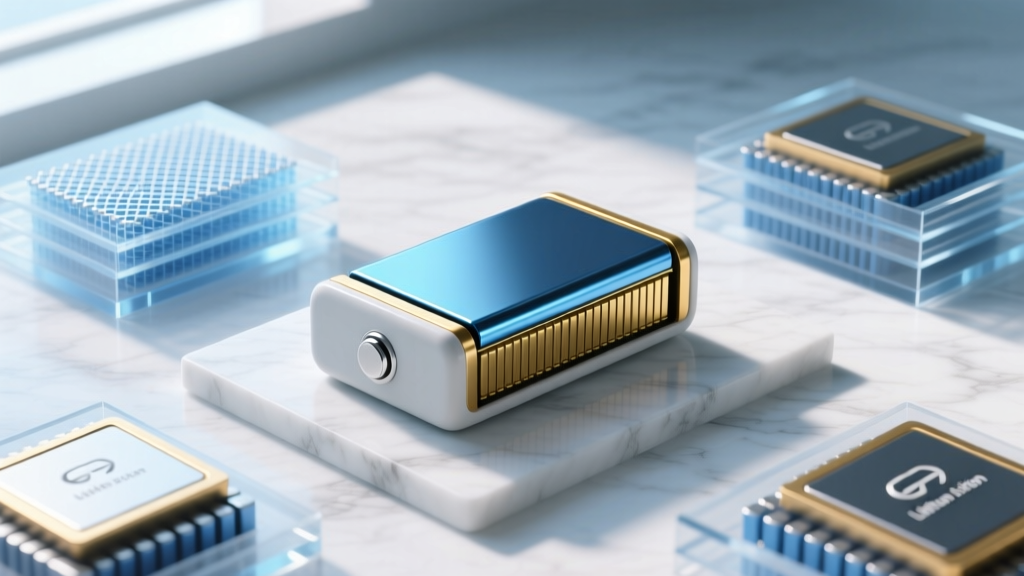
Solid-state batteries represent the most anticipated advancement in EV energy storage. Instead of the liquid or gel electrolyte in current lithium-ion cells, solid-state cells use a solid electrolyte—typically a ceramic, sulfide glass, or polymer compound. The theoretical advantages are substantial:
- Higher energy density: Solid electrolytes enable the use of lithium-metal anodes, potentially pushing cell-level energy density to 350–500 Wh/kg—roughly double today's NMC cells. That could mean 500+ miles of EPA range in a mid-size sedan without increasing pack weight.
- Faster charging: Solid-state cells can theoretically accept higher charge rates without the lithium-plating risk that limits current cells. Toyota has demonstrated prototype charging from 10–80% in under 10 minutes.
- Improved safety: Solid electrolytes are non-flammable, eliminating the thermal runaway risk associated with liquid electrolytes.
- Longer cycle life: Early laboratory data suggests 10,000+ cycles, though this has not yet been validated at production scale.
However, the gap between laboratory prototypes and mass-produced, cost-competitive cells remains significant. As of 2026, here's where the major programs stand:
- Toyota: Has announced solid-state battery production for a limited-run EV expected in 2027–2028, with broader rollout projected for 2030. Initial costs will be premium—likely restricted to luxury-tier models.
- Samsung SDI: Producing solid-state prototype cells for automotive partners, with a stated target of mass production by 2028–2029.
- QuantumScape: Has delivered prototype cells to automotive partners (including Volkswagen's PowerCo) for testing. Production timing remains uncertain; 2028–2030 is the realistic window for any vehicle integration.
- Nissan: Operating a solid-state pilot plant in Yokohama, with a stated goal of a production vehicle by 2028.
Silicon-anode batteries are a nearer-term evolution. Companies like Sila Nanotechnologies and Group14 Technologies are replacing the graphite anode with silicon-dominant composites, boosting energy density by 15–25% without requiring a full solid-state redesign. Mercedes-Benz's upcoming G-Class EV (announced for 2025–2026) uses a silicon-anode pack from Sila. This technology is already shipping and will proliferate faster than solid-state.
The honest timeline: solid-state batteries will begin appearing in limited, premium vehicles around 2028–2030. Cost parity with current NMC cells is unlikely before 2032–2035. For buyers shopping today or in the next few years, LFP and NMC remain the relevant chemistries—and both are mature, reliable, and backed by extensive real-world data.
Frequently Asked Questions
How long do EV batteries last in years and miles?
Most modern liquid-cooled EV batteries retain 80–90% of their original capacity at 150,000–200,000 miles, which translates to 12–15 years of average driving. LFP chemistries tend to last longer in terms of charge cycles. Complete failure before 200,000 miles is rare outside of manufacturing defects (covered by warranty) or physical damage.
How much does it cost to replace an EV battery?
Full pack replacement ranges from approximately $10,000 for a 60 kWh LFP pack (Tesla Model 3 RWD) to $32,000+ for a 131 kWh NMC pack (Ford F-150 Lightning Extended Range). Most owners never need a replacement. Module-level repairs, when available, can cost $2,000–$5,000 per module.
What does the EV battery warranty cover?
Federal minimum is 8 years / 100,000 miles. Most warranties guarantee the battery will retain at least 70% of its original capacity during that period. Coverage includes defects and abnormal degradation but typically excludes accident damage, flooding, and unauthorized modifications. CARB states extend coverage to 10 years / 150,000 miles.
How can I check my EV battery's health?
Use the vehicle's built-in diagnostics (if available), an OBD-II scanner with an EV-compatible app like Scan My Tesla or EV Health, a dealer diagnostic report, or a third-party service like Recurrent Auto. Track your SoH over time rather than relying on a single reading.
Is LFP or NMC better for my EV?
LFP is better if you want maximum cycle life, the convenience of daily 100% charging, and lower cost—at the trade-off of slightly less range per kWh and somewhat reduced cold-weather performance. NMC is better if you prioritize maximum range and faster DC charging speeds, and you're willing to charge to 80% for daily use. Neither is universally superior; match the chemistry to your driving pattern.
Is solid battery technology available in EVs I can buy today?
No. As of 2026, no mass-production vehicle uses a solid-state battery. Toyota, Samsung SDI, QuantumScape, and Nissan all have programs targeting limited production between 2027 and 2030, but cost-competitive, widely available solid-state EVs are realistically a 2030s proposition. Silicon-anode batteries (a related but distinct technology) are already shipping in select premium vehicles.
Does fast charging damage my EV battery?
Occasional DC fast charging has minimal impact. However, relying on DC fast charging as your primary charging method—three or more times per week over several years—can add 2–3% more degradation compared to predominantly Level 2 charging. Modern thermal management systems mitigate much of this, but Level 2 home charging remains the gentlest option for long-term battery health.