Introduction to Seasonal EV Battery Performance
When you first transition to an electric vehicle (EV), one of the most surprising discoveries is how much the outside temperature affects your driving range. Unlike internal combustion engine vehicles, which generate massive amounts of waste heat that can be repurposed to warm the cabin, electric vehicles rely on highly efficient lithium-ion battery packs. While this efficiency is great for your wallet, it means that EV batteries are incredibly sensitive to their environmental conditions.
According to the U.S. Department of Energy, extreme temperatures—both hot and cold—force an EV's thermal management system to work overtime, drawing energy directly from the battery pack. For beginners, understanding these seasonal variations is the key to eliminating range anxiety and preserving the long-term health of your vehicle's most expensive component. This complete guide will break down the science of seasonal battery performance and provide actionable, beginner-friendly optimization tips for every season.
The Science: How Winter Cold Affects EV Range
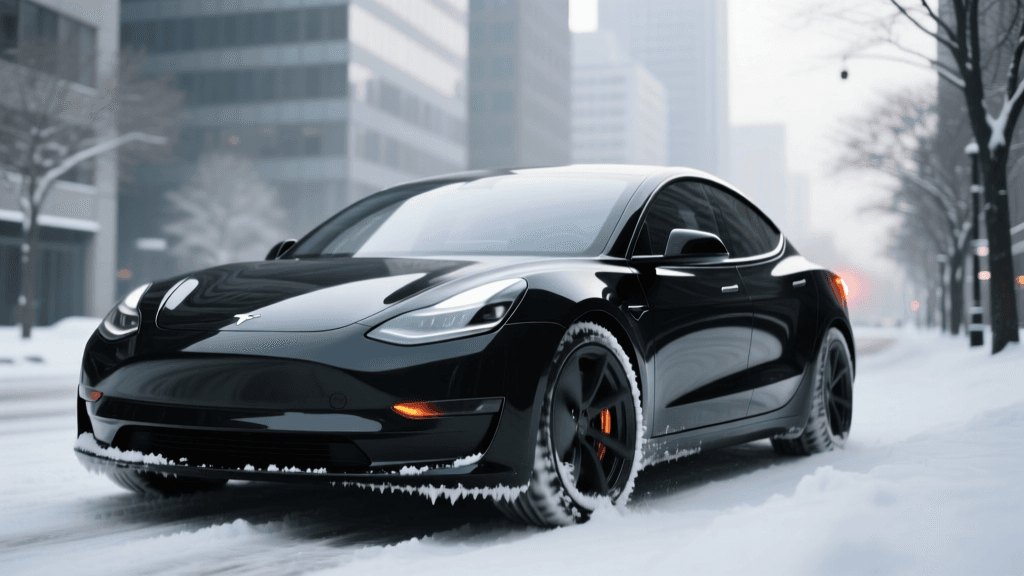
Cold weather is the most notorious enemy of EV range. When temperatures drop below freezing (32°F or 0°C), the chemical reactions inside the lithium-ion battery cells slow down significantly. The liquid electrolyte that allows ions to flow between the cathode and anode becomes more viscous, increasing the battery's internal resistance. This means the battery has to work harder to deliver the same amount of power, resulting in reduced efficiency.
Furthermore, winter driving requires substantial energy for cabin heating. Because EV motors do not produce excess heat like gas engines, the vehicle must use electrical resistance heaters or highly efficient heat pumps to keep the cabin warm. A landmark study by the AAA Automotive Research Center found that when temperatures drop to 20°F (-6°C) and the cabin heater is in use, the average EV range can decrease by up to 41%. Even with a heat pump, which is more efficient than resistance heating, cold weather inherently limits the battery's ability to accept a fast charge and deliver peak power.
The Science: How Summer Heat Impacts Battery Health
While winter temporarily reduces your range, summer heat poses a different threat: long-term battery degradation. Lithium-ion batteries operate best in a Goldilocks zone, typically between 60°F and 80°F (15°C to 26°C). When ambient temperatures soar above 90°F (32°C), the battery's internal temperature can rise to dangerous levels during driving or charging.
To prevent thermal runaway and permanent cell damage, the EV's active liquid cooling system kicks in. This system uses the air conditioning compressor to chill the coolant circulating through the battery pack. Running this cooling system requires a significant amount of energy, which reduces your immediate driving range. More importantly, prolonged exposure to high temperatures accelerates the degradation of the battery's chemistry. Data from Geotab's EV Battery Degradation Study shows that vehicles operating in consistently hot climates experience a slightly faster rate of long-term capacity loss compared to those in temperate climates.
Data Table: Average Range and Performance Impact by Season
| Condition | Temperature Range | Estimated Range Impact | Primary Energy Drain | Charging Speed Impact |
|---|---|---|---|---|
| Mild Spring/Fall | 60°F - 80°F (15°C - 26°C) | Optimal (100% of EPA estimate) | Standard Drivetrain | Peak DC Fast Charging |
| Mild Winter | 32°F - 50°F (0°C - 10°C) | -10% to -15% | Cabin Heating, Battery Warming | Slightly Slower |
| Extreme Winter | Below 20°F (Below -6°C) | -25% to -40% | Heavy Cabin Heating, High Resistance | Significantly Slower |
| Hot Summer | Above 90°F (32°C) | -5% to -15% | Battery Cooling, Cabin A/C | Throttled to Prevent Overheating |
Beginner's Winter Optimization Tips
Driving an EV in the winter requires a slight adjustment to your daily routine, but the payoff is a vastly improved driving experience and preserved range.
1. Master the Art of Preconditioning
Preconditioning is the single most important winter EV habit. This process involves warming up the battery pack and the cabin while the vehicle is still plugged into your home Level 2 charger. By using grid power instead of battery power to heat the car, you start your commute with a warm battery (which restores charging speed and efficiency) and a toasty cabin, leaving 100% of your battery's capacity for actual driving. Most modern EVs allow you to schedule preconditioning via the infotainment screen or the manufacturer's smartphone app. Set it to activate 30 minutes before your typical departure time.
2. Rely on Heated Seats and Steering Wheels
Heating the air in a large cabin takes a massive amount of energy. Heated seats and heated steering wheels, on the other hand, use conductive heating to warm your body directly, drawing only a fraction of the wattage. In mild winter conditions (above freezing), try turning the cabin air temperature down by a few degrees and relying on the seat heaters to stay comfortable.
3. Adjust Your Regenerative Braking Expectations
When a battery is cold, it cannot accept high rates of energy influx. Therefore, your EV will automatically limit regenerative braking in the winter to protect the cells. Do not be alarmed if your car feels like it is 'coasting' more than usual when you lift off the accelerator on a cold morning. As you drive and the battery naturally warms up, full regenerative braking will gradually return.
Beginner's Summer Optimization Tips
Summer driving is generally more range-friendly than winter, but protecting the battery from heat stress is vital for ensuring your EV lasts well past its warranty period.
1. Park in the Shade and Use Cabin Overheat Protection
A car parked in direct sunlight on a 95°F day can reach interior temperatures exceeding 140°F. This forces the battery cooling system to work incredibly hard the moment you start driving. Whenever possible, park in a garage or shaded area. Many EVs, such as those from Tesla and Hyundai, offer a 'cabin overheat protection' feature that uses solar power or minimal battery power to run the ventilation fans, keeping the interior and battery pack from reaching extreme temperatures while parked.
2. Be Strategic with DC Fast Charging
DC Fast Charging generates a tremendous amount of heat within the battery cells. Doing this in the middle of a hot summer afternoon forces the car's thermal management system to fight the ambient heat and the charging heat simultaneously. If you are on a summer road trip, try to schedule your fast-charging stops for the early morning or evening when temperatures are cooler. This allows the car to accept a higher charging curve without throttling the speed to protect the battery.
3. Avoid Charging to 100% in High Heat
Lithium-ion batteries are under the most chemical stress when they are at a 100% state of charge. Combining a 100% charge with high ambient heat is a recipe for accelerated long-term degradation. During the summer, set your daily charge limit to 80%. Only charge to 100% immediately before departing on a long road trip, and try to avoid letting the car sit in a hot driveway at 100% for extended periods.
Year-Round Battery Health Best Practices
Regardless of the season, following a few golden rules will help you minimize total lifecycle costs and delay the need for an expensive battery replacement.
- The 20-80% Rule: For daily driving, keep your battery's state of charge between 20% and 80%. This keeps the lithium ions in a stable state, minimizing stress on the anode and cathode.
- Use Level 2 for Daily Charging: While DC Fast Charging is great for road trips, relying on it daily generates excessive heat and degrades the battery faster. A home Level 2 charger (240V) provides a slower, cooler, and healthier charge for the cells.
- Monitor Tire Pressure: While not strictly a battery issue, tire pressure drops in the winter and rises in the summer. Under-inflated tires increase rolling resistance, forcing the battery to work harder and reducing your range. Check your tires monthly.
- Utilize Eco-Mode: Most EVs feature an Eco or Chill driving mode. This softens the throttle response and limits the power draw of the climate control system, which is highly effective at squeezing out extra miles during extreme temperature days.
Conclusion
Seasonal variations are a normal part of the EV ownership experience. While you cannot change the weather, you can entirely control how your vehicle prepares for it. By mastering winter preconditioning, utilizing seat heaters, parking in the shade during the summer, and respecting the 20-80% charging rule, you will maximize your daily range and protect your battery's long-term health. As battery chemistry and thermal management systems continue to evolve with each new model year, these seasonal impacts will only decrease, but the habits you build today will ensure your EV remains efficient and reliable for hundreds of thousands of miles.