Why "Salt and Air Battery" Searches Are Surging — And What It Actually Means
If you've seen headlines about a "salt and air battery" powering the future of electric vehicles, you're not alone. Search interest in salt-and-air (sodium-air and metal-air) battery concepts has grown steadily as consumers look for alternatives to lithium-ion. The reality check: as of 2026, no production EV uses a salt-and-air or metal-air traction battery. Every EV you can buy today runs on some variant of lithium-ion chemistry — either NMC (nickel manganese cobalt), NCA (nickel cobalt aluminum), or LFP (lithium iron phosphate).
That doesn't mean the conversation is irrelevant. Understanding what experimental chemistries promise — and what current lithium-ion batteries actually deliver in longevity, cost, and warranty coverage — is essential for any EV buyer or owner weighing a purchase in 2026. This guide covers the batteries that actually power today's EVs, how long they last, what replacement costs, and where next-generation technologies realistically stand.
Current EV Battery Chemistries: LFP vs. NMC vs. NCA
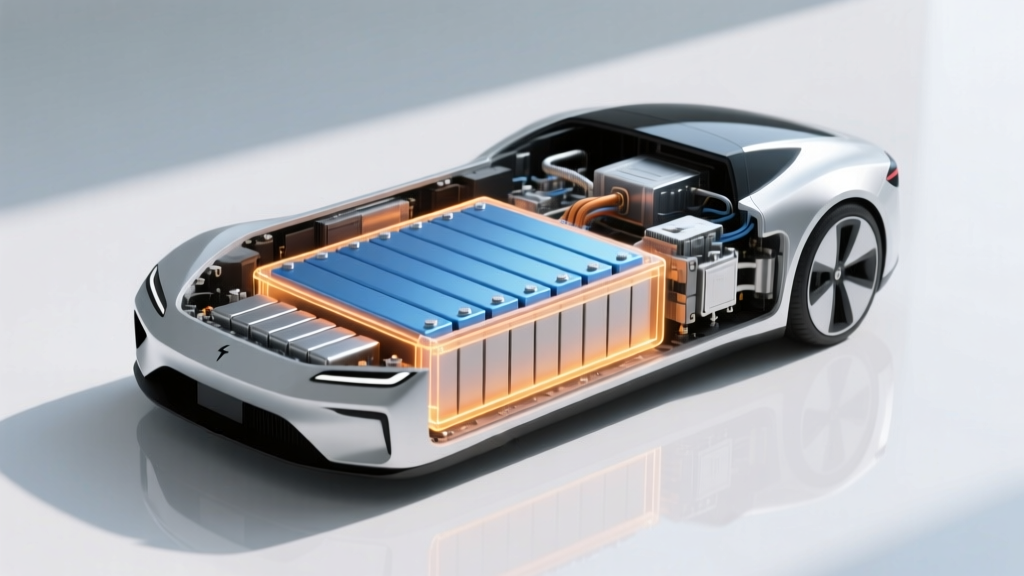
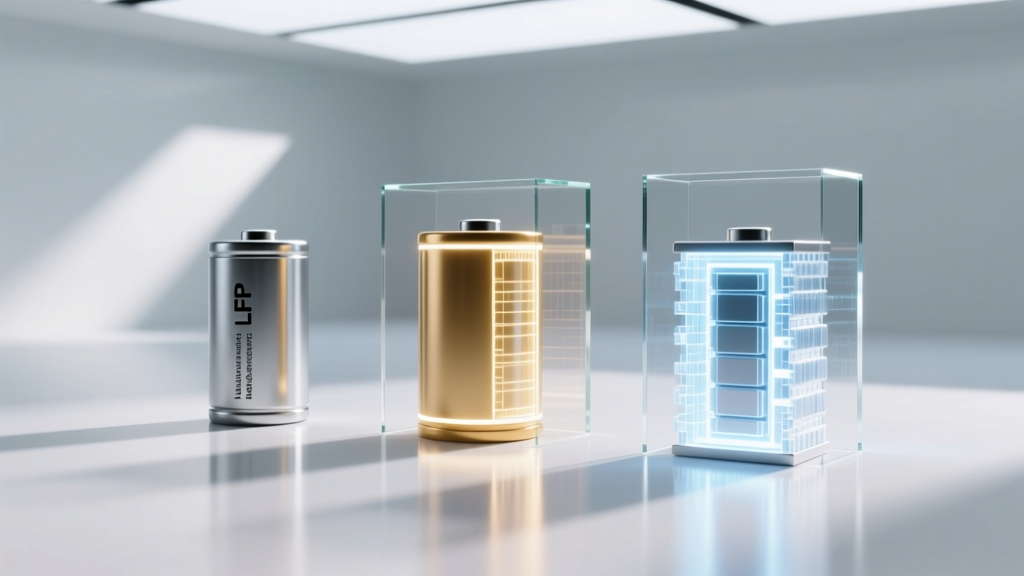
The lithium-ion batteries in production EVs fall into two broad camps: iron-phosphate (LFP) and nickel-based (NMC/NCA). Each has distinct engineering trade-offs that affect range, charging behavior, lifespan, and price.
| Attribute | LFP (Lithium Iron Phosphate) | NMC / NCA (Nickel-Based) |
|---|---|---|
| Energy Density | ~160–180 Wh/kg (lower) | ~220–300 Wh/kg (higher) |
| Typical Cycle Life | 3,000–5,000+ cycles | 1,000–2,000 cycles |
| Cold-Weather Performance | More range loss below 32°F; slower DC charging in cold | Better low-temp conductivity; preconditioning helps |
| Thermal Stability | Excellent — less prone to thermal runaway | Good with active thermal management |
| Cost per kWh | ~$80–100/kWh (2026 pack-level) | ~$110–140/kWh (2026 pack-level) |
| Recommended SoC Range | Can charge to 100% daily; periodic full charge recommended for BMS calibration | Best kept 20–80% daily; 100% for trips only |
| Common 2026 Applications | Tesla Model 3/Y RWD, Ford Mustang Mach-E Select, BYD models | Hyundai Ioniq 5/6, Tesla Long Range/Performance, Rivian R1T/R1S, BMW iX |
The bottom line: LFP wins on cycle life and cost — making it ideal for standard-range, high-mileage use. NMC/NCA wins on energy density, which translates to more range in a lighter, more compact pack — critical for long-range and performance trims. Neither chemistry is universally "better"; the right choice depends on your driving pattern, climate, and budget.
How Long Do EV Batteries Actually Last?
The short answer: most EV traction batteries outlast the useful life of the vehicle itself. But "outlast" doesn't mean "zero degradation." Here's what the data shows.
Real-World Degradation Data Points:
- Tesla Impact Report (2024–2025 data): Model 3/Y battery packs show approximately 12–15% capacity loss at 200,000 miles, with the steepest drop in the first 30,000 miles (~5%) before the curve flattens.
- Geotab fleet study (2025 update): Across 10,000+ EVs monitored, average annual degradation was 1.8% per year, meaning a typical EV retains ~82% capacity after 10 years of average use (~12,000 miles/year).
- Recurrent Auto data (2025): Chevrolet Bolt EV/EUV packs (NMC, LG cells) showed ~6–8% degradation at 100,000 miles, with most packs still above 90% SoH at 80,000 miles.
- LFP-specific: Tesla Model 3 RWD (LFP) fleets have shown less than 10% degradation at 150,000 miles, consistent with LFP's higher cycle-life rating.
So how long do they last in years and miles? Based on current data, a well-maintained EV battery will deliver 15–20 years or 200,000–300,000 miles before reaching 70% of original capacity — the threshold at which most warranties define end-of-life and at which noticeable range reduction impacts daily usability. For most owners, the car will be retired or traded long before the battery needs replacement.
What Does the Battery Warranty Actually Cover?
Federal law mandates that EV battery warranties cover a minimum of 8 years / 100,000 miles (10 years / 150,000 miles in California and states adopting CARB standards). Here's how major manufacturers structure their coverage in 2026:
| Manufacturer | Warranty Term | Capacity Retention Threshold | Notes |
|---|---|---|---|
| Tesla (Model 3/Y LFP) | 8 yr / 120,000 mi | 70% | Long Range/Performance: 8 yr / 120,000 mi |
| Hyundai / Kia (E-GMP) | 10 yr / 100,000 mi | 70% | Among the longest coverage in the U.S. market |
| Ford (Mach-E, F-150 Lightning) | 8 yr / 100,000 mi | 70% | Covers battery components and capacity |
| GM (Ultium platform) | 8 yr / 100,000 mi | 70% | Covers module-level replacement where applicable |
| Rivian (R1T / R1S) | 8 yr / 175,000 mi | 70% | Higher mileage threshold reflects adventure-use positioning |
| BMW (iX / i4) | 8 yr / 100,000 mi | 70% | Modular pack allows individual module replacement |
Key warranty details buyers miss:
- The 70% threshold is the industry standard. If your battery drops to 69% capacity within the warranty period, the manufacturer must repair or replace it — but at 71%, you're on your own.
- "Replacement" may mean refurbished or module-level repair, not a brand-new pack. Most modular packs (GM Ultium, BMW) allow swapping individual modules rather than the entire battery.
- Warranty doesn't cover cosmetic range loss from normal aging. A 10% drop over 5 years is considered normal and is not a warranty claim.
- CARB states (California, Colorado, Connecticut, Maine, Maryland, Massachusetts, New Jersey, New York, Oregon, Rhode Island, Vermont, Washington) mandate extended 10 yr / 150,000 mi coverage for certain emission-related components — check your state's specific rules.
How Much Does an EV Battery Replacement Cost?
This is the question that generates the most anxiety — and the most misinformation. Let's anchor the numbers in 2026 reality.
| Vehicle / Pack Size | Battery Capacity | Estimated Full-Pack Replacement | Module-Level Repair (if applicable) |
|---|---|---|---|
| Tesla Model 3 RWD (LFP) | ~60 kWh | $8,000–$12,000 | N/A — structural pack |
| Tesla Model Y Long Range (NMC) | ~75 kWh | $12,000–$16,000 | N/A — structural pack |
| Hyundai Ioniq 5 (NMC) | ~77.4 kWh | $13,000–$18,000 | Module repair possible: ~$2,000–$4,000/module |
| Ford F-150 Lightning Ext. Range | ~131 kWh | $20,000–$30,000 | Limited module access |
| Chevrolet Equinox EV (Ultium) | ~85 kWh | $12,000–$16,000 | Module repair: ~$2,500–$4,500/module |
| Rivian R1T (Large Pack) | ~128 kWh | $18,000–$25,000 | Limited third-party options |
Context that matters:
- Most owners never pay this. Battery failure rates within the warranty period are low — well under 2% across major manufacturers per fleet data. And by the time a pack reaches end-of-life (70% capacity), the vehicle is typically 15+ years old with high mileage, at which point the owner may choose to retire the vehicle rather than invest in a new battery.
- Prices are declining. Pack-level pricing has dropped from ~$180/kWh in 2022 to ~$100–130/kWh in 2026 for replacement packs, and third-party refurbishment shops are expanding.
- Module-level repair is a growing option. For platforms like GM Ultium and BMW's modular packs, a single degraded module can be replaced for $2,000–$4,500 rather than replacing the entire pack.
Factors That Accelerate Battery Degradation — And How to Minimize Them
Not all miles are equal when it comes to battery wear. Here are the primary factors that affect long-term health, ranked by impact:
1. State of Charge (SoC) Habits — Highest Impact
- NMC/NCA: Daily charging to 100% accelerates calendar degradation. Set your charge limit to 80% for daily use and reserve 100% for road trips. Avoid letting SoC drop below 10% for extended periods.
- LFP: More tolerant of 100% SoC. In fact, Tesla and BYD recommend charging LFP packs to 100% at least once per week to allow the battery management system (BMS) to recalibrate cell balancing.
2. DC Fast Charging Frequency — Moderate Impact
- Exclusive reliance on DC fast charging (150+ kW) increases thermal stress. Studies from Geotab show that vehicles fast-charging 3+ times per week show ~1–2% additional annual degradation vs. primarily Level 2 charging.
- Preconditioning your battery before fast charging (most EVs do this automatically when you navigate to a charger) reduces stress significantly.
3. Extreme Temperatures — Moderate Impact
- Sustained exposure to ambient temperatures above 95°F accelerates calendar aging. Parking in shade or a garage helps.
- Cold weather (below 20°F) doesn't degrade the battery permanently but reduces usable range by 20–30% temporarily and limits regen braking. Active thermal management systems (standard on most 2026 EVs) mitigate this.
4. Storage Conditions — Lower Impact but Worth Noting
- If storing an EV for 30+ days, leave it at ~50% SoC. Storing at 100% or near 0% for weeks accelerates degradation.
How to Check and Monitor Your Battery's State of Health (SoH)
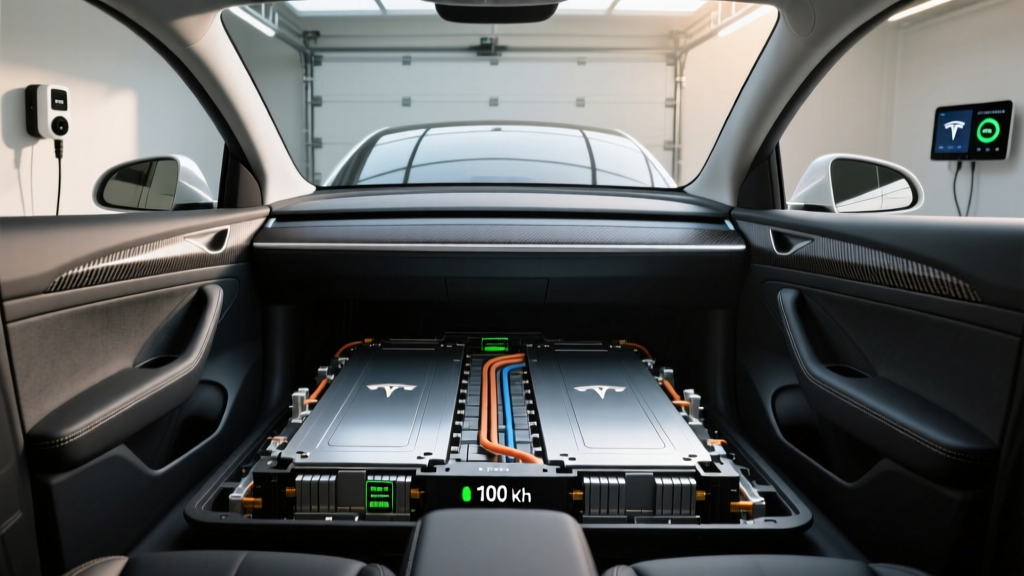
State of Health (SoH) is the percentage of your battery's original capacity that remains usable. A new EV starts at 100% SoH; at 70% SoH, you'll notice meaningful range reduction.
How to check SoH in 2026:
- In-vehicle displays: Tesla, Hyundai/Kia, BMW, and GM now include battery health indicators in the infotainment or mobile app. Tesla's app shows estimated range at 100% charge, from which you can calculate SoH against the original EPA rating.
- OBD-II diagnostic tools: Devices like the OBDLink SX paired with apps such as EVbatMon or Leaf Spy (Nissan Leaf) read real-time BMS data including SoH, cell voltage spread, and cycle count.
- Third-party testing: Companies like Recurrent Auto offer free battery health reports that compare your pack against a fleet database of identical vehicles. Geotab's EV battery health tool provides similar benchmarking.
- Dealer diagnostics: Any authorized service center can pull a full battery health report during scheduled service — request this at least annually.
What's a healthy cell voltage spread? Across a pack, individual cell groups should vary by no more than 20–30 mV at rest. Wider spreads suggest cell imbalance that may benefit from a BMS recalibration or, in rare cases, module replacement.
Beyond Lithium-Ion: Salt-and-Air, Solid-State, and Silicon Anodes
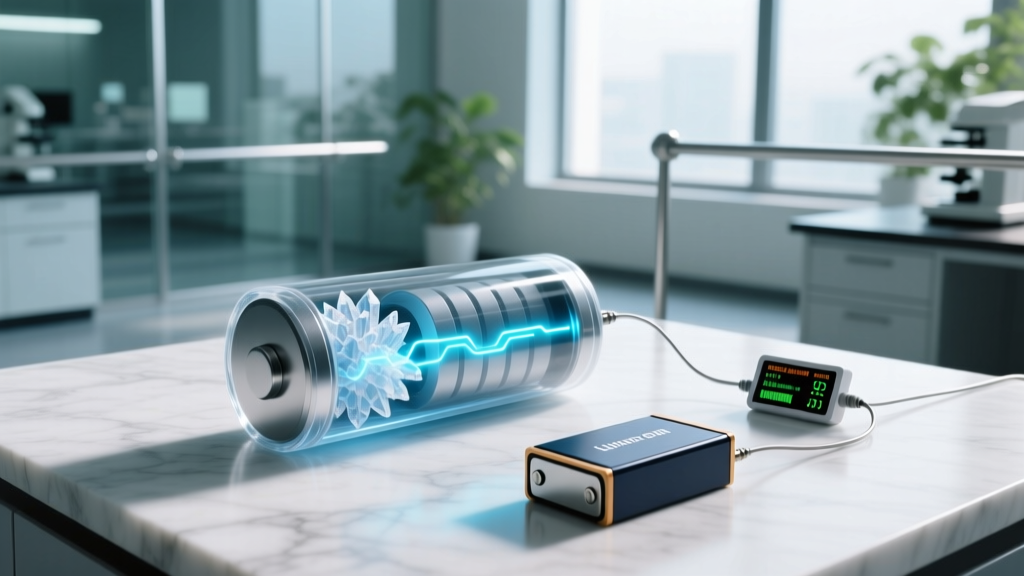
The "salt and air battery" concept you've searched for falls into the broader category of metal-air batteries (sodium-air, zinc-air, lithium-air). These chemistries use ambient oxygen as the cathode reactant, which theoretically makes them lighter and cheaper since they don't require heavy metal-oxide cathodes. Here's where they — and other emerging tech — actually stand:
Metal-Air / Salt-and-Air Batteries
- Promise: Very low material cost (sodium is abundant), potentially high energy density by weight.
- Challenge: Extremely low cycle life in current lab prototypes (often under 100 cycles), poor rechargeability, and sensitivity to moisture and CO₂ in ambient air requiring complex filtration.
- Timeline: Purely experimental as of 2026. No automaker has announced a metal-air production timeline. Realistic automotive application, if viable at all, is 2035+ at the earliest.
Solid-State Batteries
- Promise: Higher energy density (~400+ Wh/kg projected), faster charging, improved safety (no liquid electrolyte to ignite).
- Status: Toyota has announced limited solid-state production for 2027–2028 in select models (initially in Japan), with ~750 km (466 mi) range targeted. Samsung SDI and QuantumScape continue pilot production. Toyota's Beyond Zero initiative provides the most concrete public timeline.
- Reality check: Initial solid-state packs will be expensive and limited to premium models. Broad market availability at competitive pricing is not expected before 2030–2032.
Silicon Anode Batteries
- Promise: 20–40% energy density improvement over graphite anodes, faster charging capability.
- Status: Sila Nanotechnologies and Group14 are supplying silicon-dominant anode materials to battery cell makers. Mercedes-Benz's upcoming G-Class EV (2026–2027) is expected to feature silicon-anode cells from Sila.
- Timeline: Partial silicon anode adoption is happening now; full silicon-dominant anodes in mainstream EVs are expected by 2028–2030.
For anyone buying an EV in 2026, lithium-ion (LFP or NMC) is your battery — and it's a mature, well-warrantied, and increasingly affordable technology. Experimental chemistries are worth watching but shouldn't delay a purchase decision.
Frequently Asked Questions
Is a salt and air battery available in any EV today?
No. As of 2026, no production vehicle uses a salt-and-air, sodium-air, or any metal-air battery. All currently available EVs use lithium-ion chemistries (LFP, NMC, or NCA). Metal-air batteries remain in early-stage laboratory research with significant cycle-life and rechargeability challenges unresolved.
How long do EV batteries last in years and miles?
Based on fleet data from Geotab, Recurrent Auto, and manufacturer reports, most EV batteries retain 70–85% of original capacity after 150,000–200,000 miles or 12–15 years. Many packs exceed 200,000 miles before reaching the 70% capacity threshold that defines functional end-of-life.
How much does an EV battery cost to replace?
Full-pack replacement costs range from approximately $8,000 for a 60 kWh LFP pack (Tesla Model 3 RWD) to $20,000–$30,000 for large packs like the Ford F-150 Lightning Extended Range (131 kWh). Module-level repairs on compatible platforms (GM Ultium, BMW) cost $2,000–$4,500 per module. Most owners never pay out of pocket because failures within the warranty period are rare and covered.
What does the EV battery warranty cover?
Federal law requires at minimum 8 years / 100,000 miles of coverage (10 years / 150,000 miles in CARB states). Coverage applies when battery capacity drops below 70% of original. The manufacturer will repair or replace the battery — which may include refurbished packs or individual module replacement rather than a brand-new unit.
LFP vs. NMC — which battery chemistry is better for me?
Choose LFP if you want the longest cycle life, lowest cost, and plan to charge to 100% regularly (ideal for daily commuting and rideshare use). Choose NMC/NCA if you need maximum range per charge, better cold-weather performance, or are buying a long-range/performance trim. Neither is universally superior — the right choice depends on your driving pattern and climate.
Does frequent DC fast charging damage my EV battery?
Exclusive reliance on DC fast charging adds approximately 1–2% additional annual degradation compared to primarily Level 2 (home) charging, per Geotab fleet data. Occasional fast charging for road trips has negligible long-term impact. Always use battery preconditioning (navigate to the charger via the car's nav system) to optimize charge speed and reduce thermal stress.
How do I check my EV battery's health?
Most 2026 EVs display battery health metrics in the vehicle's app or infotainment system. For more detailed data, use an OBD-II reader with EV-specific apps (EVbatMon, Leaf Spy) or request a battery health report from your dealer. Free third-party services like Recurrent Auto also benchmark your pack against fleet averages.
When will solid-state batteries be available in EVs?
Toyota targets limited production in 2027–2028 for select models in Japan. Samsung SDI and QuantumScape are in pilot production. Broad, affordable availability in mainstream U.S.-market EVs is not expected before 2030–2032. Current lithium-ion technology continues improving incrementally and remains the practical choice for buyers today.