The Real Story on Hybrid Battery Replacement
If you're researching replacing a hybrid battery, you're likely staring at a repair estimate that feels alarming — or you're a prospective used-hybrid buyer trying to gauge long-term risk. The good news, backed by over two decades of real-world data: most hybrid batteries outlast the vehicles they power. Toyota alone has reported that fewer than 1% of its hybrid battery packs require replacement under warranty. But when replacement is needed, costs vary dramatically by model, chemistry, and whether you go OEM, refurbished, or third-party.
This guide breaks down exactly what hybrid battery replacement entails in 2026 — from chemistry fundamentals and degradation curves to warranty fine print and actionable care tips. We cover both traditional hybrids (HEVs like the Prius) and plug-in hybrids (PHEVs like the RAV4 Prime), since their battery sizes, chemistries, and replacement economics differ substantially.
How Long Do Hybrid Batteries Actually Last?
Modern hybrid traction batteries are engineered for the life of the vehicle. Here's what the data shows:
- Toyota HEV batteries (NiMH and Li-ion): Routinely exceed 200,000 miles with 10–15% capacity loss. The Prius fleet has demonstrated median battery lifespans well beyond 15 years in temperate climates.
- Toyota PHEV batteries (Li-ion, NMC): The RAV4 Prime's 18.1 kWh pack shows approximately 8–12% degradation at 100,000 miles based on owner-reported data from hybrid-focused forums and fleet studies.
- Honda hybrid batteries (Li-ion): The Accord Hybrid and CR-V Hybrid use smaller lithium-ion packs that typically show 10–15% capacity reduction by 150,000 miles.
- Hyundai/Kia PHEV batteries: The Tucson PHEV and Sorento PHEV use 13.8–17.7 kWh NMC packs with real-world degradation tracking at roughly 8–10% over 80,000 miles.
The key insight: hybrid batteries degrade gradually; they rarely fail catastrophically. A 20% loss in a 1.3 kWh Prius battery means you lose roughly 0.26 kWh of usable capacity — barely noticeable in daily driving since the gas engine compensates. For PHEVs with larger packs, a 15% loss on a 17 kWh battery still leaves ~14 kWh and roughly 33–35 miles of electric-only range from an original 42 miles.
Battery Chemistry in Hybrids: NiMH vs. NMC vs. LFP
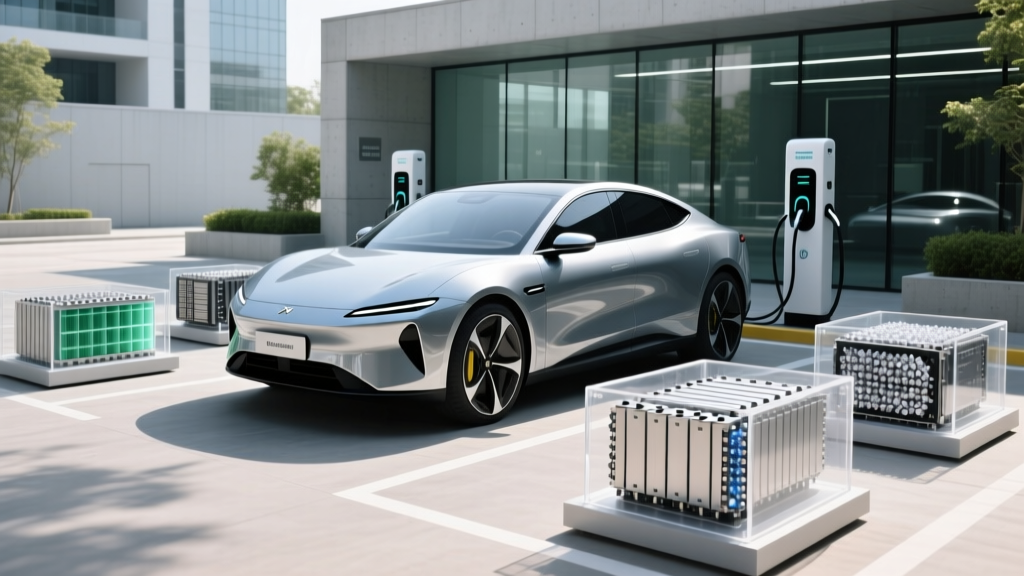
Hybrid vehicles use different battery chemistries depending on the era and design. Understanding yours matters for replacement planning.
| Chemistry | Typical Use | Energy Density | Cycle Life | Cold Performance | Relative Cost |
|---|---|---|---|---|---|
| NiMH (Nickel-Metal Hydride) | Older HEVs (2004–2015 Prius, early Camry Hybrid) | Low (~60–80 Wh/kg) | Excellent (2,000+ cycles) | Good — tolerant of cold | Lower — mature tech, widely available refurbished |
| NMC (Nickel Manganese Cobalt) | Modern PHEVs (RAV4 Prime, Tucson PHEV, Wrangler 4xe) | High (~200–260 Wh/kg) | Good (1,000–2,000 cycles) | Moderate — reduced range below 20°F | Higher — cobalt content drives price |
| LFP (Lithium Iron Phosphate) | Emerging in some 2025+ hybrids (limited adoption) | Moderate (~140–170 Wh/kg) | Excellent (3,000–5,000 cycles) | Weaker in extreme cold | Lower — no cobalt or nickel |
What this means for replacement: If you drive an older NiMH-equipped Prius, refurbished packs are plentiful and affordable ($1,000–$2,500). NMC PHEV batteries are costlier to replace ($3,500–$6,500) because of raw material costs and smaller aftermarket supply. LFP is just beginning to appear in hybrid applications and will likely lower long-term replacement costs as adoption grows.
How Much Does Replacing a Hybrid Battery Cost?
Replacement cost depends on the vehicle, battery capacity, chemistry, and whether you choose a new OEM pack, a refurbished unit, or a third-party remanufactured option. Here's the 2026 landscape:
| Vehicle | Battery Type / Size | OEM New | Refurbished / Reman. | Typical Replacement Mileage |
|---|---|---|---|---|
| Toyota Prius (2016–2023) | Li-ion ~1.3 kWh (HEV) | $2,500–$3,500 | $1,000–$2,000 | 180,000–250,000+ mi |
| Toyota RAV4 Prime (PHEV) | NMC ~18.1 kWh | $5,000–$6,500 | $3,500–$4,500 | 150,000–200,000+ mi |
| Honda Accord Hybrid | Li-ion ~1.3 kWh (HEV) | $2,500–$3,800 | $1,200–$2,200 | 160,000–220,000+ mi |
| Hyundai Tucson PHEV | NMC ~13.8 kWh | $4,000–$5,500 | $2,800–$3,800 | 140,000–200,000+ mi |
| Jeep Wrangler 4xe | NMC ~17.3 kWh | $5,500–$7,000 | $3,800–$5,000 | 100,000–160,000+ mi |
Important context: These "typical replacement mileage" figures represent when some owners first notice meaningful degradation — not when the battery fails entirely. Many hybrids reach 300,000 miles on the original pack. The decision to replace often comes down to whether the reduced electric-only range (on PHEVs) or slightly lower fuel economy (on HEVs) bothers you enough to justify the expense.
Labor adds $300–$800 depending on the shop and vehicle complexity. Dealerships charge more but provide OEM warranty coverage on the new pack (typically 1–3 years on the replacement). Independent hybrid specialists often offer comparable work at lower cost with warranties on refurbished units.
What Does the Hybrid Battery Warranty Cover?
Federal law mandates that hybrid and EV battery warranties meet minimum thresholds, but manufacturers often exceed them. Here's what to expect:
| Manufacturer | Warranty Period | Mileage Limit | Capacity Threshold | Notes |
|---|---|---|---|---|
| Toyota (HEV & PHEV) | 10 years | 150,000 miles | Below ~70% capacity | Covers Prius, RAV4 Hybrid/Prime, Camry Hybrid. Transferable. |
| Honda | 8 years | 100,000 miles | Below ~70% capacity | Applies to Accord Hybrid, CR-V Hybrid |
| Hyundai / Kia | 10 years | 100,000 miles | Below ~70% capacity | Covers Tucson PHEV, Sorento PHEV, Sportage Hybrid |
| Ford | 8 years | 100,000 miles | Below ~70% capacity | Escape PHEV, Maverick Hybrid |
| Stellantis (Jeep/Chrysler) | 8 years | 100,000 miles | Below ~70% capacity | Wrangler 4xe, Pacifica Hybrid |
What triggers a warranty claim: The warranty covers defects and excessive capacity loss — typically defined as the battery falling below 70% of its original usable capacity. A diagnostic scan at the dealer confirms State of Health (SoH). Normal gradual degradation that stays above the threshold is not covered, even if you notice reduced electric-only range.
Key distinction: The 12V auxiliary battery (which powers electronics and starts the hybrid system) is not covered under the hybrid battery warranty. It has its own standard 3-year/36,000-mile bumper-to-bumper coverage and typically costs $150–$350 to replace.
Factors That Accelerate Hybrid Battery Degradation
Hybrid batteries face less stress than full EV batteries because they operate in a narrow state-of-charge window — typically between 40% and 80% SoC. The vehicle's battery management system (BMS) prevents full charges and deep discharges, which are the primary enemies of lithium-ion longevity. Still, several factors influence how quickly your pack ages:
Battery Care Checklist for Hybrid Owners
- Avoid prolonged storage at extreme SoC: If your PHEV will sit unused for weeks, aim for ~50% charge. Don't leave it plugged in at 100% for extended periods.
- Minimize heat exposure: Parking in shade or a garage in hot climates (Arizona, Texas, Florida) meaningfully slows degradation. Battery temperature above 104°F (40°C) accelerates chemical aging.
- Cold weather is less damaging but reduces range: Below 20°F, expect 20–30% less electric-only range on a PHEV. This is temporary, not permanent damage.
- Regular use is beneficial: Hybrid batteries do best with regular charge-discharge cycling. A car driven daily will often outlast one that sits for months.
- Don't obsess over DC fast charging (PHEVs): Most PHEVs don't support DC fast charging. For those that do (like the Mitsubishi Outlander PHEV), occasional use is fine — the smaller battery size means thermal management is adequate for the charge rates involved.
- Keep up with cooling system maintenance: Some hybrids have dedicated battery cooling circuits. Follow your manufacturer's service schedule for coolant checks and replacements.
How to Check Your Hybrid Battery's Health
Monitoring State of Health (SoH) helps you plan ahead rather than face a surprise repair bill.
For PHEV owners: The most practical SoH indicator is your electric-only range. Track it over time under similar conditions (same route, similar temperature, same tire pressure). If your RAV4 Prime originally delivered 42 miles EV-only and now consistently delivers 34 miles in comparable conditions, that's roughly 80% SoH. The vehicle's dashboard or app may also display a battery health indicator.
For HEV owners: Since the battery is small (~1–2 kWh) and the gas engine compensates, degradation is less perceptible. You may notice slightly lower city MPG over many years. A dealer diagnostic scan provides precise SoH data by reading individual cell voltages and internal resistance.
OBD-II tools: Devices like the OBDLink MX+ paired with apps such as Dr. Prius (for Toyota hybrids) or Hybrid Assistant can read real-time battery health metrics including individual module voltages, internal resistance, and estimated SoH percentage. These tools cost $50–$120 and provide dealer-level data at home. According to fueleconomy.gov, hybrid system efficiency data is also available through EPA testing profiles for most models.
Should You Replace, Repair, or Retire the Vehicle?
When a hybrid battery finally needs attention, you have options beyond a full OEM replacement:
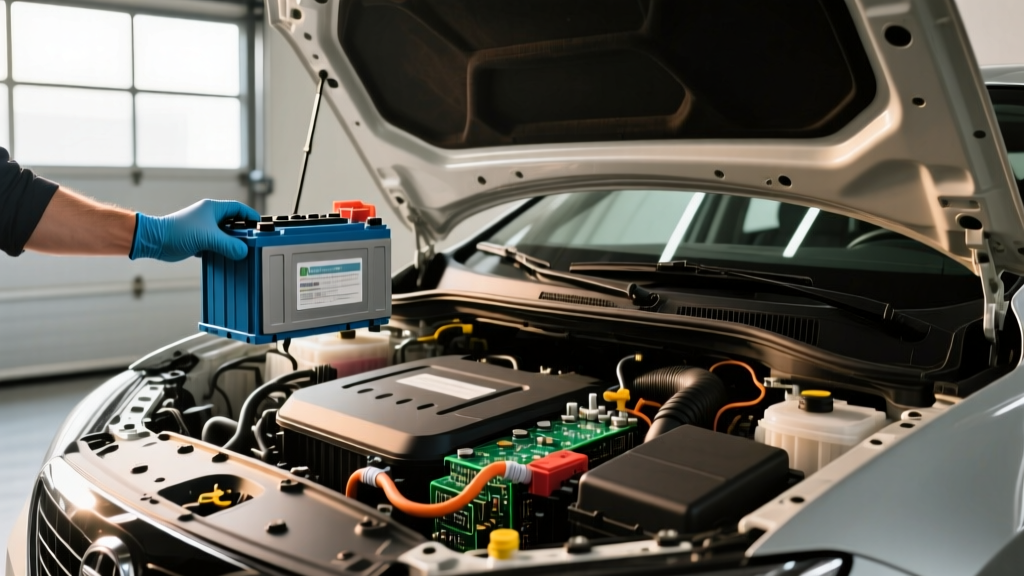
Module-level repair (NiMH batteries): Older Prius and Camry Hybrid packs use individual NiMH modules. A specialist can identify and replace only the degraded modules for $500–$1,500. This extends battery life by several years at a fraction of full replacement cost. Companies like Green Bean Battery and Project Lithium specialize in this service.
Refurbished full pack: A remanufactured battery with tested and balanced modules typically costs 40–60% less than OEM new. Quality varies by supplier, so look for warranties of at least 1–3 years. This is often the best value for vehicles with 150,000+ miles where a $5,000 OEM pack doesn't make financial sense.
OEM new pack: Best option if the vehicle is under 100,000 miles, you plan to keep it another decade, or you want full warranty coverage. The new pack resets the clock and may even outperform the original due to chemistry improvements.
Retire or trade in: If the vehicle has other significant issues (transmission, body rust, high-mileage engine wear), a battery replacement may not be the best investment. According to Kelley Blue Book, a hybrid with a known bad battery trades at a $2,000–$5,000 discount versus one with a healthy pack — roughly matching replacement cost.
Looking Ahead: Solid-State and Silicon-Anode Batteries
Next-generation battery technologies promise to further reduce replacement concerns, though they remain in development for hybrid applications:
Solid-state batteries: Toyota has announced plans to begin limited solid-state battery production for EVs by 2027–2028, with hybrid applications potentially following by 2030. These batteries replace the liquid electrolyte with a solid material, offering higher energy density, faster charging, and significantly longer cycle life (potentially 5,000+ cycles with minimal degradation). However, manufacturing costs remain prohibitive for near-term mass adoption.
Silicon-anode lithium-ion: Companies like Sila Nanotechnologies and Group14 are commercializing silicon-dominant anodes that increase energy density by 20–40% over current graphite anodes. Some luxury EVs are beginning to incorporate this technology in 2025–2026. For hybrids, the benefit would be smaller, lighter packs that deliver the same electric-only range — reducing vehicle weight and improving overall efficiency. Expect this to appear in premium PHEVs first, likely by 2028–2029.
Sodium-ion batteries: CATL and other manufacturers are scaling sodium-ion production for lower-cost, cobalt-free energy storage. While currently targeted at budget EVs and stationary storage, sodium-ion's excellent cycle life and low cost could make it attractive for HEV applications where energy density matters less than longevity and affordability. Timeline: 2027+ for potential hybrid use.
These technologies are forward-looking and not currently available in any production hybrid vehicle. For today's buyers, the proven NiMH and NMC chemistries in current models offer excellent longevity at known replacement costs.
Frequently Asked Questions
How long do hybrid batteries last in years and miles?
Most modern hybrid batteries last 150,000–250,000+ miles and 12–20 years before requiring replacement. Toyota's NiMH and lithium-ion hybrid packs have the strongest track record, with many exceeding 200,000 miles with only 10–15% capacity loss. PHEV batteries, being larger and more stressed by electric-only driving, typically show measurable degradation sooner but still routinely exceed 150,000 miles before replacement becomes necessary.
How much does it cost to replace a hybrid battery?
Replacement costs range from $1,000–$2,000 for a refurbished NiMH pack in an older Prius to $5,000–$7,000 for a new OEM NMC pack in a PHEV like the RAV4 Prime or Wrangler 4xe. Refurbished and remanufactured options typically save 40–60% over new OEM pricing. Labor adds $300–$800 depending on the shop and vehicle.
What does the hybrid battery warranty actually cover?
Hybrid battery warranties cover defects and excessive capacity loss — typically defined as the battery falling below 70% of original usable capacity. Coverage ranges from 8 years/100,000 miles (Honda, Ford, Stellantis) to 10 years/150,000 miles (Toyota). The 12V auxiliary battery is not covered under this warranty. Normal gradual degradation above the threshold is expected and not warrantable.
How do I check my hybrid battery's health at home?
For PHEVs, track your electric-only range over time under consistent conditions — a drop from 42 to 34 miles indicates roughly 80% State of Health. For more precise data, an OBD-II scanner ($50–$120) paired with apps like Dr. Prius or Hybrid Assistant reads individual cell voltages, internal resistance, and SoH percentage. Dealers can also run a full diagnostic scan during routine service.
Is an LFP battery better than NMC for a hybrid?
It depends on the priority. LFP offers far superior cycle life (3,000–5,000 cycles vs. 1,000–2,000 for NMC), lower cost (no cobalt or nickel), and better thermal stability. However, LFP has lower energy density, meaning a larger, heavier pack for the same capacity — a significant packaging challenge in hybrids where space is limited. NMC remains the dominant PHEV chemistry because its higher energy density allows compact pack designs. LFP is better suited to applications where weight and volume are less constrained.
Can I upgrade my older NiMH hybrid to a lithium-ion battery?
Some aftermarket companies offer NiMH-to-lithium conversion kits for vehicles like the Gen 2 and Gen 3 Prius. These typically cost $2,500–$4,000 installed and offer lighter weight, slightly improved efficiency, and longer expected life. However, they may affect warranty coverage and require ECU reprogramming. For most owners, a quality refurbished NiMH pack is the simpler, more cost-effective choice.
Does extreme weather destroy hybrid batteries?
Extreme heat accelerates degradation more than extreme cold. Sustained battery temperatures above 104°F (40°C) — common in vehicles parked outdoors in desert climates — can add 2–5% additional capacity loss per year compared to temperate climates. Cold weather reduces electric-only range temporarily (by 20–30% below 20°F) but does not cause permanent damage. Hybrid BMS systems include thermal management to mitigate both extremes.
Sources: EPA fueleconomy.gov, manufacturer warranty documentation via Toyota Owners, IRS §30D clean vehicle credit guidelines.