What Are Production-Scrap EV Batteries?
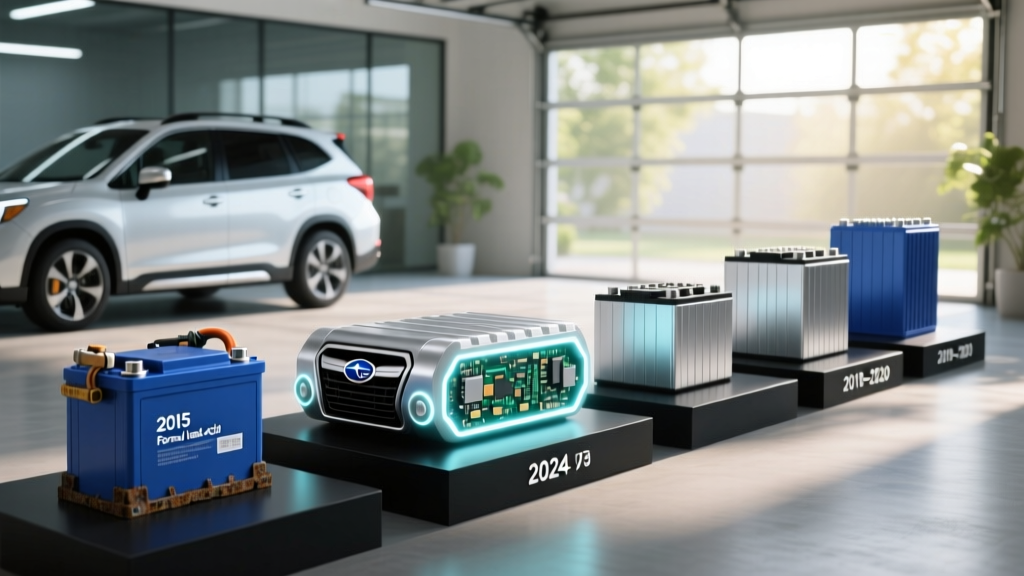
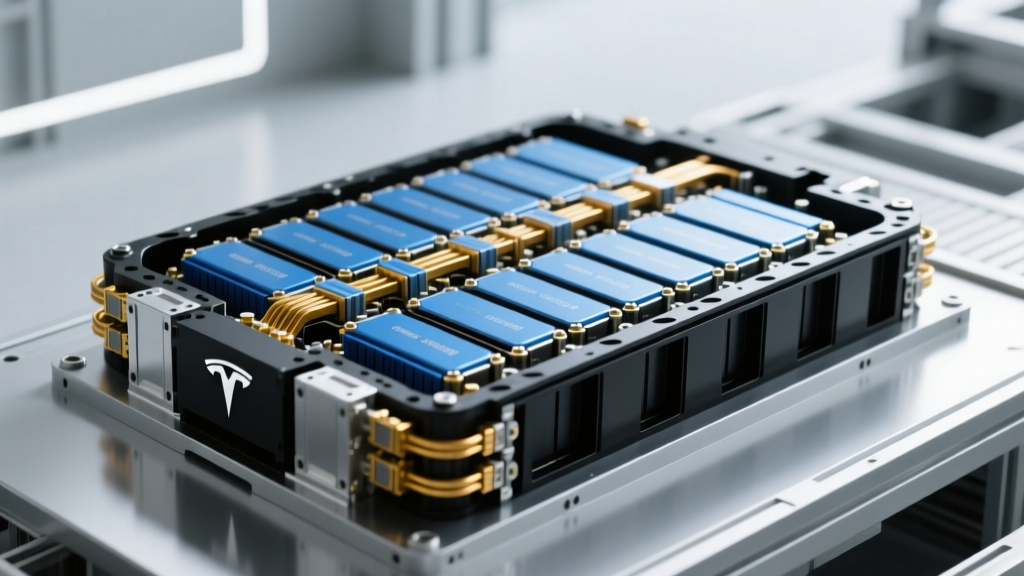
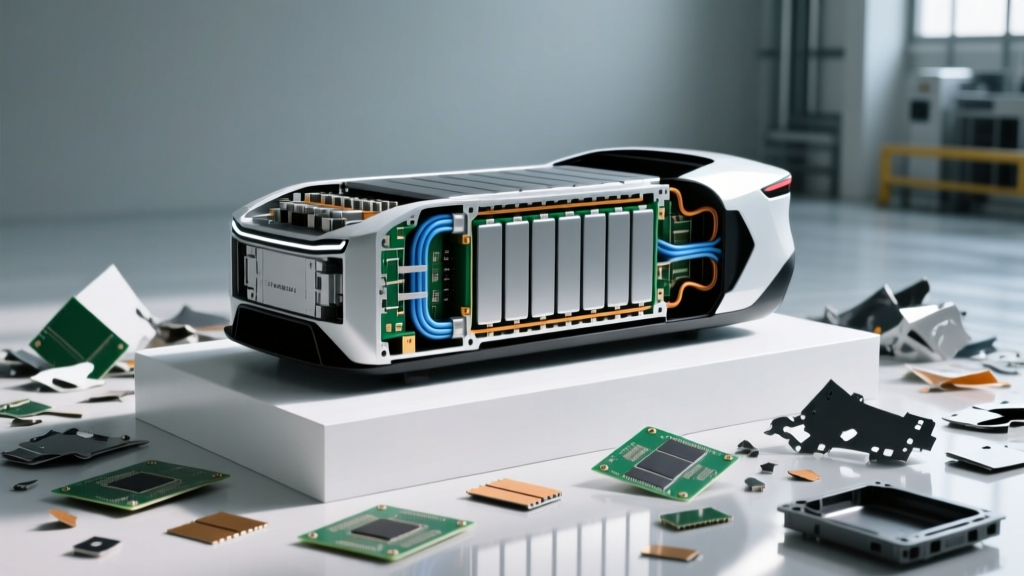
When a gigafactory produces lithium-ion cells, not every unit meets quality-control thresholds. Cells that fail internal resistance tests, show coating inconsistencies on the cathode or anode, or fall outside tight capacity tolerances during formation cycling are pulled from the production line. These are production-scrap EV batteries — cells or partially assembled modules that never made it into a vehicle pack.
For EV buyers and owners, understanding production scrap matters for two reasons. First, the scrap rate directly influences battery-pack pricing: higher yields mean lower per-kWh costs. Second, the rigorous sorting that creates scrap is precisely what ensures the cells inside your vehicle meet durability and safety specifications. A cell that was scrapped is one that won't degrade prematurely in your pack.
Industry reports from Battery Intelligence and Benchmark Mineral Intelligence have documented that leading cell manufacturers maintain scrap rates between 2% and 5% for mature production lines, though newer chemistries and formats can see higher rejection rates during ramp-up. This sorting discipline is a key reason why modern EV battery packs routinely exceed 150,000 miles with minimal capacity loss.
Battery Chemistry Fundamentals: LFP vs NMC/NCA
The cells that either make it into your EV or end up as production scrap fall into two dominant chemistry families. Understanding the trade-offs between them is essential for evaluating any EV purchase.
| Attribute | LFP (Lithium Iron Phosphate) | NMC/NCA (Nickel Manganese Cobalt / Nickel Cobalt Aluminum) |
|---|---|---|
| Energy Density (cell-level) | 160–190 Wh/kg | 240–300 Wh/kg |
| Typical Cycle Life | 3,000–6,000+ cycles | 1,000–2,500 cycles |
| Cold-Weather Performance | Moderate — more range loss below 20°F | Better low-temp discharge capability |
| Cost per kWh (cell) | ~$75–$90 (2026) | ~$95–$120 (2026) |
| Recommended Daily SoC | 100% acceptable | 80–90% for daily use |
| Thermal Stability | Excellent — higher runaway threshold | Good — requires robust thermal management |
| Common In (2026 US Models) | Tesla Model 3 RWD, Model Y RWD, Ford Mustang Mach-E Select (LFP option), Rivian Standard pack | Hyundai Ioniq 5, Kia EV6, BMW iX, Ford F-150 Lightning Extended, most long-range/AWD trims |
Which is better? Neither is universally superior. LFP excels in longevity, cost, and safety — ideal for standard-range models and owners who charge to 100% nightly. NMC/NCA delivers more range per kilogram, making it the choice for long-range and performance variants where pack weight and volume matter. Production-scrap rates tend to be slightly higher for NMC cells because nickel-rich cathodes demand tighter coating precision, but mature lines have narrowed this gap significantly.
How Long Do EV Batteries Actually Last?
The fear that EV batteries need replacing every few years is not supported by fleet data. According to analysis from Geotab's longitudinal study of over 10,000 EVs, the average battery pack loses approximately 1.8% of its capacity per year under typical use — meaning after 10 years, the average pack retains roughly 82% of its original capacity.
- Year 1: ~2–3% loss (initial formation settling)
- Years 2–5: ~1.5% per year (steady-state linear decline)
- Years 6–10: ~1.5–2% per year (gradual acceleration)
- 150,000 miles: Most packs retain 80–88% of original capacity
- 200,000 miles: Majority retain 75–85%
Source: Geotab EV Battery Health Study, fueleconomy.gov EV technology overview
Tesla's own 2025 Impact Report states that Model 3/Y battery packs show approximately 12% degradation at 200,000 miles. Hyundai and Kia report similar figures for their E-GMP platform packs. The critical insight: most EV batteries will outlast the vehicle's body, suspension, and interior — total pack failure before 150,000 miles is statistically rare in liquid-cooled packs.
Battery Warranty Terms: What's Actually Covered
Federal law mandates a minimum 8-year/100,000-mile warranty on EV battery packs for emissions-related compliance, but most automakers exceed this baseline. The standard coverage threshold is 70% capacity retention — if your pack drops below 70% of its original kWh within the warranty period, the manufacturer must repair or replace it.
| Manufacturer | Warranty Term | Capacity Threshold | Notable Details |
|---|---|---|---|
| Tesla (Model 3/Y LFP) | 8 yr / 100,000 mi | 70% | LFP packs covered same as NMC; module-level repair first |
| Tesla (Model S/X, LR/AWD) | 8 yr / 120,000–150,000 mi | 70% | Varies by drivetrain; 150k mi on AWD Long Range |
| Hyundai / Kia (E-GMP) | 10 yr / 100,000 mi | 70% | Among the longest coverage terms in the US market |
| Ford (Mach-E, F-150 Lightning) | 8 yr / 100,000 mi | 70% | Covers battery components and management system |
| GM (Ultium platform) | 8 yr / 100,000 mi | 70% | Modular pack design allows single-module replacement |
| Rivian | 8 yr / 120,000 mi | 70% | Covers both Standard and Max pack configurations |
| BMW (iX, i4) | 8 yr / 100,000 mi | 70% | Includes thermal management system components |
Warranties cover defects and abnormal degradation — they do not cover damage from accidents, flooding, or improper aftermarket modifications. Read the fine print: some manufacturers require documented service history and may deny claims if the vehicle was charged exclusively on damaged or non-certified DC fast-charging equipment.
EV Battery Replacement Cost: When and How Much
Full battery-pack replacement remains uncommon within the first decade of ownership, but costs matter for long-term planning and used-EV evaluation.
| Vehicle / Pack Size | Pack Capacity | Replacement Cost Range (Parts + Labor) | Typical Replacement Trigger |
|---|---|---|---|
| Tesla Model 3 RWD (LFP) | ~60 kWh | $8,000–$12,000 | Rare before 200k+ mi; module repair more common |
| Tesla Model Y Long Range | ~75 kWh | $10,000–$15,000 | Cell imbalance or module failure post-warranty |
| Hyundai Ioniq 5 (Standard Range) | ~58 kWh | $7,500–$11,000 | Typically module-level repair under warranty |
| Ford F-150 Lightning Extended | ~131 kWh | $18,000–$28,000 | Largest packs command highest replacement cost |
| Chevrolet Silverado EV (Max) | ~200 kWh | $25,000–$35,000 | Ultium modular design reduces partial-repair cost |
The trend is your friend: battery-pack prices have fallen from over $1,000/kWh in 2010 to roughly $110–$135/kWh at the pack level in 2026, per BloombergNEF data. Module-level repairs — replacing a single faulty module rather than the entire pack — are increasingly common and cost $1,500–$4,000 depending on the platform. GM's Ultium and Hyundai's E-GMP architectures are specifically designed for module-level serviceability, reducing worst-case costs.
Factors That Accelerate Battery Degradation
Not all miles are created equal. Battery wear is driven by chemical and thermal stress, not just time. Here are the primary factors that influence how quickly your pack loses capacity:
- Avoid sustained 100% SoC (NMC/NCA): For nickel-based chemistries, daily charging to 80–90% significantly reduces cathode stress. LFP owners can charge to 100% regularly — in fact, periodic 100% charges help the BMS recalibrate cell balancing.
- Minimize DC fast-charging frequency: Occasional road-trip fast charging is fine. Daily reliance on 150+ kW DC charging accelerates lithium plating, especially in cold weather. Aim for Level 2 (7–11.5 kW) as your primary charging method.
- Precondition before fast charging: Most modern EVs precondition the battery when a Supercharger or DC fast station is set as the navigation destination. This warms the cells to ~95°F, enabling faster charge acceptance and reducing plating risk. If your EV doesn't auto-precondition, allow 15–20 minutes of driving before plugging into DC fast chargers in cold weather.
- Avoid extreme SoC storage: Storing an EV at 0% or 100% for weeks accelerates degradation. For long-term parking (vacation, seasonal), set the charge limit to ~50% and leave it plugged into Level 1 or Level 2.
- Thermal management matters: Liquid-cooled packs (standard on nearly all 2026 EVs) handle heat far better than passively cooled packs. In extreme heat climates (Arizona, Texas), parking in shade and preconditioning reduce thermal stress.
- Don't obsess over calendar aging: Batteries degrade even when not in use, but the rate is slow (~1% per year calendar aging at moderate SoC). Drive your EV normally — the wear from driving is less than the wear from sitting at 100% in a hot garage.
Monitoring Your Battery's State of Health (SoH)
State of Health (SoH) is the percentage of a battery's original capacity that remains usable. A new pack is 100% SoH; a pack that held 75 kWh when new and now holds 66 kWh is at 88% SoH.
How to check SoH in 2026 EVs:
- In-vehicle displays: Tesla (via the Service menu or third-party apps like Tessie), Hyundai/Kia (via the EV battery health screen in 2024+ models), and BMW (via iDrive diagnostics) provide SoH estimates directly.
- OBD-II diagnostic tools: Devices like the OBDLink SX paired with apps such as EV Health or Car Scanner can read the BMS-reported SoH value from most EVs.
- Dealer diagnostics: Any authorized service center can pull a full battery health report, including individual module voltage deviation and internal resistance trends.
- Charging-data analysis: Apps like Recurrent Auto (now part of a larger telematics platform) track your actual range over time and compare it against the fleet average for your model, giving a practical SoH estimate.
For used-EV buyers, a SoH reading is the single most important data point — more telling than mileage alone. A 60,000-mile EV at 95% SoH is a better bet than a 30,000-mile example at 88% SoH, as the latter may have been repeatedly fast-charged or stored improperly.
The Production-Scrap Connection to Battery Quality
Returning to our core topic: production-scrap EV batteries are a byproduct of the quality gates that protect you. When a cell manufacturer like CATL, LG Energy Solution, Panasonic, or SK On rejects cells during formation testing, impedance spectroscopy, or visual inspection, those cells enter the scrap stream. Depending on their condition, production-scrap cells may be:
- Recycled: Sent to hydrometallurgical recyclers (Li-Cycle, Redwood Materials) where cathode metals — lithium, nickel, cobalt, manganese — are recovered for reuse in new cells. Redwood Materials, for instance, reports recovering over 95% of critical minerals from production scrap.
- Repurposed for second-life applications: Cells that fail automotive-grade tolerances but still hold 80%+ capacity may be reconfigured for stationary energy storage, where weight and energy density are less critical.
- Destroyed: Cells with internal shorts, electrolyte contamination, or severe defects are safely discharged and destroyed.
The existence of a production-scrap stream is a positive indicator for EV buyers. It means the manufacturer is filtering out substandard cells before they reach your vehicle. Companies that report lower scrap rates over time are demonstrating manufacturing maturity — and their vehicles tend to show better long-term battery durability as a result.
For context, the IRS §30D clean vehicle credit includes battery-sourcing requirements that indirectly influence production quality: automakers must document critical-mineral and battery-component supply chains, which incentivizes tighter process control from mine to finished pack.
Emerging Battery Technologies: What's Next
While today's LFP and NMC cells are mature and reliable, several next-generation technologies are in advanced development:
- Solid-state batteries: Toyota, Samsung SDI, and QuantumScape are targeting 2027–2029 for initial production vehicles. Solid-state cells promise 30–50% higher energy density and faster charging, but manufacturing scalability and cost remain unresolved. Expect limited availability in premium models first.
- Silicon-dominant anodes: Companies like Sila Nanotechnologies and Group14 are replacing graphite anodes with silicon composites, boosting cell-level energy density by 15–25%. Early production applications are appearing in 2025–2026 model-year vehicles in limited trims.
- Sodium-ion batteries: CATL and BYD have begun production of sodium-ion cells for low-cost, short-range EVs. These trade energy density for dramatically lower raw-material cost and better cold-weather performance. US-market availability is expected in budget EV segments by 2027–2028.
- Dry-electrode manufacturing: Tesla's dry-electrode process (acquired via Maxwell Technologies) reduces production energy use, eliminates toxic solvents, and can lower scrap rates. This is already in production for some Tesla cells and is expected to spread industry-wide.
These technologies are promising but remain forward-looking. For a 2026 EV purchase, LFP and NMC/NCA chemistries in liquid-cooled packs represent the proven, data-backed choice.
Frequently Asked Questions
How long do EV batteries last in years and miles?
Based on fleet data, most liquid-cooled EV battery packs retain 80–88% of their original capacity at 150,000 miles and 75–85% at 200,000 miles. In years, expect 12–20 years of service before the pack falls below the 70% warranty threshold, depending on chemistry, climate, and charging habits. LFP packs tend to outlast NMC packs in cycle count, though both chemistries are well within acceptable longevity for typical ownership periods.
How much does an EV battery cost to replace?
Full pack replacement costs range from approximately $7,500 for a ~58 kWh pack (Hyundai Ioniq 5 Standard Range) to $28,000–$35,000 for the largest packs (Ford F-150 Lightning Extended, Chevrolet Silverado EV Max). However, module-level repairs — replacing only the degraded or failed module — cost $1,500–$4,000 and are increasingly the standard service approach on modular platforms. Most owners never need a full replacement.
What does the battery warranty actually cover?
Standard EV battery warranties cover capacity loss below 70% of original capacity (measured in kWh) within 8 years/100,000 miles (or longer, depending on the manufacturer). Coverage includes cell defects, module failures, and BMS malfunctions. Warranties do not cover physical damage from collisions, flood submersion, unauthorized modifications, or degradation from documented abuse (such as repeated 100% SoC storage in extreme heat with NMC chemistry).
How do I check my EV battery's State of Health?
Use your vehicle's built-in diagnostics menu (available on most 2024+ EVs), an OBD-II scanner with EV-compatible software (OBDLink SX + Car Scanner or EV Health app), or request a full battery health report from your dealer. Third-party services like Recurrent also provide SoH estimates based on your charging and range data. For used-EV purchases, always obtain a SoH reading before finalizing the transaction.
LFP vs NMC — which battery chemistry should I choose?
Choose LFP if you prioritize longevity, lower cost, and the convenience of charging to 100% daily — it's ideal for standard-range commuting and home-charging-heavy owners. Choose NMC/NCA if you need maximum range per charge, better cold-weather performance, or the higher energy density required for AWD and performance variants. Neither chemistry is fragile; both are backed by 8+ year warranties and proven fleet data.
Do production-scrap EV batteries end up in my car?
No. Production-scrap cells are those that failed quality-control testing at the cell factory. They are recycled, repurposed for stationary storage, or destroyed. The cells in your EV pack passed all formation, impedance, and capacity tests. A healthy scrap rate (2–5%) is evidence of rigorous sorting, not poor quality.