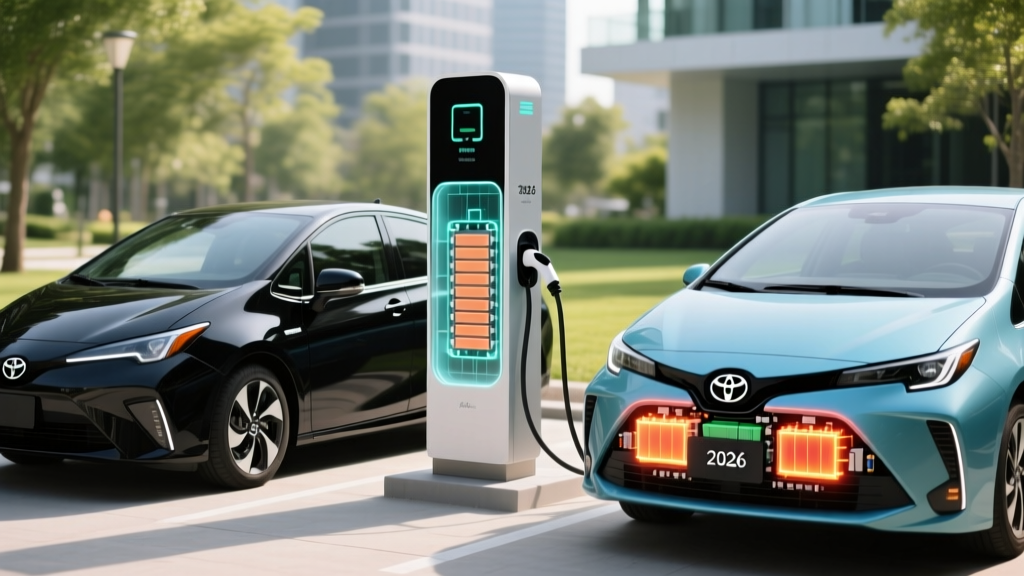
If you're researching a Toyota Prius — whether the standard hybrid (HEV) or the Prius Prime plug-in hybrid (PHEV) — one question almost certainly dominates your search: how long does a hybrid battery last in a Prius? The short answer, backed by two decades of real-world fleet data, is that most Prius traction batteries outlast 150,000 miles and 10–15 years before requiring replacement. Many original batteries are still on the road in cars approaching 200,000 miles.
But longevity isn't guaranteed. It depends on chemistry, climate, driving habits, and how the battery management system (BMS) handles thermal stress. This guide breaks down the exact degradation curves, replacement economics, and warranty protections you need to make an informed decision — whether you're buying new, buying used, or planning long-term ownership.
Prius Battery Chemistry: NiMH vs Lithium-Ion Explained
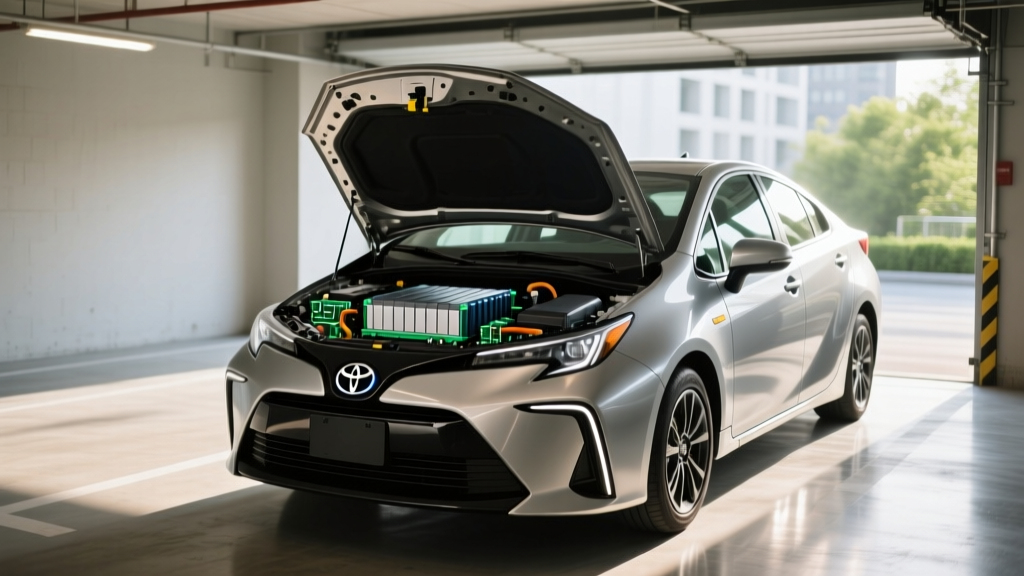
The 2026 Toyota Prius HEV uses a lithium-ion (Li-ion) traction battery pack — a shift from the nickel-metal hydride (NiMH) chemistry that defined earlier generations. The Prius Prime PHEV also uses a lithium-ion pack, sized larger to deliver its EPA-rated electric-only range. Understanding chemistry matters because it dictates energy density, cycle life, cold-weather behavior, and eventual replacement cost.
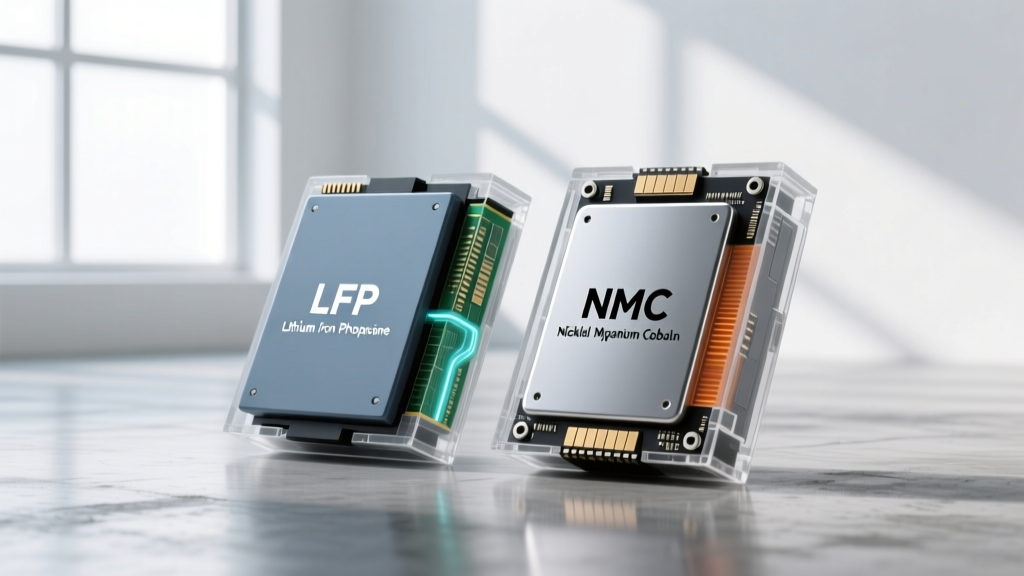
For context across the broader electrified vehicle market, here's how the dominant chemistries compare:
| Attribute | NiMH (Legacy Prius) | NMC / NCA Li-ion | LFP (LiFePO4) |
|---|---|---|---|
| Energy Density | Low (~70 Wh/kg) | High (~220–260 Wh/kg) | Moderate (~160 Wh/kg) |
| Cycle Life | 500–1,000 cycles | 1,000–2,000 cycles | 3,000–5,000+ cycles |
| Cold Performance | Moderate | Good (with thermal mgmt) | Reduced below 32°F |
| Cost per kWh | Low (mature tech) | Moderate–High | Low–Moderate |
| Thermal Stability | High | Moderate (requires BMS) | Very High |
| Common Use | Older HEVs (pre-2020) | Most BEVs, PHEVs, new HEVs | Tesla Model 3/Y RWD, some BEVs |
The 2026 Prius HEV's lithium-ion pack is compact — roughly 0.86 kWh usable — because it's designed for charge-sustaining hybrid operation, not extended electric-only driving. The Prius Prime's pack is substantially larger at approximately 13.6 kWh usable, enabling its EPA-rated 44 miles of EV range. Both use NMC-type lithium-ion chemistry optimized for power density and cycle life in Toyota's hybrid synergy drive system.
Key distinction: In a standard Prius HEV, the battery never sees deep discharge cycles the way a BEV does. The BMS keeps the state of charge (SoC) in a narrow window — typically 40% to 80% — which dramatically reduces stress and extends cycle life well beyond what raw chemistry specs would suggest.
Real Degradation Data: What Prius Owners Actually Experience
Toyota's hybrid batteries degrade slowly, and the data from millions of Prius vehicles on the road paints a consistent picture. Here's what real-world studies and fleet data show:
Prius HEV Traction Battery Degradation Curve (Typical)
- Year 1–3 (0–45,000 mi): ~2–4% capacity loss. Virtually imperceptible in fuel economy.
- Year 4–7 (45,000–105,000 mi): ~5–8% total loss. MPG may drop 1–2 mpg from new.
- Year 8–12 (105,000–180,000 mi): ~8–15% total loss. Noticeable MPG reduction (2–4 mpg) in some units; most still functional.
- Year 12–15+ (180,000+ mi): ~15–25% loss. This is where some batteries begin triggering check-engine codes or failing to hold adequate charge for hybrid assist.
A fueleconomy.gov comparison of older Prius models shows that real-world combined MPG for a 2010 Prius (NiMH) with 150,000+ miles typically ranges from 44–48 mpg, compared to the original EPA rating of 50 mpg combined — representing roughly a 4–12% efficiency decline attributable partly to battery degradation and partly to general vehicle aging.
For the Prius Prime PHEV, degradation follows a similar pattern but with a slightly different implication: a 10–15% capacity loss means your electric-only range drops from 44 miles to roughly 37–40 miles after a decade. The gasoline engine seamlessly fills the gap, so the car remains fully drivable — you simply use more fuel on shorter trips.
Toyota's Hybrid Battery Warranty: What's Actually Covered
Toyota provides one of the strongest hybrid battery warranties in the industry, and understanding the exact terms matters for long-term cost planning.
| Coverage Area | Standard (All States) | CARB States* |
|---|---|---|
| Hybrid Battery | 10 years / 150,000 miles | 10 years / 150,000 miles |
| Hybrid System Components | 8 years / 100,000 miles | 10 years / 150,000 miles |
| Capacity Retention Threshold | ~60–70% of original capacity (dealer-diagnosed failure) | Same |
| Transferable to Second Owner? | Yes, remainder of term | Yes, remainder of term |
*CARB states include California, Colorado, Connecticut, Maine, Maryland, Massachusetts, New Jersey, New York, Oregon, Rhode Island, Vermont, Virginia, Washington, and others adopting California emissions standards. Check Toyota's official warranty page for your state's specific terms.
What triggers a warranty claim? Toyota doesn't publish a specific capacity-retention percentage threshold the way BEV manufacturers do (e.g., Tesla's 70% over 8 years). Instead, hybrid battery warranty claims are typically approved when the battery can no longer sustain hybrid system operation — meaning it triggers diagnostic trouble codes, fails to provide adequate motor assist, or causes the vehicle to operate in a degraded limp mode. In practice, this usually corresponds to a battery that has lost 30–40% or more of its original capacity.
Prius Hybrid Battery Replacement Cost: 2026 Pricing
When a Prius battery does eventually fail — typically between 150,000 and 250,000 miles based on fleet data — the replacement cost depends on whether you choose a new OEM pack, a refurbished unit, or individual module replacement.
| Option | Prius HEV | Prius Prime PHEV | Notes |
|---|---|---|---|
| New OEM Battery (Dealer) | $2,200 – $3,200 | $4,500 – $6,500 | Full pack, installed; includes labor |
| Refurbished / Remanufactured | $1,000 – $1,800 | $2,800 – $4,000 | Reconditioned modules; 1–3 yr warranty typical |
| Individual Module Replacement | $300 – $800 | N/A (integrated pack) | Only viable for HEV NiMH packs with 1–2 bad modules |
| Aftermarket New (e.g., Dorman) | $1,500 – $2,200 | Limited availability | Third-party new pack; check warranty terms |
Context that matters: At $2,200–$3,200 for a new OEM HEV battery, the replacement cost is roughly equivalent to a major engine repair on a conventional gas car — a timing chain, head gasket, or transmission rebuild. The difference is that a Prius battery replacement is typically needed once over 200,000 miles, whereas a conventional powertrain may require multiple major services over the same distance.
For the Prius Prime, the larger PHEV battery is more expensive, but it's also under less stress per cycle because the gasoline engine handles the majority of driving demand. Most Prius Prime owners will never need a battery replacement during typical ownership.
Factors That Accelerate (or Extend) Battery Life
Not all Prius batteries age at the same rate. The following factors have measurable impact on long-term capacity retention:
What Hurts Battery Longevity
- Extreme heat exposure: Sustained ambient temperatures above 95°F accelerate electrolyte breakdown. Parking in direct sunlight daily in Arizona or Texas adds measurable degradation versus garage-kept vehicles in moderate climates.
- Frequent deep discharge cycles: More relevant to the Prius Prime — regularly depleting the battery to near-zero and recharging to 100% creates more stress than partial cycling.
- Extended storage at high SoC: Leaving a Prius Prime plugged in at 100% for weeks without driving accelerates calendar degradation.
- Neglected cooling system: The Prius battery has its own cooling fan and duct. A clogged cabin air filter or blocked battery cooling vent (located near the rear seat) causes the pack to run hotter, shortening its life.
What Extends Battery Longevity
- Regular driving: Batteries that cycle daily through moderate SoC ranges (40–80%) last longer than those that sit unused for weeks.
- Garage parking: Temperature moderation — even an unconditioned garage — reduces thermal cycling stress.
- Clean battery cooling vents: Inspect and clean the battery cooling fan filter (typically located on the passenger-side rear panel) every 15,000–30,000 miles.
- Use the car as designed: Toyota's BMS is conservative by design. Simply driving normally — without aftermarket modifications or forced charge/discharge routines — is the best strategy.
How to Check Your Prius Battery Health (SoH)
Unlike BEVs from Tesla, Hyundai, or Ford that display battery health metrics in the infotainment system, Toyota's Prius does not natively show a State of Health (SoH) percentage on the dashboard. Here's how owners can assess their battery's condition:
1. Dealership Hybrid Health Check: Toyota dealers can run a hybrid battery diagnostic using the Techstream tool, which reads individual module voltages, internal resistance, and overall pack capacity. Request this during routine service — some dealers include it free, others charge $50–$100 for the diagnostic.
2. OBD-II Scanner with Hybrid App: Apps like Dr. Prius (iOS/Android) paired with a compatible OBD-II Bluetooth dongle (e.g., OBDLink MX+) can read real-time battery data including individual block voltages, SoC, battery temperature, and current flow. The app's "Life Expectancy Test" applies a controlled load and measures voltage sag to estimate remaining capacity. This is the most accessible DIY method and costs under $50 in hardware.
3. MPG Tracking: The simplest proxy — if your Prius HEV consistently delivers 4–6 mpg below its EPA combined rating (57 mpg for the 2026 LE) on routes where it previously performed to spec, battery degradation is a likely contributor. Rule out tire pressure, brake drag, and air filter issues first.
4. Warning indicators: If the hybrid system warning light illuminates or the vehicle enters a reduced-power mode, the battery has likely degraded to the point of functional failure. This is where warranty coverage or replacement becomes necessary.
Looking Ahead: Solid-State and Next-Gen Battery Tech
Toyota has been vocal about its solid-state battery development, announcing plans to commercialize the technology in BEVs by 2027–2028. Solid-state batteries promise higher energy density (potentially 2x current NMC), faster charging, and improved safety due to the elimination of liquid electrolyte.
However, for hybrid applications like the Prius, solid-state adoption is less urgent. The current lithium-ion packs already deliver 15+ years of service in a relatively small, low-stress application. Toyota's near-term hybrid battery improvements are more likely to focus on incremental chemistry refinements — higher-nickel NMC formulations, improved thermal management, and reduced cobalt content — rather than a wholesale platform shift.
Realistic timeline: Solid-state batteries in a mainstream Prius-class hybrid are unlikely before 2030, given the cost premium and the fact that current technology already meets longevity requirements. This is forward-looking and subject to Toyota's production decisions.
Frequently Asked Questions
How long does a hybrid battery last in a Prius, on average?
Based on fleet data and owner reports, the average Prius HEV traction battery lasts 150,000–200,000 miles and 10–15 years before requiring replacement. Many units exceed 200,000 miles. The Prius Prime PHEV battery, being larger and less deeply cycled, shows comparable or better longevity.
How much does a Prius hybrid battery cost to replace in 2026?
A new OEM replacement battery for the Prius HEV costs $2,200–$3,200 installed at a Toyota dealer. Refurbished units run $1,000–$1,800. The Prius Prime's larger PHEV battery costs $4,500–$6,500 new. Most owners never need a replacement during typical ownership.
Does Toyota's hybrid battery warranty cover degradation?
Toyota covers the hybrid battery for 10 years / 150,000 miles (in all states as of the 2026 model year). The warranty applies when the battery fails to function — typically meaning it triggers diagnostic codes or cannot sustain hybrid operation. Toyota does not publish a specific capacity percentage threshold; claims are evaluated based on functional failure, not gradual capacity loss alone.
Can I replace a Prius battery myself?
Technically, yes — the high-voltage battery in a Prius HEV can be accessed and replaced by someone with electrical safety training and proper PPE. However, the pack operates at approximately 200V DC, which is lethal with improper handling. Most owners should use a qualified hybrid specialist or Toyota dealer. The 12V auxiliary battery (which powers accessories and electronics) is a standard replacement, but it is entirely separate from the high-voltage traction battery.
Is the Prius Prime battery different from the standard Prius?
Yes. The Prius Prime uses a significantly larger lithium-ion battery (~13.6 kWh usable vs. ~0.86 kWh in the HEV) to enable 44 miles of EPA-rated electric-only range. The Prime battery is also more expensive to replace ($4,500–$6,500 vs. $2,200–$3,200), but it operates under less stress per cycle because the gasoline engine handles most driving beyond the EV range.
Does cold weather damage the Prius hybrid battery?
Cold weather temporarily reduces battery performance — you'll notice lower MPG and reduced EV range in the Prius Prime during winter. However, cold temperatures do not cause permanent damage the way sustained extreme heat can. Toyota's BMS limits power draw when the battery is cold, protecting it from stress. Once the pack warms through normal operation, performance returns to normal.
Bottom line: The Prius hybrid battery is one of the most durable components in any electrified vehicle on the market. With a replacement cost of $2,200–$3,200 (HEV) and a typical lifespan exceeding 150,000 miles, it represents a known, manageable cost — not a ticking time bomb. Combined with Toyota's 10-year / 150,000-mile warranty, the data supports the Prius as one of the lowest-risk electrified vehicles for long-term ownership.