If you've searched "how long does the battery in a Prius last" before buying or keeping one, you're not alone. The Toyota Prius — now in its fifth generation as a plug-in hybrid (sold as the Prius Prime in the U.S.) — has built a reputation for extraordinary battery longevity. But the answer depends on which generation you own, how you drive it, and whether you're talking about the standard hybrid (HEV) or the plug-in variant (PHEV).
Based on fleet data, owner surveys, and Toyota's own warranty commitments, most Prius traction batteries last 12 to 15 years or 150,000 to 200,000 miles before degradation meaningfully affects fuel economy or electric-only range. Many original batteries from early-generation Prius models (2001–2011) are still functioning in daily service. That said, degradation is a gradual process — not a cliff — and understanding the chemistry, warranty protections, and replacement economics can save you thousands.
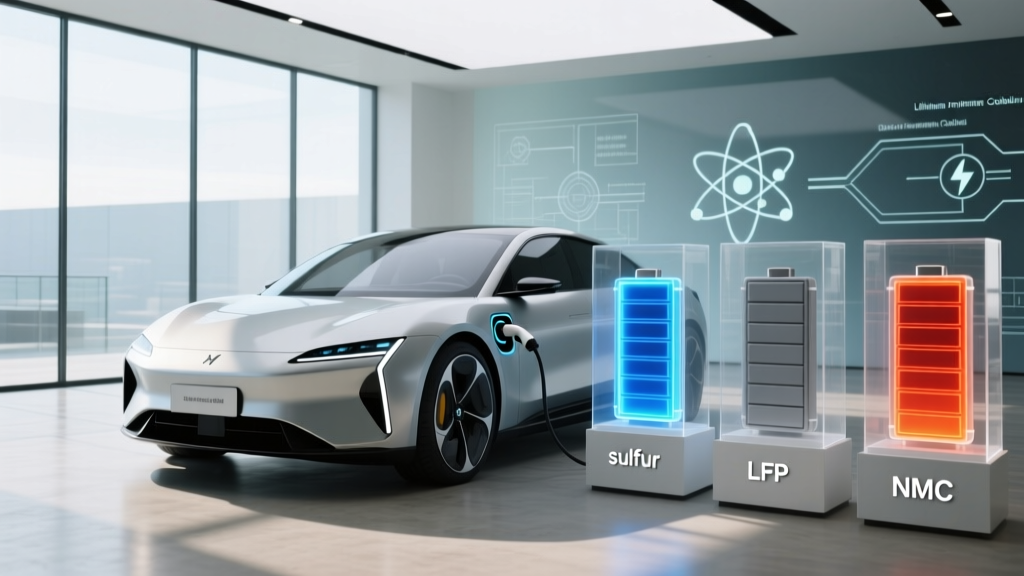
Prius Battery Chemistry: NiMH vs. Lithium-Ion Explained
The Prius has used two distinct battery chemistries across its history, and the choice directly affects longevity, range, and replacement cost:
- Nickel-Metal Hydride (NiMH): Used in most standard Prius HEV models from 2001 through 2025. Lower energy density but extremely durable — many NiMH packs exceed 200,000 miles with minimal capacity loss.
- Lithium-Ion (NMC/NCA): Used in the Prius Prime (PHEV) and some newer HEV trims. Higher energy density enables the Prime's 44-mile EPA electric-only range but is more sensitive to heat, fast-charging stress, and high state-of-charge storage.
Neither Prius variant uses LFP (lithium iron phosphate) chemistry as of the 2026 model year. LFP is increasingly common in full BEVs like the Tesla Model 3 RWD and Ford Mustang Mach-E Select due to its superior cycle life and lower cost, but Toyota has stuck with NMC for the Prime's relatively small pack to maximize range in a compact form factor.
| Attribute | NiMH (Prius HEV) | NMC Lithium-Ion (Prius Prime) | LFP (BEVs like Model 3 RWD) |
|---|---|---|---|
| Energy density | Low (~70 Wh/kg) | High (~220-260 Wh/kg) | Moderate (~160 Wh/kg) |
| Cycle life | Very high (2,000+) | Good (1,000–1,500) | Excellent (3,000+) |
| Cold-weather performance | Moderate loss | Noticeable loss (~20-30%) | Moderate loss |
| Typical degradation at 100k mi | ~5-10% | ~10-15% | ~5-8% |
| Cost per kWh (replacement) | Lower (mature supply) | Moderate | Lower than NMC |
| Thermal sensitivity | Low | Moderate-High | Low |
Real-World Degradation Data: What Prius Owners Actually See
Battery degradation is measured as a percentage of original capacity lost over time. For a Prius HEV, this shows up as slightly reduced fuel economy (the engine runs more often). For a Prius Prime, it means less electric-only range.
Typical Prius Battery Degradation Curve (aggregated owner and fleet data):
- Years 1–3 / 0–45,000 miles: 2–5% capacity loss. Barely perceptible in daily driving.
- Years 4–7 / 45,000–100,000 miles: 5–12% total loss. Prius Prime owners may notice 3–5 fewer miles of EV range.
- Years 8–12 / 100,000–160,000 miles: 12–20% total loss. HEV fuel economy may drop 2–4 MPG combined. Prime EV range may fall from 44 to ~35 miles.
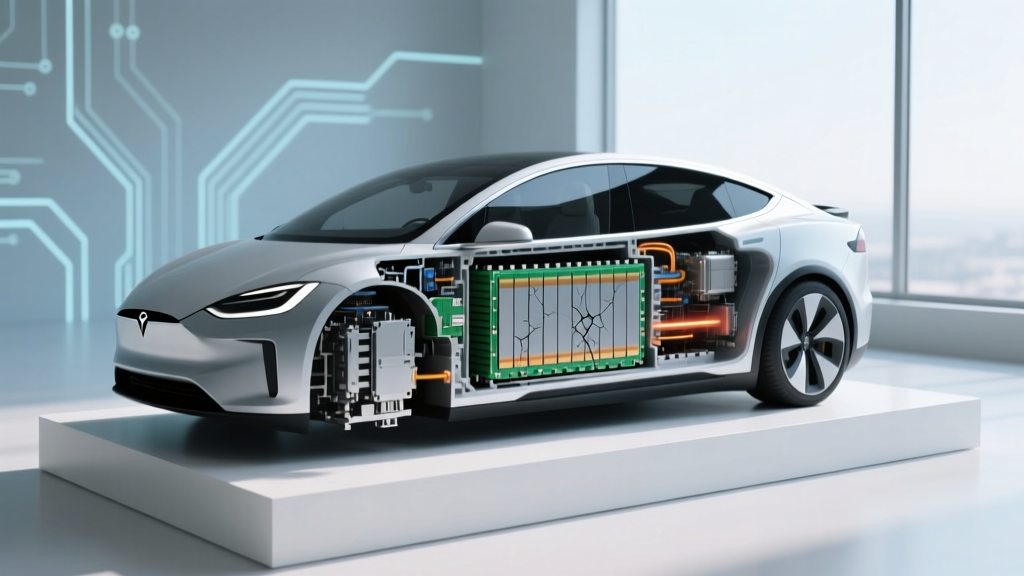
- Years 13+ / 160,000+ miles: 20–30%+ loss. Some packs fail individual cells, triggering check-engine warnings. Replacement or refurbishment becomes economically sensible.
Sources: fueleconomy.gov for EPA baselines; Consumer Reports owner surveys (2023–2025); iSeeCars longevity study (2024).
A critical nuance: the Prius HEV's hybrid system never deeply cycles the battery. Toyota's battery management system (BMS) keeps the NiMH pack between roughly 40% and 80% state of charge at all times. This shallow-cycling strategy is the single biggest reason Prius batteries outlast those in full EVs, which routinely cycle from 10% to 90%+.
The Prius Prime, by contrast, allows deeper discharge to deliver its 44-mile electric range. Its lithium-ion pack will degrade faster in percentage terms, though Toyota's thermal management and buffer zones still keep degradation well within warranty thresholds for most owners.
Toyota's Battery Warranty: What's Covered and for How Long
Toyota provides one of the strongest hybrid battery warranties in the industry. For the 2026 Prius and Prius Prime, the hybrid battery is covered under the Hybrid Battery Warranty: 10 years or 150,000 miles (whichever comes first) in all 50 states. This was extended from the previous 8-year/100,000-mile standard starting with 2020 model-year vehicles.
| Coverage Area | Term | Details |
|---|---|---|
| Hybrid Battery | 10 years / 150,000 miles | Defects and abnormal capacity loss. Applies in all 50 states (CARB states previously had 10yr/150k; now universal). |
| Hybrid System Components | 8 years / 100,000 miles | Inverter, transaxle, hybrid control module. |
| Basic (Bumper-to-Bumper) | 3 years / 36,000 miles | General vehicle defects. |
| Powertrain | 5 years / 60,000 miles | Engine, transmission (non-hybrid components). |
What "abnormal capacity loss" means: Toyota does not publish a specific capacity-retention threshold (unlike BEV makers that guarantee 70% over 8 years). In practice, warranty claims are approved when the battery can no longer support normal hybrid operation — typically when individual cell voltage imbalance triggers fault codes or when EV range on the Prime drops dramatically. If your Prius is within the warranty period and the battery fails, Toyota replaces it at no cost.
For reference, Toyota's official warranty guide details full terms. Always check your specific model year, as coverage changed for 2020+ vehicles.
Prius Battery Replacement Cost: What to Budget
If your Prius battery fails outside warranty, replacement costs vary significantly depending on the model, chemistry, and whether you choose new, refurbished, or individual cell repair:
| Option | Prius HEV (NiMH) | Prius Prime (Li-Ion) | Notes |
|---|---|---|---|
| New OEM battery (dealer) | $2,500 – $4,000 | $4,000 – $6,500 | Full pack replacement. Includes labor. |
| Refurbished / remanufactured | $1,000 – $2,000 | $2,500 – $4,000 | Reconditioned cells with new BMS. 1–3 year warranty typical. |
| Individual cell/module repair | $500 – $1,500 | $1,500 – $3,000 | Replace only failed modules. Requires specialist shop. |
| Used/salvage yard battery | $500 – $1,000 | $1,500 – $2,500 | High-risk option; remaining life unknown. |
When replacement is typically needed: Based on degradation curves and owner reports, most Prius HEV owners who keep their cars past 150,000 miles will face a battery decision between years 12 and 18. For the Prius Prime, the smaller lithium-ion pack may need attention sooner — around years 10 to 14 — if driven heavily in EV mode with frequent full charges.
The good news? A refurbished NiMH pack for a Gen 3 Prius (2010–2015) can be installed for under $1,500 at an independent hybrid specialist, extending the car's life by another 5–8 years. This makes the Prius one of the most economically rational vehicles to keep running long-term, even with a battery swap.
Factors That Shorten (or Extend) Prius Battery Life
Battery longevity isn't random — it's largely determined by how the pack is used and the environment it operates in. Here are the biggest factors, ranked by impact:
What Hurts Your Prius Battery
- Extreme heat exposure: Consistently parking in 100°F+ ambient temps accelerates chemical degradation. Arizona and Texas Prius batteries tend to age faster than those in cooler climates.
- Deep discharge cycles (Prime only): Regularly running the Prime's battery to near-zero before recharging stresses NMC cells. Try to plug in before the pack drops below 20%.
- High-mileage DC fast charging (Prime only): The Prius Prime supports Level 2 (up to 3.3 kW) but not DC fast charging, so this is less of a concern. However, frequent high-rate Level 2 charging in hot weather can add thermal stress.
- Long-term storage at high SoC: Leaving the Prime plugged in at 100% for weeks without driving accelerates degradation.
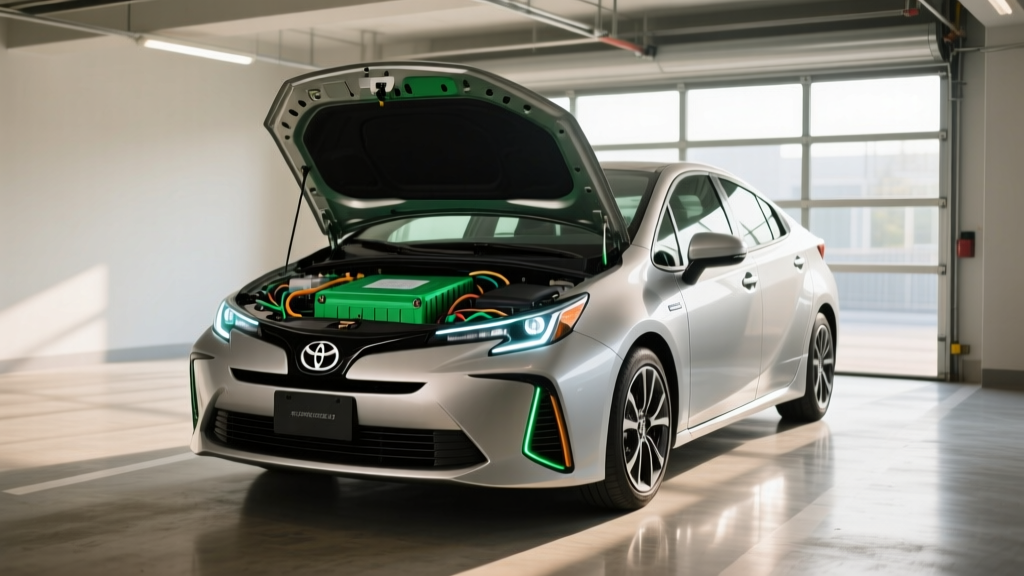
- Neglecting the cooling system: The Prius battery has its own cooling fan and ducts. A clogged cabin air filter or blocked battery vent (located near the rear seat) can cause overheating.
What Extends Your Prius Battery
- Moderate climates: Pacific Northwest and Northeast owners tend to see the longest battery life.
- Regular driving: Batteries that cycle regularly (even shallow cycles) outperform those that sit idle for weeks.
- Keeping the HEV system active: The Prius HEV's shallow-cycling BMS is the #1 reason these packs last 200k+ miles. No owner intervention needed.
- Charging the Prime to ~80% for daily use: Use the charge-limit setting in the Toyota app to avoid daily 100% fills unless you need full range.
- Replacing the cabin air filter on schedule: Ensures the battery cooling system operates properly.
How to Check Your Prius Battery Health (SoH)
Unlike full EVs from Tesla or Hyundai, Toyota does not provide a built-in "Battery Health" percentage in the Prius infotainment screen. Here's how owners can assess State of Health:
- OBD-II scan tool with hybrid-specific software: Apps like Dr. Prius (iOS/Android, ~$10) or Hybrid Assistant connect via a Bluetooth OBD-II dongle to read individual cell voltages, internal resistance, and estimated SoH. A healthy pack shows cell voltage variance under 0.2V under load.
- Dealer diagnostic: Toyota dealerships can run a hybrid battery health check during routine service. Ask specifically for the "Hybrid Battery System" report, which logs block voltage variance and insulation resistance.
- MPG tracking (HEV): If your Gen 4 Prius (EPA 54 MPG combined) is consistently delivering under 46 MPG in normal driving conditions with proper tire pressure, the battery may be losing capacity.
- EV range tracking (Prime): The 2026 Prius Prime has a 44-mile EPA EV range. If your real-world range drops below 32 miles in moderate weather, degradation is likely exceeding 20%.
For a definitive assessment, an independent hybrid shop can perform a load test that measures actual amp-hour capacity versus the original spec. This typically costs $75–$150 and is worth doing before purchasing a used Prius with over 100,000 miles.
What About the 12V Battery? Don't Confuse the Two
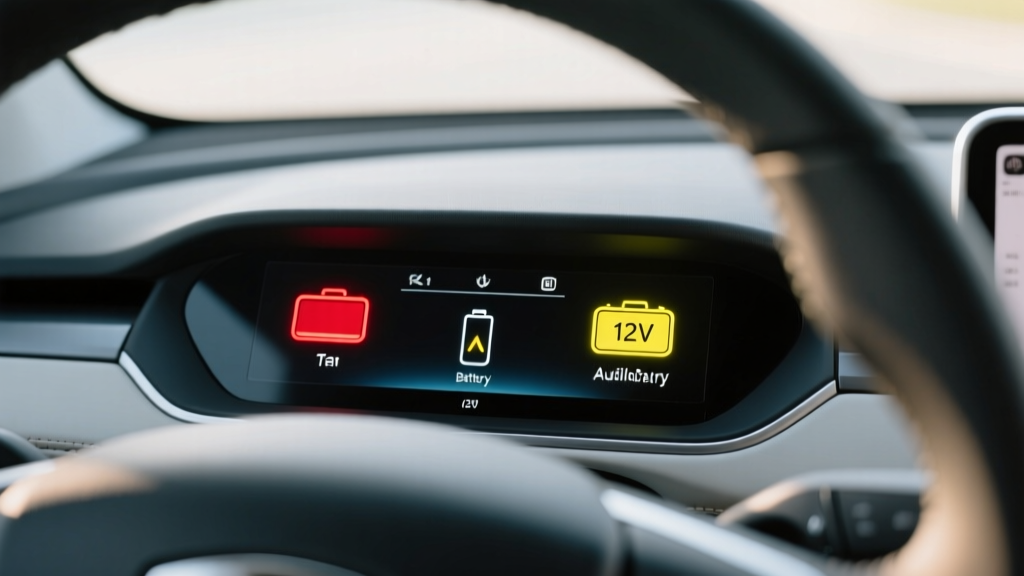
A common point of confusion: the Prius has two batteries. The high-voltage traction battery (discussed throughout this article) powers the hybrid system. A separate 12V auxiliary battery powers the electronics, lights, and computers. The 12V battery is a standard AGM or lithium unit that typically lasts 4–6 years and costs $150–$300 to replace.
If your Prius won't start or shows a "Check Hybrid System" warning, the 12V battery is often the culprit — not the traction battery. Always test the 12V first before assuming a costly hybrid battery failure. Many "dead Prius" stories on forums trace back to a failed $200 auxiliary battery.
Emerging Battery Tech: What's on the Horizon for Future Prius Models
Toyota has announced a roadmap for solid-state batteries targeting commercialization in the 2027–2028 timeframe, initially for BEV applications. If this timeline holds (and Toyota has a history of cautious timelines), future Prius generations could benefit from:
- Solid-state batteries: Promise 2x energy density, faster charging, and dramatically longer cycle life. Realistic availability in a Prius: 2029+ model year at the earliest.
- Bipolar NiMH (current Gen 5): The 2023–2026 Prius HEV already uses Toyota's bipolar NiMH design, which improves output and efficiency over older packs while maintaining NiMH's legendary durability.
- Silicon-anode lithium-ion: Startups like Sila Nanotechnologies are working on anodes that boost energy density 20–40%. Possible in Prius Prime variants by 2028–2030.
Important caveat: These technologies are announced and in development — not available in any current Prius model. Toyota's conservative approach to battery tech means the current NiMH and NMC packs are proven, well-understood, and supported by an extensive repair network. For buyers today, the existing technology offers exceptional longevity with predictable replacement costs.
Frequently Asked Questions
How long does the battery in a Prius last on average?
Most Prius HEV batteries last 150,000 to 200,000 miles (12–15 years) before significant degradation. Many original batteries in early-generation models have exceeded 250,000 miles. The Prius Prime's lithium-ion pack typically lasts 120,000–180,000 miles before EV range loss becomes noticeable.
How much does it cost to replace a Prius battery?
A new OEM battery costs $2,500–$4,000 for the HEV and $4,000–$6,500 for the Prime. Refurbished packs run $1,000–$2,000 (HEV) or $2,500–$4,000 (Prime). Individual cell repair is possible for $500–$1,500 at specialist shops.
Does the Prius battery warranty cover degradation?
Yes. Toyota's hybrid battery warranty covers 10 years/150,000 miles for defects and abnormal capacity loss. If the battery fails or degrades to the point of impaired operation within that period, Toyota replaces it free of charge.
Can I drive a Prius with a degraded battery?
Yes. A degraded Prius battery doesn't leave you stranded — the car simply relies more on the gasoline engine, reducing fuel economy. You can drive indefinitely with a degraded pack, though you'll pay more at the pump. Only a complete cell failure (which triggers a check-engine light) requires immediate attention.
Is it worth replacing the battery on an older Prius?
Often yes. A $1,500 refurbished battery in a well-maintained Gen 3 or Gen 4 Prius can add 5–8 more years of service. Given the Prius's low running costs and reliability, this is frequently more economical than buying a new vehicle.
Does fast charging damage the Prius Prime battery?
The Prius Prime does not support DC fast charging. It charges at up to 3.3 kW on Level 2, which is a gentle rate that minimizes battery stress. This is one reason the Prime's pack degrades slowly despite being lithium-ion.
How do I maximize my Prius battery lifespan?
For the HEV: just drive normally — Toyota's BMS handles the rest. For the Prime: avoid daily 100% charges (use the 80% limit setting), don't let the pack sit at 0% for extended periods, keep the battery cooling vent unobstructed, and replace the cabin air filter on schedule.