The Real Story Behind Prius Battery Lifespan
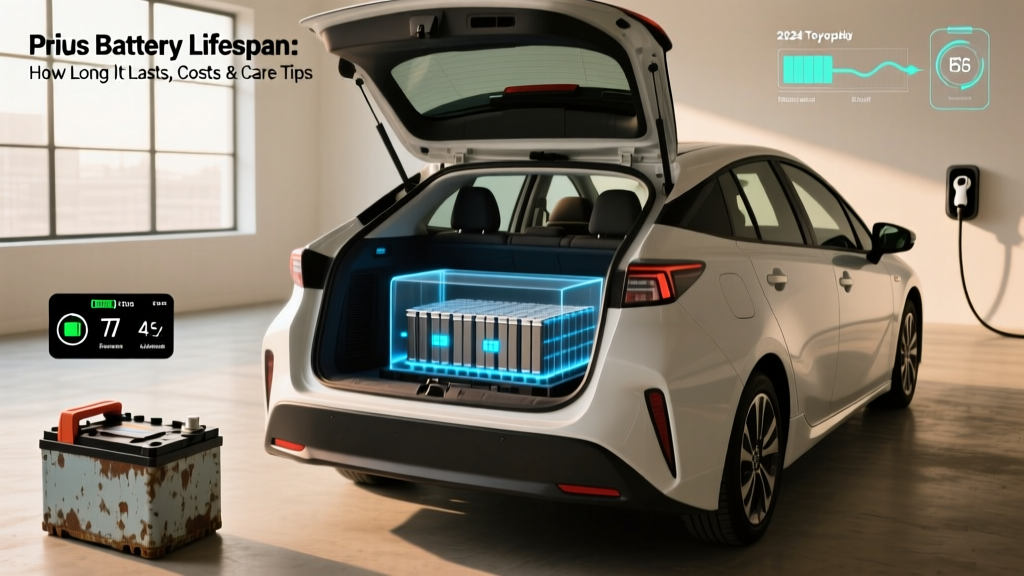
Search forums long enough and you will find plenty of anxiety about hybrid battery failure. The Toyota Prius, now in its fifth generation for the 2023–2026 model years, has accumulated more than two decades of real-world battery data. The short answer to "how long does a Prius battery last?" is reassuring: most original traction batteries outlive 150,000 miles and many exceed 200,000 miles before capacity loss becomes noticeable enough to warrant replacement.
But lifespan is not a single number. It depends on which generation you own, whether your pack uses nickel-metal hydride (NiMH) or lithium-ion chemistry, your climate, and your driving and charging habits. This guide covers the data, the costs, and the practical steps you can take to maximize your Prius battery's useful life.
Prius Battery Chemistry: NiMH vs. Lithium-Ion
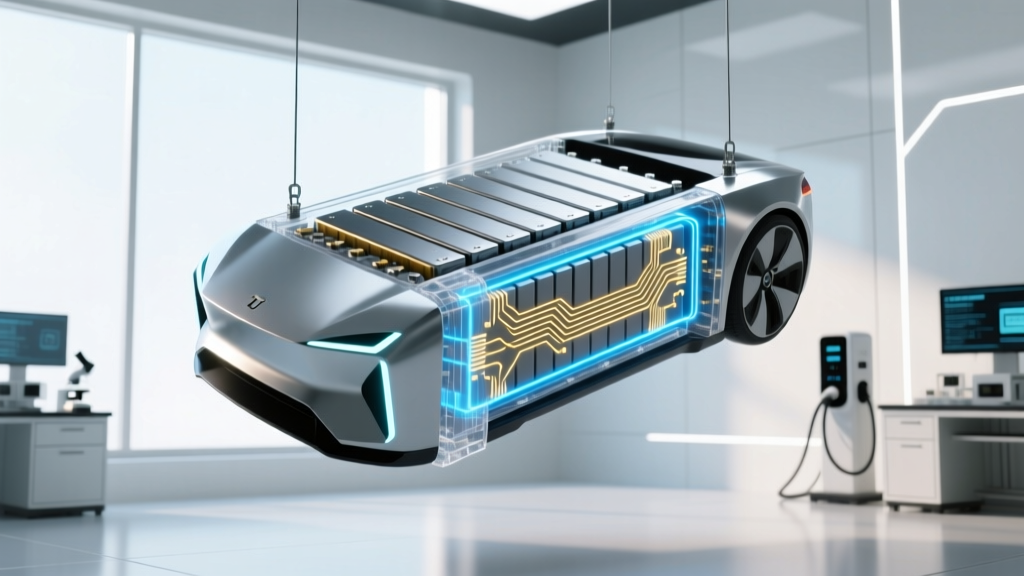
Toyota has used two distinct traction battery chemistries across Prius generations, and understanding the difference matters for longevity expectations.
Nickel-Metal Hydride (NiMH): Used in the first three Prius generations (2001–2015) and still found in some base trims of the fourth generation. NiMH packs are heavier and have lower energy density than lithium-ion, but they are remarkably tolerant of temperature extremes and deep cycling. Their failure mode is gradual: individual cells weaken over time, creating voltage imbalance across the module stack.
Lithium-Ion (Li-ion): Introduced in the Prius v and certain fourth-generation trims, lithium-ion became the standard for the fifth-generation Prius (2023–present). These packs are lighter, more energy-dense, and paired with more sophisticated thermal management. They degrade more predictably but are more sensitive to sustained high state-of-charge and extreme heat.
The 2026 Prius and Prius Prime use a lithium-ion traction battery. The standard Prius carries a 13.6 kWh (gross) pack, while the Prius Prime plug-in hybrid uses a larger 13.6 kWh usable pack delivering up to 44 miles of EPA-rated electric-only range.
| Attribute | NiMH (Gen 1–3, some Gen 4) | Li-Ion (Gen 4–5, Prime) |
|---|---|---|
| Energy Density | Lower (~60–80 Wh/kg) | Higher (~150–200 Wh/kg) |
| Cycle Life | 500–1,000 full cycles before 20% loss | 1,500–3,000+ full cycles before 20% loss |
| Cold Performance | Tolerant; minor power reduction | More sensitive; regen limited when cold |
| Heat Sensitivity | Moderate | Higher; sustained heat accelerates degradation |
| Weight | Heavier (~39–53 kg) | Lighter (~24–30 kg) |
| Typical Cost (Replacement) | $1,500–$2,800 | $2,500–$4,500 |
| Self-Discharge Rate | Higher (~1–2% per day) | Lower (~0.5% per day) |
How Long Do Prius Batteries Actually Last? Degradation Data
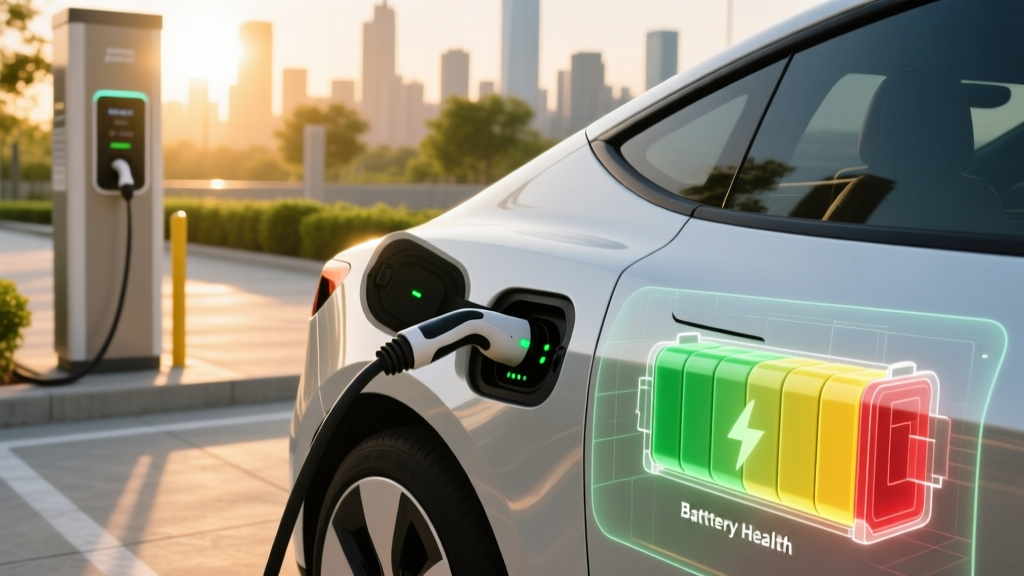
Toyota engineers the Prius battery management system (BMS) to keep the pack in a narrow state-of-charge window—typically between 40% and 80%—even though the dashboard may show a fuller gauge. This "buffer" strategy is the single biggest reason Prius batteries last so long: the cells never experience the stress of full 0% or 100% states.
Real-world data from fleet operators, owner surveys, and independent testing tells a consistent story:
| Milestone | Typical Capacity Retention | Notes |
|---|---|---|
| 50,000 miles / 5 years | 95–98% | Minimal measurable loss |
| 100,000 miles / 10 years | 88–94% | Noticeable only via OBD-II scan; no drivability change |
| 150,000 miles / 15 years | 80–90% | Some owners report reduced EV-only range on Prime models |
| 200,000+ miles | 70–85% | Wider variance; some packs still functional, others need module replacement |
Taxi fleets in warm climates have documented Prius packs reaching 300,000 miles before replacement. Conversely, the earliest failures tend to occur in hot climates (Arizona, Texas) where cabin and battery cooling systems are taxed, or in vehicles left sitting at high state-of-charge for extended periods.
For the Prius Prime (PHEV), the larger battery undergoes deeper daily cycles when owners commute on electric-only power. Even so, the BMS buffering and Toyota's conservative charge limits keep degradation in line with the data above. According to fueleconomy.gov, the 2026 Prius Prime achieves 44 miles of electric range and 52 MPG combined in hybrid mode—figures that hold steady for the first several years of ownership.
Toyota's Hybrid Battery Warranty: What Is Covered
Toyota's warranty on the Prius traction battery has evolved. For 2020 and newer model years, Toyota extended the hybrid battery warranty to 10 years or 150,000 miles (whichever comes first) from the original date of first use. Prior to 2020, the warranty was 8 years or 100,000 miles (10 years/150,000 miles in California Air Resources Board states).
| Coverage Item | 2020+ Model Years | Pre-2020 (non-CARB states) |
|---|---|---|
| Duration | 10 years / 150,000 miles | 8 years / 100,000 miles |
| Capacity Threshold | Defect in materials/workmanship; significant capacity loss impairing function | Same |
| Transferable? | Yes, to subsequent owners | Yes |
| What Triggers a Claim | Battery failure, cell imbalance causing warning lights, inability to hold charge | Same |
| Exclusions | Damage from accidents, floods, improper modifications | Same |
Toyota does not publish a specific capacity-retention percentage (like the 70% threshold common among BEV manufacturers). Instead, the warranty covers defects and failures that cause the hybrid system warning light or impair vehicle operation. In practice, Toyota dealers will test the pack and replace it if it fails diagnostics.
For the 2026 Prius and Prius Prime, the 10-year/150,000-mile warranty applies nationwide. Details can be verified through Toyota's official warranty guide.
Prius Battery Replacement Cost: What to Budget
If your Prius battery fails outside warranty, the replacement cost depends on whether you choose a new OEM pack, a refurbished unit, or individual module replacement.
| Option | Parts Cost | Labor | Total Range | Typical Warranty |
|---|---|---|---|---|
| New OEM (Toyota dealer) | $2,500–$4,000 | $500–$1,000 | $3,000–$5,000 | 1 yr / 12,000 mi (parts warranty varies) |
| Refurbished / Reconditioned | $1,200–$2,200 | $400–$800 | $1,600–$3,000 | 1–3 years (shop-dependent) |
| Individual Module Replacement | $30–$80 per module (6–28 modules) | $400–$800 | $800–$2,500 | Varies; often 6–12 months |
| Aftermarket New (third-party) | $1,800–$3,000 | $500–$800 | $2,300–$3,800 | 2–3 years typical |
The good news: most Prius owners never pay for a battery replacement. The pack typically outlasts the vehicle's economic life or is covered under warranty. When replacement is needed, it is usually at 150,000+ miles, by which point the vehicle has already delivered hundreds of thousands of dollars in fuel savings relative to a conventional car.
For Prius Prime owners, the larger lithium-ion pack may cost more to replace (closer to the $4,000–$5,500 range for OEM), but the deeper cycle life of lithium chemistry and the BMS buffering make out-of-warranty failures uncommon based on current data.
Factors That Shorten or Extend Prius Battery Life
Battery degradation is not random. Specific behaviors and environmental conditions have measurable impacts on how long your Prius pack will serve you.
What Hurts Battery Longevity
- Sustained high temperatures: Ambient heat above 95°F combined with stop-and-go driving stresses NiMH and Li-ion cells. Ensure the battery cooling fan intake (located near the rear seat on most Prius models) is not blocked by cargo or seat covers.
- Extended storage at high or low state-of-charge: Leaving a Prius (especially the Prime) plugged in at 100% for weeks accelerates lithium-ion calendar aging. If storing for more than two weeks, aim for roughly 50–60% charge.
- Frequent DC fast charging (Prime only): The Prius Prime supports Level 2 AC charging but not DC fast charging, so this is less of a concern than with full BEVs. Still, repeated rapid Level 2 charges in extreme heat add thermal stress.
- Ignoring cooling system maintenance: The hybrid battery has its own cooling fan and duct. Dust and debris accumulation reduces airflow, raising cell temperatures. Clean the filter/vent every 30,000–50,000 miles.
- Aggressive driving in extreme cold: Demanding maximum regen and acceleration when the pack is below operating temperature increases internal resistance and mechanical stress on cells.
What Extends Battery Longevity
- Regular driving: The Prius BMS works best when the pack cycles regularly. Daily driving keeps cells balanced and prevents calendar-aging acceleration from prolonged idle states.
- Moderate climates or garage parking: Keeping the vehicle out of direct sun and extreme cold reduces thermal cycling stress.
- Following Toyota's maintenance schedule: Hybrid system inspections at recommended intervals catch cooling fan issues, inverter coolant degradation, and cell imbalance early.
- Not modifying the hybrid system: Aftermarket performance tuners that override BMS charge limits can void your warranty and accelerate degradation.
How to Check Your Prius Battery Health
Unlike full BEVs that often display a State of Health (SoH) percentage in the infotainment system, the Prius does not show a consumer-facing battery health metric on the dashboard. Here is how you can monitor it:
OBD-II Scanner with Hybrid-Specific App: Tools like the OBDLink SX or MX paired with apps such as Dr. Prius, Torque Pro, or Hybrid Assistant can read the battery's internal resistance, individual module voltages, and estimated capacity. The "Life Expectancy Test" in Dr. Prius, for example, runs a controlled discharge/recharge cycle and gives a health percentage estimate. A reading above 80% at 100,000+ miles is typical and healthy.
Dealer Diagnostic: Toyota dealers can run a hybrid battery health check using the Techstream diagnostic tool. This is often included during major service intervals or can be requested for a fee ($50–$120 depending on the dealer).
Observe Driving Behavior: If your Prius Prime's electric-only range has dropped from 44 miles to 35 miles over several years, that indicates roughly 20% degradation—a normal trajectory. If the internal combustion engine is engaging more frequently at low speeds or you see the hybrid system warning light, have the pack tested immediately.
Voltage Spread Check: Using an OBD-II reader, check the voltage difference between the highest and lowest modules. A spread of less than 0.2V at rest is healthy. A spread exceeding 0.3–0.5V suggests cell imbalance that may benefit from a reconditioning cycle or module-level repair.
Looking Ahead: Solid-State and Next-Gen Battery Tech
Toyota has been vocal about its solid-state battery roadmap, announcing partnerships and pilot production lines aimed at commercialization. Solid-state batteries promise higher energy density (potentially 500+ Wh/kg at the cell level), faster charging, and reduced fire risk compared to current lithium-ion.
However, it is critical to separate announcements from availability:
- 2027–2028 (announced): Toyota targets limited production of solid-state batteries in select BEV models, likely starting with premium Lexus vehicles. These are expected to be low-volume and expensive.
- 2030+ (estimated): Broader deployment across the Toyota lineup, potentially including hybrid and PHEV applications like the Prius, is projected but not confirmed.
- Silicon anode technology: Companies like Sila Nanotechnologies and Group14 are supplying silicon-dominant anode materials that boost energy density by 20–40% in existing lithium-ion form factors. These may appear in Toyota supply chains before full solid-state packs.
For current Prius buyers and owners, these developments are forward-looking context, not purchase factors. Today's lithium-ion packs in the fifth-generation Prius are already highly optimized, and the 10-year/150,000-mile warranty provides substantial protection.
Frequently Asked Questions
How long do Prius batteries last in years and miles?
Based on two decades of fleet and owner data, most Prius traction batteries last 150,000–200,000 miles and 12–15 years before degradation becomes functionally significant. Many exceed these figures, particularly in moderate climates with regular driving patterns. The Toyota BMS buffer (keeping the pack between roughly 40–80% SoC) is the primary reason for this longevity.
How much does it cost to replace a Prius battery?
A new OEM battery from a Toyota dealer typically costs $3,000–$5,000 installed. Refurbished packs run $1,600–$3,000, and individual module replacement can be as low as $800–$2,500. Most owners never pay out-of-pocket because the battery fails within the 10-year/150,000-mile warranty or outlasts the car entirely.
What does the Toyota Prius battery warranty cover?
For 2020 and newer models, Toyota covers the hybrid battery for 10 years or 150,000 miles against defects in materials and workmanship, including capacity loss that impairs vehicle function. The warranty is transferable to subsequent owners. It does not cover damage from accidents, flooding, or unauthorized modifications.
Can I check my Prius battery health myself?
Yes. Using an OBD-II scanner ($30–$80) with a hybrid-compatible app like Dr. Prius or Hybrid Assistant, you can read module voltages, internal resistance, and run a capacity test. Alternatively, a Toyota dealer can perform a Techstream diagnostic for $50–$120. Watch for electric-only range decline (on Prime models) or increased engine engagement as real-world indicators.
Is NiMH or lithium-ion better for Prius battery lifespan?
Both chemistries can exceed 150,000 miles with proper care. NiMH is more tolerant of temperature extremes but heavier and lower in energy density. Lithium-ion offers more cycle life, lighter weight, and better efficiency, which is why Toyota transitioned to it for the fifth-generation Prius and Prius Prime. For a new 2026 Prius buyer, the lithium-ion pack is the only option and the better choice by most metrics.
Does the 12V battery affect the hybrid battery?
No. The 12V auxiliary battery powers the vehicle's electronics, lights, and computers. It is a separate, conventional lead-acid or lithium 12V unit that typically needs replacement every 4–6 years. The high-voltage traction battery (13.6 kWh in the 2026 Prius) is an entirely separate system that powers the electric motor and hybrid drivetrain. Confusing these two is a common mistake—the 12V battery is a $150–$300 maintenance item, while the traction battery is a major powertrain component.
Will a Prius Prime battery degrade faster because I charge it daily?
Daily charging itself does not accelerate degradation because the Prius Prime's BMS maintains a charge buffer, preventing the cells from reaching true 100% or 0%. In fact, regular cycling is better for lithium-ion health than prolonged storage. The bigger risk factors are extreme heat, sustained storage at maximum charge, and neglecting the battery cooling system. Expect the Prime's 44-mile EV range to gradually decline to roughly 35–38 miles over 100,000 miles—a normal and manageable trajectory.