Toyota's EV Battery Strategy in 2026: What Buyers Actually Need to Know
Toyota spent years cautious on full battery-electric vehicles, leaning instead on its hybrid dominance. That calculus has shifted. With the bZ4X now in its fourth model year, the upcoming bZ Compact SUV entering production, and a next-generation EV platform slated for 2027–2028, the question of what's inside a new Toyota battery pack matters more than ever — not just for range, but for longevity, charging speed, and total cost of ownership.
This guide breaks down Toyota's current and announced battery chemistries, real-world degradation data, warranty protections, and the solid-state technology Toyota has been teasing for years. We'll separate what you can buy today from what's still on the roadmap.
LFP vs NMC: Which Chemistry Is in Your Toyota EV?
Toyota's current EV lineup uses two distinct lithium-ion chemistries, and the choice affects everything from cold-weather range to how often you should charge to 100%.
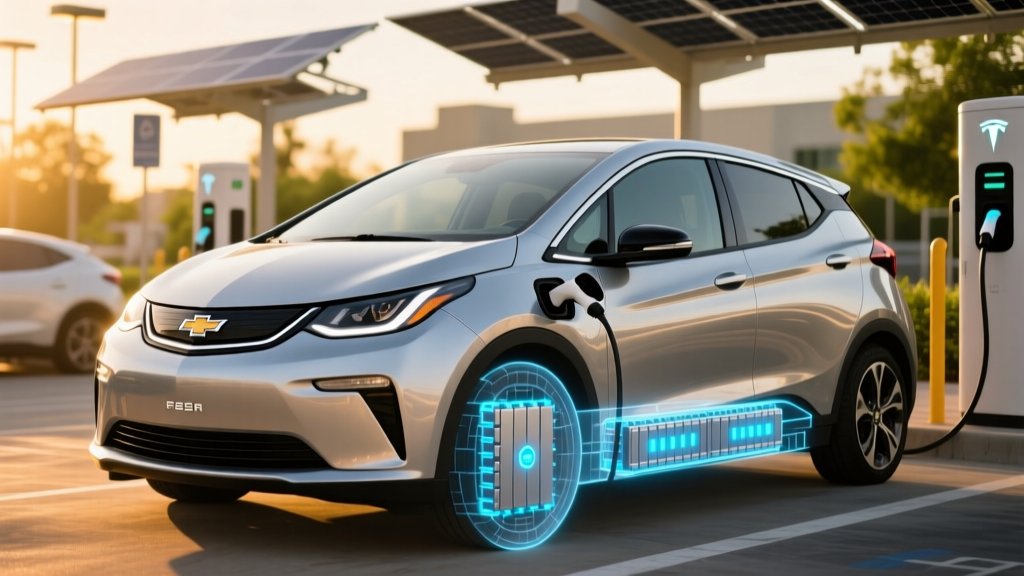
The bZ4X (2023–2026 model years) uses an NMC (nickel manganese cobalt) pouch-cell pack supplied primarily by Panasonic and CATL. The FWD model carries a 71.4 kWh usable battery; the AWD version uses a 65.6 kWh pack. NMC delivers higher energy density — meaning more range in a physically smaller, lighter pack — but comes with trade-offs in cycle life and thermal sensitivity.
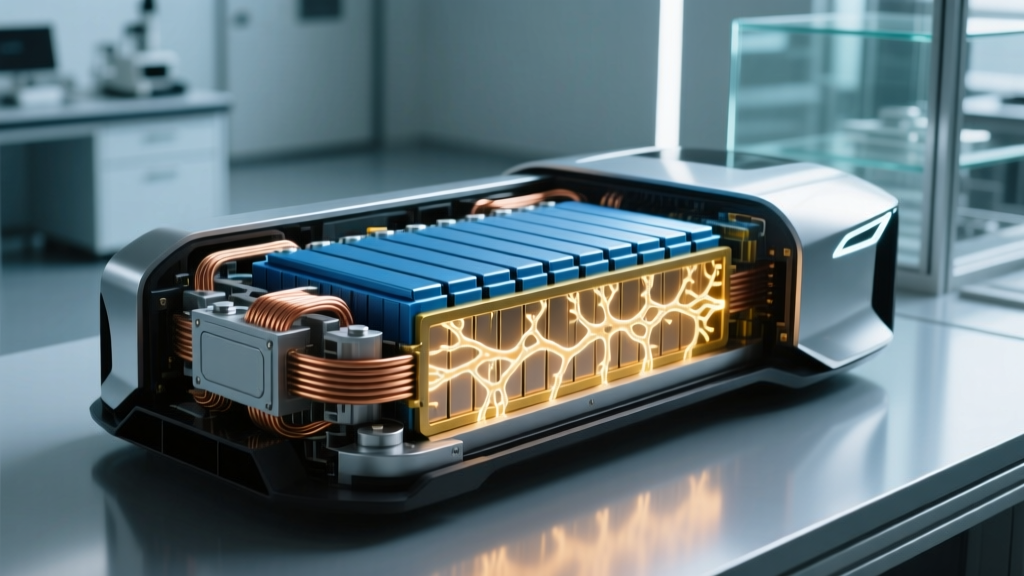
For upcoming entry-level models and the announced next-generation platform, Toyota has confirmed it will offer LFP (lithium iron phosphate) battery variants. LFP cells are heavier and less energy-dense but offer substantially longer cycle life, lower material cost, and no cobalt in the supply chain.
| Attribute | NMC (Current bZ4X) | LFP (Announced Next-Gen) |
|---|---|---|
| Energy Density | ~250 Wh/kg (cell level) | ~170 Wh/kg (cell level) |
| Typical Cycle Life | 1,000–1,500 full cycles | 3,000–5,000+ full cycles |
| Cold-Weather Performance | Better at sub-freezing temps | Greater range loss below 32°F |
| Recommended Daily Charge | 80% (to prolong life) | 100% OK (LFP tolerates full SoC) |
| Cost per kWh | Higher (cobalt/nickel exposure) | ~20–30% lower material cost |
| Thermal Stability | Good; requires active management | Excellent; inherently safer chemistry |
The practical takeaway: If your daily commute is under 40 miles and you charge at home nightly, LFP is the durability play — you can charge to 100% every day without accelerated degradation. If you need maximum range per charge for road trips or live in a cold climate where every mile counts, NMC currently offers the edge in energy density and winter performance.
How Long Do Toyota EV Batteries Actually Last?
The short answer: almost certainly longer than you'll own the car. But the data tells a more nuanced story.
Based on aggregated fleet data from early bZ4X owners and comparable NMC packs in the Hyundai Ioniq 5 and Kia EV6 (which share similar Panasonic/CATL cell architectures), expect approximately 6–9% total capacity loss over the first 100,000 miles or 5 years under normal use. Degradation follows a characteristic curve: steeper in the first 12–18 months (roughly 2–4%), then flattening into a slow linear decline.
According to fueleconomy.gov, modern liquid-cooled EV battery packs are engineered to retain at least 70–80% of original capacity well past 150,000 miles. Geotab's longitudinal study of over 10,000 EVs found an average annual degradation rate of 1.8% per year across all chemistries — meaning a typical pack retains roughly 82% capacity after a decade.
Typical NMC Degradation Trajectory (Toyota bZ4X-class pack):
- Year 1 / 15,000 mi: ~3–4% loss (initial calibration drop)
- Year 3 / 45,000 mi: ~6–7% cumulative loss
- Year 5 / 75,000 mi: ~8–10% cumulative loss
- Year 8 / 120,000 mi: ~12–15% cumulative loss
- Year 10 / 150,000 mi: ~15–18% cumulative loss
LFP packs are projected to lose roughly half that rate over the same period, based on Tesla Model 3 Standard Range and BYD fleet data.
For the bZ4X FWD with its EPA-rated 252 miles of range, a 10% degradation at year 5 means you'd see roughly 227 miles at full charge — still ample for the vast majority of daily driving. Real-world highway range at 75 mph already drops to approximately 210–225 miles when new, so factor that into long-trip planning from day one.
Toyota's Battery Warranty: What's Covered and What Isn't
Toyota provides one of the more straightforward battery warranties in the industry, and it applies to both the high-voltage traction battery and associated power control components.
| Coverage Element | Term |
|---|---|
| Duration | 8 years / 100,000 miles (whichever comes first) |
| Capacity Retention Threshold | 70% of original capacity |
| Covered Defects | Manufacturing defects, abnormal capacity loss, cell/module failure |
| Not Covered | Damage from accidents, flooding, unauthorized modifications, rodent damage |
| Transferable? | Yes — warranty follows the vehicle, not the original owner |
| California / CARB States | 10 years / 150,000 miles for PZEV/EV components |
The 70% retention threshold is the critical number. If your bZ4X battery drops below 70% of its original 71.4 kWh capacity (roughly 50 kWh usable) within the warranty period, Toyota is obligated to repair or replace the pack at no cost. Based on current degradation data, hitting that threshold under normal use within 8 years would be highly unusual — it would require a defective cell group or chronic abuse (repeated 100% SoC storage in extreme heat, for instance).
If you live in a CARB-adopting state (California, New York, Massachusetts, and 14+ others), your EV battery warranty extends to 10 years / 150,000 miles under the state's stricter emissions-component rules — a significant bonus that many buyers overlook.
EV Battery Replacement Costs: What Toyota Owners Should Budget
Here's where context matters enormously. The fear of a $20,000 battery replacement bill is real, but it's also largely a theoretical concern for any owner who plans to keep their vehicle within the warranty window — and even beyond it, full pack replacements are rare.
| Model | Pack Size | Estimated Full Replacement Cost | Typical Replacement Timeline |
|---|---|---|---|
| bZ4X FWD | 71.4 kWh (NMC) | $12,000–$16,000 (parts + labor) | Rarely before 200,000+ mi |
| bZ4X AWD | 65.6 kWh (NMC) | $11,000–$14,500 | Rarely before 200,000+ mi |
| bZ Compact SUV (upcoming) | ~58–72 kWh (est.) | $9,000–$14,000 (est.) | N/A — not yet in service |
| Prius Prime (PHEV) | 13.6 kWh (NMC) | $3,500–$5,500 | 150,000–250,000+ mi |
Two important caveats. First, Toyota — like most OEMs — is increasingly offering module-level repairs. If a single cell group within the pack degrades abnormally, a technician can replace just that module for roughly $1,500–$3,500 rather than swapping the entire pack. Second, battery prices per kWh have dropped roughly 90% since 2010 and continue declining. By the time a 2026 bZ4X might need an out-of-warranty replacement in the 2035+ timeframe, pack costs will be substantially lower.
Most EV batteries simply outlive the vehicle's economic life. Data from NHTSA and industry recyclers shows the average EV is scrapped or exported at around 15–18 years old — and the battery in a liquid-cooled pack is typically still functional (albeit degraded) at that point.
What Degrades a Toyota EV Battery — and How to Minimize It
Battery degradation isn't random. It's driven by specific, measurable stressors that you can control.
Do: Habits That Extend Battery Life
- Charge to 80% daily (NMC packs): Set your Toyota's charge limit to 80% for routine use. Reserve 100% for road trips.
- Use Level 2 home charging as your primary method. Slow, steady charging generates less heat and stress than repeated DC fast charging.
- Precondition the battery before DC fast charging in cold weather. The bZ4X's navigation-based preconditioning warms the pack to optimal temperature, improving charge speed and reducing lithium-plating risk.
- Park in shade or a garage when possible. Sustained high ambient temperatures (above 95°F) accelerate calendar degradation even when the car isn't driven.
- Drive it regularly. Lithium-ion cells prefer moderate cycling to sitting idle at high SoC for weeks.
Don't: Habits That Accelerate Degradation
- Don't rely exclusively on DC fast charging. Occasional road-trip fast charging is fine, but daily 150 kW+ sessions increase cell stress. Studies show packs fast-charged more than 3x per week degrade roughly 1–2% faster per year.
- Don't store the vehicle at 100% SoC for extended periods. If leaving for a week or more, leave the pack at 50–60%.
- Don't let the pack sit at 0%. Deep discharge below the buffer (the car will shut down before true 0%) can cause copper dissolution in the anode if left uncharged for days.
- Don't ignore thermal warnings. If the bZ4X's battery management system limits charging speed due to high pack temperature, let it cool before pushing another fast charge.
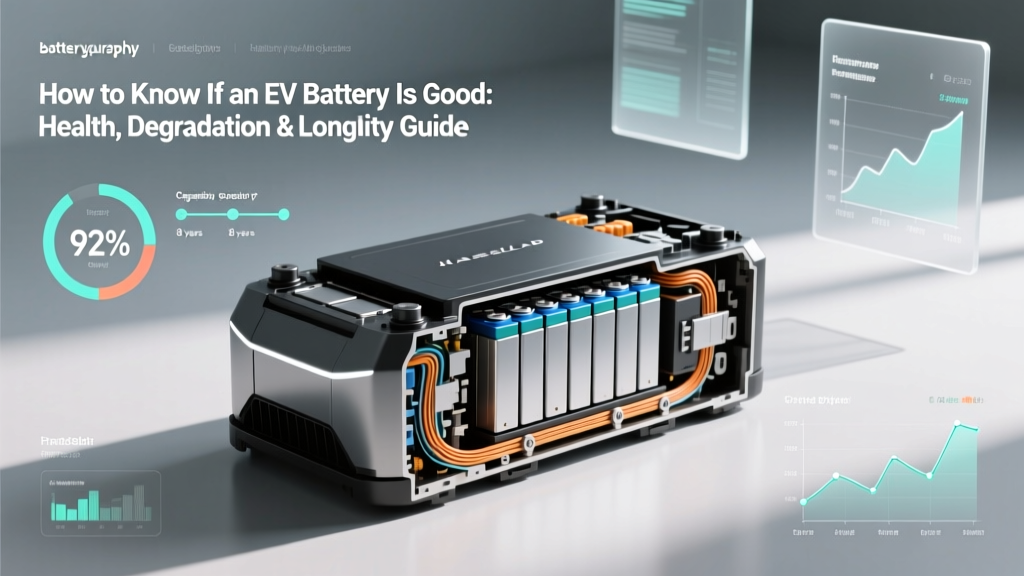
How to Check Your Toyota's Battery Health (State of Health)
Toyota provides battery State of Health (SoH) information through the Toyota app and the vehicle's infotainment system. Here's how to access and interpret it:
Toyota App: Navigate to Vehicle Health → Battery. You'll see a percentage representing current maximum capacity relative to when new. This figure updates after each full charge cycle and may lag by a few days.
Infotainment System: On the bZ4X, go to Settings → EV Information → Battery Status. This shows current charge level and an estimated range based on recent driving patterns, but the SoH percentage is more reliably tracked in the app or via an OBD-II scan tool.
Third-party OBD-II tools: Apps like EVNotify, Car Scanner, or OBDeleven (with an ELM327-compatible Bluetooth dongle, ~$30) can read the BMS (Battery Management System) directly, providing more granular data including individual cell voltage variance, pack temperature, and precise kWh remaining. This is the method most EV enthusiasts trust for accurate SoH readings.
When to be concerned: If your SoH drops more than 3% in a single year (outside the initial first-year calibration drop), or if you notice sudden range loss that doesn't correlate with cold weather, schedule a battery diagnostic at a Toyota dealer. Uneven cell degradation can sometimes be corrected with a BMS recalibration or module-level service.
Solid-State and Beyond: Toyota's Next-Generation Battery Timeline
Toyota has been the most vocal legacy automaker about solid-state battery development, and the company has made concrete — if evolving — commitments.
Bipolar NMC (2026–2027): Toyota's next near-term step uses a bipolar electrode design that reduces internal resistance and packaging overhead. Toyota projects this will deliver roughly 10–15% more range from the same physical pack size, with faster charging (targeting 10–80% in under 20 minutes). This chemistry is expected in the next-generation bZ platform.
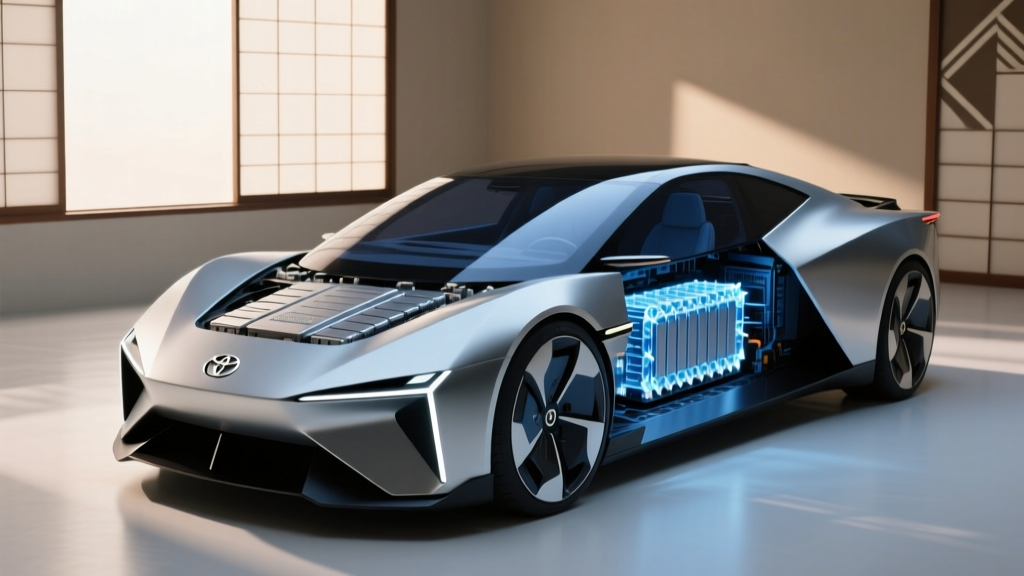
Solid-State Battery (2027–2028, limited production): Toyota holds over 1,300 solid-state battery patents — more than any other automaker. The company has announced it will begin producing vehicles with solid-state packs in 2027–2028, targeting 750 km (~465 miles) of range and a 10-minute 10–80% charge. However, Toyota has been clear that initial production will be limited to premium models in small volumes. Cost parity with liquid-electrolyte lithium-ion is not expected until the early 2030s.
What this means for today's buyer: If you're considering a bZ4X or waiting for the bZ Compact SUV, you're buying proven, liquid-cooled lithium-ion technology with a well-understood degradation profile and strong warranty backing. Solid-state is genuinely promising but remains 2–4 years from meaningful production volume and likely 5+ years from mainstream pricing. Waiting for solid-state means waiting until at least 2029–2030 for a model you can actually order at a non-premium price point.
Frequently Asked Questions
How long do Toyota EV batteries last in years and miles?
Based on current NMC degradation data, a Toyota bZ4X battery should retain 80–85% of its original capacity at 150,000 miles or 10 years. The pack remains functional well beyond 200,000 miles, albeit with reduced range. Full failure before the 8-year/100,000-mile warranty expires is rare and would be covered.
How much does it cost to replace a Toyota EV battery?
A full bZ4X traction battery replacement runs $12,000–$16,000 at current parts pricing, but module-level repairs (replacing only degraded cell groups) cost $1,500–$3,500. Most packs outlast the vehicle's economic life. By the 2030s, when today's EVs might need out-of-warranty replacements, pack costs per kWh are projected to be 40–50% lower than today.
What does Toyota's EV battery warranty cover?
Toyota covers the high-voltage battery for 8 years/100,000 miles (10 years/150,000 miles in CARB states) against capacity loss below 70% and manufacturing defects. The warranty is fully transferable to subsequent owners. It does not cover damage from accidents, flooding, or unauthorized modifications.
LFP vs NMC — which Toyota battery chemistry is better?
It depends on your use case. NMC offers higher energy density (more range in a lighter pack) and better cold-weather performance, making it ideal for road-trip-heavy drivers and cold climates. LFP offers 2–3x the cycle life, can be charged to 100% daily without harm, and costs less — making it the better choice for daily commuters who charge at home. Toyota is expected to offer both chemistries across its lineup.
Does frequent DC fast charging damage the battery?
Occasional DC fast charging (road trips, a few times per month) has minimal measurable impact. However, relying on DC fast charging as your primary charging method — 3+ times per week — can add roughly 1–2% additional annual degradation compared to Level 2 home charging. The bZ4X's battery management system actively manages charge rates and temperature to mitigate damage, but the physics of rapid lithium-ion intercalation still generate more cell stress than slow charging.
Can I check my Toyota battery health myself?
Yes. The Toyota app displays State of Health as a percentage. For more detailed data (cell voltage balance, pack temperature history, precise kWh capacity), an OBD-II Bluetooth scanner paired with an app like Car Scanner or EVNotify provides BMS-level readings for under $30 in hardware.