Why Canadian Lithium Matters for Your EV
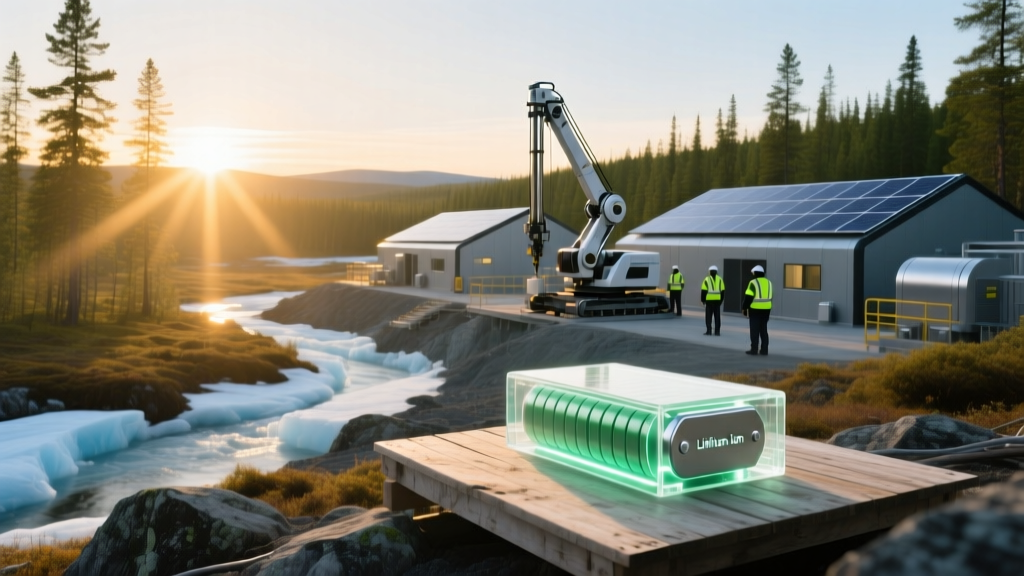
Canada holds the world's sixth-largest lithium reserves, and as of 2026, projects in Quebec, Ontario, and Manitoba are moving from exploration to production. This matters for EV buyers because lithium supply directly affects battery pricing, chemistry availability, and eligibility for the federal §30D tax credit's critical-minerals requirement. Vehicles using Canadian-sourced lithium can satisfy part of the sourcing threshold that unlocks up to $7,500 in point-of-sale incentives under current IRS rules.
But supply-chain geopolitics only matter if you understand what's inside your battery in the first place. This guide covers the chemistry, degradation, warranty coverage, replacement economics, and care practices that determine how your EV's traction battery performs over its lifetime.
Battery Chemistry: LFP vs NMC/NCA Explained
Two chemistry families dominate 2026 EV batteries: lithium iron phosphate (LFP) and nickel-manganese-cobalt or nickel-cobalt-aluminum (NMC/NCA). The lithium in both can originate from Canadian hard-rock (spodumene) mines or brine operations elsewhere, but the cathode chemistry determines your battery's behavior.
| Attribute | LFP (Lithium Iron Phosphate) | NMC/NCA (Nickel-based) |
|---|---|---|
| Energy Density | ~160 Wh/kg cell-level | ~250–300 Wh/kg cell-level |
| Cycle Life | 3,000–5,000+ cycles to 80% SoH | 1,000–2,000 cycles to 80% SoH |
| Cold Performance | Reduced regen and range below 32°F | Better low-temp conductivity |
| Cost | Lower — no nickel or cobalt | Higher — nickel/cobalt price exposure |
| Thermal Stability | Excellent — resistant to thermal runaway | Good — requires robust BMS |
| Typical Use | Standard-range trims (Tesla Model 3 RWD, Ford Mustang Mach-E Select) | Long-range/performance trims |
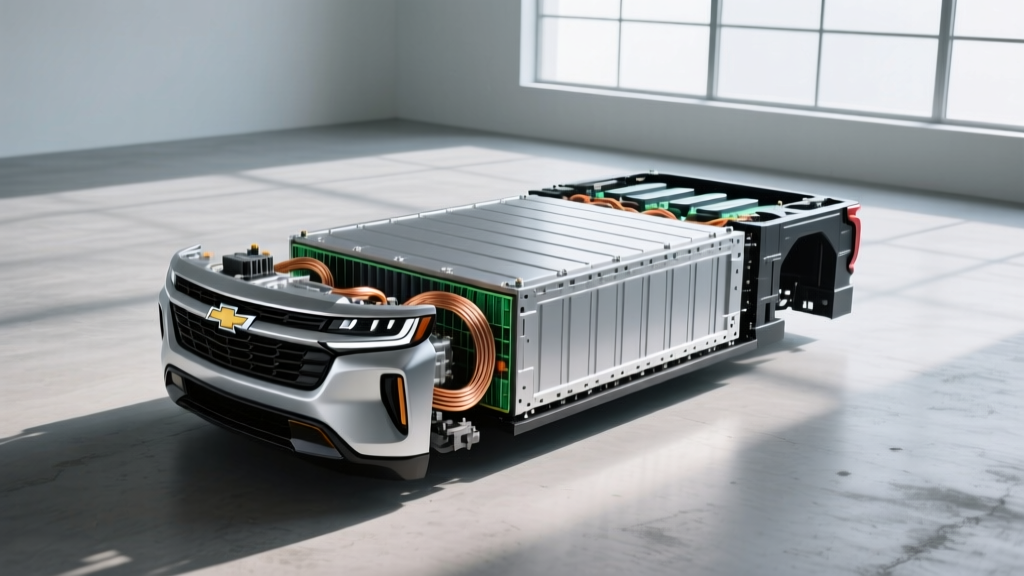
LFP's lower energy density means heavier packs for the same range, which is why automakers reserve it for standard-range models. NMC/NCA delivers more miles per kilogram but costs more and degrades faster under high-heat, high-SoC conditions. Neither chemistry is universally "better" — the right choice depends on your driving pattern and climate.
How Long Do EV Batteries Actually Last?
Real-world fleet data shows most modern EV batteries retain 85–92% of original capacity after 100,000 miles. Tesla's 2025 Impact Report noted its fleet averaged roughly 12% degradation at 150,000 miles across Model 3 and Model Y vehicles with NMC packs. LFP packs in high-mileage ride-share service have shown even slower fade, with some fleets reporting 90%+ retention past 120,000 miles.
Typical Degradation Curve (NMC, Moderate Climate)
- Year 1 / 15k mi: ~3–5% loss (initial formation fade)
- Year 3 / 45k mi: ~7–9% loss
- Year 5 / 75k mi: ~9–12% loss
- Year 8 / 120k mi: ~12–16% loss
- Year 10 / 150k mi: ~15–20% loss (still above 80% SoH threshold)
Sources: Tesla Impact Report, Recurrent Auto battery data, fueleconomy.gov
Degradation is non-linear: the steepest drop occurs in the first year, then the curve flattens. Most batteries outlast the vehicle's structural and cosmetic life. Full replacement before 150,000 miles is uncommon outside of manufacturing-defect cases covered under warranty.
Battery Warranty Terms: What's Actually Covered
Federal law mandates a minimum 8-year/100,000-mile warranty on EV battery packs (10 years/150,000 miles in CARB states like California). Most automakers guarantee 70% capacity retention over that period. If your pack drops below that threshold, the manufacturer must repair or replace it at no cost.
| Automaker | Warranty Period | Capacity Retention Guarantee | Notes |
|---|---|---|---|
| Tesla | 8 yr / 120k–150k mi (varies by model) | 70% | Model 3 RWD: 100k mi; LR/Performance: 120k mi |
| Hyundai/Kia | 10 yr / 100k mi | 70% | Among the longest coverage periods |
| Ford | 8 yr / 100k mi | 70% | Covers Mach-E and F-150 Lightning |
| GM (Chevrolet) | 8 yr / 100k mi | 60% (Bolt); 70% (Ultium) | Ultium packs carry updated terms |
| BMW | 8 yr / 100k mi | 70% | i4, iX, i7 covered |
Warranty covers defects and abnormal degradation — not damage from accidents, flooding, or unauthorized modifications. Read your specific warranty booklet; terms vary by model year and trim.
EV Battery Replacement Cost: When and How Much
Out-of-warranty replacement is rare but worth budgeting for if you plan to keep an EV past 200,000 miles or buy a high-mileage used example. Costs depend on pack size and chemistry.
| Vehicle (Example) | Pack Size | Chemistry | Estimated Replacement Cost |
|---|---|---|---|
| Tesla Model 3 RWD | ~60 kWh | LFP | $8,000–$12,000 |
| Tesla Model Y Long Range | ~75 kWh | NMC | $12,000–$16,000 |
| Ford Mustang Mach-E Extended Range | ~91 kWh | NMC | $15,000–$20,000 |
| Hyundai Ioniq 5 Long Range | ~77.4 kWh | NMC | $11,000–$15,000 |
| Chevrolet Silverado EV | ~200 kWh | NMC (Ultium) | $25,000–$35,000 |
These figures include the pack and labor at a dealership. Independent EV shops and refurbished packs can reduce costs by 20–40%. Prices have declined roughly 8–12% annually since 2022 as cell manufacturing scales. Critically, most original batteries never need replacement — they remain functional well beyond 200,000 miles, just with reduced range.
Factors That Affect Battery Life (and What You Can Control)
Battery Longevity Checklist
- State of Charge habits: For NMC packs, keep daily SoC between 20–80%. LFP packs tolerate (and benefit from) regular 100% charges — Tesla recommends 100% at least weekly for LFP.
- DC fast-charging frequency: Occasional 150–350 kW DCFC sessions cause negligible extra wear. Daily fast-charging in hot climates accelerates degradation by roughly 1–2% per year versus Level 2 home charging.
- Temperature extremes: Prolonged exposure above 104°F (40°C) degrades NMC cells. Precondition the battery before fast-charging in cold weather — this warms cells to optimal ~86°F (30°C) and avoids lithium plating.
- Storage: If parking for weeks, set SoC to 50% and plug in (if possible) so the thermal management system can maintain battery temperature.
- Regen braking settings: High regen in freezing temps without preconditioning can stress cells. Most EVs automatically limit regen when cold, but manual reduction helps.
The single biggest factor within your control is sustained high SoC in hot weather. An NMC pack held at 100% SoC in 95°F ambient for weeks will degrade measurably faster than one kept at 60% in a garage. LFP chemistry is far more tolerant of high-SoC storage, which is one reason it's gaining share in warmer climates.
Checking and Monitoring Battery Health (SoH)
State of Health (SoH) expresses your battery's current maximum capacity as a percentage of its original capacity. A new pack is 100% SoH; a pack that held 75 kWh when new but now holds 67.5 kWh is at 90% SoH.
How to check SoH:
- In-vehicle displays: Some models (Hyundai Ioniq 5, Kia EV6) show SoH percentage in the battery settings menu. Tesla does not expose SoH directly but shows rated range, which you can compare to the original EPA figure.
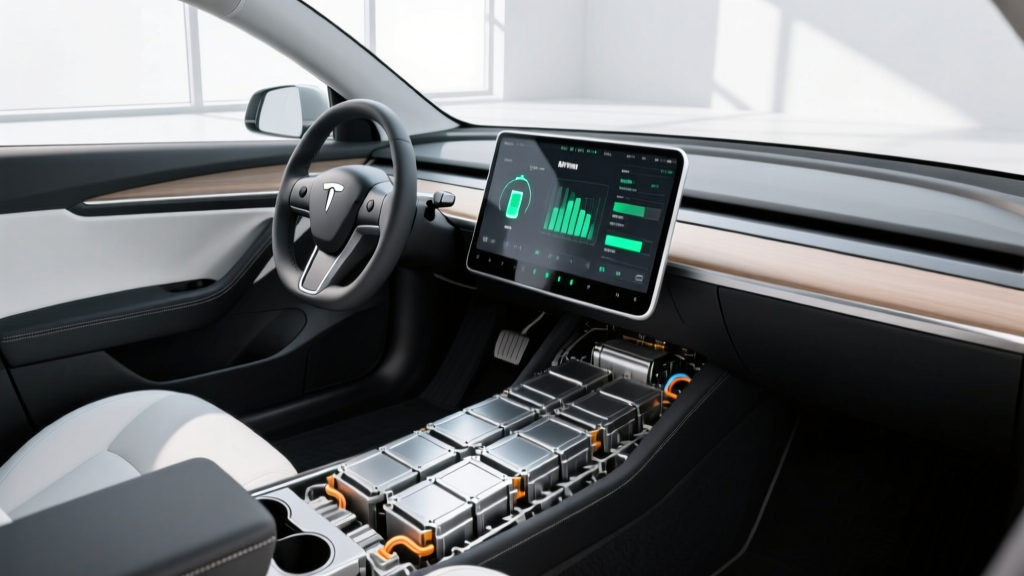
- OBD-II apps: Tools like OBDeleven (VW/Audi), LeafSpy (Nissan), or Scan My Tesla read BMS data including SoH, cell voltage variance, and pack temperature.
- Dealer diagnostics: A service center can pull a full battery health report. Request this before buying a used EV.
- Third-party services: Companies like Recurrent Auto provide battery health scores based on connected-car telemetry.
Monitor SoH every 6–12 months. A sudden drop (more than 2–3% in a quarter) warrants a dealer inspection — it may indicate a failing module rather than normal degradation.
Canadian Lithium and the §30D Tax Credit Connection
The federal §30D clean vehicle credit requires that a percentage of critical minerals in the battery be sourced from the U.S. or a free-trade-agreement partner. Canada qualifies. As Canadian lithium mines ramp production through 2026–2028, more vehicles will satisfy the critical-minerals prong of the credit, potentially expanding the pool of eligible models.
Current §30D rules include buyer income caps ($150k single / $300k joint), MSRP caps ($55k sedans / $80k SUVs and trucks), and battery-component sourcing requirements that phase in annually. Always verify eligibility at fueleconomy.gov and consult a tax professional before relying on the credit.
Emerging Battery Tech: Solid-State and Silicon Anodes
Two technologies promise to reshape EV batteries, but neither is available in production vehicles as of 2026:
Solid-state batteries replace the liquid electrolyte with a solid ceramic or polymer, enabling lithium-metal anodes. This could double energy density (potentially 500+ Wh/kg) and improve safety. Toyota, Samsung SDI, and QuantumScape target limited production in 2027–2029, but mass-market availability at competitive pricing remains a 2030+ prospect.
Silicon-dominant anodes (used by startups like Sila Nanotechnologies and Group14) replace graphite with silicon to boost energy density by 20–40%. These are entering production in select 2026–2027 models in limited volumes. Expect gradual adoption as manufacturing yields improve.
Both technologies will initially appear in premium vehicles before reaching mainstream price points. For buyers in 2026, LFP and NMC remain the practical choices.
Frequently Asked Questions
How long do EV batteries last in years and miles?
Most modern EV batteries retain 80%+ capacity at 150,000 miles or 10+ years. Many exceed 200,000 miles before dropping below the 70% warranty threshold. LFP chemistry typically outlasts NMC in cycle life.
How much does it cost to replace an EV battery?
Replacement ranges from roughly $8,000 for a 60 kWh LFP pack to $35,000 for a 200 kWh NMC pack (parts and labor). Most original batteries never need full replacement — they degrade gradually and remain usable.
What does the battery warranty actually cover?
Federally mandated minimum: 8 years / 100,000 miles (10/150k in CARB states). Coverage applies if capacity drops below 70% (some automakers set 60%). It covers defects and abnormal degradation, not accident damage or misuse.
How do I check my EV battery's health?
Use the vehicle's built-in battery menu (if available), an OBD-II diagnostic app, or request a dealer health report. Track SoH every 6–12 months and compare rated range to the original EPA figure.
LFP vs NMC — which should I choose?
Choose LFP if you prioritize longevity, lower cost, and mostly charge at home in moderate climates. Choose NMC if you need maximum range, frequently drive in cold weather, or want faster DC charging speeds. Both chemistries benefit from lithium sourced through stable supply chains, including Canadian mining operations.
Does frequent DC fast charging hurt my battery?
Occasional fast charging has minimal impact. Daily DCFC use in hot climates can add 1–2% extra annual degradation versus Level 2 charging. Preconditioning the battery before fast charging reduces stress significantly.