Why "Hyundai Elantra 2017 Battery" Searches Are Surging in 2026
If you own a 2017 Hyundai Elantra and your dashboard is flashing battery warnings, you're not alone. Nearly a decade after these vehicles rolled off the line, original batteries are reaching end-of-life. But before you head to the parts counter, it's critical to understand exactly which battery you're dealing with — and what modern EV battery technology looks like by comparison.
The 2017 Elantra was sold exclusively as a gasoline sedan (2.0L I4 or 1.4L turbo). It uses a standard 12-volt lead-acid auxiliary battery (Group 47/H5, ~60 Ah) to start accessories and power electronics. This is not a high-voltage traction battery. However, Hyundai's broader lineup — including the Ioniq Hybrid introduced the same year — does use high-voltage lithium-ion packs that follow the same engineering principles as today's EVs.
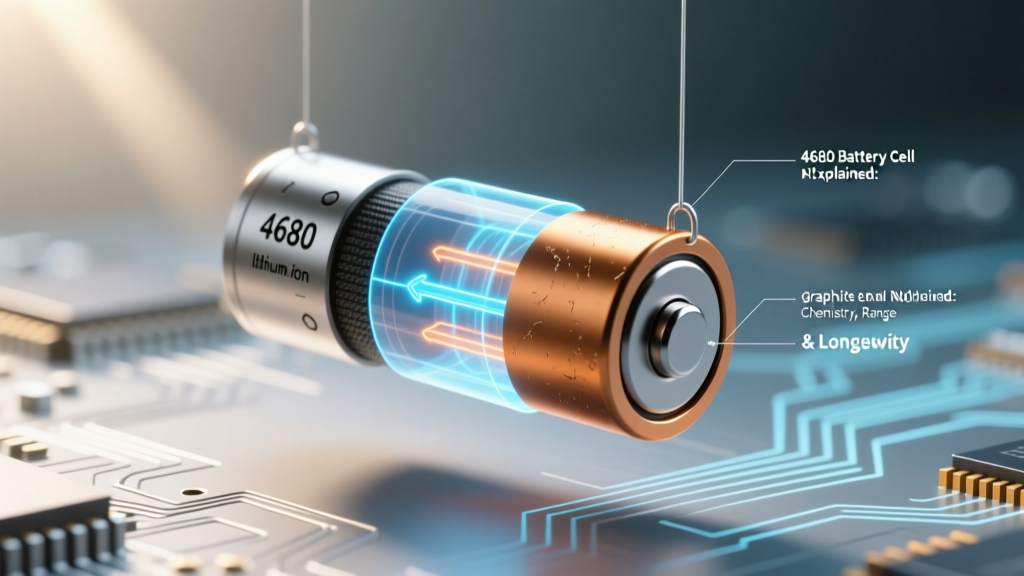
This guide covers the 2017 Elantra's 12V battery replacement, then zooms out to the EV battery technology every electrified-vehicle owner should understand: chemistry types, degradation curves, warranty coverage, and replacement economics.
2017 Hyundai Elantra 12V Battery: What You Actually Need
The 2017 Elantra's 12V battery is a conventional flooded lead-acid or AGM (Absorbent Glass Mat) unit. Typical replacement cost runs $120–$220 at an auto parts store, with AGM variants commanding a premium for better cold-cranking amps and vibration resistance.
This auxiliary battery is entirely separate from the high-voltage traction batteries found in EVs and hybrids. If you're reading this guide because you're researching EV battery longevity, read on — the technology principles below apply to every electrified vehicle on the road.
EV Battery Chemistry: LFP vs NMC Explained
Modern electric vehicles use one of two dominant lithium-ion chemistries: LFP (Lithium Iron Phosphate) or NMC (Nickel Manganese Cobalt). The chemistry inside your EV's pack determines range, longevity, cold-weather performance, and cost. Here's how they stack up:
| Attribute | LFP (LiFePO4) | NMC / NCA |
|---|---|---|
| Energy Density | Lower (~160 Wh/kg cell-level) | Higher (~220–260 Wh/kg cell-level) |
| Cycle Life | 3,000–5,000+ cycles to 80% SoH | 1,000–2,000 cycles to 80% SoH |
| Cold Performance | Reduced; needs preconditioning | Better low-temp discharge |
| Cost per kWh | Lower (no cobalt/nickel) | Higher (critical mineral supply) |
| Max Charge Routine | Can charge to 100% regularly | Best kept 20–80% for daily use |
| Thermal Stability | Excellent (less thermal runaway risk) | Good with active thermal management |
| Common In (2026) | Tesla Model 3/Y RWD, Ford Mustang Mach-E Select, BYD | Tesla Long Range, Hyundai Ioniq 5/6, Rivian, GM Ultium |
Which is better? It depends on your use case. LFP excels for daily commuting, frequent full charges, and budget-conscious buyers who prioritize longevity over maximum range. NMC delivers higher energy density for long-range models and performs better in cold climates. Neither chemistry is universally superior — the right choice aligns with your driving patterns and climate.
How Long Do EV Batteries Actually Last?
The most persistent myth in EV ownership is that batteries need replacing every few years like a smartphone. The data tells a different story.
- Tesla fleet data (2025 impact report): Average battery degradation is ~12% after 200,000 miles, retaining ~88% of original capacity.
- Geotab analysis (2024, 10,000+ EVs): Average annual degradation of 1.8% per year across all brands — meaning a typical EV retains ~82% capacity after 10 years.
- Hyundai/Kia EVs: Reported degradation of 5–10% over the first 100,000 miles for NMC packs in the Ioniq 5 and EV6.
Source: Geotab EV Battery Health Study
Most modern EV batteries are engineered to outlast the vehicle itself. At an average degradation rate of 1.5–2.0% per year, a pack will retain roughly 75–85% of its original capacity after 10 years / 150,000 miles. For context, a 300-mile EPA-rated EV with 80% remaining capacity still delivers 240 miles — more than sufficient for the vast majority of daily driving.
What Drives Degradation?
Battery degradation isn't linear and isn't solely a function of time. The primary accelerants are:
- Extreme State of Charge (SoC): Regularly holding NMC batteries at 100% or draining to 0% stresses cells. LFP batteries tolerate 100% SoC far better.
- DC Fast Charging Frequency: Occasional fast charging is fine; daily 150+ kW sessions generate sustained heat that accelerates wear. Tesla's own data shows negligible difference between frequent Supercharging and Level 2 charging when thermal management is active.
- Extreme Temperatures: Prolonged exposure to ambient heat above 95°F (35°C) without active cooling degrades cells faster. Cold temperatures temporarily reduce range but don't cause permanent damage.
- Calendar Aging: Even a parked EV loses capacity over time. Storing at ~50% SoC in moderate temperatures minimizes this effect.
EV Battery Warranty: What's Actually Covered
Federal law mandates that EV batteries carry a minimum warranty of 8 years / 100,000 miles (10 years / 150,000 miles in California and states adopting CARB standards). Most manufacturers exceed these minimums with capacity-retention guarantees.
| Manufacturer | Warranty Term | Capacity Threshold | Notes |
|---|---|---|---|
| Hyundai / Kia | 10 yr / 100,000 mi | 70% retention | Among the longest in the industry |
| Tesla | 8 yr / 100,000–150,000 mi | 70% retention | Varies by model; Model S/X get 150k mi |
| Ford | 8 yr / 100,000 mi | 70% retention | Covers Mach-E, F-150 Lightning |
| GM (Ultium) | 8 yr / 100,000 mi | 70% retention (60% Bolt) | Varies by platform |
| Rivian | 8 yr / 175,000 mi | 70% retention | Highest mileage threshold |
What triggers a warranty claim? If your battery's State of Health (SoH) drops below the stated threshold within the warranty period, the manufacturer must repair or replace it to bring capacity back above the guarantee. This covers cell-level degradation — not damage from accidents, flooding, or unauthorized modifications. Full warranty details are available on Hyundai's official warranty page.
EV Battery Replacement Cost: The Real Numbers
This is where fear-mongering runs rampant. Let's anchor the conversation in data.
| Vehicle / Pack Size | Battery Cost (2025–2026) | When Typically Needed |
|---|---|---|
| Nissan Leaf (40 kWh) | $6,500–$9,000 | Rarely; most packs outlast the car |
| Chevy Bolt EV (65 kWh) | $14,000–$16,000 | Post-recall replacements largely covered |
| Tesla Model 3 (75 kWh) | $12,000–$16,000 | Extremely rare under 200,000 mi |
| Hyundai Ioniq 5 (77.4 kWh) | $15,000–$20,000 | Warranty covers first 10 yr / 100k mi |
| Ford F-150 Lightning (131 kWh) | $20,000–$30,000 | Large pack; very few out-of-warranty replacements to date |
The critical context: Battery replacement is overwhelmingly an out-of-warranty concern for vehicles 12+ years old with 150,000+ miles. Given that the average US vehicle age is 12.6 years (per S&P Global Mobility), most EV batteries will either still be under warranty or will retain enough capacity (70–80%) that replacement isn't economically justified — the car itself will be near end-of-life.
Battery pack pricing has also fallen dramatically. According to BloombergNEF, average lithium-ion pack prices dropped from $1,200/kWh in 2010 to approximately $115/kWh by late 2025. This trend continues, meaning any out-of-warranty replacement in the 2030s will cost significantly less than today's figures.
Maximizing Battery Health: A Practical Checklist
Daily & Weekly Habits
- ☐ Set charge limit to 80% for daily driving (NMC batteries); 100% is fine for LFP
- ☐ Avoid letting SoC drop below 10% for extended periods
- ☐ Use Level 2 home charging as your primary method; reserve DC fast charging for road trips
- ☐ Enable battery preconditioning when navigating to a fast charger (Tesla, Hyundai, Ford all support this)
Seasonal & Storage
- ☐ In extreme heat, park in shade or a garage when possible
- ☐ For long-term storage (2+ weeks), leave SoC at 40–60% and plugged in if possible
- ☐ In winter, precondition while plugged in to warm the pack using grid power, not battery energy
Monitoring
- ☐ Check State of Health (SoH) annually via your vehicle's app or an OBD-II tool
- ☐ Track range trends over time — a sudden drop may indicate a cell imbalance warranting dealer service
- ☐ Keep records of charging habits for warranty claims if degradation accelerates
How to Check State of Health (SoH)
Most modern EVs display battery health in the vehicle settings menu or companion app. Tesla owners can check via Settings → Service → Battery Health. Hyundai/Kia EVs show SoH through the dealer diagnostic tool or third-party OBD-II readers like the OBDLink MX+ paired with apps such as EV Notify or Car Scanner. A healthy battery after 3 years should read 92–97% SoH; anything below 90% at that mark warrants a dealer visit.
Looking Ahead: Solid-State and Silicon Anode Batteries
The next generation of battery technology promises step-change improvements — but timelines matter.
Solid-state batteries replace the liquid electrolyte with a solid material, offering higher energy density (~400+ Wh/kg projected), faster charging, and improved safety. Toyota has announced a 2027–2028 production target for solid-state EVs with ~750 km (466 mi) range. Samsung SDI and QuantumScape are targeting similar timelines with OEM partners. However, these are announced targets, not available products. Manufacturing scale-up remains the primary bottleneck.
Silicon anode batteries (used in limited capacity by GM's Ultium platform and startups like Sila Nanotechnologies) boost energy density by 10–20% by replacing graphite anodes with silicon composites. These are already in production in some 2025–2026 models but at incremental, not revolutionary, improvement levels.
Frequently Asked Questions
How long do EV batteries last in years and miles?
Most modern EV batteries are designed to retain 70–85% of their original capacity after 10–15 years or 150,000–200,000 miles. Fleet data from Tesla, Geotab, and manufacturer warranty claims consistently show average annual degradation of 1.5–2.0%. The battery will typically outlast the vehicle's economic life.
How much does an EV battery cost to replace?
Out-of-warranty replacement costs range from approximately $6,500 for a 40 kWh pack (Nissan Leaf) to $20,000–$30,000 for large packs like the F-150 Lightning's 131 kWh unit. However, the vast majority of EV batteries never need replacement during the first owner's tenure, and pack prices continue to decline ~10% annually.
What does the EV battery warranty cover?
Federal minimum is 8 years / 100,000 miles. Hyundai and Kia offer 10 years / 100,000 miles. The warranty guarantees the battery will retain a minimum percentage of original capacity (typically 70%). If degradation exceeds this threshold, the manufacturer repairs or replaces the pack at no cost. Damage from accidents, misuse, or unauthorized modifications is excluded.
How do I check and maximize my EV battery health?
Check SoH through your vehicle's settings menu, companion app, or an OBD-II diagnostic tool. Maximize longevity by charging NMC batteries to 80% daily (100% for LFP), avoiding prolonged storage at extreme SoC levels, using Level 2 charging as your primary method, and preconditioning the battery before DC fast charging.
LFP vs NMC — which battery chemistry is better?
Neither is universally better. LFP offers longer cycle life (3,000–5,000 cycles), lower cost, better thermal stability, and the ability to charge to 100% regularly — ideal for daily commuting and budget-focused buyers. NMC delivers higher energy density (more range per kg), better cold-weather performance, and is used in long-range and performance models. Choose LFP for longevity and value; choose NMC for maximum range and cold-climate driving.
Does fast charging damage my EV battery?
Occasional DC fast charging has minimal impact on battery health. Modern thermal management systems actively cool the pack during high-power sessions. Tesla's fleet data shows no statistically significant difference in long-term degradation between vehicles that Supercharge frequently and those that primarily use Level 2. The key is to avoid fast charging when the battery is already hot (e.g., after aggressive driving in summer heat) and to always use preconditioning when available.
Sources: EPA Fuel Economy, Geotab EV Battery Health, Hyundai USA Warranty, BloombergNEF Battery Price Survey 2025.