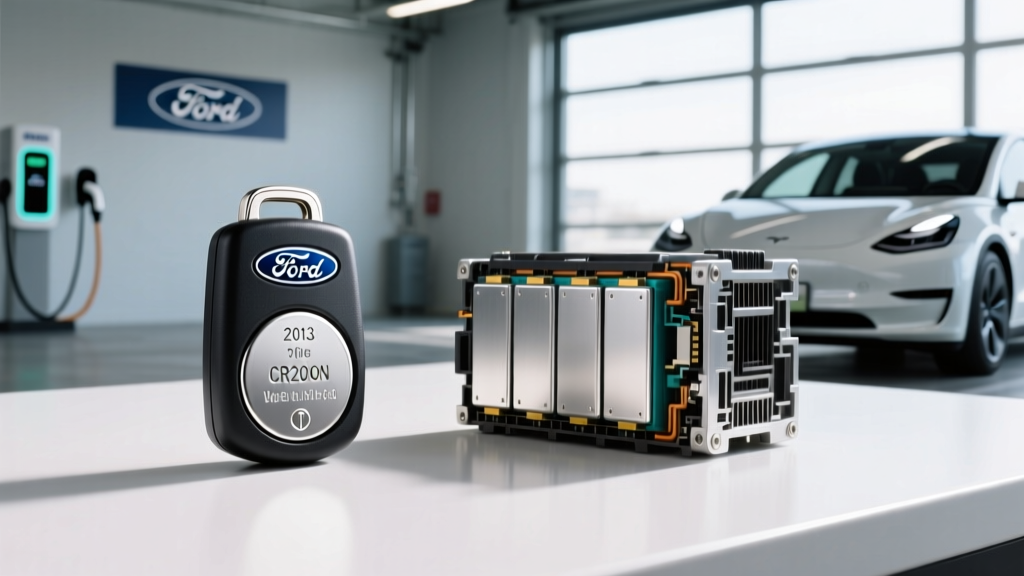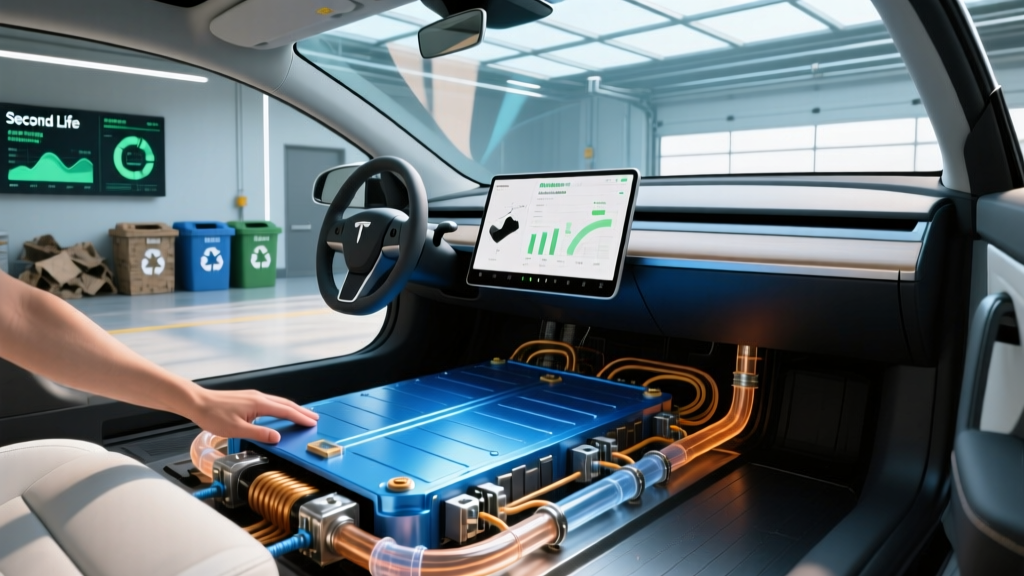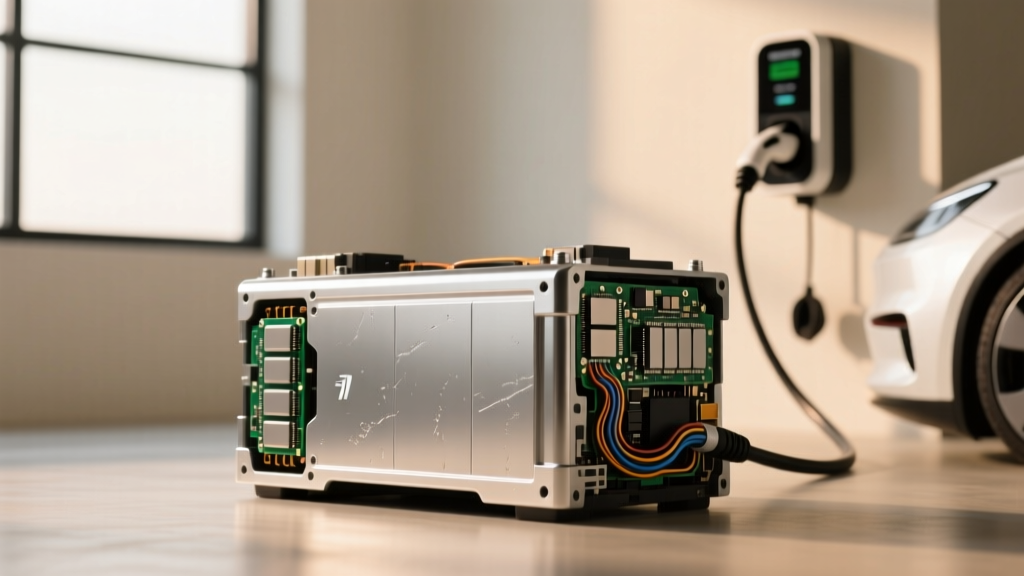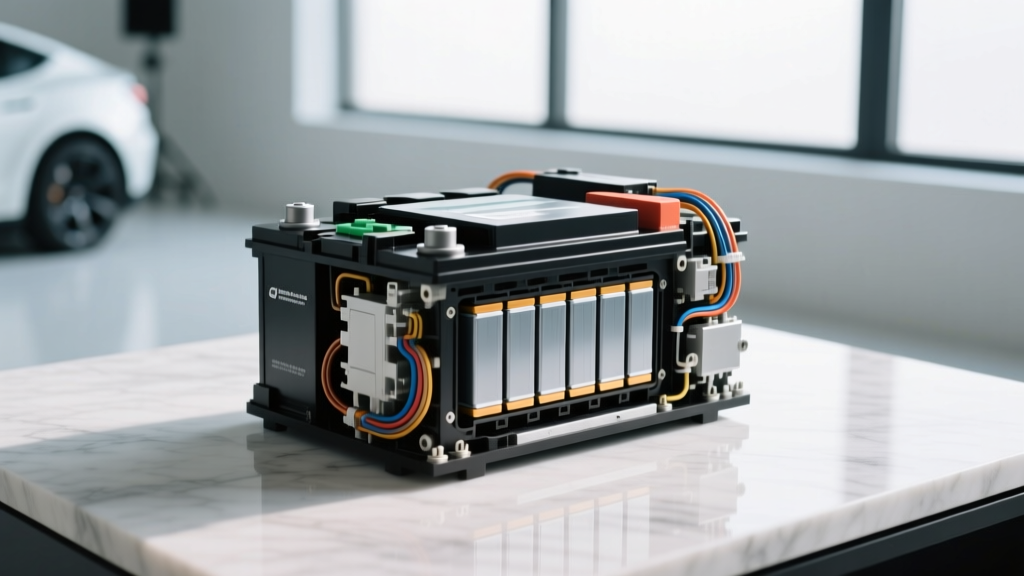
If you own or are considering a hybrid, plug-in hybrid (PHEV), or battery-electric vehicle (BEV), the high-voltage traction battery is the single most expensive component in the car. Unlike the 12V auxiliary battery that powers your infotainment and lights, the traction battery is the energy reservoir that actually propels the vehicle — and its health directly determines your electric range, fuel economy, and resale value.
The good news? Modern hybrid and EV batteries are engineered to outlast the vehicles they're installed in. But understanding degradation curves, warranty coverage, replacement costs, and the chemistry inside your pack is essential for making smart ownership decisions. This guide covers the data you need — with real numbers, not marketing promises.
How Long Do Hybrid and EV Batteries Last?
Most hybrid and EV traction batteries are designed to retain usable capacity well beyond 150,000 miles. Real-world fleet data from manufacturers and independent testing organizations show that degradation is not linear — it's steepest in the first 1–2 years, then flattens into a long, slow decline.
Typical Degradation Curve (NMC Chemistry)
- Year 1 / ~15,000 mi: ~2–5% capacity loss (initial formation loss)
- Year 3 / ~45,000 mi: ~5–8% total loss
- Year 5 / ~75,000 mi: ~8–12% total loss
- Year 8 / ~100,000 mi: ~10–15% total loss
- Year 10+ / 150,000+ mi: ~12–20% total loss (varies widely by use pattern)
Sources: Geotab fleet data, manufacturer warranty thresholds, and independent testing by Recurrent Auto.
For hybrids like the Toyota Prius or Honda Accord Hybrid, the traction battery is smaller (typically 1.0–1.8 kWh) and operates in a narrow state-of-charge window — usually between 40% and 80% SoC. This shallow cycling is why Toyota's NiMH and lithium-ion hybrid packs routinely exceed 200,000 miles before any meaningful capacity loss affects fuel economy.
PHEVs (like the Toyota RAV4 Prime or Jeep Wrangler 4xe) carry larger packs (15–20 kWh) that see deeper daily cycles, so degradation is slightly more pronounced but still manageable over a 10-year ownership period.
Full BEVs with 60–100+ kWh packs have the most buffer: even 15% degradation on a 300-mile EPA-rated vehicle still leaves ~255 miles of range — plenty for most daily driving.
LFP vs NMC: Which Battery Chemistry Is Better for Your Hybrid or EV?
Battery chemistry determines energy density, longevity, cost, cold-weather performance, and safety. The two dominant chemistries in 2026 are LFP (Lithium Iron Phosphate) and NMC (Nickel Manganese Cobalt), with NCA (Nickel Cobalt Aluminum) used primarily by Tesla and select OEMs.
| Attribute | LFP (LiFePO₄) | NMC / NCA |
|---|---|---|
| Energy Density | Lower (~160–200 Wh/kg cell-level) | Higher (~220–300 Wh/kg cell-level) |
| Cycle Life | 3,000–6,000+ cycles to 80% SoH | 1,000–2,500 cycles to 80% SoH |
| Cold-Weather Performance | Weaker — greater range loss below 32°F | Better low-temp conductivity |
| Cost (per kWh) | ~$80–$100 (cell-level, 2026) | ~$110–$140 (cell-level, 2026) |
| Thermal Stability / Safety | Excellent — higher thermal runaway threshold | Good — requires more active thermal management |
| Recommended SoC for Daily Use | Can charge to 100% regularly | Best kept at 80% daily; 100% for trips only |
| Common Applications | Tesla Model 3/Y RWD, Ford Mustang Mach-E Select, BYD models | Long-range AWD trims, most PHEVs, premium EVs |
Bottom line: If you prioritize maximum range and cold-weather performance, NMC is the stronger choice. If you want maximum cycle life, lower cost, and the convenience of daily 100% charging without guilt, LFP wins. For most hybrid owners, the chemistry is chosen by the manufacturer — Toyota hybrids typically use NiMH or NMC lithium-ion, while PHEVs lean NMC for energy density.
Hybrid Vehicle Battery Replacement: What It Costs and When You'll Need It
The phrase "hybrid vehicle battery replacement" triggers sticker shock — but context matters. The vast majority of hybrid and EV owners will never replace their traction battery. When replacements do occur, they're typically on vehicles 12–15+ years old, often beyond their economic life.
| Vehicle Category | Example Models | Battery Size | Replacement Cost Range |
|---|---|---|---|
| HEV (standard hybrid) | Toyota Prius, Honda Accord Hybrid | 1.0–1.8 kWh | $2,000–$4,500 |
| PHEV (plug-in hybrid) | Toyota RAV4 Prime, Jeep Wrangler 4xe | 14–20 kWh | $5,000–$10,000 |
| BEV (compact/midsize) | Tesla Model 3, Chevy Equinox EV | 55–80 kWh | $8,000–$16,000 |
| BEV (large/truck) | Ford F-150 Lightning, GMC Hummer EV | 100–215 kWh | $15,000–$30,000+ |
These figures include the battery pack and labor but can vary by region, dealership vs. independent shop, and whether you choose a new OEM pack, a refurbished unit, or a third-party replacement. Companies like ReJoule and Green Bean Battery offer refurbished hybrid packs at 30–50% below OEM new pricing.
When is replacement actually needed? Battery replacement becomes worth considering when:
- Capacity drops below ~60–70% and noticeably affects daily usability (range or fuel economy).
- The battery fails a cell-balance test and throws fault codes (P0A80-series on Toyota hybrids, for example).
- The vehicle is otherwise in good condition and the replacement cost is justified vs. buying a new car.
What Does the Battery Warranty Actually Cover?
Federal law (under EPA emissions-related warranty requirements) mandates that hybrid and EV battery systems carry a minimum warranty of 8 years / 100,000 miles. In California Air Resources Board (CARB) states — which include CA, NY, MA, WA, OR, CO, and several others — that mandate extends to 10 years / 150,000 miles.
| Manufacturer | Warranty Period | Capacity Retention Threshold | Notes |
|---|---|---|---|
| Toyota (HEV/PHEV) | 10 yr / 150,000 mi | Not publicly specified — case-by-case | Applies nationwide since 2020 model year |
| Hyundai / Kia | 10 yr / 100,000 mi | ~70% SoH | Among the most generous terms |
| Tesla (Model 3/Y LFP) | 8 yr / 120,000 mi | 70% SoH | Long-range NMC: 8 yr / 120,000 mi |
| Ford (BEV/PHEV) | 8 yr / 100,000 mi | 70% SoH | Covers battery and hybrid/electric components |
| GM (Ultium BEV) | 8 yr / 100,000 mi | 70% SoH (estimated) | Covers propulsion battery and key EV components |
| Honda (HEV) | 8 yr / 100,000 mi (10/150k in CARB states) | Case-by-case | Covers IMA/hybrid battery system |
Critical detail: The warranty threshold (typically 70% State of Health) means the manufacturer will replace or repair the battery only if it degrades below that threshold within the warranty period. A battery at 72% SoH at year 7 is functioning within spec — even though you've lost 28% of your original capacity. This is why understanding the degradation curve above is essential for setting realistic expectations.
For the full text of federal warranty requirements, see the EPA emissions warranty page.
Factors That Accelerate Battery Degradation (and How to Avoid Them)
Battery wear isn't just about age and mileage. Your charging habits, climate, and driving patterns play an outsized role in how quickly your pack loses capacity.
Battery Longevity Checklist
- Minimize DC fast charging. Occasional road-trip fast charging is fine, but daily use of 150+ kW DC chargers generates sustained heat that accelerates electrolyte breakdown. Aim for Level 2 home charging as your primary routine.
- Avoid extreme SoC states. For NMC batteries, keep daily charging between 20–80%. Sitting at 100% SoC for days stresses cathode materials. LFP batteries are more tolerant of 100% SoC — in fact, periodic 100% charges help the BMS recalibrate.
- Precondition in cold weather. Use your vehicle's scheduled departure or preconditioning feature to warm the battery before driving or charging. Cold lithium-ion cells experience lithium plating if charged hard below ~32°F, causing permanent capacity loss.
- Don't let it sit empty. A battery parked at 0–5% SoC for weeks can suffer copper-shunt dissolution. If storing a vehicle, leave it at ~50% SoC.
- Use moderate regen settings in extreme cold. Maximum regen on a frozen-cold battery forces high current into cells that can't accept it efficiently.
- Park in shade or a garage when possible. Sustained battery temperatures above 95°F (common in desert climates with black-paved driveways) accelerate calendar degradation even when the car isn't driven.
How to Check Your Battery's State of Health (SoH)
State of Health (SoH) is expressed as a percentage of the battery's original usable capacity. A new battery is at 100% SoH; one that has degraded to hold only 85% of its original energy is at 85% SoH.
OEM methods:
- Tesla: The mobile app does not display SoH directly, but third-party tools like TeslaFi or Stats can estimate it by comparing actual kWh charged vs. displayed range. Tesla service centers can run a battery health test on request.
- Hyundai/Kia: The infotainment EV menu on many 2024+ models shows a battery health percentage or graph.
- Nissan Leaf: The dashboard "capacity bars" (out of 12) provide a rough SoH indicator. The LeafSpy app + OBD-II dongle gives precise readings.
- Toyota Hybrids: The Techstream diagnostic tool (or a dealer visit) can read hybrid battery block voltages and internal resistance — key SoH indicators.
Aftermarket tools:
- Recurrent Auto (free enrollment): Connects to your vehicle's telematics and provides ongoing SoH tracking and fleet-comparison data.
- OBD-II scanners with EV support: Devices like the OBDLink MX+ paired with apps such as ABRP (A Better Route Planner) or EV-specific diagnostic apps can read battery temperature, cell voltage spread, and estimated capacity.
For used-car buyers, requesting a battery health report before purchase is becoming standard practice. Some dealerships now include SoH readouts in certified pre-owned inspections.
What's Next: Solid-State, Silicon Anode, and Beyond
The following technologies are in development or limited production as of 2026. None are widely available in consumer vehicles yet.
Solid-state batteries replace the liquid electrolyte with a solid ceramic, polymer, or sulfide conductor. The promise: higher energy density (potentially 400+ Wh/kg at the cell level), faster charging, and near-zero fire risk. Toyota has announced plans for a commercial solid-state EV by 2027–2028, initially in limited volumes. Samsung SDI and QuantumScape are also in advanced testing phases. Realistic mass-market availability: 2029–2032.
Silicon-anode batteries (used in limited capacity by Tesla's 4680 cells and by startups like Sila Nanotechnologies) boost energy density by replacing graphite anodes with silicon composites. These are already in production at small scale and will incrementally improve pack energy density over the next 3–5 years without requiring a full chemistry revolution.
Sodium-ion batteries are emerging as a low-cost alternative for entry-level EVs and hybrids. CATL has begun shipping sodium-ion packs in Chinese-market vehicles. Energy density is lower (~120–160 Wh/kg), but raw-material costs are dramatically lower, and cold performance is superior. Expect these in budget-oriented models by 2027–2028.
For current hybrid and EV owners, these advances are encouraging for long-term parts availability and future resale context — but they don't change today's ownership calculus. Your current NMC or LFP pack, properly cared for, will serve you well for the life of the vehicle.
Hybrid and EV Battery FAQ
How long do EV and hybrid batteries last in real-world use?
Most modern traction batteries retain 80–90% of original capacity at 100,000 miles and 8 years. Standard hybrids (HEVs) with small, shallow-cycled packs often exceed 200,000 miles without replacement. Full EVs with larger packs typically see 10–15% degradation over 8–10 years. Complete battery failure before 150,000 miles is statistically rare — under 2% of packs in most fleet studies.
How much does a hybrid vehicle battery replacement cost?
Standard hybrid battery replacement (Toyota Prius, Honda Accord Hybrid) runs $2,000–$4,500 including labor. PHEV packs cost $5,000–$10,000. Full BEV packs range from $8,000 to $16,000 for most models, and up to $30,000+ for large trucks like the GMC Hummer EV. Refurbished packs from third-party suppliers can reduce costs by 30–50%.
Does the battery warranty cover gradual degradation?
Yes — but only if degradation crosses the manufacturer's threshold (typically 70% State of Health) within the warranty period (usually 8 years/100,000 miles, or 10 years/150,000 miles in CARB states). Gradual loss that stays above the threshold is considered normal wear and is not covered.
Can I maximize my hybrid battery's lifespan?
Yes. The highest-impact habits are: (1) rely on Level 2 home charging rather than daily DC fast charging, (2) avoid leaving NMC batteries at 100% SoC for extended periods, (3) precondition the battery in cold weather before driving or charging, and (4) avoid parking with a near-empty battery for weeks at a time. Following these steps, most owners will never need a replacement.
LFP vs NMC — which battery chemistry should I choose?
Choose LFP if you want maximum cycle life (3,000–6,000+ cycles), lower cost, and the convenience of regular 100% charging. Choose NMC if you need maximum range per kWh, better cold-weather performance, or are buying a long-range AWD model (where NMC's higher energy density is necessary). For hybrid buyers, the manufacturer selects the chemistry — focus on warranty terms and real-world degradation data instead.
Is it worth replacing a hybrid battery on an older vehicle?
It depends on the vehicle's overall condition and your budget. A $3,000 Prius battery replacement on a 12-year-old car with 160,000 miles can extend its life by 5+ years if the rest of the drivetrain and body are solid — making it far cheaper than a new car payment. But if the vehicle has other major issues (transmission, suspension, rust), the replacement may not be economical.