How Long Do Hybrid and EV Batteries Actually Last?
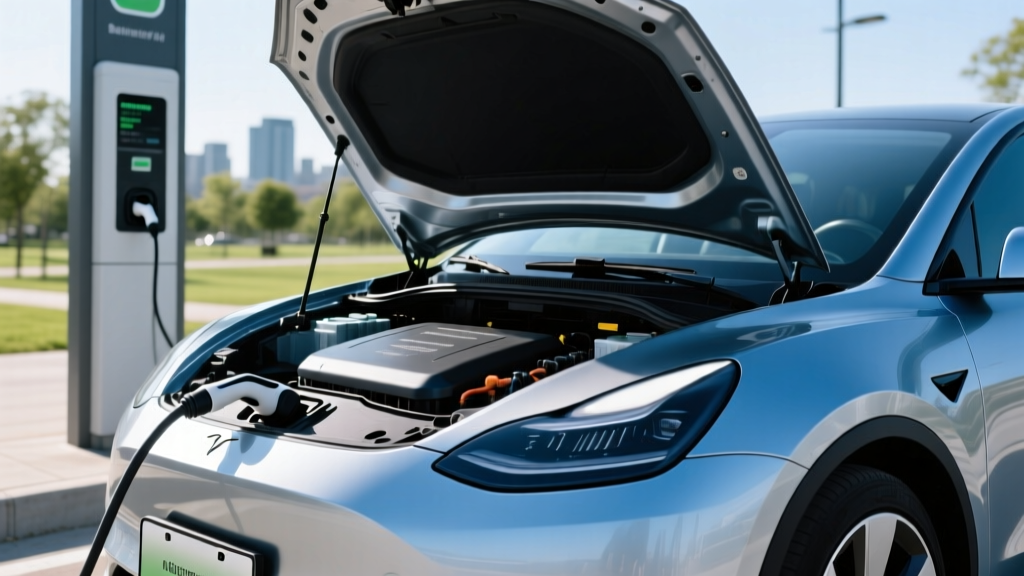
The single biggest question from any electrified-vehicle shopper is longevity. Will the high-voltage traction battery — the large pack that actually drives the wheels — outlive the car itself? The short answer, backed by over a decade of fleet and consumer data, is almost always yes. But the nuances matter, especially as 2026 model-year vehicles introduce new chemistries, larger packs, and revised warranty structures.
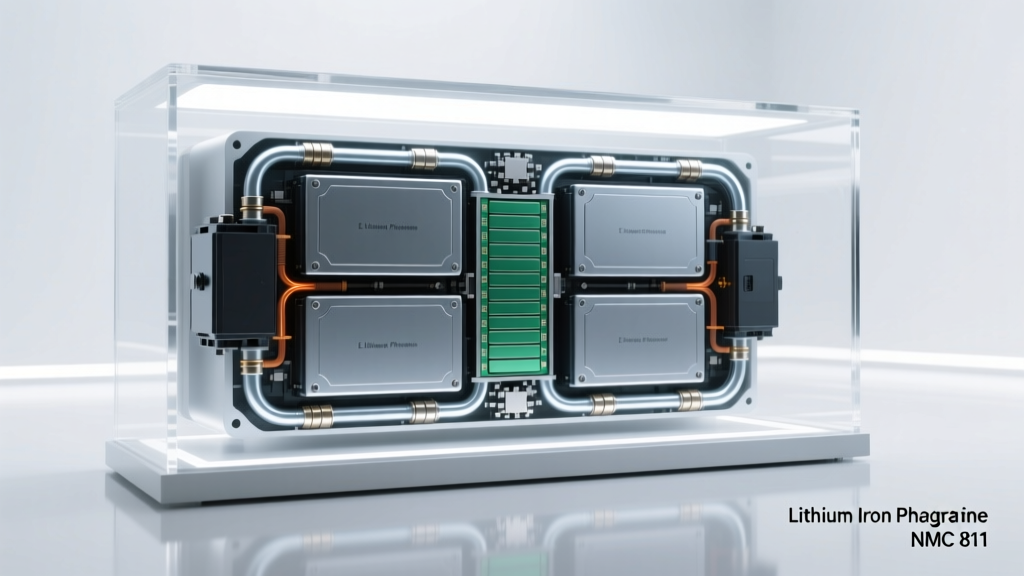
When we talk about hybrid vehicle battery life, we're covering the full spectrum: conventional hybrids (HEVs) like the Toyota Prius, plug-in hybrids (PHEVs) like the RAV4 Prime, and full battery-electric vehicles (BEVs) like the Hyundai Ioniq 5. Each architecture stresses its battery differently, and the chemistry inside the pack — lithium iron phosphate (LFP) versus nickel manganese cobalt (NMC) — plays a decisive role in how that pack ages over time.
Let's ground this in real numbers before diving into the chemistry and care strategies that determine whether your pack reaches 200,000 miles with minimal capacity loss or needs attention sooner.
- Year 1 / ~12,000 mi: 1–3% capacity loss (initial formation drop)
- Year 3 / ~36,000 mi: 4–7% total loss
- Year 5 / ~60,000 mi: 6–10% total loss
- Year 8 / ~100,000 mi: 8–14% total loss
- Year 10 / ~130,000 mi: 10–18% total loss (chemistry and usage dependent)
Sources: Geotab fleet data (2025 update), Recurrent Auto battery health reports, manufacturer warranty thresholds. NMC packs under frequent DC fast-charging and high-SoC storage trend toward the upper end; LFP packs with moderate habits trend toward the lower end.
The critical takeaway: degradation is non-linear. Most packs lose a few percent in the first year as cells stabilize, then the curve flattens considerably. A well-maintained battery losing 1–1.5% per year after the initial drop can comfortably exceed 15 years and 200,000 miles before falling below 70% state of health (SoH) — the threshold most warranties use as the trigger for a replacement or repair.
LFP vs NMC: Which Battery Chemistry Is Better for Longevity?
The 2026 EV and hybrid market offers two dominant lithium-ion chemistries, and your choice between them has more impact on long-term battery health than almost any other specification. Here's how they stack up head to head.
| Attribute | LFP (Lithium Iron Phosphate) | NMC / NCA (Nickel-Based) |
|---|---|---|
| Cycle Life | 3,000–5,000+ cycles | 1,000–2,000 cycles |
| Energy Density | Lower (~160 Wh/kg cell-level) | Higher (~250–300 Wh/kg) |
| Degradation Rate | Slower; tolerates 100% SoC storage | Faster; stressed by sustained high SoC |
| Cold-Weather Performance | Weaker; more range loss below 32°F | Better low-temp discharge capability |
| Fast-Charge Tolerance | High; handles frequent DCFC well | Moderate; frequent DCFC accelerates wear |
| Cost | Lower (no cobalt or nickel) | Higher (critical mineral supply chain) |
| Typical 2026 Applications | Tesla Model 3/Y RWD, base Ford Mustang Mach-E, many PHEVs | Long-range BEVs, performance trims, Hyundai Ioniq 5/6, Rivian |
Bottom line for longevity: LFP wins on pure cycle life and abuse tolerance. If you plan to keep your vehicle 10+ years, charge daily to 100%, or live in a hot climate, LFP is the more forgiving chemistry. NMC wins where range-per-pound matters — long-range trims and larger vehicles needing maximum energy density — but requires more deliberate charging habits (staying between 20–80% SoC for daily use) to maximize lifespan.
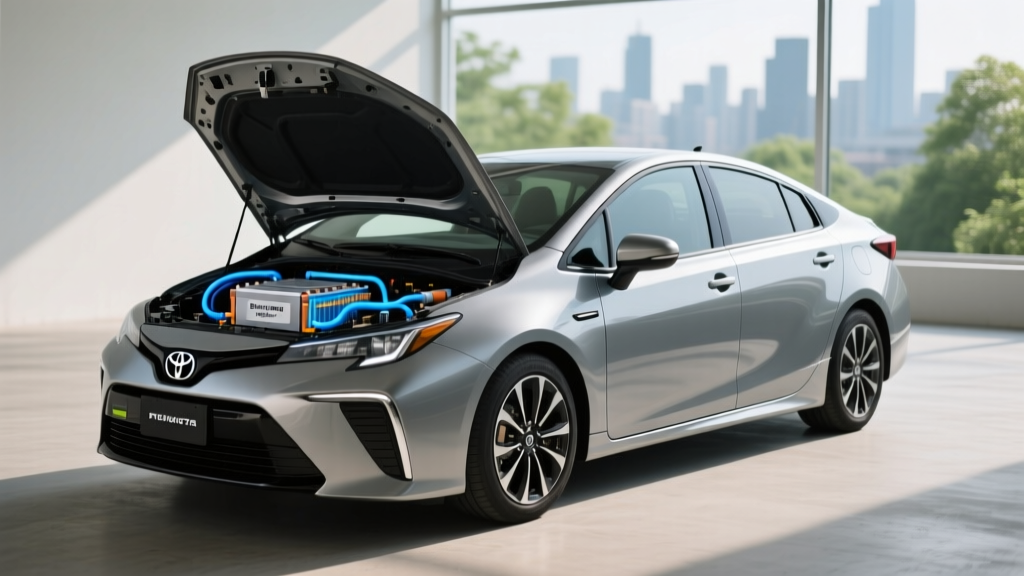
Many 2026 PHEVs, including updated versions of the Toyota RAV4 Prime and Hyundai Tucson PHEV, use NMC packs in the 15–20 kWh range. Because PHEV batteries cycle far more frequently than BEV packs (the smaller pack is drained and recharged almost every trip), the total equivalent cycle count accumulates faster. That said, Toyota's track record with hybrid battery longevity — dating back to the original 2001 Prius — demonstrates that robust thermal management and conservative depth-of-discharge strategies can push even NMC-based hybrid packs well past 150,000 miles.
What Does the Battery Warranty Actually Cover?
Federal law mandates that hybrid and EV batteries carry a minimum warranty of 8 years / 100,000 miles in most states, extending to 10 years / 150,000 miles in California Air Resources Board (CARB) states (California, Colorado, Connecticut, Maine, Maryland, Massachusetts, New Jersey, New York, Oregon, Rhode Island, Vermont, Virginia, and Washington, among others adopting CARB standards). Many manufacturers exceed these minimums.
| Manufacturer (2026 MY) | Coverage Period | Capacity Threshold | Notes |
|---|---|---|---|
| Toyota (HEV / PHEV) | 10 yr / 150,000 mi | Below 70% SoH | Covers all hybrid models; transferable |
| Hyundai / Kia | 10 yr / 100,000 mi | Below 70% SoH | Applies to HEV, PHEV, and BEV packs |
| Tesla | 8 yr / 100,000–120,000 mi (model dependent) | Below 70% SoH | Long Range/Performance models get 120k mi |
| Ford | 8 yr / 100,000 mi | Below 70% SoH | Covers BEV and PHEV traction batteries |
| General Motors (Ultium) | 8 yr / 100,000 mi | Below 70% SoH | Module-level replacement where possible |
| Honda | 8 yr / 100,000 mi (10/150k in CARB states) | Below 70% SoH | Hybrid and BEV packs covered |
What "below 70% SoH" means in practice: If your 75 kWh BEV pack degrades to the point where it can only hold 52.5 kWh, the manufacturer is obligated to repair or replace it under warranty. Most manufacturers first attempt module-level replacement — swapping out only the degraded cell groups rather than the entire pack — which is faster and less costly. Full pack replacement is typically a last resort.
Important caveat: warranties cover defects and abnormal degradation, not cosmetic capacity loss within the expected curve. A battery at 78% SoH at year 8 is degraded but still above the 70% threshold, so no warranty claim applies. This is why proactive health monitoring matters.
How Much Does a Hybrid or EV Battery Cost to Replace?
This is where fear-mongering tends to take over. Context is essential: the vast majority of hybrid and EV batteries never need replacement during normal ownership. Data from Recurrent Auto and Geotab's fleet studies show replacement rates under 3% for vehicles under 100,000 miles, and most of those are early-life manufacturing defects covered by warranty, not wear-out failures.
That said, if you're buying a 10-year-old hybrid out of warranty or planning to keep a BEV past 150,000 miles, here's what replacement pricing looks like in 2026.
| Vehicle Category / Example | Pack Size | Replacement Cost Range | Typical Need Timeline |
|---|---|---|---|
| HEV (Toyota Prius, Camry Hybrid) | 1–2 kWh | $2,000–$4,500 | 150,000–200,000+ mi (rare) |
| PHEV (RAV4 Prime, Tucson PHEV) | 13–20 kWh | $5,000–$9,000 | 120,000–180,000+ mi (uncommon) |
| Mid-size BEV (Ioniq 5, Model 3) | 58–82 kWh | $10,000–$18,000 | 200,000+ mi (very rare) |
| Large BEV (F-150 Lightning, Rivian R1S) | 98–135 kWh | $18,000–$30,000+ | 200,000+ mi (very rare) |
Several factors are pushing replacement costs down over time. Module-level repair (replacing only degraded cell groups) is increasingly standard, often cutting costs by 40–60% versus a full pack swap. The aftermarket for refurbished and reconditioned hybrid battery packs has matured significantly — a reconditioned Prius pack from a reputable supplier runs $1,200–$2,500 installed, a fraction of the OEM new-pack price. And as packs from retired EVs enter the secondary market, prices will continue to decline through the late 2020s.
The realistic perspective: a $12,000 BEV battery replacement at 200,000 miles, spread over 15 years of ownership, represents roughly $67 per month in "battery reserve" — far less than the cumulative fuel and maintenance savings most EV owners realize over that same period. The math overwhelmingly favors electrification even accounting for worst-case battery replacement.
Five Factors That Accelerate (or Protect) Battery Health
Not all miles are created equal when it comes to degradation. Here are the variables you actually control, ranked by impact.
🔋 Battery Care Best Practices
- Avoid sustained high SoC (NMC packs): Storing an NMC battery at 100% for days or weeks accelerates electrolyte decomposition. Set your daily charge limit to 80% and reserve 100% for road trips. LFP packs are far more tolerant of regular 100% charges — Tesla and Ford explicitly recommend periodic full charges for LFP packs to maintain cell-balancing accuracy.
- Minimize DC fast-charging frequency: Occasional DCFC use is fine, but daily fast-charging at 150+ kW generates sustained heat that degrades cells faster. Data from Geotab's 2025 fleet study shows vehicles fast-charging more than 3 times per week exhibited roughly 2–3% additional degradation at the 5-year mark versus vehicles primarily using Level 2 charging. Plan home Level 2 as your primary charging method.
- Manage extreme temperatures: Battery chemistry is happiest between 60–80°F. In hot climates (Arizona, Texas), park in shade or a garage when possible — sustained pack temperatures above 95°F accelerate calendar aging. In cold climates, use preconditioning (warming the battery while plugged in before departure) to reduce stress from cold charging. Most 2026 BEVs and PHEVs offer scheduled preconditioning via their companion apps.
- Don't let the pack sit at very low SoC: Storing a vehicle with the battery below 10% for extended periods (weeks) risks cell damage from copper dissolution. If storing for vacation, leave the pack at roughly 50% SoC and plugged in if possible so the battery management system (BMS) can maintain it.
- Use moderate regen settings when possible: Aggressive one-pedal driving in cold weather forces high-current regen into a cold battery, which stresses cells. Many 2026 models automatically limit regen when the pack is cold, but pre-conditioning eliminates the issue entirely.
How to Monitor Your Battery's State of Health
State of Health (SoH) is the percentage of original capacity your battery can still hold. A new pack is 100% SoH; a pack that held 75 kWh when new but now holds 65 kWh is at roughly 87% SoH.
Checking SoH varies by manufacturer:
- Tesla: No native SoH display in the vehicle UI, but the service menu (accessible by long-pressing the model name on the About screen) shows estimated capacity. Third-party apps like Tessie or TeslaFi track SoH trends over time using trip and charging data.
- Hyundai / Kia: The EV Settings menu on 2024+ models includes a battery health indicator showing approximate SoH percentage.
- Ford: The FordPass app provides battery health status, and dealerships can pull a detailed SoH report via the diagnostic port.
- Toyota (Hybrids): The Hybrid battery health check is available through the Toyota app on newer models, or any Toyota dealer can run a hybrid battery diagnostic using Techstream software.
- OBD-II tools: Universal scan tools like the OBDLink MX+ paired with apps such as ABRP (A Better Route Planner) or Car Scanner can read SoH data from most BEVs and PHEVs through the vehicle's CAN bus.
When to be concerned: If your SoH drops more than 3% in a single year after the first year, or if you notice sudden range reductions that don't correlate with weather changes, schedule a dealership diagnostic. Rapid degradation could indicate a faulty cell module, a thermal management system issue, or a BMS calibration error — all of which are typically warranty-covered if you're within the coverage period.
What's Next: Solid-State and Silicon-Anode Batteries
The battery technology pipeline is active, but realistic timelines matter. Here's where emerging chemistries stand as of 2026.
Silicon-anode batteries: Companies like Sila Nanotechnologies and Group14 are already supplying silicon-dominant anode materials to manufacturers including Mercedes-Benz (for the G-Class EV) and others. Silicon anodes increase energy density by 20–40% over graphite and enable faster charging. This technology is in limited production now and expected to scale across more models through 2027–2028. Expect it first in premium and performance vehicles.
Solid-state batteries: Toyota, Samsung SDI, and QuantumScape have all demonstrated prototype solid-state cells promising 500+ mile range, 10-minute charging, and superior longevity. However, manufacturing scale-up remains the bottleneck. Toyota has announced solid-state battery production for 2027–2028 in limited volumes, initially in premium Lexus models. Widespread, affordable solid-state packs are not expected before 2030 at the earliest. Any source claiming solid-state batteries are available in production vehicles today is inaccurate — these remain in pilot and validation phases.
Sodium-ion batteries: CATL and BYD are producing sodium-ion cells for lower-cost, shorter-range applications. These won't replace lithium-ion in long-range EVs but may appear in budget urban EVs and energy storage systems, reducing pressure on lithium supply chains. A few Chinese-market vehicles use them now; US-market adoption is expected post-2027.
For today's buyer, these emerging technologies are reasons for long-term optimism but not reasons to delay a purchase. Current lithium-ion packs (both LFP and NMC) are mature, well-understood, and demonstrably long-lasting when properly maintained.
Frequently Asked Questions
How long do hybrid vehicle batteries last in years and miles?
Most hybrid (HEV) batteries last 150,000–200,000+ miles or 12–15 years before significant degradation. Plug-in hybrid (PHEV) batteries, being larger and cycling more deeply, typically reach 120,000–180,000 miles with proper care. Full BEV batteries routinely exceed 200,000 miles before falling below 70% capacity. Toyota's hybrid track record is particularly strong — many first-generation Prius packs exceeded 200,000 miles on the original battery.
How much does it cost to replace a hybrid or EV battery?
Replacement costs range from roughly $2,000–$4,500 for a conventional hybrid pack (Prius, Camry Hybrid), $5,000–$9,000 for a PHEV pack, and $10,000–$30,000+ for a full BEV pack depending on capacity. However, actual out-of-warranty replacements are rare — most packs outlive the vehicle or are replaced under warranty. Refurbished hybrid packs are available for $1,200–$2,500 installed from aftermarket suppliers.
What does the battery warranty cover?
Federal law mandates a minimum 8-year/100,000-mile warranty on hybrid and EV traction batteries (10 yr/150,000 mi in CARB states). Coverage triggers when capacity drops below 70% of original (some manufacturers use slightly different thresholds). The warranty covers defects, abnormal degradation, and module failures. It does not cover damage from accidents, flooding, or unauthorized modifications. Always check your specific manufacturer's terms, as some exceed the federal minimum.
How do I check and maximize my battery's health?
Check SoH through your vehicle's native menu, companion app, or an OBD-II scanner. To maximize longevity: set daily charge limits to 80% for NMC packs (100% is fine for LFP), minimize frequent DC fast-charging, precondition the battery in cold weather, avoid storing the vehicle at very high or very low SoC for extended periods, and park in shade in hot climates. Regular Level 2 home charging is the gentlest and most cost-effective method.
LFP vs NMC — which chemistry is better and why?
Neither is universally "better" — it depends on your priorities. LFP offers longer cycle life (3,000–5,000+ cycles), better fast-charge tolerance, lower cost, and the ability to store at 100% SoC without damage, but sacrifices energy density and cold-weather performance. NMC delivers higher energy density (more range per pound) and better cold-weather operation but degrades faster under high-SoC storage and frequent DCFC use. If longevity and daily usability matter most, choose LFP. If maximum range and cold-climate capability are priorities, choose NMC with disciplined charging habits.
Does fast-charging damage my battery?
Occasional DC fast-charging is not harmful. The risk comes from frequent high-power DCFC (multiple times per week, every week, for years). Geotab's fleet data shows a measurable but modest 2–3% additional capacity loss at the 5-year mark for vehicles that fast-charge 3+ times weekly versus those using primarily Level 2. Modern battery management systems actively limit charge rates when the pack is hot or cold, providing built-in protection. The practical advice: use Level 2 at home as your daily method, and use DCFC for road trips without worry.
Should I wait for solid-state batteries before buying?
No. Solid-state batteries remain in pilot production as of 2026, with limited commercial availability expected in 2027–2028 in premium vehicles only. Widespread, affordable solid-state EVs are not projected before 2030+. Current lithium-ion technology (both LFP and NMC) is mature, reliable, and backed by extensive real-world longevity data. Waiting for solid-state means delaying an EV purchase by 4+ years with no guarantee of initial affordability.
Sources: EPA Fuel Economy for vehicle specifications; IRS §30D Clean Vehicle Credit for tax credit eligibility; Recurrent Auto battery health reports (2025); Geotab EV Battery Degradation Study (2025 update); manufacturer warranty documentation.