If you've ever turned the key (or pressed the start button) in a hybrid and heard nothing, you've likely met the car's weakest electrical link: the 12-volt starting battery. While hybrid owners often fixate on the high-voltage traction pack that actually propels the vehicle, it's the small, conventional 12V battery that causes the most roadside headaches. So, how long will a hybrid car starting battery last, and how does that compare to the main hybrid battery you're probably more worried about?
This guide untangles the two-battery system every hybrid and plug-in hybrid (PHEV) carries, gives you exact lifespan data for each, and explains what replacement actually costs in 2026. We'll also cover the high-voltage traction battery in depth — chemistry, degradation curves, warranty terms, and the care habits that add years to its life.
The Two-Battery System in Every Hybrid Explained
Every hybrid (HEV), plug-in hybrid (PHEV), and fully electric vehicle (BEV) sold in the US carries two separate batteries:
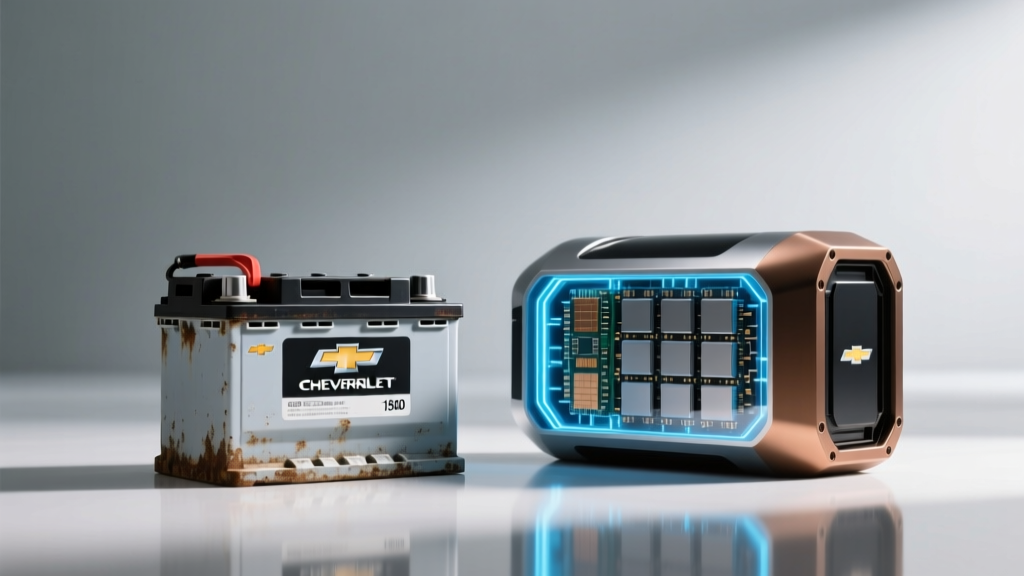
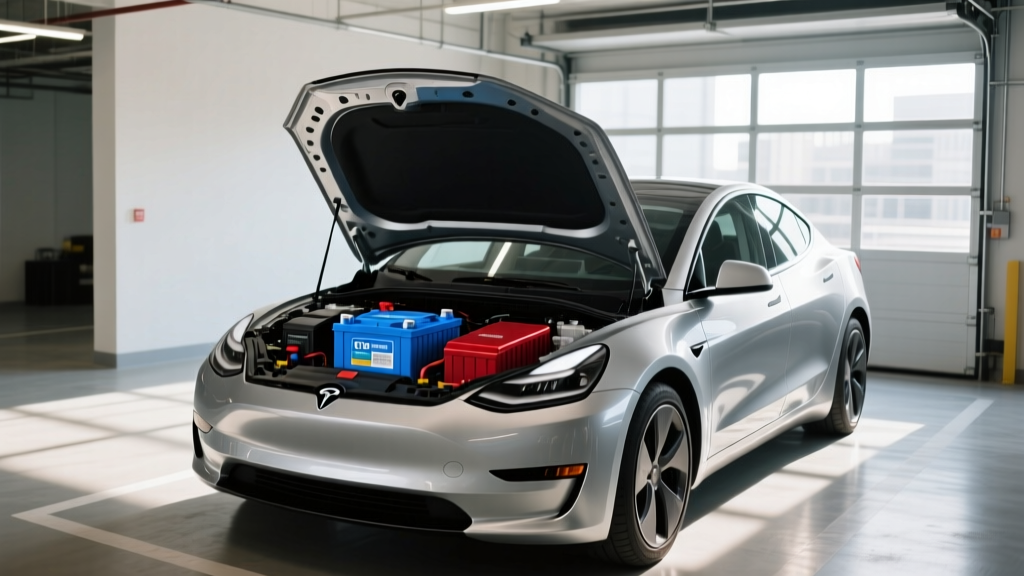
- 12V auxiliary (starting/accessory) battery: Powers the vehicle's computers, lights, infotainment, door locks, and safety systems. In hybrids, it also boots the high-voltage system's contactors — meaning if the 12V dies, the car won't start, even if the main traction pack is fully charged.
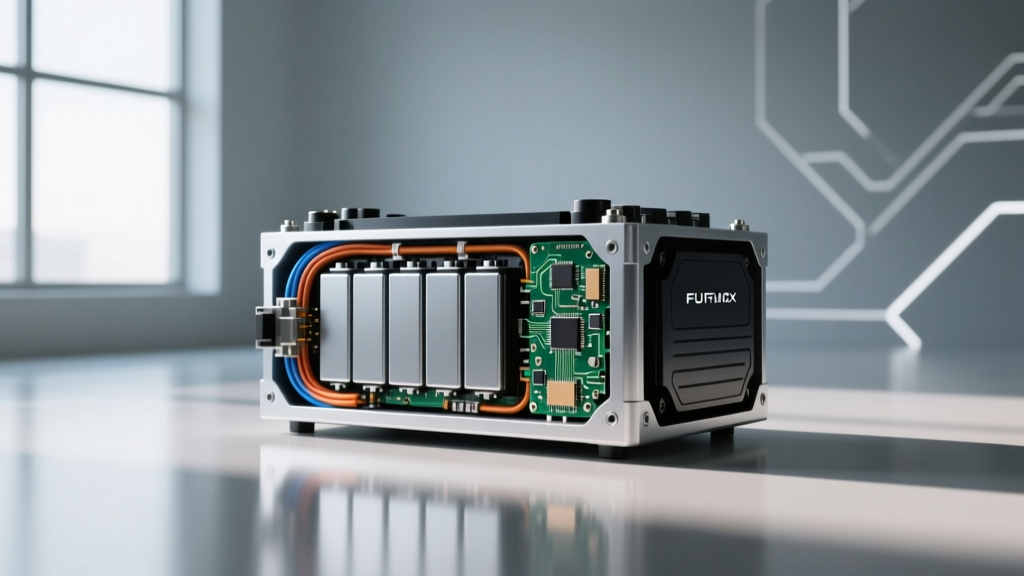
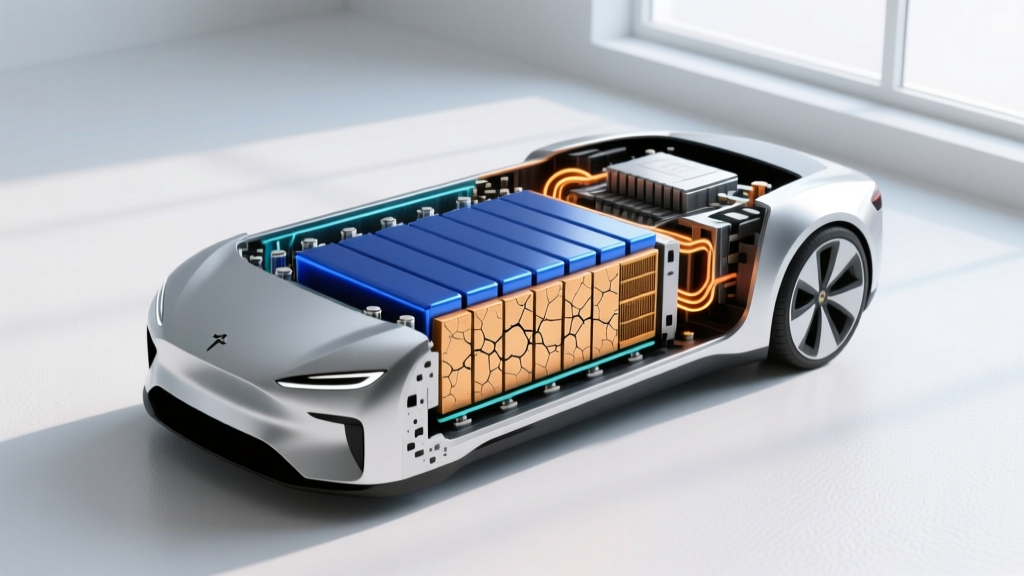
- High-voltage traction battery: The large lithium-ion (or nickel-metal hydride in older models) pack that stores energy for the electric motor. In a Toyota Prius, this is a ~1.3 kWh pack (HEV) or ~13.6 kWh pack (PHEV Prime). In a Ford Escape PHEV, it's 14.4 kWh.
Understanding this distinction is critical. When readers ask "how long will a hybrid car starting battery last," they're usually referring to the 12V unit. But many conflate it with the traction battery, which has a completely different lifespan, cost, and warranty structure. We'll cover both.
How Long Does a Hybrid's 12V Starting Battery Last?
The 12V auxiliary battery in a hybrid typically lasts 3 to 5 years, or roughly 45,000 to 75,000 miles. This is similar to a conventional gas car's 12V battery, though hybrid duty cycles can shorten or extend that range depending on usage patterns.
Why the wide range? Several factors specific to hybrids come into play:
- Frequent short trips: Hybrids shut off their gasoline engines at stops, which means the 12V battery relies heavily on the DC-DC converter (not an alternator) to recharge. Short trips may not allow full recharge cycles.
- Parasitic drain from electronics: Modern hybrids pack ADAS sensors, telematics modules, and always-connected infotainment that draw power even when the car is off.
- Temperature extremes: Hot climates (Arizona, Texas) accelerate internal plate corrosion, cutting lifespan to 2–3 years. Cold climates (Minnesota, Maine) reduce cranking capacity but tend to preserve the battery chemically.
- AGM vs flooded lead-acid: Many 2024–2026 hybrids use Absorbent Glass Mat (AGM) 12V batteries, which tolerate deeper cycling and last 4–6 years — a meaningful upgrade over traditional flooded cells (3–4 years).
- Slow or hesitant "start" sequence (dashboard lights flicker)
- Repeated "hybrid system check" warnings that clear after driving
- Power door locks or trunk actuator behaving erratically
- Battery age exceeds 4 years (check the date sticker on the case)
- OBD-II scanner shows resting voltage below 12.2V
Replacement cost for the 12V battery: $150–$350 for the part (AGM batteries cost more), plus $50–$100 in labor if dealer-installed. Many owners swap this themselves — it's typically located in the trunk or under the hood, just like a conventional car.
How Long Do Hybrid Traction Batteries Last?
The high-voltage traction battery — the one that actually makes a hybrid efficient — is a different story entirely. Based on fleet data, warranty claim rates, and long-term owner reports, modern lithium-ion hybrid traction batteries routinely last 10 to 15 years or 150,000 to 200,000+ miles before needing replacement. Many outlive the vehicle itself.
Older nickel-metal hydride (NiMH) packs, like those in 2004–2015 Toyota Prius models, also demonstrated strong longevity, though with somewhat higher degradation rates in hot climates. Toyota's own taxi-fleet data from Japan showed Prius NiMH packs reaching 200,000 miles with roughly 20–25% capacity loss — still functional, just with reduced electric-only assist.
For 2025–2026 model-year hybrids using lithium-ion chemistry (which is now nearly universal across Toyota, Honda, Hyundai, Kia, and Ford), degradation is slower and more predictable. According to fueleconomy.gov, current PHEVs and HEVs carry lithium-ion packs designed for a minimum 10-year operational life under normal conditions.
Degradation Data: What the Numbers Actually Show
Hybrid traction batteries don't suddenly fail — they gradually lose capacity over time. Here's what real-world degradation data looks like for modern lithium-ion hybrid packs:
| Time / Mileage | Average Capacity Retained | Noticeable Effect |
|---|---|---|
| Year 1 / 15,000 mi | 97–99% | None — imperceptible |
| Year 3 / 45,000 mi | 93–96% | Slight reduction in EV-only range (PHEV) |
| Year 5 / 75,000 mi | 89–94% | PHEV may lose 2–4 miles of electric range |
| Year 8 / 120,000 mi | 84–90% | Moderate EV range loss; HEV assist slightly reduced |
| Year 10 / 150,000 mi | 78–87% | Noticeable PHEV range drop; HEV still functional |
| Year 12–15 / 180,000+ mi | 70–82% | Approaching warranty threshold; replacement may be considered |
Important context: A hybrid (HEV) with a 1.3 kWh pack losing 20% capacity still functions perfectly well as a hybrid — you'll just see slightly less electric assist during acceleration and marginally lower MPG. A PHEV with a 14 kWh pack losing 20% drops from, say, 38 miles of electric range to about 30 miles — still very usable.
This is fundamentally different from a BEV, where a 20% loss on a 250-mile range means dropping to 200 miles — a more impactful reduction for road-trip planning.
Battery Chemistry: LFP vs NMC and What Hybrids Use
Understanding battery chemistry helps explain why hybrid packs last as long as they do. Two dominant chemistries power today's electrified vehicles:
| Attribute | LFP (Lithium Iron Phosphate) | NMC/NCA (Nickel Manganese Cobalt / Nickel Cobalt Aluminum) |
|---|---|---|
| Energy Density | Lower (~160 Wh/kg cell-level) | Higher (~220–260 Wh/kg cell-level) |
| Cycle Life | 3,000–5,000+ cycles to 80% SoH | 1,000–2,000 cycles to 80% SoH |
| Thermal Stability | Excellent — very resistant to thermal runaway | Good — requires more active thermal management |
| Cold-Weather Performance | Weaker below 14°F (-10°C); slower charge acceptance | Better low-temp discharge and charge performance |
| Cost | ~20–30% cheaper per kWh (no cobalt/nickel) | Higher due to cobalt and nickel content |
| Common Applications | Tesla Model 3/Y RWD, BYD models, some 2025–2026 PHEVs | Most BEVs, many PHEVs, performance-oriented models |
| Hybrid Usage (2026) | Emerging in some PHEVs (e.g., select BYD/Stellantis models) | Dominant in Toyota, Hyundai, Kia, Ford hybrid/PHEV packs |
For standard hybrids (HEVs), the traction battery is small enough that energy density matters less than cycle life and durability. This is why Toyota used NiMH for so long — it was robust and predictable. The industry-wide shift to lithium-ion (mostly NMC variants) in 2020+ models brought weight savings and better power density while maintaining strong longevity.
LFP is beginning to appear in PHEV traction packs where cost reduction is a priority and the pack is large enough that LFP's lower energy density is manageable. Expect this trend to accelerate through 2027–2028 as LFP supply chains mature in North America.
Hybrid Battery Warranty Terms: What's Actually Covered
Federal law (EPA emissions warranty requirements) and manufacturer policies ensure hybrid traction batteries carry strong warranty coverage. Here's how the major brands stack up for 2025–2026 model-year vehicles:
| Manufacturer | Warranty Period | Mileage Limit | Capacity Threshold | Notes |
|---|---|---|---|---|
| Toyota | 10 years | 150,000 miles | Not publicly specified; case-by-case | Applies to all HEV/PHEV models; transferable |
| Hyundai / Kia | 10 years | 100,000 miles | ~70% capacity retention | Original owner; 5yr/60k if transferred |
| Honda | 8 years | 100,000 miles | Not publicly specified | Covers hybrid system components too |
| Ford | 8 years | 100,000 miles | ~70% capacity retention | PHEV and HEV models covered equally |
| Chrysler / Jeep (Stellantis) | 8 years | 100,000 miles | ~70% capacity retention | 4xe PHEV models included |
What the warranty covers: Defects in materials or workmanship, and capacity loss below the stated threshold under normal use. It does not cover damage from accidents, flooding, improper modifications, or neglect (like ignoring coolant system warnings that affect battery thermal management).
Key detail for CARB states: If you register your hybrid in a state that follows California Air Resources Board (CARB) emissions rules — including California, New York, Colorado, Washington, Oregon, and several others — you may be entitled to extended hybrid battery warranty coverage of 10 years / 150,000 miles regardless of the manufacturer's standard policy. Check your state's CARB adoption status and your owner's manual warranty section.
The 12V auxiliary battery carries a much shorter warranty — typically 3 years / 36,000 miles under the vehicle's basic bumper-to-bumper coverage. After that, 12V replacement is out-of-pocket.
Replacement Costs: 12V vs Traction Battery
Let's put real dollar figures to both batteries:
| Battery Type | Typical Cost (Parts + Labor) | When Needed | Refurbished/Aftermarket Option |
|---|---|---|---|
| 12V Auxiliary (Flooded) | $150–$250 | Every 3–4 years | N/A — always buy new |
| 12V Auxiliary (AGM) | $250–$400 | Every 4–6 years | N/A — always buy new |
| HEV Traction (e.g., Prius) | $2,500–$4,500 | Rarely before 150k mi; 12–18 years | $1,500–$2,500 (reconditioned modules) |
| PHEV Traction (e.g., RAV4 Prime) | $5,000–$9,000 | Rarely before 120k mi; 12–15 years | $3,500–$5,500 (reconditioned) |
| PHEV Traction (e.g., Jeep 4xe) | $6,000–$10,000 | Rarely before 100k mi; 10–14 years | Limited aftermarket availability |
The honest reality: most hybrid owners will never pay for a traction battery replacement. The battery typically outlasts the vehicle's economic life, or the car is sold/traded before the pack degrades to a problematic level. The 12V battery, however, is a recurring maintenance expense — plan for one or two replacements during a typical ownership period.
For out-of-warranty traction battery replacements, the refurbished market has matured significantly. Independent hybrid specialists can replace individual failed modules within a pack rather than the entire assembly, cutting costs by 40–60%. According to data referenced by NHTSA consumer resources, hybrid battery failure rates remain low — well under 5% within warranty periods for major manufacturers.
Factors That Kill Hybrid Batteries (And How to Avoid Them)
Both the 12V and traction batteries are affected by how you drive and store your hybrid. Here are the biggest longevity factors:
For the 12V Battery
- Long sitting periods: If the hybrid sits unused for 2+ weeks, the 12V can drain below recovery voltage. Use a smart maintainer (battery tender) if storing.
- Extreme heat: Underhood temperatures in Southern summers can exceed 160°F, accelerating electrolyte loss and plate corrosion. AGM batteries handle this better.
- Aftermarket accessories: Dashcams, GPS trackers, and phone chargers left plugged in create parasitic drain that slowly kills the 12V.
For the Traction Battery
- Chronic 100% state of charge: PHEV owners who charge to 100% every night and never drive on electric create high-voltage stress. Most manufacturers recommend 80–90% daily charge for PHEVs, with 100% reserved for days you'll drive the full electric range.
- Extreme heat exposure: Repeatedly parking a PHEV in direct sun in 100°F+ weather with a full charge accelerates electrolyte decomposition. Park in shade or a garage when possible.
- Neglecting thermal management: Hybrid traction batteries use liquid or air cooling. If your vehicle's hybrid system coolant is never changed (check maintenance schedule — typically every 60,000–100,000 miles), degraded coolant reduces cooling efficiency and accelerates cell aging.
- Aggressive driving in extreme cold: Drawing maximum power from a cold battery (below 20°F) without allowing warm-up causes lithium plating on the anode, permanently reducing capacity. Most 2025–2026 PHEVs have battery preconditioning — use it.
- Check 12V resting voltage monthly (target: 12.4V+ with car off for 2 hours)
- Replace 12V battery proactively at year 4 — don't wait for failure
- For PHEVs: set charge limit to 80–90% for daily use; 100% only when you'll drive it
- Follow hybrid coolant replacement intervals in your owner's manual
- Use battery preconditioning before fast driving in sub-freezing weather
- Avoid leaving PHEV at 100% SoC for more than 24 hours
- Drive the car regularly — at least 30 minutes weekly keeps both batteries healthy
How to Check Your Hybrid Battery's State of Health
Most hybrids don't display a simple "battery health percentage" on the dashboard like a smartphone, but you have several options to monitor traction battery State of Health (SoH):
- Dealer diagnostic scan: Any authorized dealer can pull a hybrid battery health report during routine service. This shows individual module voltages, internal resistance, and estimated capacity. Ask for it at your next oil change.
- OBD-II scanner with hybrid app: Tools like the OBDLink MX+ paired with apps such as Torque Pro, Dr. Prius (Toyota-specific), or Hybrid Assistant (Toyota/Lexus) can read real-time traction battery data including voltage spread across modules, temperature, and estimated SoH. These cost $50–$120 for the hardware.
- PHEV range tracking: The simplest DIY method — track your electric-only range over time. If your RAV4 Prime delivered 42 miles of EV range when new and now delivers 36 miles at the same ambient temperature, that's roughly 14% degradation.
- 12V battery testers: Any auto parts store will test your 12V battery for free. They measure cold cranking amps (CCA) and internal resistance to predict remaining life.
What's Next: Solid-State and Silicon-Anode Batteries
The battery technology pipeline promises improvements that will eventually reach hybrid vehicles, though timelines remain uncertain:
Solid-state batteries replace the liquid electrolyte with a solid ceramic or polymer layer, offering higher energy density, faster charging, and improved safety (no flammable electrolyte). Toyota has announced solid-state battery prototypes and targets limited production vehicles by 2027–2028, though these will likely debut in BEVs before trickling down to hybrids. Mass-market availability in hybrids is realistically a 2029–2032 proposition.
Silicon-anode batteries replace graphite anodes with silicon, which can store roughly 10x more lithium ions per unit mass. Companies like Sila Nanotechnologies and Group14 are already shipping early silicon-anode cells to automotive partners. Expect initial appearances in premium PHEVs and BEVs by 2027, with broader hybrid adoption by 2029–2030.
Both technologies are genuine advances — not vaporware — but neither is available in any production hybrid you can buy today. For buyers deciding now, current lithium-ion hybrid batteries are proven, well-warrantied, and demonstrably long-lasting. Waiting for solid-state means waiting at least 3–5 years for realistic hybrid availability.
Frequently Asked Questions
How long will a hybrid car starting battery last on average?
The 12V starting (auxiliary) battery in a hybrid typically lasts 3 to 5 years, or about 45,000 to 75,000 miles. AGM-type 12V batteries, which many 2024–2026 hybrids use, can last 4 to 6 years. Climate is the biggest variable — expect shorter life in hot states and longer life in cool climates.
How long do hybrid traction batteries last?
Modern lithium-ion hybrid traction batteries typically last 10 to 15 years or 150,000 to 200,000+ miles. Many outlive the vehicle entirely. Capacity loss is gradual — expect roughly 10–15% degradation over 10 years under normal use.
How much does it cost to replace a hybrid's main battery?
HEV traction battery replacement runs $2,500–$4,500 at a dealer (e.g., Toyota Prius). PHEV packs cost $5,000–$10,000 depending on the model and pack size. Refurbished/reconditioned packs are available for 40–60% less. However, most hybrid owners never need to replace the traction battery during ownership.
Does the hybrid battery warranty cover degradation?
Yes, if capacity drops below the manufacturer's threshold (typically 70% of original capacity) within the warranty period. Most hybrid battery warranties run 8 years/100,000 miles or 10 years/150,000 miles. CARB-state residents may get extended coverage. The 12V battery is covered under the basic 3-year/36,000-mile bumper-to-bumper warranty only.
Can a hybrid run without a 12V battery?
No. Even though the high-voltage traction battery powers the drivetrain, the 12V battery is required to boot the vehicle's computers and close the high-voltage system's contactors (safety relays). A dead 12V battery means a dead hybrid — the car will not start. This is why 12V maintenance matters.
LFP vs NMC — which battery chemistry is better for hybrids?
For standard hybrids (HEVs), NMC remains dominant due to its higher power density and better cold-weather performance. LFP offers superior cycle life and lower cost, making it attractive for PHEV packs where the battery is larger. Neither is universally "better" — it depends on the application. Most 2026 hybrids use NMC variants.
How do I maximize my hybrid battery's lifespan?
For the traction battery: avoid chronic 100% charging (PHEVs), follow coolant replacement schedules, use battery preconditioning in cold weather, and drive regularly. For the 12V: replace it proactively at year 4, avoid parasitic drain from accessories, and use a battery maintainer if the car sits for extended periods.
For official fuel economy and hybrid efficiency data, visit fueleconomy.gov. For federal tax credit eligibility on new PHEVs (which must meet §30D battery sourcing and MSRP requirements), consult IRS.gov's clean vehicle credits page — note that standard HEVs do not qualify for the federal purchase credit, only PHEVs and BEVs do, and eligibility depends on MSRP caps, buyer income limits, and battery component sourcing requirements that change annually.