The Real Answer to "How Do I Recharge My EV Battery?"
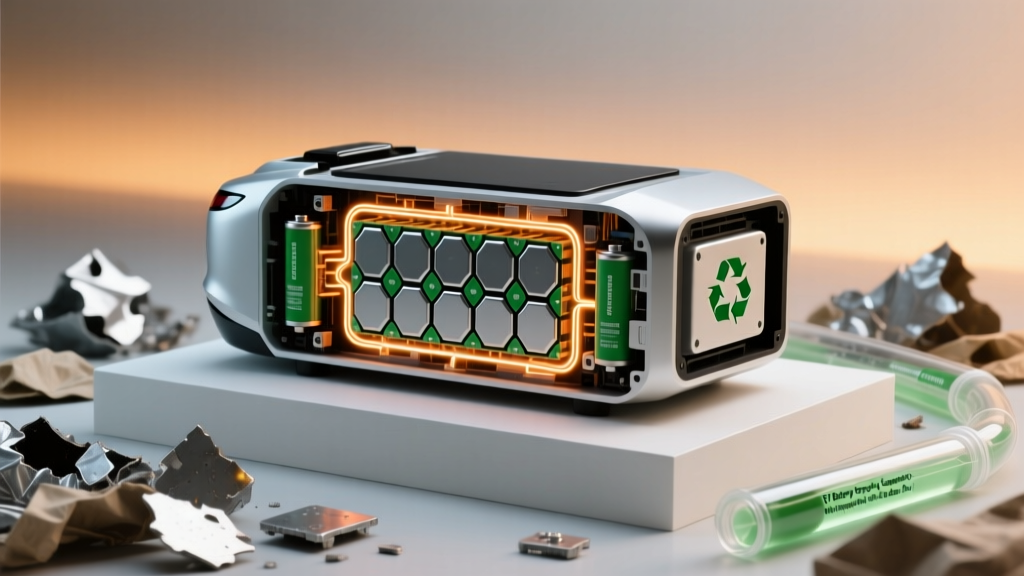
Most new EV owners ask a deceptively simple question: how do I recharge batteries without wrecking them? The answer depends on three variables you control — charging speed, state of charge (SoC) habits, and thermal management — plus one you don't: battery chemistry. Understanding how these interact is the difference between a pack that holds 90% capacity at 100,000 miles and one that dips below warranty thresholds.
This guide covers the chemistry inside your pack, what degradation actually looks like in real data, what your warranty protects (and what it doesn't), and the daily habits that extend or shorten battery life. We'll also address the replacement-cost question honestly, because while headlines love five-figure battery swap stories, the reality for most 2026 EVs is far less dramatic.
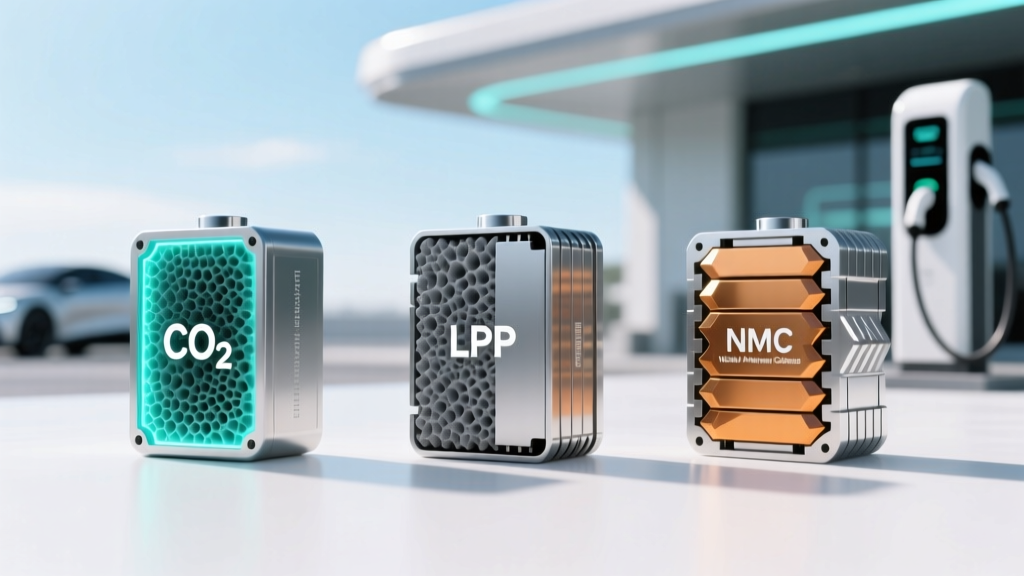
LFP vs NMC/NCA: The Chemistry That Determines How You Recharge
Before you plug in, know what's in your pack. Two dominant lithium-ion chemistries power 2026 EVs, and each demands a slightly different approach to charging and care.
| Attribute | LFP (Lithium Iron Phosphate) | NMC/NCA (Nickel Manganese Cobalt / Nickel Cobalt Aluminum) |
|---|---|---|
| Energy Density | ~160–180 Wh/kg (lower) | ~220–260 Wh/kg (higher) |
| Cycle Life | 3,000–5,000+ cycles to 80% SoH | 1,500–2,500 cycles to 80% SoH |
| Cold-Weather Performance | Moderate — slower charging below 32°F | Better low-temp charge acceptance |
| Cost per kWh (pack-level) | ~$100–$120 | ~$130–$160 |
| Recommended Daily SoC | 100% OK (BMS calibrates better) | 80% for daily; 100% for trips |
| Thermal Runaway Risk | Very low | Low but higher than LFP |
| Typical Applications (2026) | Tesla Model 3/Y RWD, Ford Mustang Mach-E Select, Rivian Standard | Tesla Long Range, Hyundai Ioniq 5/6, GM Ultium-based models, Porsche Taycan |
Which is better? Neither is universally superior. If you want maximum range in a lighter package and don't mind managing SoC, NMC/NCA delivers. If you plan to own the car 10+ years, charge to 100% daily, and prioritize longevity and safety margin, LFP is the stronger choice. Tesla's standard-range vehicles switched to LFP for exactly this reason, and by 2026, LFP has captured roughly 40% of the global EV pack market, per industry analysts.
How Long Do EV Batteries Actually Last?
The short answer: longer than most owners keep the car. Data from fueleconomy.gov, manufacturer warranty filings, and fleet studies consistently show modern liquid-cooled packs retaining 85–92% of original capacity at 100,000 miles under normal use.
Typical Degradation Curve (Liquid-Cooled Packs, Moderate Climate):
- Year 1 / 15,000 mi: 2–4% loss (initial formation settling)
- Year 3 / 45,000 mi: 5–8% total loss
- Year 5 / 75,000 mi: 8–12% total loss
- Year 8 / 120,000 mi: 12–18% total loss
- Year 10 / 150,000 mi: 15–22% total loss (varies significantly by chemistry and habits)
LFP packs tend to sit at the lower end of these ranges; NMC packs charged to 100% daily and DC fast-charged frequently trend toward the higher end. Data sourced from Geotab fleet studies, Recurrent Auto battery health reports, and manufacturer warranty claim rates.
Critical context: degradation is non-linear. Most loss occurs in the first 20,000–30,000 miles as the solid electrolyte interphase (SEI) layer stabilizes. After that, the curve flattens considerably. A 2026 Hyundai Ioniq 5 with its 77.4 kWh NMC pack, for example, may lose 4% in year one and only 1.5% per year thereafter under moderate use.
What Does the EV Battery Warranty Actually Cover?
Federal law mandates a minimum 8-year / 100,000-mile battery warranty for EVs sold in the U.S., but the details vary by manufacturer. Here's what the major brands commit to as of 2026:
| Manufacturer | Duration | Mileage | Capacity Retention Threshold | Notes |
|---|---|---|---|---|
| Tesla (Model 3/Y LFP) | 8 years | 120,000 mi | 70% | Long Range/Performance: 8yr/120k, 70% |
| Hyundai / Kia | 10 years | 100,000 mi | 70% | Among the longest coverage in the industry |
| GM (Ultium-based) | 8 years | 100,000 mi | 70% | Covers Bolt EV/EUV successor, Equinox EV, Blazer EV |
| Ford (Mach-E, F-150 Lightning) | 8 years | 100,000 mi | 70% | Components and capacity |
| Rivian | 8 years | 175,000 mi | 70% | Higher mileage cap reflects adventure-use positioning |
| Volkswagen (ID.4) | 8 years | 100,000 mi | 70% | Standard across MEB platform |
What's covered: Capacity loss below the stated threshold (typically 70% of original kWh), manufacturing defects, and cell failures. The warranty applies to the high-voltage traction battery — not the 12V auxiliary battery, which is covered under a separate, shorter bumper-to-bumper warranty.
What's typically excluded: Damage from accidents, flooding, unauthorized modifications, or use of non-OEM charging equipment that causes electrical damage. Normal degradation above the threshold is considered expected wear.
EV Battery Replacement Cost: The Honest Numbers
This is where fear-mongering thrives, so let's ground the discussion in data. Yes, a full pack replacement is expensive. No, most owners will never need one.
| Vehicle / Pack Size | Battery Chemistry | Replacement Cost (Parts + Labor) | Typical Need Timeline |
|---|---|---|---|
| Tesla Model 3 RWD (~60 kWh) | LFP | $12,000–$15,000 | Rarely before 200,000+ mi |
| Hyundai Ioniq 5 (~77.4 kWh) | NMC | $15,000–$20,000 | Rarely before 150,000–200,000 mi |
| Ford F-150 Lightning Ext. Range (~131 kWh) | NMC | $25,000–$35,000 | Rarely before 150,000+ mi |
| Chevrolet Equinox EV (~85 kWh) | NMC (Ultium) | $16,000–$22,000 | Rarely before 150,000+ mi |
| Nissan LEAF (40–62 kWh) | NMC (passive air cooling) | $8,000–$12,000 | May need earlier due to thermal mgmt. limitations |
Important nuance: these are full-pack replacement costs. Many repairs involve individual module or cell replacement at a fraction of the cost — $2,000–$6,000 depending on the pack architecture. Tesla's structural battery packs and GM's Ultium platform are designed for module-level service, reducing the likelihood of a full swap.
The Nissan LEAF is the cautionary tale here. Its passively air-cooled pack degrades faster in hot climates, and some early 2011–2017 owners saw significant capacity loss within 5–7 years. Every major EV sold in 2026 uses active liquid cooling, which has largely eliminated this accelerated-degradation scenario.
How to Recharge Batteries for Maximum Longevity
Here's where your daily habits matter most. These guidelines apply primarily to NMC/NCA packs; LFP owners have more flexibility (see notes below).
Daily Charging Best Practices
- Set a charge limit of 80% for daily driving (NMC/NCA). Reserve 100% for road trips. LFP owners: charging to 100% at least once a week is recommended for BMS cell-balancing calibration.
- Avoid letting SoC drop below 10% regularly. Occasional dips are fine; habitual deep discharges stress the anode.
- Use Level 2 home charging as your primary method. A 7–11 kW Level 2 charger adds 25–45 miles of range per hour and is gentler on the pack than frequent DC fast charging.
- Precondition your battery before DC fast charging. Most 2026 EVs do this automatically when you navigate to a charger. Cold batteries accept charge slower and experience more lithium plating risk.
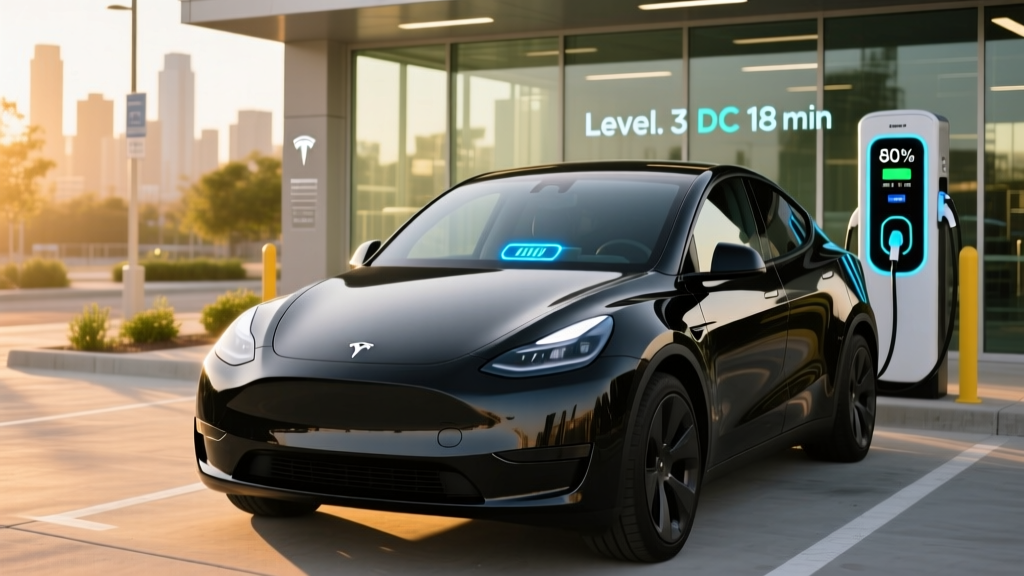
- Limit DC fast charging to road trips or when necessary. Occasional use is fine — the BMS manages heat — but daily 150+ kW sessions accelerate degradation by 1–3% over the pack's life, per Recurrent Auto data.
Temperature Management
- Park in shade or a garage when possible in summer. Sustained pack temperatures above 95°F (35°C) accelerate calendar degradation even when not driving.
- Plug in during extreme cold. Most EVs use grid power to maintain battery temperature when plugged in, reducing cold-weather range loss (typically 20–35% at 20°F / -7°C).
- Use scheduled departure times. Setting a departure time lets the car precondition the battery on grid power, so you start with a warm pack and full range.
Long-Term Storage
- If storing for 2+ weeks, leave the car at ~50% SoC, plugged in if possible, with the charger set to maintain that level.
- Never store at 100% or below 10% for extended periods — both accelerate calendar aging.
How to Check and Monitor Your Battery's State of Health
State of Health (SoH) tells you what percentage of original capacity your pack retains. Monitoring it helps you catch abnormal degradation early and plan around realistic range.
Built-In Tools
Most 2026 EVs display SoH or a range-estimate trend in the vehicle settings menu. Tesla shows projected range at 100% (which you can compare to original EPA figures). Hyundai/Kia include a battery health screen in the infotainment system. GM's Ultium-based vehicles report battery condition through the myChevrolet/myCadillac app.
Third-Party Diagnostics
For a more precise reading, services like Recurrent Auto (free for members) and Geotab offer SoH reports based on telematics data. You can also request a battery health report from your dealer — most will run a full diagnostic scan that reads individual cell voltages, internal resistance, and total usable kWh.
DIY Estimation Method
Charge to 100%, note the displayed range, and compare it to the original EPA rating. A 2026 Ioniq 5 Long Range originally rated at 303 miles EPA that now shows 275 miles at 100% has roughly 91% SoH. This isn't perfectly precise (the displayed range estimate uses recent driving efficiency), but it's a useful trend tracker over time.
What's Next: Solid-State and Silicon Anode Batteries
Several next-generation battery technologies are in development, but none are commercially available in production EVs as of 2026. Here's where they stand:
Solid-state batteries replace the liquid electrolyte with a solid material, promising 30–50% higher energy density, faster charging (potential 10–80% in under 10 minutes), and improved safety. Toyota has announced a solid-state battery target for 2027–2028 production vehicles, and Samsung SDI is piloting cells for 2028 model-year applications. Realistic mass-market availability remains 2029–2030 at the earliest, with initial deployment likely in premium vehicles due to manufacturing cost.
Silicon anode technology replaces graphite anodes with silicon-dominant materials, increasing energy density by 20–40%. Companies like Sila Nanotechnologies and Group14 are supplying silicon anode materials to battery manufacturers, and early commercial cells are entering production for 2026–2027 model-year EVs. Expect incremental range improvements rather than a step-change revolution.
Sodium-ion batteries offer a low-cost alternative for budget EVs and stationary storage. CATL has begun shipping sodium-ion packs for Chinese-market vehicles, but energy density (~140–160 Wh/kg) limits their use to shorter-range applications. U.S. availability is not expected before 2028.
Bottom line: current lithium-ion chemistries (LFP and NMC) will dominate through at least 2030. Buy based on what's available now, not on announced technology timelines.
Frequently Asked Questions
How long do EV batteries last in years and miles?
Modern liquid-cooled EV batteries typically last 150,000–250,000 miles before dropping below 70–80% of original capacity. In years, that translates to 12–20 years of average driving (12,000–15,000 miles/year). LFP packs often exceed 200,000 miles with minimal degradation. Most packs outlive the vehicle's body and chassis.
How much does it cost to replace an EV battery?
Full pack replacement costs range from $8,000 for a small pack (e.g., older Nissan LEAF 40 kWh) to $35,000 for a large pack (e.g., F-150 Lightning Extended Range 131 kWh). Most common mid-size EVs (60–85 kWh) fall in the $12,000–$22,000 range including labor. However, module-level repairs cost $2,000–$6,000, and most owners never need either during their ownership.
What does the battery warranty cover?
Federal law requires a minimum 8-year/100,000-mile warranty on EV batteries. Coverage includes capacity loss below a specified threshold (typically 70% of original capacity), manufacturing defects, and cell failures. Hyundai/Kia extends this to 10 years/100,000 miles. The warranty covers the high-voltage traction battery only — the 12V auxiliary battery has separate, shorter coverage. Check your specific manufacturer's terms at irs.gov for related tax implications on battery replacement.
How do I check my EV battery health?
Use your car's built-in battery health screen (most 2026 EVs include one), compare your 100% charge displayed range to the original EPA rating, or use third-party services like Recurrent Auto for detailed SoH reports. Your dealer can also run a full diagnostic scan showing individual cell voltages and total usable kWh.
LFP vs NMC — which battery chemistry should I choose?
Choose LFP if you prioritize longevity, want to charge to 100% daily without worry, value lower replacement cost, and can accept slightly less range for the same pack weight. Choose NMC/NCA if you need maximum range, better cold-weather charging performance, and don't mind managing SoC to 80% for daily use. Neither is "better" — they optimize for different ownership patterns. For a comprehensive overview of how battery choices affect the EPA-rated efficiency and range of specific models, consult fueleconomy.gov.
Does fast charging damage my EV battery?
Occasional DC fast charging (1–3 times per week) causes negligible additional degradation in modern liquid-cooled packs. Daily DC fast charging at 150+ kW can accelerate degradation by 1–3% over the pack's lifetime compared to exclusive Level 2 charging. The bigger risk is frequent fast charging in extreme heat without adequate preconditioning. For daily use, a home Level 2 charger at 7–11 kW remains the healthiest charging method.
Should I charge my EV every night?
If you have an NMC/NCA pack and drive less than 30% of your range daily, you don't need to charge every night — plugging in every 2–3 days to 80% is fine and reduces cycle count. LFP owners benefit from more frequent charging to 100% for BMS calibration. The most important rule: don't let the car sit at very low or very high SoC for extended periods.