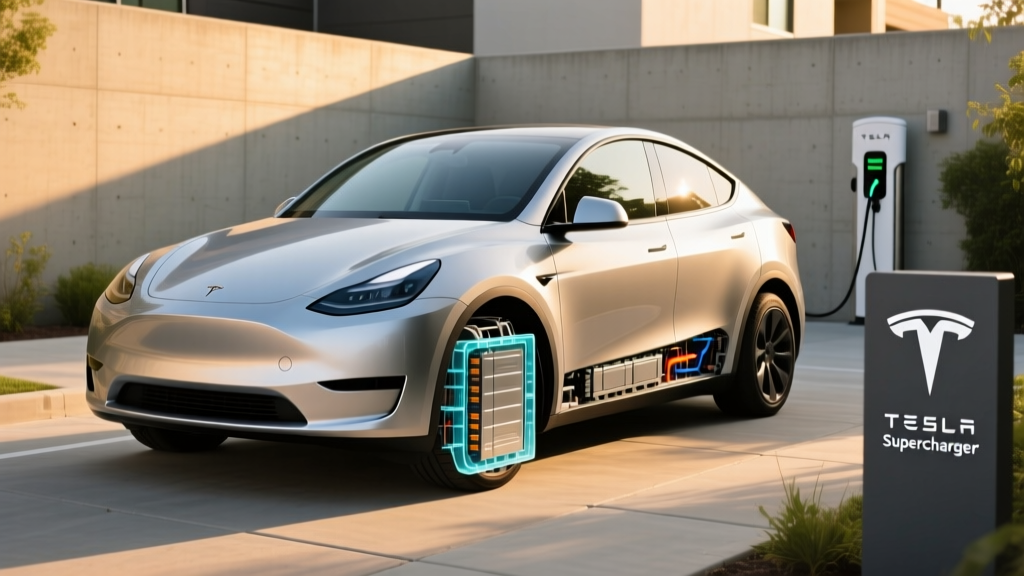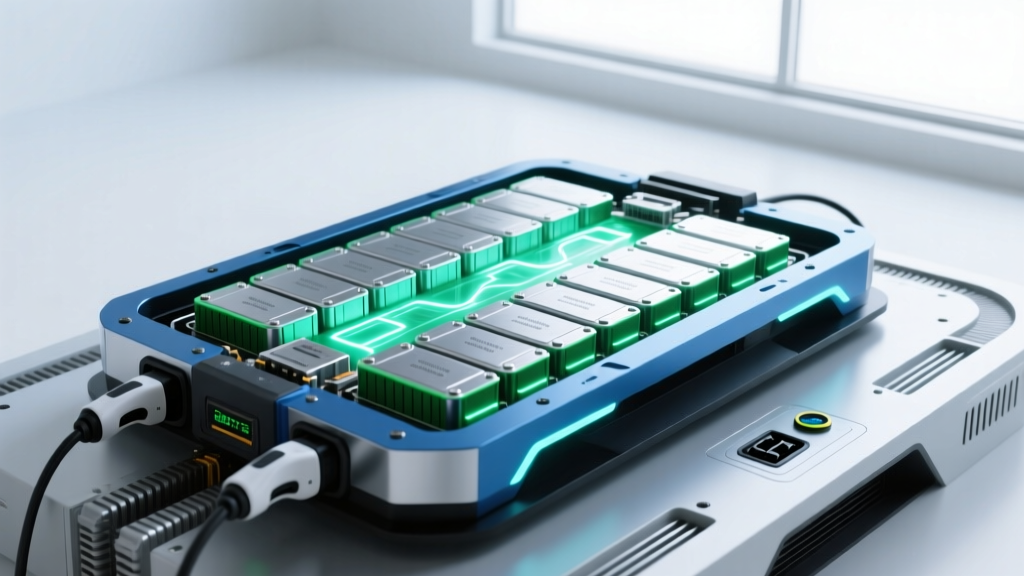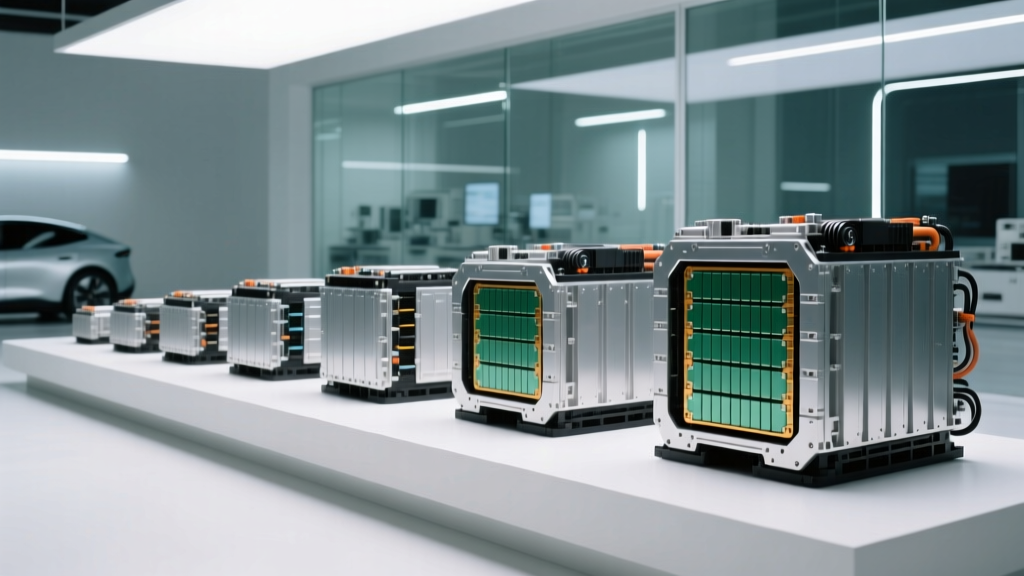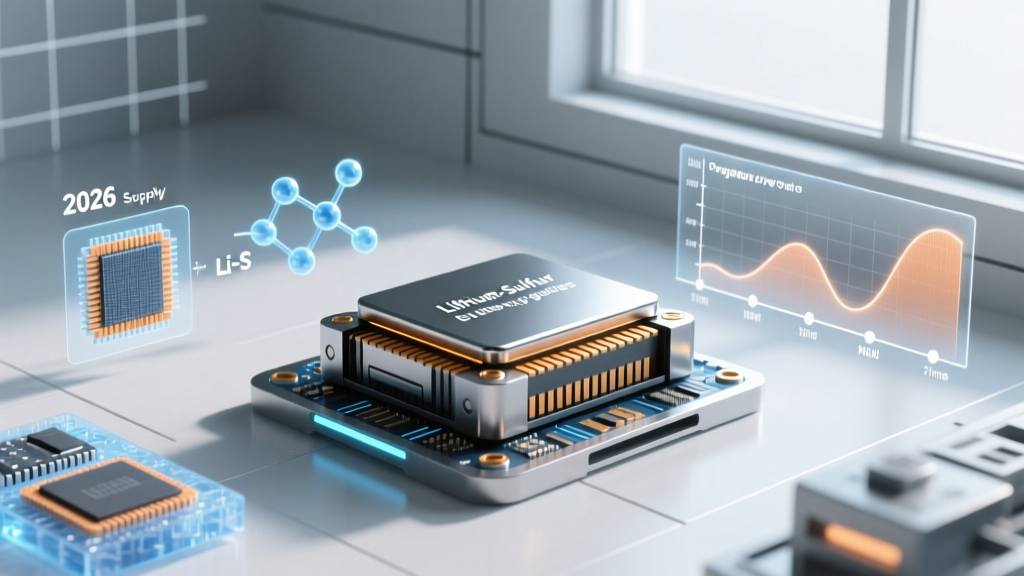
When you search for "HL GA Battery Company LLC," you are likely tracing the supply chain behind the high-voltage traction battery in a modern electric vehicle. HL GA Battery Company LLC is part of the broader Hanwha Group (formerly Hanwha Solutions / Hanwha Impact) ecosystem operating out of Georgia, tied to battery-material sourcing, cell manufacturing partnerships, and the growing U.S. EV battery industrial base anchored by the Inflation Reduction Act's domestic-content rules. Understanding that corporate footprint is useful — but what matters more to an EV buyer or owner is the technology inside the pack: the chemistry, the degradation curve, the warranty, and the eventual replacement cost. This guide covers all of it with 2026-spec numbers.
LFP vs NMC/NCA: Which Chemistry Powers Your EV?
Almost every 2026 mass-market EV uses one of two lithium-ion chemistries in its traction battery (the high-voltage pack that drives the wheels — not the 12V auxiliary battery that runs lights and infotainment):
- LFP (Lithium Iron Phosphate, LiFePO₄) — used in the Tesla Model 3/Y Standard Range, Ford Mustang Mach-E Select (2025+), Rivian R1S/R1T Standard, and many BYD models sold globally.
- NMC (Nickel Manganese Cobalt) / NCA (Nickel Cobalt Aluminum) — used in the Tesla Long Range/Performance trims, Hyundai Ioniq 5/6, Kia EV6/EV9, Chevrolet Silverado EV, Ford F-150 Lightning Extended, and most luxury packs.
| Attribute | LFP | NMC / NCA |
|---|---|---|
| Energy density (cell-level) | 160–200 Wh/kg | 230–300 Wh/kg |
| Typical pack size | 50–75 kWh | 75–130 kWh |
| Cycle life (to 80% SoH) | 2,500–4,000 cycles | 1,000–2,000 cycles |
| Cold-weather range loss (20°F) | ~30–40% | ~20–30% |
| Recommended daily SoC | 100% OK | 80% for daily, 100% for trips |
| Cell cost (2026 est.) | $70–90 / kWh | $95–120 / kWh |
| Cobalt / nickel content | None | Yes — supply-chain and ESG exposure |
| Thermal runaway risk | Lower | Higher (managed by BMS/cooling) |
How Long Do EV Batteries Actually Last?
The honest answer: in most cases, longer than the rest of the car. Data aggregated by Recurrent Auto across ~15,000 vehicles shows median capacity retention of roughly 90–95% at 100,000 miles for liquid-cooled 2020+ packs. Catastrophic failure (sudden death, not gradual fade) is rare — under 1.5% of vehicles in large fleet samples.
Typical degradation curve (2020–2026 liquid-cooled packs):
- Year 1 / 15k mi: ~2–4% loss (initial "break-in" drop)
- Year 3 / 45k mi: ~5–7% total loss
- Year 5 / 75k mi: ~7–10% total loss
- Year 8 / 120k mi: ~10–14% total loss
- Year 10 / 150k mi: ~12–18% total loss (NMC); ~8–12% (LFP)
The curve flattens after year 2. A 2026 Tesla Model 3 Long Range (75 kWh usable, NMC) that started at an EPA 363 miles will likely still deliver ~310–325 real-world mixed miles at 150,000 miles on the odometer.
Real-world range is always below the EPA sticker. Expect 10–15% less on sustained 75-mph highway driving, another 15–30% loss at 20°F, and a 5–10% penalty when towing. A 300-mile EPA LFP pack may realistically deliver 180–210 miles on a cold Midwestern winter highway day — plan charging stops around that, not the sticker.
What the Battery Warranty Actually Covers
Federal law (49 U.S.C. §32911 and CARB rules adopted by 17+ states) effectively mandates a minimum 8-year / 100,000-mile warranty on high-voltage EV batteries, with California-emissions states often requiring 10 years / 150,000 miles. The capacity-retention threshold matters as much as the time/mile limit — most manufacturers commit to 70% of original capacity, a few to 75%.
| Brand | Term | Capacity threshold |
|---|---|---|
| Tesla (Model 3/Y LFP) | 8 yr / 120,000 mi | 70% |
| Tesla (Long Range/Plaid) | 8 yr / 120,000–150,000 mi | 70% |
| Hyundai / Kia (E-GMP) | 10 yr / 100,000 mi | 70% |
| Ford (Mach-E / F-150 Lightning) | 8 yr / 100,000 mi | 70% |
| Rivian (R1S / R1T) | 8 yr / 175,000 mi | 70% |
| Chevrolet (Ultium platforms) | 8 yr / 100,000 mi | 70% (some trims 75%) |
| BMW / Mercedes | 8 yr / 100,000 mi | 70% |
Warranties cover defects and excessive capacity loss — they do not cover damage from collisions, flooding, improper charging equipment, or modifications to the BMS. Read the fine print on "excessive"; most OEMs require a certified diagnostic showing SoH below the threshold before approving a replacement.
Replacement Cost: What You Will Actually Pay
The fear-mongering "$30,000 battery swap" headlines are outdated. 2026 pack-level pricing has fallen with cell cost, and most replacements are partial (module-level) rather than full-pack. The vast majority of EVs never need an out-of-warranty replacement — the pack typically outlasts the vehicle's economic life. When replacement is needed, here is the current landscape:
| Vehicle / Pack Size | Full pack (new) | Reman / module repair |
|---|---|---|
| Tesla Model 3 RWD (57 kWh LFP) | $8,000–$11,000 | $3,500–$5,500 |
| Tesla Model Y LR (75 kWh NMC) | $12,000–$15,000 | $5,000–$8,000 |
| Hyundai Ioniq 5 (77.4 kWh NMC) | $11,000–$14,500 | $4,500–$7,500 |
| Ford F-150 Lightning Ext. (131 kWh NMC) | $18,000–$22,000 | $7,000–$11,000 |
| Chevy Silverado EV (200+ kWh Ultium) | $20,000–$26,000 | $8,000–$13,000 |
| Nissan Leaf (40/60 kWh, older) | $6,500–$9,000 | $3,000–$5,000 |
Labor is a major variable — typically $1,500–$3,000 on top of parts. Independent EV shops and reman suppliers (the ecosystem that includes entities referenced in supply-chain filings tied to HL GA Battery Company LLC and similar Georgia-based battery-material operations) are increasingly offering module-level repairs that replace only the degraded cells, cutting cost by 50–70%. When replacement is typically needed: usually beyond year 10 or 180,000+ miles, and mostly on early-generation air-cooled packs (pre-2018 Leaf, early Soul EV) rather than modern liquid-cooled platforms.
Five Factors That Accelerate Degradation
Minimize these to maximize pack life:
- DC fast-charging frequency. Occasional road-trip Supercharging is fine; daily 150–350 kW sessions measurably accelerate fade. Idaho National Lab testing showed ~0.5–1% extra annual loss on packs fast-charged daily vs. Level 2 only.
- Sustained 100% SoC. For NMC/NCA, sitting at 100% for days stresses the cathode. Charge to 80% daily, 100% only before a trip. LFP is the exception — manufacturers recommend periodic 100% to recalibrate the BMS.
- Deep discharges to 0%. Keep the pack above ~10% when possible; the low-SoC buffer protects the anode copper current collector.
- Extreme heat exposure. Repeated 95°F+ ambient parking without thermal management active is worse than cold. Precondition while plugged in whenever you can.
- Track / high-C-rate use. Repeated hard launches and sustained high-speed runs generate internal heat cycles that age cells faster than commuter driving.
Monitoring State of Health (SoH) as an Owner
State of Health is the percentage of original capacity the pack can still hold. You can track it three ways:
- OEM app / telematics. Tesla, Rivian, Hyundai, and Ford surface SoH or a proxy in their owner apps (Tesla under Service → Battery Health test).
- OBD-II + EV CAN tools. Devices like OBD Eleven, Leaf Spy (Nissan), or Scan My Tesla read the BMS-reported SoH directly. A $40 dongle plus a $10 app gives you dealer-level data.
- Manual calculation. Fully charge to 100%, drive to ~10% while tracking kWh consumed via the car's trip meter or a charger log. Divide kWh used by the fraction of pack used and compare to the original usable capacity.
Check SoH every 6 months and before/after a long road trip. A sudden drop of >2% between readings warrants a dealer BMS diagnostic — it can indicate a failing module rather than normal fade.
What's Next: Solid-State, Silicon Anodes, and Realistic Timelines
Forward-looking context — none of this is on sale in a 2026 production vehicle you can buy today:
- Silicon-anode cells (Sila Nanotechnologies, Group14) are entering limited production in 2026–2027 luxury models, offering ~20% more energy density at the cell level. Expect broad rollout 2028–2030.
- Solid-state batteries (Toyota, QuantumScape, Samsung SDI) are promised for 2027–2029 in low-volume applications, with mass-market arrival likelier 2030–2032. Lab data shows 2× energy density and 10-minute 10–80% charging, but manufacturing yield and cost remain unsolved.
- Sodium-ion cells (CATL, BYD) are appearing in Chinese-market city EVs in 2025–2026; U.S. availability is uncertain and likely limited to low-cost/short-range segments.
For a 2026 buyer, today's liquid-cooled LFP and NMC packs are the mature, warrantied, data-proven choice. Future tech will arrive on next-generation platforms, not as retrofits.
Frequently Asked Questions
How long do EV batteries last in years and miles?
Modern liquid-cooled packs typically retain 85–90% of original capacity at 150,000 miles / 10 years. Many will outlast 200,000 miles before hitting the 70% warranty threshold. Early air-cooled packs (pre-2018 Leaf) degrade faster.
How much does an EV battery cost to replace in 2026?
Full-pack replacements run $8,000–$26,000 depending on pack size; module-level repairs are $3,000–$13,000. Most EVs never need an out-of-warranty replacement.
What does the battery warranty cover?
Typically 8 years / 100,000 miles (10/150k in CARB states) against defects and capacity loss below 70% of original. It does not cover accident damage, flood, or aftermarket modifications.
How do I check and maximize my battery health?
Read SoH via the OEM app or an OBD-II EV tool every 6 months. Maximize life by favoring Level 2 home charging, keeping NMC packs between 20–80% daily, and preconditioning the pack before DC fast charging.
LFP vs NMC — which is better for me?
Choose LFP if you commute daily, want the longest cycle life, prefer charging to 100% without worry, and live in a mild climate. Choose NMC/NCA if you need maximum EPA range, tow frequently, regularly drive in sub-freezing weather, or want the highest performance trims.
Is HL GA Battery Company LLC related to my EV battery?
HL GA Battery Company LLC is part of the Hanwha-affiliated battery materials and manufacturing footprint in Georgia that supplies the broader U.S. EV battery supply chain. It is not a consumer-facing brand and does not sell replacement packs directly to owners — but materials and cells tied to its operations may be inside 2026 packs from OEMs sourcing under IRA domestic-content rules. Check your vehicle's IRS §30D eligibility listing for sourcing details.