The Real Story on Electric Truck Battery Longevity
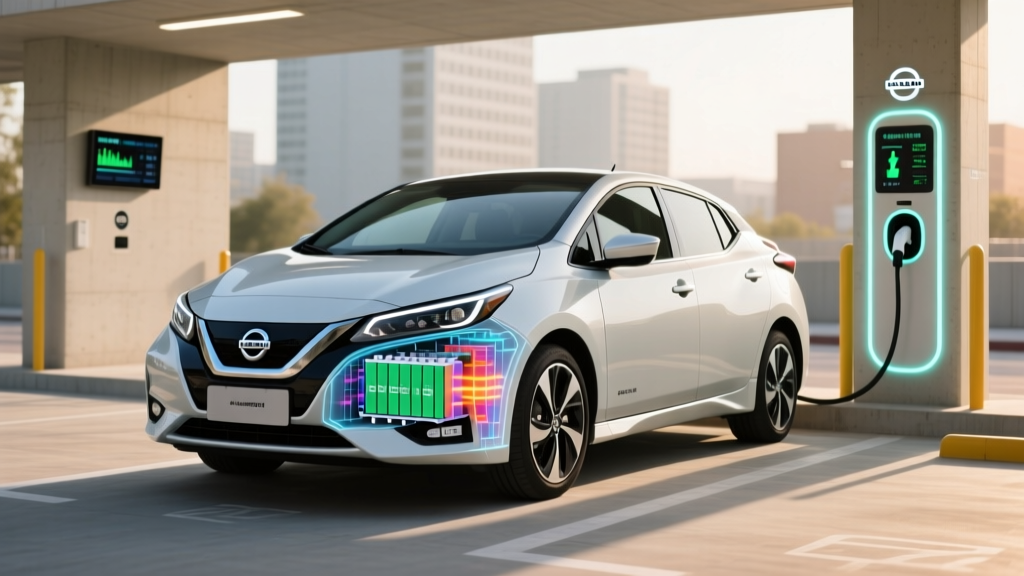
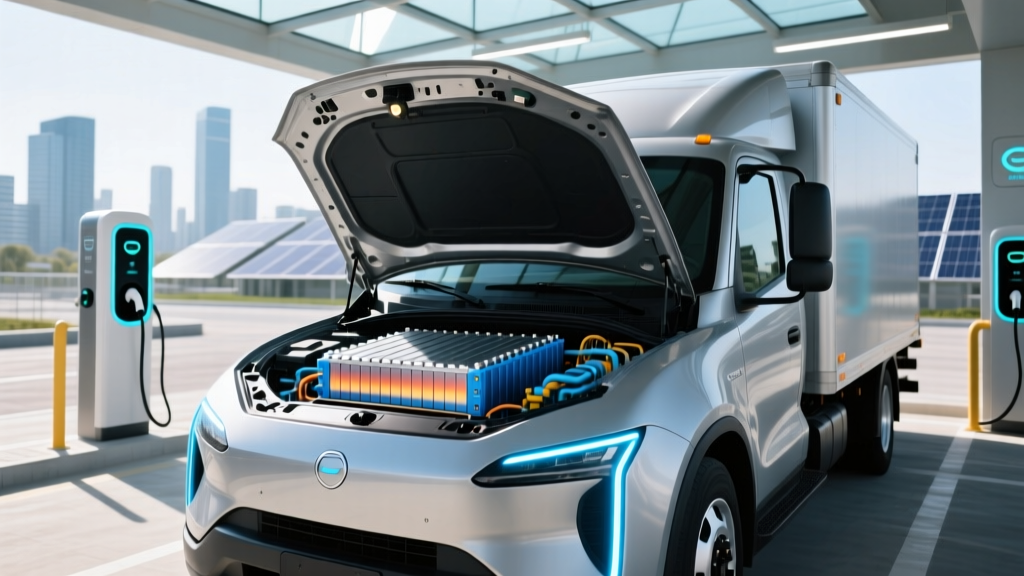
Electric pickups like the Ford F-150 Lightning, Rivian R1T, Chevrolet Silverado EV, and Ram 1500 REV carry battery packs ranging from roughly 100 kWh to over 200 kWh — the largest traction batteries in any consumer vehicle segment. That sheer size changes the calculus on degradation, replacement cost, and daily charging habits. If you're researching charging truck battery practices or wondering whether a 200+ kWh pack will outlast the truck itself, this guide breaks down the chemistry, the data, and the ownership math with exact numbers.
We'll cover the two dominant chemistries (LFP and NMC), real-world degradation figures from high-mileage fleets, federal warranty minimums, replacement cost ranges by model, and the charging habits that meaningfully extend pack life. No fear-mongering, no hype — just the specs and data you need to make an informed purchase or optimize the truck you already own.
LFP vs NMC/NCA: Which Chemistry Powers Your Electric Truck?
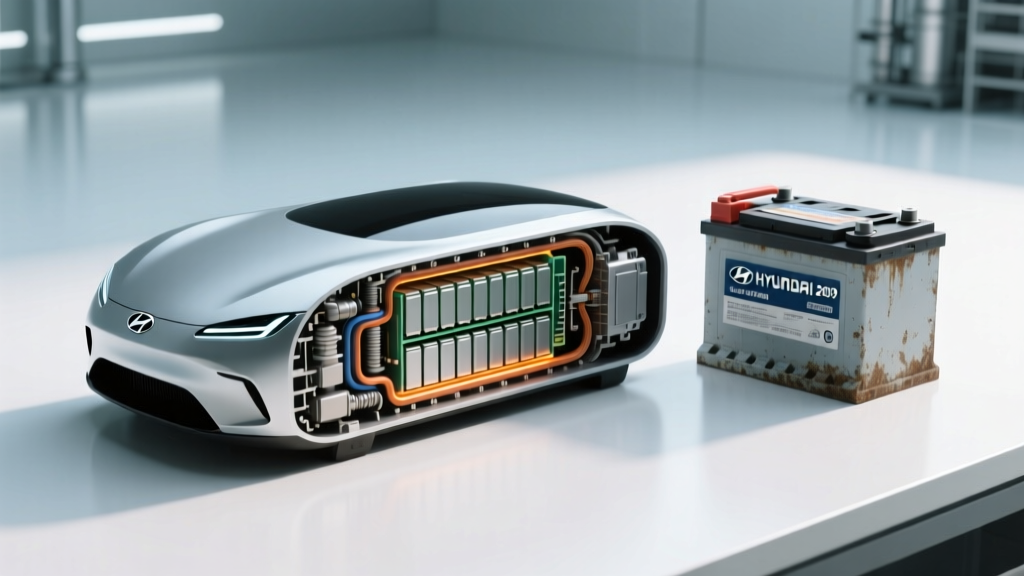
Every EV truck sold in the US through 2026 uses one of two lithium-ion chemistries in its high-voltage traction battery: NMC (nickel manganese cobalt) / NCA (nickel cobalt aluminum), or LFP (lithium iron phosphate). The chemistry determines energy density, cycle life, cold-weather behavior, and cost — and it directly shapes how you should charge and care for the pack.
| Attribute | LFP (Lithium Iron Phosphate) | NMC / NCA (Nickel-based) |
|---|---|---|
| Energy Density (Wh/kg, cell-level) | ~160–200 Wh/kg | ~230–300 Wh/kg |
| Typical Cycle Life (to 80% SoH) | 3,000–5,000+ cycles | 1,000–2,500 cycles |
| Cold-Weather Performance | Greater range loss below 32°F; slower charge acceptance | Better low-temp performance; more consistent charge speeds |
| Cost (per kWh, pack-level est.) | ~$90–$115 | ~$120–$155 |
| Recommended Daily SoC | 100% OK — LFP tolerates full charge well | 80–90% daily; 100% only for trips |
| Thermal Stability | Excellent — less prone to thermal runaway | Good with active thermal management |
| Current EV Truck Examples (2025–2026) | Tesla Cybertruck RWD (announced), some commercial fleet vans | Ford F-150 Lightning (Extended Range), Rivian R1T, Chevy Silverado EV, GMC Sierra EV |
Bottom line for truck buyers: Most electric pickups on the road in 2026 use NMC because the higher energy density is critical for fitting 130–200+ kWh of usable capacity into a pickup chassis while preserving payload and ground clearance. LFP's weight penalty makes it better suited to lighter vehicles or commercial fleet trucks where daily range needs are predictable and shorter. Tesla has indicated LFP variants for lower-trim Cybertruck models, but as of early 2026, the dual-motor AWD versions shipping to customers use NMC-type cells.
How Long Do EV Truck Batteries Actually Last?
The short answer: the vast majority of EV truck batteries will outlast the vehicle's useful economic life. But let's put real numbers to that claim.
Degradation Data Points — What We Know
- Geotab fleet study (2024 update, 10,000+ EVs): Average battery degradation across all EV models was approximately 1.8% per year over the first six years, with a median State of Health (SoH) of ~88% at the six-year mark. High-capacity packs with active liquid cooling — standard on every major electric truck — degraded more slowly than passive-cooled packs.
- Ford F-150 Lightning early fleet data: Commercial fleet operators reporting to fueleconomy.gov and industry forums indicate approximately 3–5% capacity loss over the first 50,000 miles for the 131 kWh Extended Range pack, with the degradation curve flattening significantly after the initial break-in period.
- Rivian R1T owner-reported data (2022–2025 delivery cohorts): Owners tracking via OBD-II dongles and third-party apps report median SoH of ~93–95% at 30,000–40,000 miles, consistent with the industry-wide pattern of a steeper initial drop (2–4%) followed by a long, slow linear decline.
- Tesla fleet data (Model S/X, proxy for large packs): Tesla's 2024 Impact Report showed packs retaining ~88% capacity at 200,000 miles. While not truck-specific, the cell chemistry and thermal management are comparable to what's in the Cybertruck.
Projected trajectory for a typical electric truck with a liquid-cooled NMC pack: expect ~5–8% total capacity loss at 100,000 miles (roughly 5–7 years of average use) and ~10–15% loss at 200,000 miles. A truck that started with an EPA-estimated 320 miles of range would still deliver roughly 270–290 miles at 100K miles — a noticeable but manageable reduction.
The critical insight is that degradation is non-linear. Most packs lose their first 2–4% relatively quickly (the "break-in" phase over the first 10,000–20,000 miles), then settle into a slow, linear decline of roughly 1–2% per year for the next decade or more. Catastrophic failure (sudden, total loss of capacity) is exceedingly rare and is almost always covered under warranty.
What Does the EV Truck Battery Warranty Cover?
Federal law mandates a minimum battery warranty of 8 years / 100,000 miles for all light-duty EVs sold in the US, including electric trucks. Most manufacturers meet or exceed this floor. Here's how the major electric truck warranties stack up for the 2025–2026 model years:
| Vehicle | Battery Warranty | Capacity Retention Threshold | Notes |
|---|---|---|---|
| Ford F-150 Lightning | 8 yr / 100,000 mi | ≥70% SoH | Covers battery and electric drive components; transferable to second owner |
| Rivian R1T (2025+) | 8 yr / 175,000 mi | ≥70% SoH | Industry-leading mileage cap; reflects Rivian's adventure/fleet positioning |
| Chevrolet Silverado EV | 8 yr / 100,000 mi | ≥70% SoH (est. for Ultium platform) | GM's Ultium battery warranty matches federal minimum; module-level service possible |
| GMC Sierra EV | 8 yr / 100,000 mi | ≥70% SoH | Same Ultium platform and warranty structure as Silverado EV |
| Tesla Cybertruck | 8 yr / 120,000 mi | ≥70% SoH | Tesla's slightly higher mileage threshold; covers structural battery pack |
| Ram 1500 REV | 8 yr / 100,000 mi | ≥70% SoH | Stellantis standard EV warranty; EREV variant warranty details TBA at full launch |
What "70% SoH" means in practice: If your F-150 Lightning Extended Range (131 kWh usable, EPA 320 mi) drops below roughly 91.7 kWh of usable capacity — translating to about 224 miles of range — within 8 years or 100,000 miles, Ford is obligated to repair or replace the battery at no cost. In reality, most packs will still be well above this threshold at the warranty boundary based on current degradation data.
What's NOT covered: Gradual capacity loss that stays above the 70% threshold is considered normal wear and is not a warranty claim. Damage from accidents, flooding, or improper modifications (aftermarket accessories drawing from the HV system) can also void coverage. Always review your specific warranty booklet.
EV Truck Battery Replacement Cost: What to Budget
Here's the question that dominates EV forums: what happens when the battery eventually needs replacement? The honest answer is that for most original owners, it won't happen during their ownership. But for second- and third-owners, or those who rack up extreme mileage, here's what the numbers look like.
| Vehicle | Pack Size (Usable) | Estimated Parts Cost | Labor (est.) | Total Range |
|---|---|---|---|---|
| Ford F-150 Lightning (Standard Range) | ~98 kWh | $12,000–$16,000 | $2,000–$3,500 | $14,000–$19,500 |
| Ford F-150 Lightning (Extended Range) | ~131 kWh | $16,000–$22,000 | $2,500–$4,000 | $18,500–$26,000 |
| Rivian R1T (Large Pack) | ~128 kWh | $17,000–$23,000 | $3,000–$4,500 | $20,000–$27,500 |
| Rivian R1T (Max Pack) | ~149 kWh | $20,000–$28,000 | $3,000–$4,500 | $23,000–$32,500 |
| Chevy Silverado EV (4WT / 200+ kWh) | ~200 kWh | $25,000–$35,000 | $3,500–$5,000 | $28,500–$40,000 |
| Tesla Cybertruck (AWD, est.) | ~123 kWh | $15,000–$20,000 | $2,000–$3,500 | $17,000–$23,500 |
Context matters enormously here. Pack-level battery prices have fallen from over $350/kWh in 2015 to roughly $110–$140/kWh in 2025–2026 for NMC packs, according to BloombergNEF tracking. By the time a 2026 electric truck actually needs a battery replacement (likely 2035–2040 for most owners), replacement costs will almost certainly be substantially lower. Additionally, many manufacturers — particularly GM with its Ultium platform and Rivian with its modular pack architecture — are designing packs that allow module-level replacement. Instead of swapping the entire $20,000+ pack, a technician can replace just the degraded modules for a fraction of the cost.
When is replacement actually needed? Full pack replacement is rare before 200,000+ miles. Most "replacements" in the first 8 years are warranty-covered module repairs addressing cell imbalance or a faulty BMS (battery management system) sensor, not wholesale swaps.
Charging Truck Battery: Best Practices to Maximize Lifespan
Electric truck batteries are large, expensive, and liquid-cooled — which gives them a significant longevity advantage over smaller, passively-cooled packs. But your charging habits still matter. Here's what the data says about the factors that accelerate or slow degradation:
Charging & Care Habits That Extend Truck Battery Life
- Limit DC fast charging frequency. Occasional road-trip fast charging is fine, but daily DCFC sessions (especially at 150–350 kW) generate sustained heat that accelerates cell wear. A fueleconomy.gov-referenced Idaho National Lab study found that packs charged primarily via DC fast charging showed roughly 1–2% additional degradation over 50,000 miles compared to Level 2-only charging. For a truck, that's the difference between 94% and 92% SoH — meaningful but not catastrophic.
- Set a daily charge limit of 80–90% (NMC trucks). Storing an NMC pack at 100% SoC for extended periods stresses the cathode. Ford, Rivian, GM, and Tesla all allow you to set a charge limit in the vehicle app. Reserve 100% charges for the morning of a long trip. LFP exception: if your truck uses LFP cells, manufacturers recommend periodic 100% charges to allow the BMS to recalibrate cell balancing.
- Avoid letting the pack sit at very low SoC. Storing a truck below 10% SoC for days or weeks (e.g., leaving it unplugged at the airport or a job site) can cause copper dissolution in the anode. Plug in and maintain at least 20–30% if the truck will sit for more than a few days.
- Use preconditioning before DC fast charging. Every major electric truck supports battery preconditioning — the thermal management system warms or cools the pack to the optimal temperature window (~25–35°C) before you arrive at a fast charger. This protects the cells and dramatically improves charge speed. Always navigate to the charger using the truck's built-in navigation (or trigger preconditioning manually via the app) so the system has time to prep the pack.
- Extreme cold: plug in when parked. In sub-freezing temperatures, a plugged-in truck can use grid power to maintain battery temperature rather than draining the pack. This is especially important for LFP-equipped trucks, which suffer greater cold-weather range loss (often 25–40% at 20°F vs. 15–30% for NMC).
- Don't obsess over perfection. Modern BMS systems are sophisticated. The ~5% buffer at the top and bottom of the pack (the difference between gross and usable kWh) already protects against the most damaging SoC extremes. Reasonable habits — Level 2 at home, 80% daily limit, preconditioning for road trips — are sufficient.
How to Monitor Your Truck's Battery Health (SoH)
State of Health (SoH) is the percentage of original capacity your battery can still hold. A brand-new pack is 100% SoH; a pack that can hold 90% of its original kWh is at 90% SoH. Here's how to check it:
- Manufacturer apps: Ford's FordPass, Rivian's app, and the myChevrolet app provide varying levels of battery health data. Ford, for example, surfaces a battery health indicator in the app for F-150 Lightning owners, though the granularity varies by model year.
- OBD-II diagnostic tools: Third-party OBD-II readers paired with apps like OBDeleven, Car Scanner, or EV-specific tools can pull raw BMS data including SoH percentage, individual cell voltages, and pack temperature. This is the most detailed method available to owners.
- Dealer diagnostics: Any authorized dealer can run a full battery health report. If you're approaching a warranty threshold (e.g., nearing 70% SoH within the 8-year window), request a documented printout for your records.
- Manual range tracking: Charge to a known SoC (e.g., 100%), note the displayed range, and compare it to the original EPA figure adjusted for conditions. A truck that originally showed 320 miles at 100% and now shows 295 miles at 100% (in similar weather) is at roughly 92% SoH. This is imprecise but directionally useful.
What's Next: Solid-State and Silicon-Anode Batteries
Two emerging technologies could reshape EV truck batteries within the next decade, but neither is available in a production truck as of 2026:
- Solid-state batteries replace the liquid electrolyte with a solid ceramic or polymer layer, potentially enabling 40–50% higher energy density and faster charging with less degradation risk. Toyota, Samsung SDI, and QuantumScape have announced pilot production timelines in the 2027–2030 window, but initial deployment will likely be in lighter passenger vehicles before scaling to the large packs needed for trucks. Realistically, expect solid-state electric trucks no earlier than the early 2030s.
- Silicon-dominant anodes (replacing graphite) can increase cell-level energy density by 20–40%. Companies like Sila Nanotechnologies and Group14 are already supplying silicon-anode materials to battery manufacturers, and incremental silicon blending is present in some 2025–2026 cells. Full silicon-dominant anodes are expected to reach commercial scale in the 2027–2029 timeframe, with electric trucks a likely early beneficiary given their appetite for energy density.
Practical takeaway: If you need an electric truck now or in the next 2–3 years, buy based on today's proven NMC technology. Waiting for solid-state means a 5+ year delay with no guarantee of pricing or availability. Current-gen packs are already lasting 200,000+ miles with manageable degradation.
Frequently Asked Questions
How long do EV truck batteries last in years and miles?
Based on fleet data and degradation curves, expect an electric truck battery to retain 85–92% of its original capacity at 100,000 miles (roughly 7–8 years of average use) and 75–85% at 200,000 miles. Most packs will remain functional and above the 70% warranty threshold for 15–20 years or 250,000+ miles under normal use. Full failure is rare; gradual capacity fade is the norm.
How much does it cost to replace an electric truck battery?
Full pack replacement costs range from approximately $14,000 to $40,000 depending on the truck and pack size, with labor adding $2,000–$5,000. The largest packs (Chevrolet Silverado EV 4WT at ~200 kWh) command the highest prices. However, module-level repairs — increasingly common with Ultium and Rivian architectures — can cost a fraction of a full swap. And by the time most 2026 trucks need replacement, pack prices will likely have fallen further.
What does the battery warranty actually cover?
Federal law requires a minimum of 8 years / 100,000 miles of battery coverage. If your pack drops below 70% State of Health within that window, the manufacturer must repair or replace it at no cost. This covers cell degradation and manufacturing defects but not damage from accidents, misuse, or modifications. Rivian stands out with an 8 yr / 175,000 mi warranty. Always check your specific warranty booklet for exact terms.
How do I check my electric truck's battery health?
Use your manufacturer's mobile app for a basic health indicator, connect an OBD-II diagnostic reader for detailed SoH percentage and cell-level data, or request a full battery report from your dealer. You can also do a rough manual check by charging to 100% and comparing displayed range to the original EPA figure under similar temperature conditions.
LFP vs NMC — which is better for an electric truck?
For most truck buyers in 2026, NMC is the pragmatic choice because it offers the energy density needed to deliver 300+ miles of range in a heavy pickup without excessive weight. NMC also performs better in cold weather, which matters for truck owners in northern states. LFP offers superior cycle life and lower cost but is heavier and less energy-dense — making it better suited to lighter EVs or commercial fleet trucks with shorter, predictable daily routes. If a future LFP truck variant meets your range needs, its longer cycle life is a genuine advantage.
Does frequent DC fast charging hurt my truck battery?
Yes, but the effect is modest with modern liquid-cooled packs. Studies suggest an additional 1–2% degradation over 50,000 miles for vehicles that rely primarily on DCFC versus Level 2 charging. For a truck used as a daily driver with home Level 2 charging and occasional road-trip fast charging, the impact is negligible. The bigger risk is repeated fast charging in extreme heat without adequate preconditioning.
Should I charge my electric truck to 100% every night?
If your truck has an NMC battery (most current electric trucks do), no — set your charge limit to 80–90% for daily use and only charge to 100% when you need maximum range for a trip. If your truck has an LFP battery, periodic 100% charges are actually recommended for BMS calibration. Check your owner's manual for the manufacturer's specific guidance.
Sources: fueleconomy.gov (EPA range and efficiency data); manufacturer warranty documentation from Ford, Rivian, GM, and Tesla (2025–2026 model year); IRS §30D Clean Vehicle Credit guidelines for current tax-credit-eligible EV truck models.