When you see headlines about a battery aeroplane completing a test flight, it's natural to wonder: is the same technology inside that aircraft sitting under the floor of your electric car? The short answer is both yes and no. Lithium-ion cells power both, but the engineering priorities diverge sharply. An electric aircraft demands extreme energy density and flawless reliability at altitude; a family EV prioritizes cost, cycle life, and thousands of charge-discharge cycles over a decade or more.
This guide dissects the battery technology actually in today's EVs — the chemistry choices, degradation realities, warranty protections, and replacement economics — while showing where aviation-grade battery research is pushing the entire industry forward.
The Chemistry Under Your Seats: LFP vs NMC Explained
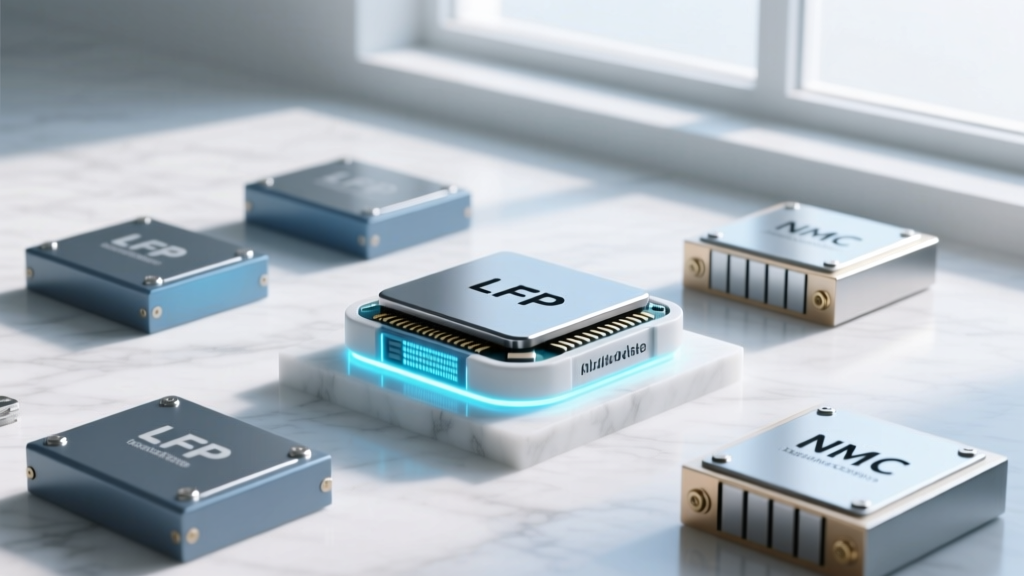
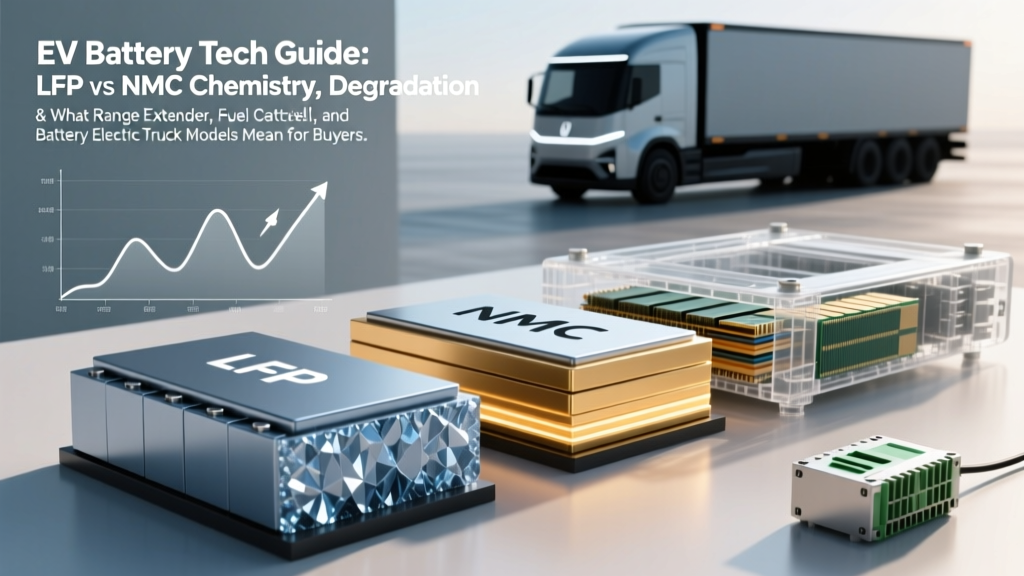
Every EV sold in the US today uses one of two dominant lithium-ion chemistries for its high-voltage traction battery: LFP (lithium iron phosphate) or NMC/NCA (nickel manganese cobalt / nickel cobalt aluminum). The chemistry determines energy density, lifespan, cold-weather behavior, and ultimately the price of the car.
Aviation prototypes — including battery aeroplane demonstrators from companies like Heart Aerospace and Eviation — overwhelmingly favor NMC or NCA cells because every kilogram matters in the air. Energy density is king. On the ground, automakers have more flexibility, which is why LFP has surged in popularity for standard-range EVs.
| Attribute | LFP (LiFePO₄) | NMC / NCA |
|---|---|---|
| Energy Density | ~160–180 Wh/kg (cell level) | ~230–300 Wh/kg (cell level) |
| Typical Cycle Life | 3,000–5,000+ cycles to 80% SoH | 1,000–2,000 cycles to 80% SoH |
| Cold-Weather Performance | Moderate; greater range loss below 32°F | Better low-temp conductivity |
| Thermal Stability | Excellent; higher runaway threshold | Good; requires robust BMS |
| Cobalt Content | None | Contains cobalt (NMC) or none (NCA) |
| Cost per kWh (2026) | ~$85–$105/kWh (pack level) | ~$115–$145/kWh (pack level) |
| Common EV Examples | Tesla Model 3 RWD, Ford Mustang Mach-E Select (LFP option) | Hyundai Ioniq 5, Chevy Equinox EV, Rivian R1T |
Which is better? Neither is universally superior. LFP wins on longevity, safety, and cost — making it ideal for daily-commuter EVs where you charge frequently and don't need maximum range. NMC/NCA wins on energy density — essential for long-range models, larger SUVs, and yes, any future battery aeroplane application where weight is the primary constraint.
How Long Do EV Batteries Actually Last?
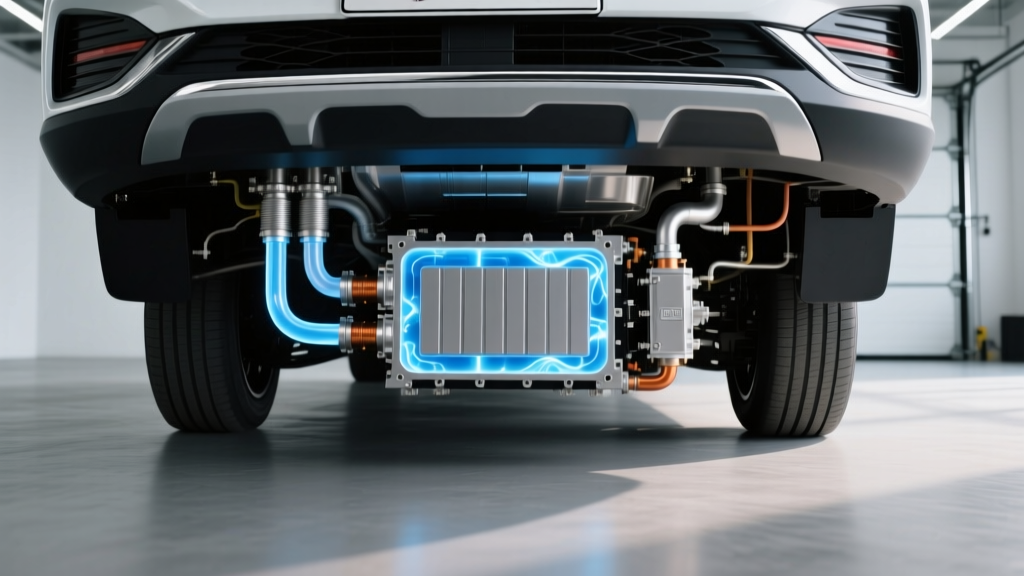
The fear that an EV battery will die like a smartphone battery after two years is not supported by fleet data. Modern liquid-cooled battery packs routinely exceed 150,000 miles with minimal capacity loss.
Real-World Degradation Data Points:
- Tesla Model 3/Y (NMC, 2019–2022 fleet data): Average ~8% capacity loss at 100,000 miles, with most vehicles retaining 88–93% State of Health (SoH) per Tesla's 2024 Impact Report.
- Nissan Leaf (passive-air-cooled, 2013–2017): Higher degradation of ~15–25% at 100,000 miles — a cautionary example of why active thermal management matters.
- Chevrolet Bolt EV/EUV (NMC, liquid-cooled): Owner reports and Recurrent Auto fleet data show ~5–8% loss at 80,000 miles.
- LFP-equipped Tesla Model 3 RWD: Early fleet indicators suggest slower degradation curves, with ~4–6% loss projected at 100,000 miles due to LFP's superior cycle life.
To put this in perspective: the average American drives ~13,500 miles per year according to FHWA data. A modern EV battery losing 8% over 100,000 miles means roughly 7–8 years of typical driving before you notice a meaningful range reduction — and even then, a 300-mile EPA range becomes a still-usable ~275 miles.
For context on why battery aeroplane engineers obsess over different metrics: an electric aircraft battery may see far fewer total cycles but must perform flawlessly under extreme temperature swings and high C-rate discharge during takeoff. The degradation tolerance is near zero.
What Does the Battery Warranty Actually Cover?
Federal law effectively mandates that automakers warranty EV batteries for at least 8 years / 100,000 miles in states that follow California's ZEV standards (which is most of the country). Many manufacturers match or exceed this baseline.
| Manufacturer | Duration | Mileage | Capacity Retention Threshold |
|---|---|---|---|
| Tesla (Model 3/Y LWD) | 8 years | 100,000 mi | 70% SoH |
| Tesla (Model 3/Y LR/Perf, Model S/X) | 8 years | 120,000 mi | 70% SoH |
| Hyundai / Kia | 10 years | 100,000 mi | 70% SoH |
| Ford (Mustang Mach-E, F-150 Lightning) | 8 years | 100,000 mi | 70% SoH |
| GM (Chevy, Cadillac EVs) | 8 years | 100,000 mi | 70% SoH |
| Rivian | 8 years | 120,000 mi | 70% SoH |
| Volkswagen (ID.4) | 8 years | 100,000 mi | 70% SoH |
Key details buyers miss:
- The warranty covers capacity retention, not just total failure. If your battery drops below 70% of its original usable kWh within the warranty period, the manufacturer must repair or replace it.
- Gradual degradation is expected and normal — the warranty kicks in only when loss exceeds the threshold.
- Damage from accidents, flooding, or unauthorized modifications is excluded.
- Some warranties are transferable to second owners, which supports used-EV resale value.
EV Battery Replacement Cost: The Real Numbers
This is where fear-mongering runs rampant, so let's anchor the discussion in actual figures and typical-lifespan context. Most EV batteries outlast the useful life of the vehicle itself. Complete pack replacement is rare for vehicles with liquid-cooled systems.
| Vehicle | Battery Capacity (kWh) | Chemistry | Replacement Cost Range |
|---|---|---|---|
| Tesla Model 3 RWD | ~57.5 (usable) | LFP | $8,000–$12,000 |
| Tesla Model Y Long Range | ~75 (usable) | NMC | $12,000–$16,000 |
| Hyundai Ioniq 5 (Long Range) | ~77.4 (usable) | NMC | $13,000–$18,000 |
| Ford F-150 Lightning (Extended) | ~131 (usable) | NMC | $20,000–$30,000 |
| Chevrolet Equinox EV | ~85 (usable) | NMC | $14,000–$19,000 |
| Nissan Leaf (40 kWh) | ~38 (usable) | NMC | $6,500–$9,000 |
When is replacement actually needed? In practice, full pack replacement is most common in older, passively cooled EVs (early Nissan Leafs, first-gen Fiat 500e) that have seen 120,000+ miles without thermal management. For modern liquid-cooled packs, module-level repair — replacing individual degraded modules rather than the entire pack — is increasingly possible and significantly cheaper ($2,000–$6,000 depending on the vehicle).
Battery pack prices have fallen roughly 80% since 2013 per BloombergNEF tracking, and this trend continues. By the time a 2026 EV actually needs a replacement in the mid-2030s, costs will likely be substantially lower than today's estimates.
Factors That Accelerate (or Protect) Battery Health
Battery degradation isn't random — it's driven by specific, controllable factors. Here's what the electrochemistry actually responds to:
Battery Care Checklist — Maximize Your Pack's Lifespan
- Avoid sustained 100% State of Charge: For NMC batteries, daily charging to 80% significantly reduces stress. LFP batteries tolerate 100% better and some manufacturers (like Tesla) actually recommend periodic 100% charges for LFP to recalibrate the BMS.
- Minimize DC fast charging frequency: Occasional road-trip fast charging is fine. Daily reliance on 150+ kW DCFC accelerates degradation through heat accumulation. Level 2 home charging (7–11.5 kW) is gentler.
- Precondition before fast charging: Battery preconditioning warms the cells to optimal temperature (~77–95°F) before accepting high-power DC. Most modern EVs do this automatically when you navigate to a charger.
- Avoid extreme SoC in extreme temperatures: Don't leave an EV at 100% SoC in 110°F heat or at 5% SoC in sub-zero cold for extended periods. Store at ~50% SoC if parking long-term.
- Use scheduled charging: Set your EV to finish charging right before departure rather than sitting at high SoC for hours overnight.
- Drive it regularly: Lithium-ion cells prefer regular cycling to long dormancy at extreme SoC levels.
Monitoring Battery Health: How to Check Your SoH
State of Health (SoH) is the percentage of your battery's original usable capacity that remains available. A new EV starts at 100% SoH; a vehicle with 8% degradation sits at 92% SoH.
How to check SoH in 2026:
- In-vehicle displays: Tesla provides a battery health readout in the Service menu. Hyundai/Kia's infotainment system includes an EV battery diagnostics screen. Ford's SYNC system shows estimated battery health in the EV settings.
- OBD-II diagnostic tools: Third-party apps like Leaf Spy (Nissan), ABRP OBD dongles, and Torque Pro can read SoH directly from the battery management system (BMS) via the OBD-II port.
- Telematics services: Recurrent Auto offers free battery health reports by connecting to your EV's telematics data, comparing your degradation to a fleet of identical vehicles.
- Dealer diagnostics: Any authorized service center can run a full battery health check, typically during routine service visits.
Monitoring SoH matters most when you're approaching a warranty threshold, buying a used EV, or planning long-term ownership. A slow, linear degradation curve is normal; a sudden drop warrants immediate dealer inspection.
Beyond Today's Cells: Solid-State, Silicon Anodes, and the Battery Aeroplane Connection
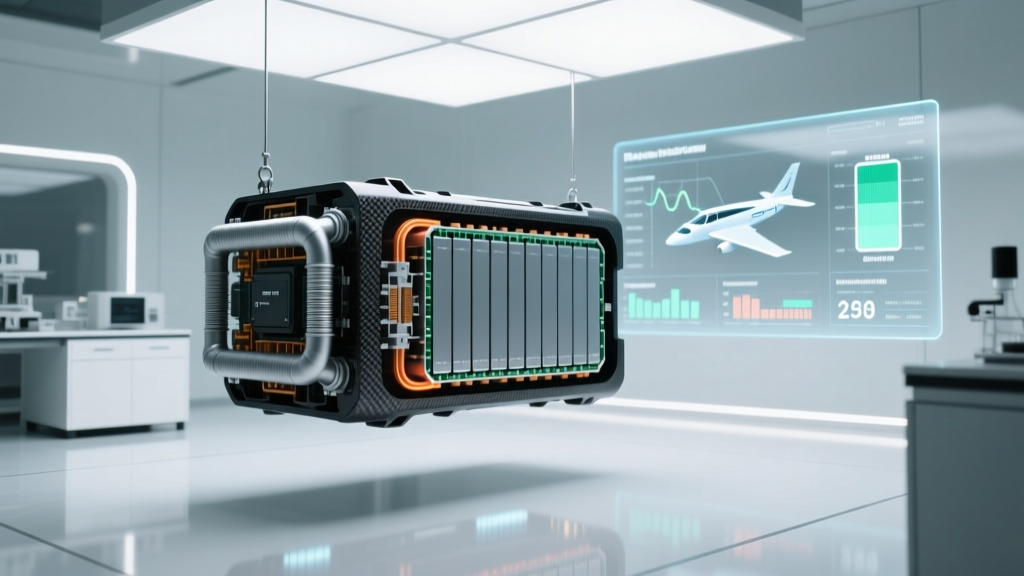
The battery research driven by aviation — where a battery aeroplane needs 400+ Wh/kg at the cell level to be commercially viable — is accelerating breakthroughs that will eventually reach ground vehicles.
Solid-state batteries: These replace the liquid electrolyte with a solid material, promising energy densities of 350–500 Wh/kg, faster charging, and improved safety. Toyota, Samsung SDI, and QuantumScape are leading development. Toyota has announced a solid-state EV for 2027–2028 with a targeted 745 km (463 mi) range, though mass production timelines have slipped repeatedly. Expect initial solid-state EVs to be premium-priced and low-volume through the end of the decade.
Silicon anode technology: Companies like Sila Nanotechnologies and Group14 are replacing graphite anodes with silicon-dominant composites, boosting energy density by 20–40%. The Mercedes G-Class 580 EQ (2025 model year) was among the first production vehicles to use a silicon-anode battery. Expect broader adoption in 2027+ model-year EVs.
Sodium-ion batteries: CATL and other manufacturers are commercializing sodium-ion cells that eliminate lithium entirely. These offer lower energy density (~140–160 Wh/kg) but dramatically lower cost and better cold performance. Likely destined for budget EVs and stationary storage by 2027–2028.
Note: All emerging technologies above are announced or in limited production — none are widely available in current US-market EVs as of 2026. Timelines are manufacturer estimates and subject to change.
The battery aeroplane sector is a demanding proving ground for these next-gen cells. If solid-state packs can survive the certification rigor of aviation, the downstream cost reductions for automotive applications will follow. That's the real connection between the two worlds: aviation pushes the energy-density frontier, and automotive scales it to affordability.
EV Battery FAQ
How long do EV batteries last in years and miles?
Modern liquid-cooled EV batteries typically last 150,000–200,000+ miles (roughly 12–15 years of average driving) before capacity loss becomes operationally significant. Fleet data from Tesla, Chevrolet, and Hyundai shows 85–93% capacity retention at 100,000 miles. LFP chemistry may extend this further due to its 3,000–5,000 cycle life.
How much does an EV battery cost to replace in 2026?
Full pack replacement ranges from ~$6,500 for a small pack (Nissan Leaf 40 kWh) to $20,000–$30,000 for a large pack (Ford F-150 Lightning Extended Range). Most vehicles with liquid-cooled systems never need a full replacement — module-level repair ($2,000–$6,000) is increasingly viable. Costs continue to decline year over year.
What does the EV battery warranty cover?
Federally, EV batteries carry a minimum warranty of 8 years / 100,000 miles (8/120,000 in California and ZEV-adopting states). The warranty guarantees the battery will retain at least 70% of its original usable capacity. If SoH drops below this threshold within the warranty period, the manufacturer repairs or replaces the pack at no cost.
How do I check and maximize my EV's battery health?
Check SoH via your vehicle's built-in diagnostics screen, an OBD-II scanner app, or a service like Recurrent Auto. To maximize health: charge NMC to 80% daily (100% is fine for LFP), minimize daily DC fast charging, precondition before fast charges, avoid leaving the car at extreme SoC in extreme temperatures, and use scheduled charging to finish just before departure.
LFP vs NMC — which battery chemistry should I choose?
Choose LFP if you want maximum cycle life, lower cost, cobalt-free sourcing, and you primarily charge at home with a daily commute under 200 miles. Choose NMC/NCA if you need maximum range per charge, better cold-weather performance, or you're buying a larger vehicle (truck, three-row SUV) where energy density directly translates to usable cargo and passenger space.
Will solid-state batteries make today's EVs obsolete?
Not in the near term. Solid-state EVs are expected in limited, premium applications starting 2027–2028, with broad affordability likely not arriving until the early 2030s. Today's liquid-cooled lithium-ion packs (both LFP and NMC) are mature, well-warrantied, and proven to outlast most ownership periods. Buy based on current needs rather than waiting for next-generation chemistry.