Understanding EV Battery Chemistry: LFP vs. NMC/NCA
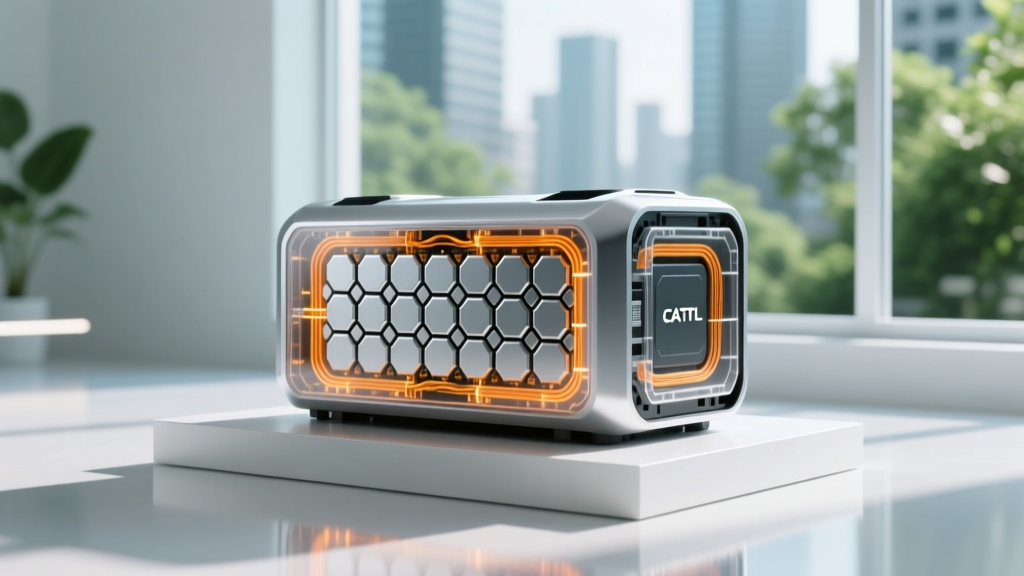
The foundation of any electric vehicle's performance, range, and longevity is its high-voltage traction battery. As of 2026, two primary lithium-ion chemistries dominate the market: Lithium Iron Phosphate (LFP) and Nickel Manganese Cobalt (NMC) or its variant Nickel Cobalt Aluminum (NCA). Choosing between them involves trade-offs in energy density, cycle life, thermal stability, and cost.
| Attribute | LFP (LiFePO4) | NMC/NCA |
|---|---|---|
| Energy Density | ~160-180 Wh/kg (cell level) | ~220-260 Wh/kg (cell level) |
| Typical Cycle Life | 3,000-5,000+ cycles to 80% SoH | 1,000-2,500 cycles to 80% SoH |
| Cold Weather Performance | Reduced efficiency below 32°F; slower charging | Better low-temp performance; heat pump mitigates loss |
| Thermal Stability | Excellent; higher thermal runaway threshold | Good; requires active thermal management |
| Cost (per kWh) | ~$80-$100 (pack level, 2026) | ~$110-$140 (pack level, 2026) |
| Recommended SoC Range | 0-100% daily use acceptable | 20-80% daily; 100% for trips only |
| Common Applications | Tesla Model 3/Y RWD, BYD, Ford Mustang Mach-E Select | Tesla Long Range, Hyundai Ioniq 5/6, Rivian, Porsche Taycan |
LFP batteries excel in longevity and safety. Their flatter discharge curve and robust chemistry allow regular charging to 100% without accelerated degradation, making them ideal for daily drivers who can charge at home. The trade-off is lower energy density, meaning a heavier, physically larger pack for the same range — or slightly less range in the same footprint.
NMC/NCA batteries pack more energy per kilogram, enabling the 300+ mile ranges buyers expect from premium trims. However, they are more sensitive to high state-of-charge stress and elevated temperatures. Most manufacturers recommend keeping daily SoC between 20-80% and reserving 100% charges for road trips.
How Long Do EV Batteries Last? Degradation Data Explained
Battery degradation is the gradual loss of usable capacity over time and charge cycles. Unlike a catastrophic failure, it's a slow decline — typically measured as a percentage of original capacity retained, or State of Health (SoH).
Real-World Degradation Benchmarks
Data from fleet operators, owner surveys, and manufacturer reports paint a consistent picture:
- Year 1-2: ~2-5% capacity loss (initial "break-in" degradation is normal)
- Year 3-5: ~1-2% loss per year (linear phase)
- Year 8-10: Most packs retain 85-92% of original capacity
- 150,000-200,000 miles: Average NMC pack retains ~80-88%; LFP packs often retain 90%+
Tesla's 2025 Impact Report noted that Model 3/Y batteries retained an average of 85% capacity after 200,000 miles. Hyundai and Kia have reported similar figures for their E-GMP platform vehicles. Geotab's long-term fleet study of over 10,000 EVs found an average annual degradation rate of 1.8% across all chemistries.
Source: Geotab EV Battery Health Study
Critically, most modern EV batteries will outlast the vehicle's economic life. A 2026 analysis by Recurrent Auto found that battery replacement rates remain below 2% for vehicles under 150,000 miles. The fear of a $20,000 battery swap at 100,000 miles is largely a myth for well-maintained vehicles.
Factors That Accelerate (or Preserve) Battery Life
Not all miles are created equal. How you charge, drive, and store your EV significantly impacts long-term SoH.
Battery Health Maximization Checklist
- Avoid frequent DC fast charging: Occasional use is fine, but daily 150+ kW sessions increase thermal stress. Aim for Level 2 (7-19 kW) as your primary charge method.
- Maintain 20-80% SoC for daily use (NMC/NCA): Sustained 100% SoC accelerates electrolyte decomposition. LFP owners can charge to 100% regularly without penalty.
- Minimize extreme temperature exposure: Park in shade or a garage when possible. Precondition the battery before fast charging in cold weather (most EVs do this automatically when navigating to a charger).
- Avoid deep discharges: Letting SoC drop below 10% repeatedly stresses the cells. Most EVs have a buffer (typically 2-5 kWh below "0%" displayed), but don't rely on it habitually.
- Use scheduled charging: Set your EV to finish charging just before departure rather than sitting at high SoC for hours.
- Drive smoothly: Aggressive acceleration and high-speed driving generate more heat in the battery pack, marginally increasing degradation over time.
What Does the Battery Warranty Cover?
Federal law mandates a minimum 8-year/100,000-mile warranty on EV battery packs for emissions-related components, but most manufacturers exceed this baseline. The warranty typically covers capacity loss below a specified threshold — usually 70% of original capacity.
| Manufacturer | Warranty Period | Mileage Limit | Capacity Retention Threshold |
|---|---|---|---|
| Tesla (Model 3/Y LFP) | 8 years | 100,000 miles | 70% |
| Tesla (Model S/X, LR) | 8 years | 150,000 miles | 70% |
| Hyundai / Kia | 10 years | 100,000 miles | 70% |
| Ford (Mustang Mach-E) | 8 years | 100,000 miles | 70% |
| GM (Ultium platform) | 8 years | 100,000 miles | 70% |
| Rivian | 8 years | 120,000 miles | 70% |
| BMW (i4/iX) | 8 years | 100,000 miles | 70% |
Key warranty nuance: The warranty covers defects and abnormal degradation, not normal wear. If your 8-year-old battery retains 72% capacity, the manufacturer is not obligated to replace it. However, if a cell module fails or the battery management system (BMS) develops a fault, that's typically covered. Always review the specific warranty document — some manufacturers prorate coverage in later years.
How Much Does an EV Battery Replacement Cost?
Out-of-warranty battery replacement is the single largest potential expense in EV ownership. Costs vary dramatically by pack size, chemistry, and vehicle model.
| Vehicle | Battery Capacity | Chemistry | Replacement Cost (Parts + Labor) |
|---|---|---|---|
| Tesla Model 3 RWD | ~60 kWh | LFP | $12,000 - $15,000 |
| Tesla Model Y Long Range | ~75 kWh | NMC | $14,000 - $18,000 |
| Hyundai Ioniq 5 | 77.4 kWh | NMC | $15,000 - $20,000 |
| Ford Mustang Mach-E ER | 91 kWh | NMC | $18,000 - $24,000 |
| Rivian R1T (Large Pack) | ~128 kWh | NMC | $22,000 - $30,000 |
| Chevrolet Bolt EV (legacy) | 65 kWh | NMC | $14,000 - $16,000 |
| Porsche Taycan | 93.4 kWh | NMC | $25,000 - $35,000 |
When is replacement typically needed? Based on current degradation data, most EV batteries will not require full replacement before 200,000-300,000 miles under normal use. Some early Nissan Leaf models (2011-2015) with passively cooled packs experienced accelerated degradation in hot climates, but modern liquid-cooled systems have largely eliminated this risk.
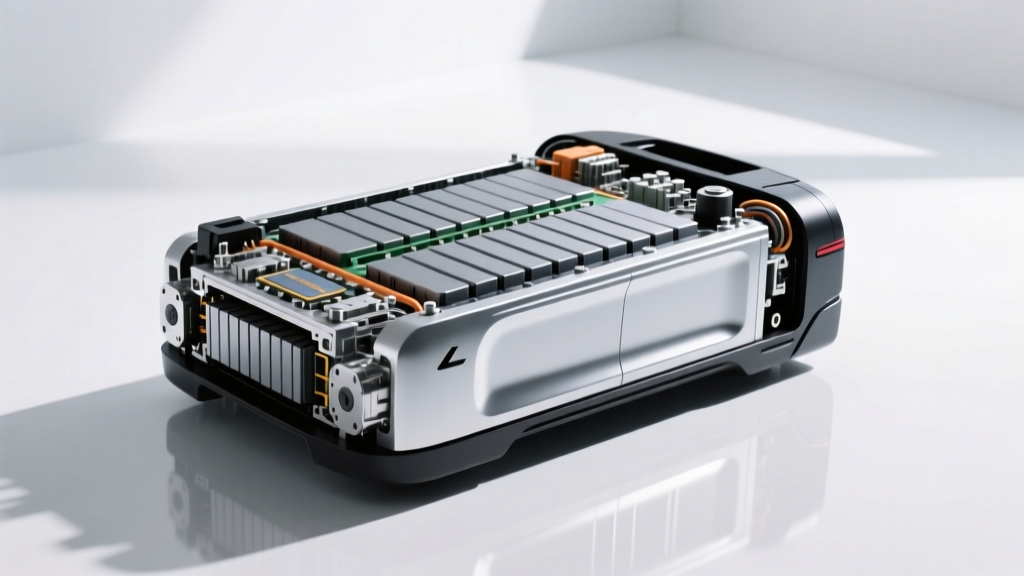
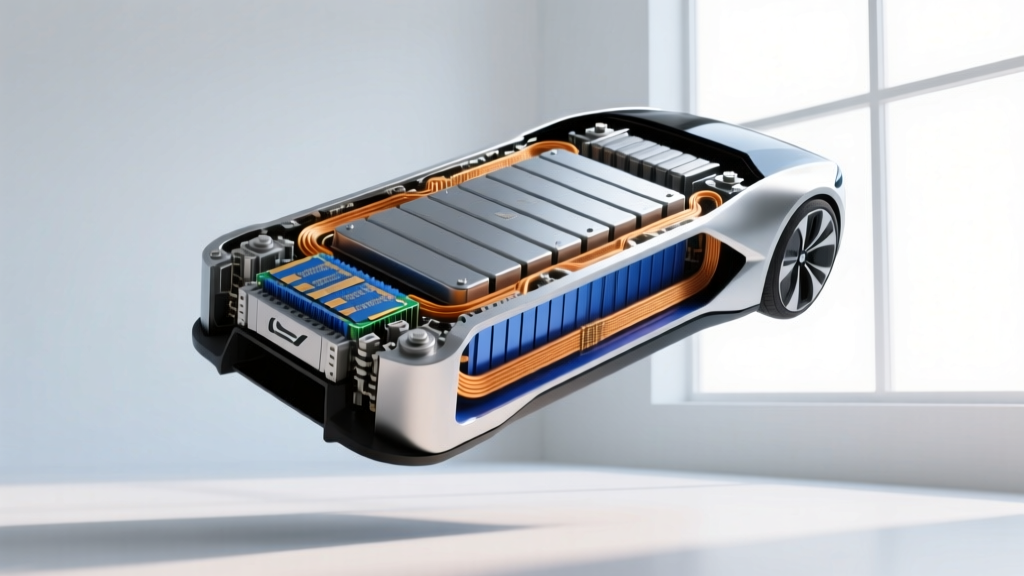
An emerging alternative to full pack replacement is module-level repair. Many packs consist of 8-16 individual modules; if one degrades or fails, a specialist can replace just that module for $2,000-$5,000, restoring most of the pack's capacity. Companies like Recurrent and independent EV shops increasingly offer this service.
How to Monitor Your Battery's State of Health (SoH)
Proactive monitoring helps you catch abnormal degradation early and provides documentation for warranty claims.
Built-In Vehicle Tools
- Tesla: The mobile app displays estimated range and, in newer software versions, a battery health percentage. Service centers can run a detailed diagnostic.
- Hyundai/Kia: The infotainment system includes an "EV Battery" menu showing SoH percentage (on 2024+ models).
- GM Ultium vehicles: The myChevrolet/myCadillac app provides battery condition status.
- BMW: iDrive includes a battery health report accessible through the service menu.
Third-Party Monitoring Services
Services like Recurrent (free for many models) and Geotab connect to your vehicle's telematics to track SoH over time, comparing your pack against a fleet-wide baseline. These tools are particularly useful for detecting anomalies — if your degradation curve suddenly steepens, it may indicate a failing module or cooling system issue.
OBD-II Diagnostic Tools
For the technically inclined, OBD-II adapters paired with apps like Torque Pro or Leaf Spy (for Nissan) can read BMS data directly, including individual cell voltages, pack temperature, and precise SoH. This level of detail is invaluable for used-EV buyers evaluating a potential purchase.
Emerging Battery Technologies: Solid-State and Beyond
While current lithium-ion technology is mature and reliable, several next-generation chemistries promise step-change improvements. It's essential to distinguish between announced technology and what's actually available to consumers in 2026.
Solid-State Batteries
Solid-state batteries replace the liquid electrolyte with a solid material (ceramic, polymer, or sulfide), offering potential benefits:
- Energy density: 350-500 Wh/kg (vs. ~250 Wh/kg for current NMC)
- Faster charging: Potentially 10-80% in under 10 minutes
- Improved safety: No flammable liquid electrolyte
- Longer cycle life: 5,000+ cycles projected
Reality check: As of early 2026, solid-state batteries remain in limited pilot production. Toyota has announced a 2027-2028 timeline for commercial vehicles, while QuantumScape is supplying prototype cells to Volkswagen. Nissan and BMW have also announced 2028-2030 targets. No mass-market EV currently on sale uses a solid-state pack.
Silicon Anode Technology
Replacing graphite anodes with silicon can theoretically increase energy density by 30-40%. Companies like Sila Nanotechnologies and Group14 are shipping silicon-dominant anode materials to battery manufacturers, with initial automotive applications expected in 2027-2028 model-year vehicles. Early implementations will likely appear in premium segments before reaching mainstream models.
Sodium-Ion Batteries
CATL and BYD have begun producing sodium-ion batteries for select Chinese-market EVs. These offer lower cost and better cold-weather performance than LFP, but significantly lower energy density (~120-140 Wh/kg). They're suited for short-range urban vehicles and stationary storage, not long-range passenger cars. U.S. availability remains uncertain as of 2026.
Frequently Asked Questions
Is it true that EV batteries need replacing every 5 years?
No. This is a persistent myth. Modern liquid-cooled EV batteries routinely last 150,000-300,000 miles before degrading to 70-80% of original capacity. Most will outlive the vehicle's useful economic life. Early-generation EVs (2011-2015 Nissan Leaf, Chevy Spark EV) with smaller, passively cooled packs experienced faster degradation, but this is not representative of current technology.
Can I still fast-charge my EV without damaging the battery?
Yes, occasional DC fast charging (1-2 times per week) has minimal impact on modern batteries with active thermal management. However, daily fast charging — especially at 250+ kW — does accelerate degradation slightly. For optimal longevity, use Level 2 (home or workplace) charging as your primary method and reserve DCFC for road trips. Preconditioning the battery before charging (automatic in most EVs when navigating to a charger) significantly reduces thermal stress.
Does cold weather permanently damage EV batteries?
No. Cold temperatures temporarily reduce available capacity and slow charging speeds — expect 20-30% range loss at 20°F compared to 70°F — but this is fully reversible as the battery warms. Permanent damage occurs only if a battery is charged at high rates while below freezing without preconditioning, which modern BMS systems prevent by limiting charge power. Garage parking and preconditioning mitigate cold-weather range loss.
Should I buy an extended battery warranty?
For most buyers, no. The federally mandated 8-year/100,000-mile warranty (10 years in California and states adopting CARB rules) provides substantial coverage. Given that real-world data shows less than 2% of EVs require battery replacement before 150,000 miles, the cost of an extended warranty ($2,000-$4,000) rarely pays off. However, if you plan to keep the vehicle past 120,000 miles and the warranty is transferable, it may add resale value.
How do I check battery health on a used EV before buying?
Request a battery health report from the seller or a dealer diagnostic scan. Compare the vehicle's current estimated range (at 100% SoC) to its original EPA rating — a 10-15% reduction is normal for a 3-5 year old EV; 20%+ suggests accelerated degradation. Third-party services like Recurrent offer pre-purchase battery assessments. For Nissan Leaf models, the dashboard displays "capacity bars" (12 bars = new; 10 or fewer indicates significant loss).
LFP vs. NMC — which chemistry should I choose?
Choose LFP if: You prioritize longevity, can charge to 100% daily, live in a moderate climate, and don't need maximum range. LFP is ideal for commuters with home charging who want a "set it and forget it" ownership experience.
Choose NMC/NCA if: You need 300+ miles of range, frequently drive in cold weather, or take regular road trips where maximum range and faster charging matter. NMC requires more mindful SoC management (20-80% daily) but delivers superior energy density and cold-weather performance.
Key Takeaways for EV Owners and Buyers
EV battery technology in 2026 is robust, well-understood, and backed by comprehensive warranties. The data is clear: with reasonable care — primarily Level 2 charging, moderate SoC habits, and avoiding extreme thermal stress — modern battery packs will reliably serve 200,000+ miles with manageable degradation. The anxiety around catastrophic replacement costs is largely unfounded for current-generation vehicles.
When shopping, focus on the chemistry that matches your usage pattern (LFP for daily commuting, NMC for range-critical applications), verify the warranty terms, and use available SoH monitoring tools to track your pack's health over time. The batteries powering today's EVs are engineered to last — and the data proves it.