Why a 2011 Ram 1500 Battery Search Leads Straight to EV Battery Tech
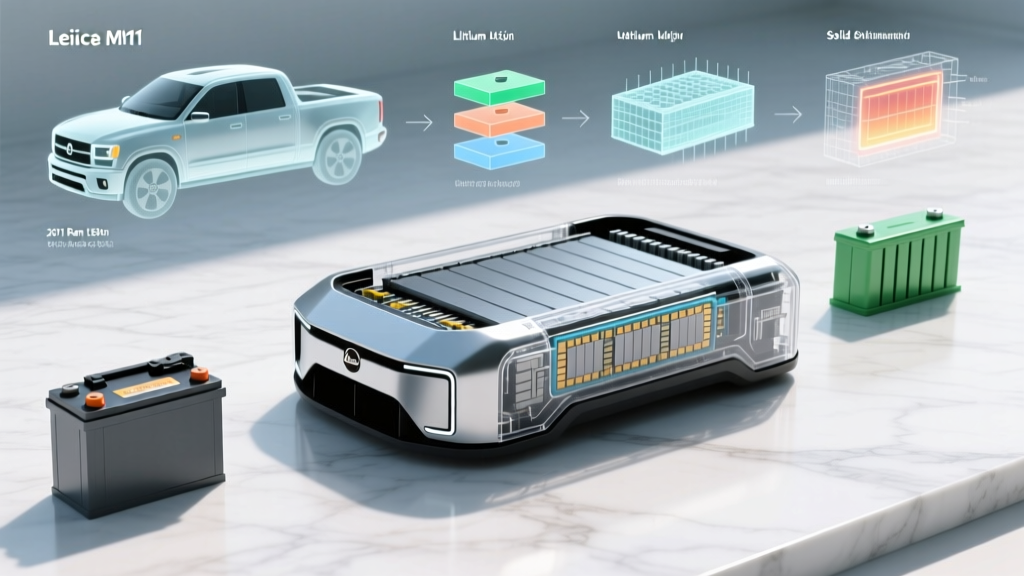
If you've searched for a battery for 2011 Ram 1500, you're likely dealing with a familiar problem: a dead 12-volt lead-acid battery under the hood of a conventional pickup. That Group 34 or H7 AGM battery costs roughly $180–$280, weighs about 45 pounds, and stores less than 1 kWh of energy. It exists to crank a 5.7L Hemi V8 and run the radio.
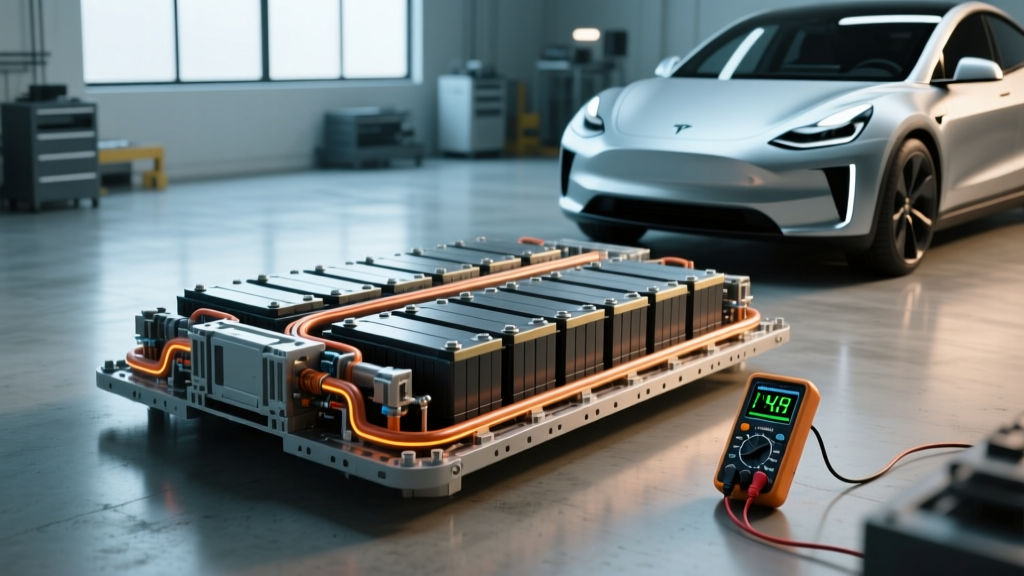
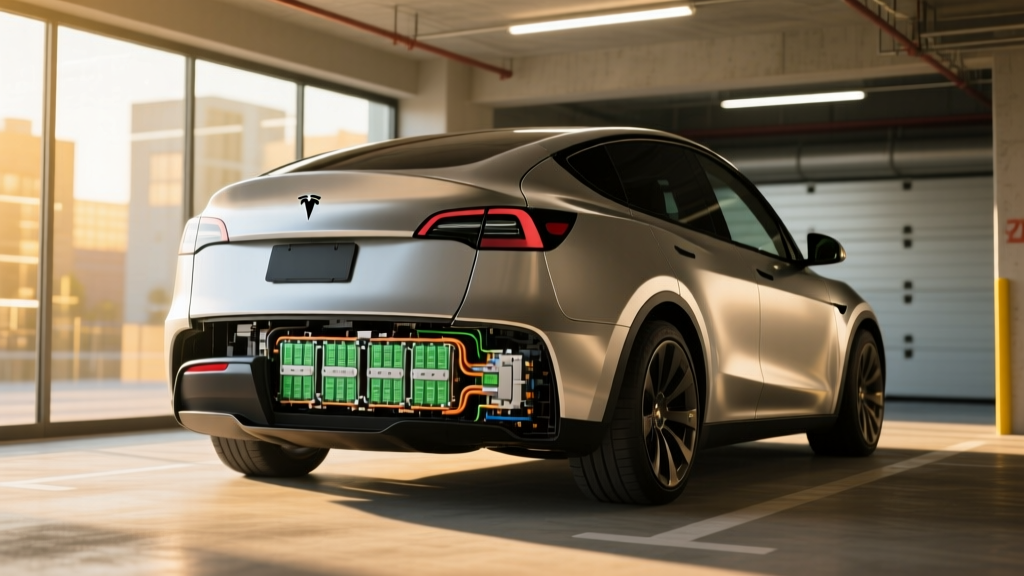
But if you're cross-shopping that Ram replacement and considering an electric vehicle — or already own one — the high-voltage traction battery is an entirely different machine. These packs store 60–200+ kWh of lithium-ion energy, weigh 800–2,000 pounds, and cost $10,000–$30,000 to replace. Understanding how they work, how they age, and what they'll cost you over a decade of ownership is the single most important piece of EV literacy.
This guide covers everything an EV buyer or owner needs to know about traction battery chemistry, degradation, warranties, replacement costs, and care — with hard numbers, not marketing fluff.
The battery for a 2011 Ram 1500 is a 12V lead-acid starter battery. An EV traction battery is a 400V–800V lithium-ion pack that propels the vehicle. EVs also carry a small 12V battery for accessories, but the traction pack is the one that matters for range, cost, and longevity.
LFP vs NMC: The Two Chemistries Powering Modern EVs
Not all lithium-ion batteries are the same. The two dominant chemistries in 2026-model EVs are LFP (lithium iron phosphate) and NMC/NCA (nickel manganese cobalt / nickel cobalt aluminum). Each has distinct trade-offs that affect your daily ownership experience.
| Attribute | LFP (LiFePO4) | NMC / NCA |
|---|---|---|
| Energy Density | Lower (~160 Wh/kg cell-level) | Higher (~250–300 Wh/kg cell-level) |
| Typical Cycle Life | 3,000–5,000+ cycles | 1,000–2,000 cycles |
| Cold-Weather Performance | Weaker below 32°F; slower charging | Better low-temp discharge and charge acceptance |
| Cost per kWh (pack-level) | ~$80–$100 | ~$110–$140 |
| Recommended Daily Charge | 100% SoC is fine (and recommended for BMS calibration) | 80% SoC for daily; 100% only for trips |
| Cobalt Content | None | Contains cobalt (supply-chain/ethical concern) |
| Notable Vehicles (2026) | Tesla Model 3 RWD, Ford Mustang Mach-E Select (LFP option), BYD models | Hyundai Ioniq 5, Kia EV6, Tesla Model Y LR, Rivian R1T, Ford F-150 Lightning Extended |
Which is better? It depends on your use case. If you drive in cold northern climates and need maximum range from a smaller, lighter pack, NMC wins. If you want maximum longevity, lower cost, and can charge to 100% daily without worry, LFP is the stronger choice — especially for urban commuters and high-mileage drivers.
LFP adoption has surged since 2023. Tesla's standard-range vehicles, the base Ford Mustang Mach-E, and several incoming models from legacy automakers now use LFP. According to IEA data, LFP's global market share in EV batteries exceeded 40% by 2025, up from under 10% in 2020.
How Long Do EV Batteries Actually Last?
The short answer: most EV traction batteries outlast the vehicles they're installed in. But "outlast" doesn't mean zero degradation. Here's what the data shows.
- Tesla Model 3/Y (NMC, 2018–2022): Average ~12% capacity loss at 150,000 miles, per Tesla's 2024 Impact Report fleet data.
- Nissan Leaf (2013–2017, air-cooled NMC): 20–35% loss at 100,000 miles — a cautionary tale about thermal management. The liquid-cooled 2018+ Leaf improved significantly.
- Chevrolet Bolt EV/EUV (NMC, 2017–2023): ~8–10% loss at 100,000 miles, per owner-reported data aggregated by Recurrent Auto.
- Tesla Model 3 RWD (LFP, 2021+): Early fleet data suggests under 5% loss at 80,000 miles — consistent with LFP's longer cycle life.
- Hyundai Ioniq 5 (NMC, 2022+): Too new for high-mileage data, but Hyundai's robust thermal management and 800V architecture suggest strong longevity.
Sources: Recurrent Auto, Tesla Impact Report, owner forums.
The key takeaway: modern liquid-cooled EV batteries with active thermal management are losing roughly 8–15% capacity over 150,000–200,000 miles. That's enough to still provide useful daily range a decade into ownership. The nightmare scenarios of 50% degradation come from early-generation, passively cooled packs — not current technology.
What the Battery Warranty Actually Covers
Federal law (EPA emissions warranty requirements applied to EV batteries) mandates a minimum of 8 years / 100,000 miles for battery capacity retention. California and states adopting CARB standards push this to 10 years / 150,000 miles for certain components. Here's how major manufacturers structure their coverage:
| Manufacturer | Warranty Period | Capacity Retention Threshold | Notes |
|---|---|---|---|
| Tesla (Model 3/Y) | 8 yr / 120,000 mi (LR/AWD); 8 yr / 100,000 mi (RWD) | 70% | Covers defects and capacity below threshold |
| Hyundai / Kia | 10 yr / 100,000 mi | 70% | Among the most generous terms |
| Ford (F-150 Lightning, Mach-E) | 8 yr / 100,000 mi | 70% | Covers battery and hybrid/EV components |
| General Motors (Ultium platform) | 8 yr / 100,000 mi | 70% | Applies to Blazer EV, Silverado EV, Equinox EV |
| Rivian | 8 yr / 175,000 mi | 70% | Higher mileage cap reflects truck use case |
| BMW (iX, i4) | 8 yr / 100,000 mi | 70% | Optional extended coverage available |
What triggers a warranty claim? If your battery's State of Health (SoH) drops below the stated threshold — typically 70% of original capacity — during the warranty period, the manufacturer must repair or replace the pack at no cost. In practice, most warranty claims involve defective modules or BMS faults rather than normal degradation falling below the threshold.
Important: warranties do not cover damage from accidents, flooding, or unauthorized modifications. They also don't cover the 12V auxiliary battery — which, yes, is the same type you'd find searching for a battery for a 2011 Ram 1500.
EV Battery Replacement Cost: What You'll Actually Pay
Out-of-warranty battery replacement is the number-one fear among prospective EV buyers. Here's the reality in 2026:
| Vehicle / Pack Size | Battery Capacity | Estimated Replacement Cost (2026) | Typical Replacement Timeline |
|---|---|---|---|
| Tesla Model 3 RWD (LFP) | ~60 kWh | $12,000–$16,000 | Rarely needed before 250,000+ mi |
| Tesla Model Y Long Range (NMC) | ~75 kWh | $14,000–$20,000 | Rarely needed before 200,000+ mi |
| Hyundai Ioniq 5 (NMC) | 77.4 kWh | $15,000–$22,000 | Insufficient high-mileage data; expected 200,000+ mi |
| Ford F-150 Lightning Extended | ~131 kWh | $25,000–$35,000 | Large pack; module-level repair may reduce cost |
| Chevrolet Bolt EV (older NMC) | 65 kWh | $14,000–$18,000 | Some early packs replaced under recall; post-2020 packs more durable |
| Nissan Leaf (2018+, 62 kWh) | 62 kWh | $12,000–$16,000 | Air-cooled packs degrade faster in hot climates; 150,000–200,000 mi |
Several important nuances:
- Module-level repair is increasingly common. Instead of replacing the entire pack, shops can swap individual failed modules for $2,000–$5,000. This is standard practice for Tesla, Hyundai, and GM Ultium packs.
- Battery prices continue to fall. Pack-level pricing averaged ~$100/kWh in 2025 (per BloombergNEF), down from $230/kWh in 2016. A replacement pack in 2030 will cost significantly less than today's prices.
- Most original owners never need a replacement. The average EV is scrapped or sold well before the pack reaches end-of-life. The used-EV buyer at 120,000 miles faces more risk — which is why a pre-purchase SoH check is essential.
Factors That Accelerate (or Preserve) Battery Life
Battery degradation isn't purely a function of time. Your habits matter significantly. Here's what moves the needle:
- ✅ Avoid daily DC fast charging. Frequent 150+ kW sessions generate heat that accelerates degradation. Reserve DCFC for road trips; use Level 2 at home for daily charging.
- ✅ Keep SoC between 20% and 80% for NMC. Storing at 100% for days stresses NMC cathodes. LFP owners can (and should) charge to 100% regularly for BMS calibration.
- ✅ Precondition before fast charging. Most EVs do this automatically when you navigate to a charger. A cold battery charged at high power suffers lithium plating — permanent capacity loss.
- ✅ Park in shade or a garage in extreme heat. Sustained 100°F+ ambient temps with a high SoC is the worst-case degradation scenario.
- ✅ Don't let the car sit at 0% SoC. If storing for weeks, leave it at ~50% SoC. A completely depleted pack can brick the BMS.
- ❌ Don't obsess over minor SoH fluctuations. BMS readings can vary by 2–3% based on temperature and recent charge patterns. Track trends over months, not days.
The single most impactful habit? Home Level 2 charging at 7–11 kW. Slow, moderate-temperature charging is the gentlest way to fill a lithium-ion pack. A 240V Level 2 charger adds 25–45 miles of range per hour — plenty for overnight replenishment — while keeping battery temperatures low. See our Level 2 home charger installation guide for setup costs and equipment picks.
How to Check Your Battery's State of Health (SoH)
State of Health (SoH) is the percentage of original capacity your battery can still hold. A new EV starts at 100% SoH; at 70%, you've lost roughly a third of your original range. Here's how to monitor it:
Built-In Vehicle Displays
Some manufacturers show SoH directly. Tesla displays a "Battery Health" percentage in the service menu (added in 2023 software updates). Hyundai/Kia provides a battery health readout via the infotainment system on newer models. Ford's MyFordPass app includes battery health status for the Mach-E and F-150 Lightning.
Third-Party Apps and OBD-II Readers
For vehicles without a native SoH display, apps like Tessie (Tesla-specific), Leaf Spy (Nissan Leaf), and Car Scanner (general OBD-II) can read battery management system data to estimate SoH. These tools read voltage variance across cell groups, which reveals weak modules before they trigger a dashboard warning.
Dealer Diagnostic Reports
Any authorized service center can run a full battery diagnostic — typically a 30-minute procedure that produces a capacity report. If you're buying a used EV, requesting this report is as important as checking a Carfax. A dealer battery health certificate can also serve as documentation for resale.
Real-world SoH tip: Compare your actual range at 100% SoC to the original EPA figure. If your 310-mile EPA Model Y now shows 265 miles at 100% in moderate weather, that's roughly 85% SoH — consistent with normal 40,000–60,000 mile degradation.
What's Next: Solid-State, Silicon Anodes, and Realistic Timelines
The battery lab pipeline is full of promising technology. Here's what's real versus what's still years away:
Silicon-dominant anodes: Companies like Sila Nanotechnologies and Group14 are replacing graphite anodes with silicon composites, boosting energy density by 20–40%. These are already appearing in limited production — the Mercedes G-Class 580e uses a silicon-anode battery from Group14. Expect broader adoption by 2027–2028.
Solid-state batteries: These replace the liquid electrolyte with a solid ceramic or polymer, promising higher energy density, faster charging, and reduced fire risk. Toyota has announced a solid-state EV for 2027–2028 with a claimed 600+ mile range and 10-minute fast charging. Samsung SDI, QuantumScape, and Solid Power are also in advanced testing. However, manufacturing scale-up remains the bottleneck. Realistic timeline for broad consumer availability: 2029–2032.
Sodium-ion batteries: CATL and BYD are producing sodium-ion packs for lower-cost, shorter-range EVs. Energy density is ~30% lower than LFP, but raw materials are abundant and cheap. These are suited for urban runabouts and fleet vehicles — not long-range sedans. Expect US-market sodium-ion EVs around 2027–2028.
None of these technologies are available in a vehicle you can buy today. If a salesperson tells you otherwise, they're confusing a press release with a production line. For 2026 buyers, LFP and NMC remain the proven, well-understood options with extensive real-world track records.
EV Battery FAQ: Quick Answers to Common Questions
How long do EV batteries last in years and miles?
Modern liquid-cooled EV batteries typically retain 85–90% of original capacity at 150,000 miles and 80–85% at 200,000 miles. In years, that's roughly 12–18 years of average driving (12,000–15,000 miles/year) before the pack drops below 70% SoH. Many will outlast the vehicle's body and interior.
How much does an EV battery cost to replace in 2026?
Out-of-warranty replacement costs range from $12,000 for a ~60 kWh pack (Tesla Model 3 RWD, Nissan Leaf) to $35,000 for a ~131 kWh pack (F-150 Lightning Extended Range). Module-level repair — replacing only failed sections — typically costs $2,000–$5,000 and is increasingly common.
What does the EV battery warranty actually cover?
Federal minimum is 8 years / 100,000 miles with a 70% capacity retention threshold. Hyundai/Kia and Rivian offer 10 years or higher mileage caps. The warranty covers defects and abnormal degradation below the threshold — not accident damage, flooding, or unauthorized modifications.
LFP vs NMC — which battery chemistry should I choose?
Choose LFP if you want maximum cycle life, lower cost, and can charge to 100% daily (ideal for commuters and urban drivers). Choose NMC if you need maximum range from a lighter pack, drive in cold climates, or tow frequently. Both chemistries are proven and well-supported in 2026.
Does fast charging damage my EV battery?
Occasional DC fast charging (road trips) causes negligible extra wear. Daily DCFC use, especially at 150+ kW without proper preconditioning, accelerates degradation through heat and lithium plating. The data from Recurrent Auto shows that vehicles that fast-charge more than 90% of the time have slightly higher degradation — but the difference is smaller than most owners fear, roughly 2–4% additional loss over 100,000 miles.
How is a battery for a 2011 Ram 1500 different from an EV traction battery?
A 2011 Ram 1500 uses a 12V lead-acid or AGM starter battery (~0.7–1.0 kWh, $180–$280, 45 lbs). An EV traction battery is a 400V–800V lithium-ion pack (60–200+ kWh, $12,000–$35,000, 800–2,000 lbs). They serve completely different purposes. EVs also carry a small 12V battery for accessories, but it's the traction pack that defines the vehicle's range and value.
Can I check my EV battery health myself?
Yes. Many 2026-model EVs display SoH in the infotainment or app. For older models, OBD-II tools like Leaf Spy (Nissan), Tessie (Tesla), or Car Scanner provide SoH estimates by reading BMS data. For a certified reading, request a battery diagnostic report from an authorized dealer.
For official EV battery warranty and safety information, refer to NHTSA's EV safety resources and your vehicle's owner's manual. For federal tax credit rules that affect EV purchase economics — which offset battery replacement risk — see the IRS Clean Vehicle Credit page.