Electric vehicle batteries are engineering marvels — 60 to 100+ kWh of lithium-ion or lithium iron phosphate cells packed into a skateboard chassis, designed to last hundreds of thousands of miles. But eventually, every battery reaches end-of-life. Whether it's degraded below usable capacity, damaged in a collision, or simply outlasted the vehicle it powers, the question becomes: how do you recycle a 700-to-1,200-pound high-voltage EV battery safely and responsibly?
This guide covers the full lifecycle — from chemistry and degradation to replacement costs, warranty coverage, and the recycling pathways that recover up to 95% of critical minerals. If you're shopping for an EV, planning long-term ownership, or facing a battery replacement decision, the data below will ground your expectations in real numbers.
EV Battery Chemistry: LFP vs NMC vs NCA
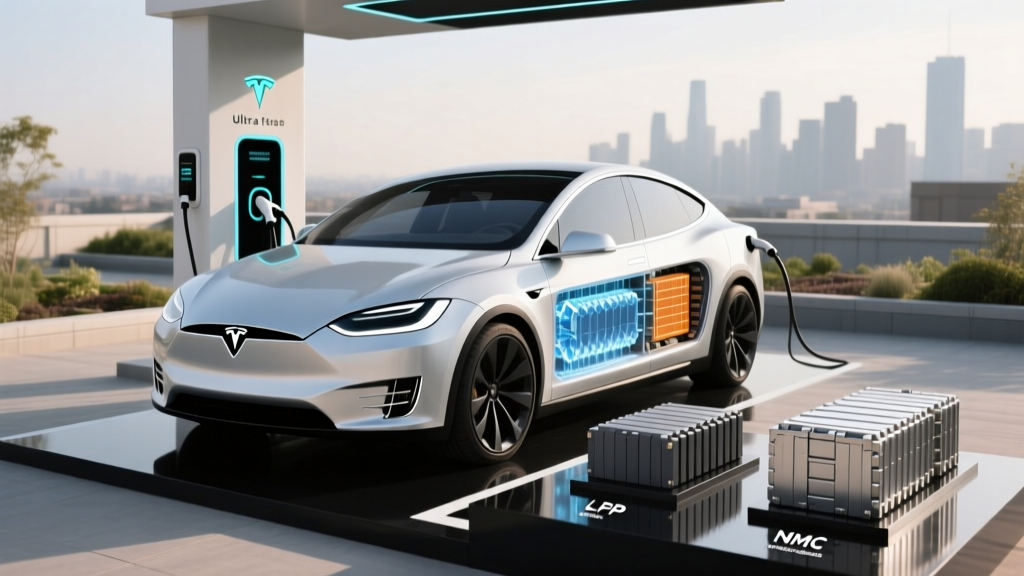
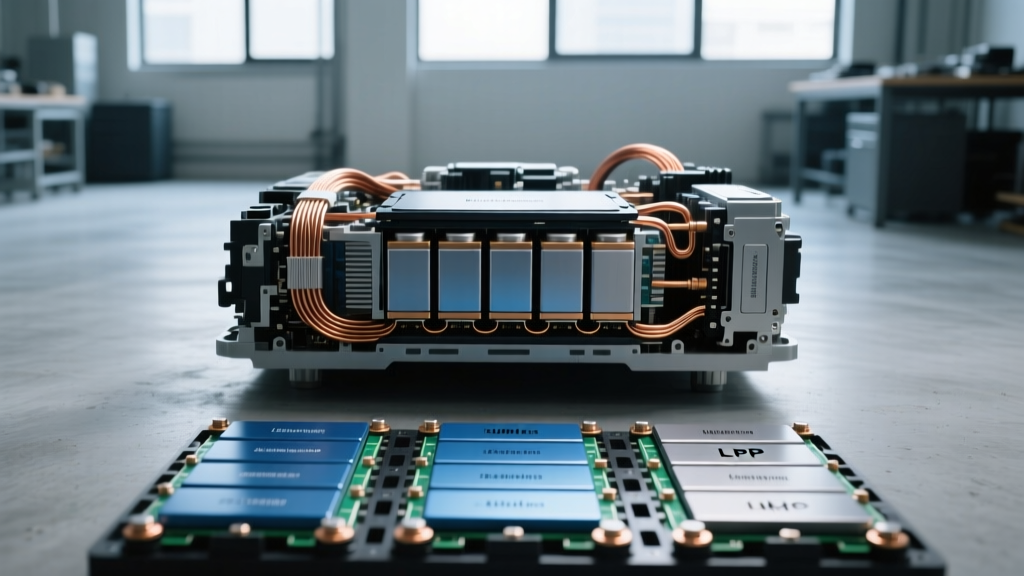
The two dominant chemistries in 2026 EV batteries are NMC/NCA (nickel manganese cobalt / nickel cobalt aluminum) and LFP (lithium iron phosphate). Chemistry determines energy density, cycle life, cold-weather behavior, cost, and — critically for recycling — what materials can be recovered.
| Attribute | NMC / NCA | LFP |
|---|---|---|
| Energy Density | 220–300 Wh/kg (cell level) | 150–180 Wh/kg |
| Typical Cycle Life | 1,000–2,000 full cycles | 3,000–6,000+ full cycles |
| Cold Performance (at -10°C / 14°F) | ~15–20% range loss | ~25–35% range loss |
| Cost per kWh (pack level, 2026) | $110–$135 | $80–$100 |
| Recyclable Materials | Nickel, cobalt, manganese, lithium | Iron, phosphate, lithium (lower value) |
| Common Vehicles (2026) | Tesla Model 3 LR, Hyundai Ioniq 5, BMW iX | Tesla Model 3 RWD, Ford Mustang Mach-E Select, Rivian R1S Standard |
| Thermal Stability | Good (requires active cooling) | Excellent (inherently safer chemistry) |
Which is better? NMC/NCA wins on range per kilogram — essential for long-range and performance trims. LFP wins on longevity and cost, making it the pragmatic choice for standard-range models, fleet vehicles, and owners who plan to keep their EV past 200,000 miles. From a recycling standpoint, NMC packs are more valuable to recyclers because nickel and cobalt command higher commodity prices. LFP recycling is economically viable but with thinner margins, which is why some recyclers charge a processing fee for LFP packs.
How Long Do EV Batteries Last? Real Degradation Data
The fear that EV batteries need replacing every 5–7 years is outdated. Modern thermal management systems and chemistry improvements have pushed typical degradation curves well beyond early EVs like the first-generation Nissan Leaf.
Typical capacity retention over time (fleet-averaged data):
- Year 1 / 15,000 mi: ~97–98% State of Health (SoH) — initial "break-in" loss
- Year 3 / 45,000 mi: ~93–95% SoH
- Year 5 / 75,000 mi: ~90–93% SoH
- Year 8 / 120,000 mi: ~85–90% SoH
- Year 10 / 150,000 mi: ~80–87% SoH (NMC); ~88–93% SoH (LFP)
- Year 15 / 200,000+ mi: ~70–80% SoH — this is where replacement may become practical
According to Recurrent Auto's fleet data (covering over 15,000 EVs), the median EV battery retains roughly 90% of original capacity at 100,000 miles. LFP-equipped vehicles — particularly Tesla Model 3 Standard Range and BYD models — trend toward the higher end of retention curves due to the chemistry's superior cycle life.
Real-world caveat: Degradation is not linear. Most batteries experience a steeper drop in the first 10,000–20,000 miles, then settle into a slow, predictable decline. A sudden capacity cliff (e.g., dropping from 85% to 60% in a single year) is rare and usually indicates a defective module or thermal management failure, not normal aging.
Factors That Accelerate Battery Degradation
Habits that preserve battery health:
- Avoid chronic 100% SoC: For NMC/NCA batteries, daily charging to 80% and only charging to 100% before long trips significantly reduces calendar aging. LFP batteries tolerate 100% SoC better and some manufacturers (Tesla, BYD) actually recommend periodic 100% charges for cell balancing.
- Minimize DC fast charging when possible: Occasional road-trip fast charging is fine. But daily 150–350 kW DC sessions generate sustained heat that accelerates electrolyte breakdown. Level 2 home charging at 7–11 kW is gentler.
- Precondition before fast charging: Battery preconditioning (available in most 2026 EVs) warms the pack to optimal temperature before a DC session, reducing lithium plating risk in cold weather.
- Avoid prolonged storage at extreme SoC: Storing an EV at 100% or below 10% for weeks accelerates degradation. Aim for 50% SoC if storing for a month or more.
- Park in shade or garages in extreme heat: Sustained pack temperatures above 35°C (95°F) increase calendar aging. This matters more in Arizona summers than in moderate climates.
EV Battery Warranty Terms: What's Actually Covered
Federal law mandates a minimum 8-year/100,000-mile warranty on EV batteries (10 years/150,000 miles in CARB states like California, New York, and Massachusetts). But the capacity retention threshold — the point at which the manufacturer must replace or repair — varies by brand.
| Manufacturer | Warranty Period | Capacity Threshold | Notes |
|---|---|---|---|
| Tesla | 8 yr / 120,000 mi (100k for RWD) | 70% retention | Module-level replacement common, not always full pack |
| Hyundai / Kia | 10 yr / 100,000 mi | 70% retention | Among the longest coverage in the industry |
| Ford | 8 yr / 100,000 mi | 70% retention | Covers battery and hybrid/electric components |
| BMW | 8 yr / 100,000 mi | 70% retention | Transferable to second owners |
| Rivian | 8 yr / 120,000 mi | 70% retention | Covers both Standard and Max packs |
| GM (Chevrolet) | 8 yr / 100,000 mi | 60% retention (Bolt); 70% (Blazer EV, Equinox EV) | Verify by model year — terms updated for Ultium platform |
Key detail: Warranties cover defects and abnormal degradation — they do not cover gradual capacity loss that stays above the threshold. If your battery is at 72% SoH at year 7, you're still within warranty spec even though range has noticeably shrunk. This is why monitoring SoH proactively matters.
How Much Does an EV Battery Replacement Cost?
Out-of-warranty battery replacement is the single largest potential expense in EV ownership. However, most batteries outlive the vehicle's practical life, and module-level repairs are increasingly common as an alternative to full-pack swaps.
| Vehicle / Battery Size | Chemistry | Estimated Pack Cost (2026) | Typical Replacement Trigger |
|---|---|---|---|
| Tesla Model 3 RWD (60 kWh) | LFP | $8,000–$11,000 | Rare before 250k+ miles |
| Tesla Model Y Long Range (82 kWh) | NMC | $12,000–$16,000 | Collision damage or 200k+ mi degradation |
| Hyundai Ioniq 5 (77.4 kWh) | NMC | $11,000–$15,000 | Out-of-warranty degradation |
| Ford F-150 Lightning Extended (131 kWh) | NMC | $18,000–$22,000 | Largest consumer pack; highest cost |
| Chevrolet Equinox EV (85 kWh) | NMC (Ultium) | $10,000–$14,000 | Module repair often possible at ~$2,500–$4,000 |
| Nissan Ariya (91 kWh) | NMC | $13,000–$17,000 | Limited third-party repair network currently |
Module-level repair: Many modern packs (Tesla, GM Ultium, Hyundai E-GMP) are designed with replaceable modules. If one or two modules degrade disproportionately, a specialist shop can swap just those modules for $2,000–$5,000 rather than replacing the entire pack. This option is expanding but still limited by parts availability and trained technicians.
When is replacement typically needed? For most owners, never within the vehicle's practical lifespan. The average American drives ~14,000 miles per year. At that rate, an EV battery retaining 80% capacity at 200,000 miles has served 14+ years. Many owners sell or trade before reaching that point.
How to Check Your EV Battery's State of Health (SoH)
Monitoring battery health is not as straightforward as checking tire tread, but several methods exist:
- In-vehicle display: Tesla, BMW, and some Hyundai/Kia models show estimated battery health or range-vs-new comparisons in the settings menu. This is a rough indicator, not a precision measurement.
- OBD-II diagnostic tools: Devices like the OBDLink SX paired with apps such as EV Battery Health or LeafSpy (Nissan-specific) can read the battery management system's internal SoH estimate. Accuracy varies by vehicle.
- Dealer diagnostic report: Most manufacturers can pull a detailed SoH report during a service visit. Request this before purchasing a used EV — it's the most reliable method.
- Third-party services: Companies like Recurrent and Geotab offer battery health reports based on telematics data, particularly useful for fleet managers and certified pre-owned programs.
- Manual range tracking: Charge to 100% (or your normal daily limit) and note the displayed range. Compare it to the EPA-rated range when new, adjusting for temperature. A consistent 15%+ shortfall in moderate weather suggests notable degradation.
How to Recycle EV Car Batteries: End-of-Life Pathways
When an EV battery is no longer suitable for vehicle use — whether due to degradation, damage, or vehicle retirement — it enters one of three pathways:
1. Second-Life Applications (Reuse)
A battery at 70–80% capacity is degraded for automotive use but still perfectly functional for stationary energy storage. Companies like Redwood Materials, B2U Storage Solutions, and Aceleron repurpose EV packs for solar storage, grid stabilization, and backup power. A 75 kWh pack with 75% SoH still holds ~56 kWh — enough to power an average home through a full evening. Second-life applications can extend useful battery life by 7–12 additional years.
2. Hydrometallurgical Recycling
This is the dominant recycling method in 2026. Facilities like those operated by Redwood Materials, Li-Cycle, and Cirba Solutions shred battery cells and use chemical processes to recover critical minerals:
- Nickel recovery: 95–98%
- Cobalt recovery: 95–98%
- Lithium recovery: 80–90% (improving rapidly; older methods recovered only ~50%)
- Copper and aluminum: 95%+
Recovered materials feed directly back into new battery production. Redwood Materials, for example, supplies cathode active material made from recycled batteries to Panasonic and other cell manufacturers.
3. Pyrometallurgical Recycling (Smelting)
An older method that uses high heat to recover metals. Less efficient for lithium recovery (much is lost to slag) but effective for nickel and cobalt. Being gradually displaced by hydrometallurgical methods due to better yields and lower energy consumption.
How to initiate recycling as a consumer:
- If your EV is being decommissioned, the dealer or dismantler is responsible for routing the battery to a certified recycler. You should not attempt to remove or ship a high-voltage pack yourself — these are classified as Class 9 hazardous materials during transport.
- Contact your vehicle manufacturer's customer service for their battery end-of-life program. Tesla, BMW, and Hyundai all have established take-back channels.
- If you're working with an independent shop or salvage yard, confirm they partner with a certified battery recycler (look for EPA-compliant handling).
- Never dispose of an EV battery in household waste or at a standard recycling center. The voltage (400–800V) and chemical content require specialized handling.
Emerging Battery Technology: Solid-State and Beyond
Looking forward, two technologies could reshape both battery longevity and recycling economics:
Solid-state batteries replace the liquid electrolyte with a solid material (ceramic, sulfide, or polymer), promising higher energy density (potentially 400+ Wh/kg), faster charging, and improved safety. Toyota has announced solid-state production for limited 2027–2028 models, while Samsung SDI and QuantumScape target similar timelines. These are forward-looking announcements — no solid-state EV is available for purchase in 2026. Early production will likely be restricted to premium models at high cost.
Silicon-dominant anodes (from companies like Sila Nanotechnologies and Group14) increase energy density by 20–40% over conventional graphite anodes. The Mercedes G-Class electric (2025) uses a silicon-anode battery, and broader adoption is expected by 2027–2028. This technology is compatible with existing recycling infrastructure.
Both technologies will eventually affect recycling streams — solid-state packs may require different processing methods — but the recycling industry is already investing in adaptable facilities to handle next-generation chemistries.
Frequently Asked Questions
How long do EV batteries last in years and miles?
Most modern EV batteries retain 80–90% of original capacity at 150,000 miles and 10 years. LFP chemistry batteries often exceed 90% at this mark. Full replacement is rarely needed before 200,000+ miles, and many batteries outlive the vehicle itself.
How much does it cost to replace an EV battery?
Out-of-warranty replacement costs range from $8,000 for a Tesla Model 3 LFP pack to $22,000 for a Ford F-150 Lightning extended-range pack. Module-level repairs offer a lower-cost alternative at $2,000–$5,000 when only specific cells have degraded.
What does the EV battery warranty cover?
Federal law requires 8 years/100,000 miles minimum (10/150k in CARB states). Coverage triggers when capacity drops below a specified threshold — typically 70% of original capacity. Warranties cover defects and abnormal degradation, not normal gradual capacity loss above the threshold.
How do I maximize my EV battery's lifespan?
For NMC/NCA batteries: charge to 80% daily, avoid frequent DC fast charging, precondition before fast charges in cold weather, and don't store at 100% or below 10% for extended periods. For LFP batteries: periodic 100% charges are recommended for cell balancing, and the chemistry is more tolerant of high SoC storage.
LFP vs NMC — which battery chemistry is better for me?
Choose NMC/NCA if you need maximum range (300+ miles) or live in a cold climate where NMC's superior cold performance matters. Choose LFP if you prioritize longevity (3,000–6,000 cycle life vs 1,000–2,000), lower cost, and plan to keep the vehicle past 150,000 miles. LFP's trade-off is lower energy density and worse cold-weather range.
Can I recycle my EV battery myself?
No. High-voltage EV batteries (400–800V) are classified as hazardous materials and require certified handling. Dealers, dismantlers, and authorized recyclers manage the process. Contact your manufacturer's end-of-life program or a certified recycling partner.
What percentage of an EV battery is recyclable?
Modern hydrometallurgical recycling recovers 95–98% of nickel and cobalt, 80–90% of lithium, and 95%+ of copper and aluminum. Recycled materials are increasingly feeding back into new battery production, creating a circular supply chain.