What Really Happens to Your EV Battery Range Over Time?
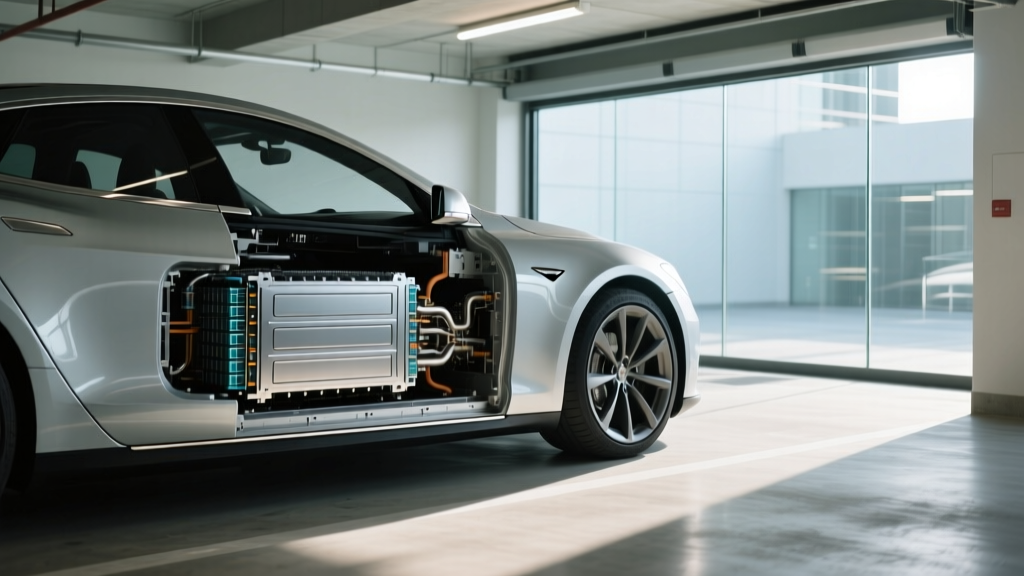
Every EV buyer eventually asks the same question: how long will the battery last, and how much range will I lose? The short answer is reassuring — modern EV traction batteries are engineered to outlast the useful life of most vehicles. But the details matter. A battery's usable capacity, its chemistry, how you charge it, and what climate you live in all shape the real-world battery range you'll experience in year five versus year one.
This guide breaks down the data behind EV battery degradation, compares the two dominant chemistries (LFP and NMC/NCA), explains what warranties actually cover, and gives you a realistic picture of replacement costs — because the sticker-shock headlines rarely tell the full story.
LFP vs NMC/NCA: Which Chemistry Affects Battery Range More?
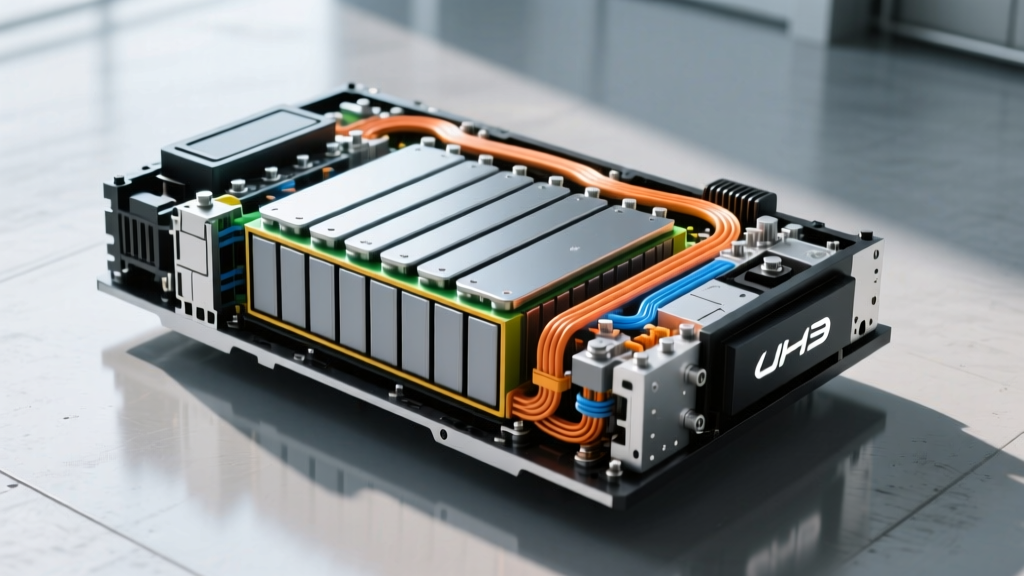
The two lithium-ion chemistries dominating the 2026 EV market are LFP (lithium iron phosphate) and NMC/NCA (nickel manganese cobalt / nickel cobalt aluminum). They behave very differently, and the choice directly affects your battery range, charging habits, and long-term cost.
| Attribute | LFP (Lithium Iron Phosphate) | NMC/NCA (Nickel-based) |
|---|---|---|
| Energy Density | Lower (~160–180 Wh/kg cell-level) | Higher (~220–300 Wh/kg cell-level) |
| Battery Range Impact | Heavier pack for same kWh; slightly less range per kg | More range in a lighter, more compact pack |
| Cycle Life | 3,000–5,000+ cycles to 80% SoH | 1,000–2,000 cycles to 80% SoH |
| Cold-Weather Performance | Weaker; greater range loss below 32°F (0°C) | Better low-temp discharge and charge acceptance |
| Thermal Stability | Excellent; very low thermal-runaway risk | Good but requires more active thermal management |
| Cost (per kWh) | Lower — no cobalt or nickel | Higher — commodity-sensitive metals |
| Recommended Daily SoC | Can charge to 100% daily without accelerated wear | Best kept at 80% for daily use; 100% for trips only |
| Common In 2026 Models | Tesla Model 3/Y RWD, Ford Mustang Mach-E Select, BYD, Rivian Standard | Tesla Long Range, Hyundai Ioniq 5/6, BMW iX, GM Ultium-based models |
LFP vs NMC — Which Is Better and Why?
Neither chemistry is universally superior. Choose LFP if you want lower cost, longer cycle life, the convenience of daily 100% charging (which simplifies battery range planning), and you live in a moderate climate. Choose NMC/NCA if you need maximum battery range per charge, regularly face freezing winters, or want the highest performance per kilogram. For most commuter-focused buyers in temperate zones, LFP has become the pragmatic choice by 2026. For long-range road-trippers and cold-climate drivers, NMC/NCA still holds the edge.
EV Battery Degradation: What the Data Actually Shows
Battery degradation isn't linear. Most EV batteries experience a small initial capacity drop in the first year or two (typically 2–4%), then settle into a slow, gradual decline for the rest of their life. Here's what aggregated fleet data and manufacturer-reported figures show:
| Age / Mileage | Average Capacity Retained | Range Impact (on 300-mi EPA pack) |
|---|---|---|
| Year 1 / ~12,000 mi | ~96–98% | ~290–294 mi effective |
| Year 3 / ~36,000 mi | ~92–95% | ~276–285 mi effective |
| Year 5 / ~60,000 mi | ~88–93% | ~264–279 mi effective |
| Year 8 / ~100,000 mi | ~82–90% | ~246–270 mi effective |
| Year 10+ / 150,000+ mi | ~75–85% | ~225–255 mi effective |
Source context: These figures align with aggregated data from fleet studies by Geotab (analyzing over 10,000 EVs) and manufacturer disclosures. LFP packs tend to show even slower degradation, with some fleet data suggesting 90%+ retention at 100,000 miles for vehicles charged primarily at home on Level 2.
Real-world caveat: Cold weather temporarily reduces battery range by 15–30% depending on temperature and whether you precondition. This is not degradation — capacity returns when temperatures normalize. True degradation is permanent capacity loss measured at standard temperatures.
What Does the Battery Warranty Actually Cover?
Federal law mandates that EV battery warranties cover a minimum of 8 years / 100,000 miles for emissions-related components, and most manufacturers align their high-voltage battery warranties to this standard or exceed it. Here's what major automakers offer as of the 2026 model year:
| Manufacturer | Warranty Period | Capacity Retention Threshold | Notes |
|---|---|---|---|
| Tesla (Model 3/Y) | 8 yr / 100,000–120,000 mi | 70% minimum | 120k mi for Long Range; 100k for RWD |
| Hyundai / Kia | 10 yr / 100,000 mi | 70% minimum | Among the longest coverage periods |
| GM (Ultium) | 8 yr / 100,000 mi | 70% minimum (estimated) | Covers battery and drive components |
| Ford | 8 yr / 100,000 mi | 70% minimum | Covers high-voltage battery components |
| Rivian | 8 yr / 175,000 mi | 70% minimum | Higher mileage threshold than most |
| BMW | 8 yr / 100,000 mi | 70% minimum | Standard across iX, i4, i7 lineup |
The critical detail: warranties guarantee that the battery will retain at least 70% of its original capacity (some manufacturers may adjust this threshold). If your pack drops below that threshold within the warranty window, the manufacturer will repair or replace the battery — typically by swapping failed modules rather than the entire pack. This means most owners will never need to pay out of pocket for battery service during the warranty period, because real-world degradation data shows most packs retain well above 70% at the 8-year mark.
EV Battery Replacement Cost: How Much and When?
Battery replacement is the specter that haunts EV skeptics, but context is essential. According to NREL and industry analyses, the vast majority of EV batteries never need full replacement — they outlast the vehicle's economic life. When replacement is needed, it's typically due to a manufacturing defect (covered by warranty) or physical damage (covered by insurance), not gradual wear.
| Vehicle Category | Battery Size | Estimated Out-of-Warranty Cost | Typical Replacement Trigger |
|---|---|---|---|
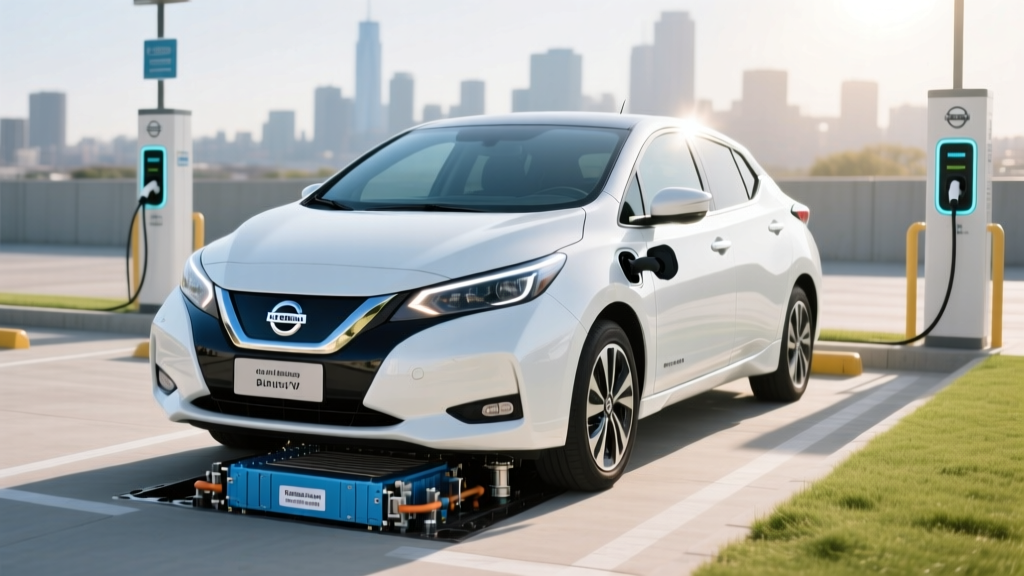
| Compact EV (e.g., Chevy Bolt, Nissan Leaf) | 60–65 kWh | $6,500 – $10,000 | Rare before 150k mi; module swap more common |
| Midsize EV (e.g., Tesla Model 3, Ioniq 5) | 75–84 kWh | $10,000 – $16,000 | Uncommon under warranty; physical damage |
| Large SUV / Truck (e.g., F-150 Lightning, Rivian) | 100–135 kWh | $15,000 – $25,000 | Rare; module-level repair preferred |
| Luxury EV (e.g., BMW iX, Mercedes EQS) | 100–120 kWh | $18,000 – $30,000 | Extremely rare; warranty + insurance cover most |
Key cost trend: Battery pack prices have fallen roughly 80% since 2013 and continue declining. By 2026, average pack-level pricing sits around $100–$130/kWh at the cell level, with full pack replacement costs moderated by modular designs that allow individual module replacement at a fraction of full-pack cost. A single module swap might run $1,500–$3,000 rather than the full-pack figure.
How Long Do EV Batteries Last?
Based on current fleet data and chemistry improvements, most 2026-era EV batteries are engineered for 15–20 years or 150,000–200,000+ miles of service before reaching 70–80% of original capacity. That's comparable to or longer than the average vehicle lifespan in the U.S. (about 12 years per BTS data). LFP packs, with their superior cycle life, may push well beyond 200,000 miles with minimal capacity loss.
To put this in perspective: if you drive 12,000 miles per year, a battery rated for 2,000 charge cycles at 80% retention would theoretically cover 200,000+ miles — and that's using conservative NMC cycle-life estimates. Most owners will sell or retire the car long before the battery becomes unusable.
Factors That Affect Battery Life and Range Retention
Not all miles are equal when it comes to battery health. Here's what actually accelerates degradation:
Battery Care Checklist for Maximum Longevity
- Minimize DC fast charging: Occasional road-trip fast charging is fine, but daily use of 150+ kW DC charging generates sustained heat that accelerates cell wear. Favor Level 2 home charging for daily needs.
- Avoid extreme State of Charge: For NMC/NCA packs, keep daily SoC between 20–80%. LFP packs can be charged to 100% daily — in fact, periodic 100% charges help the BMS calibrate accurately.
- Precondition in cold weather: Use your EV's preconditioning feature (schedule departure time) to warm the battery while still plugged in. This reduces range loss and avoids the battery trying to accept regen while cold.
- Avoid prolonged storage at 100% or 0%: If storing the vehicle for weeks, leave SoC around 50%. Both extremes stress cell chemistry over time.
- Moderate ambient temperature helps: Garage parking in extreme heat or cold reduces thermal cycling stress. Active thermal management systems in modern EVs mitigate this, but reducing exposure still helps.
- Don't obsess over it: Modern battery management systems (BMS) are sophisticated. They buffer the top and bottom of the pack (you never use the full gross kWh), manage temperature, and balance cells. Normal use — including occasional fast charging and 100% charges before road trips — won't cause meaningful harm.
How to Check and Monitor Battery Health (State of Health)
State of Health (SoH) is the metric that tells you what percentage of the battery's original capacity remains usable. Here's how to monitor it:
- In-vehicle displays: Some 2026 models (notably Tesla via the service menu, Hyundai/Kia via the infotainment diagnostics page, and BMW) expose a battery health percentage directly in the car's UI.
- OBD-II diagnostic tools: Third-party OBD-II dongles paired with apps like LeafSpy (Nissan), Scan My Tesla, or Car Scanner can read SoH data from the BMS. These typically cost $20–$50 for the dongle.
- Dealer diagnostics: Any authorized service center can run a battery health report during routine service. Request this if you're approaching the warranty mileage threshold and want documentation.
- Range-based estimation: Track your vehicle's displayed range at a consistent SoC over time. If your 80% charge used to show 240 miles and now shows 220, that's roughly an 8% capacity loss — useful for spotting trends between formal checks.
Emerging Battery Technology: Solid-State and Silicon Anodes
Looking ahead, two technologies promise to reshape battery range and longevity:
Solid-state batteries replace the liquid electrolyte with a solid material, potentially offering 30–50% higher energy density, faster charging, and improved safety. Toyota, Samsung SDI, and QuantumScape have demonstrated prototype cells, but mass-production vehicles with solid-state packs are not expected before 2028–2030 at the earliest, with meaningful market penetration likely in the early 2030s. As of 2026, no production vehicle on sale uses a solid-state battery.
Silicon-anode batteries (from companies like Sila Nanotechnologies and Group14) increase energy density by replacing graphite anodes with silicon-dominant composites. These are closer to market — expected in select 2027–2028 models — and could add 10–20% more battery range without increasing pack size. They don't fundamentally change degradation behavior, but the extra capacity buffer means more usable range over the pack's life.
Both technologies are promising but remain forward-looking. If you're buying an EV in 2026, today's LFP and NMC packs represent mature, well-understood technology with extensive real-world track records.
Frequently Asked Questions
How long do EV batteries last in years and miles?
Most 2026-era EV batteries are designed to last 15–20 years or 150,000–200,000+ miles before degrading to 70–80% of original capacity. LFP chemistries tend to last even longer in terms of cycle count. In practice, most batteries outlast the vehicle they're installed in.
How much does an EV battery cost to replace?
Full pack replacement ranges from roughly $6,500 for a compact EV to $25,000+ for a large truck or luxury vehicle. However, most replacements involve individual module swaps at $1,500–$3,000 per module. More importantly, the vast majority of owners never pay for battery replacement — defects are covered by the 8–10 year warranty, and physical damage is covered by insurance.
What does the EV battery warranty cover?
Standard warranties cover battery capacity loss below 70% of original capacity for 8 years/100,000 miles minimum (Hyundai/Kia extend to 10 years; Rivian to 175,000 miles). This includes defective cells, module failures, and excessive degradation. It does not cover damage from accidents, flooding, or aftermarket modifications.
How do I maximize my EV battery health and battery range?
For daily driving: use Level 2 home charging, keep NMC/NCA SoC between 20–80% (LFP can go to 100%), precondition in cold weather, and avoid leaving the car at extreme SoC for extended periods. Occasional DC fast charging and full charges before trips are fine — modern BMS systems handle this well.
LFP vs NMC — which battery chemistry should I choose?
Choose LFP for lower cost, longer cycle life, and the simplicity of daily 100% charging — ideal for commuters in moderate climates. Choose NMC/NCA for maximum battery range per charge, better cold-weather performance, and higher energy density — better for road-trippers and cold-climate drivers. Neither is wrong; the right choice depends on your driving pattern.
Does fast charging damage my EV battery?
Occasional DC fast charging (road trips, a few times per month) has minimal measurable impact on modern batteries with active thermal management. Daily fast charging at 150+ kW does accelerate degradation slightly due to sustained heat exposure, but the effect is modest — studies suggest an additional 2–5% capacity loss over 100,000 miles compared to exclusive Level 2 charging. For most owners, the convenience outweighs the marginal wear.