How Long Does an EV Battery Actually Last?
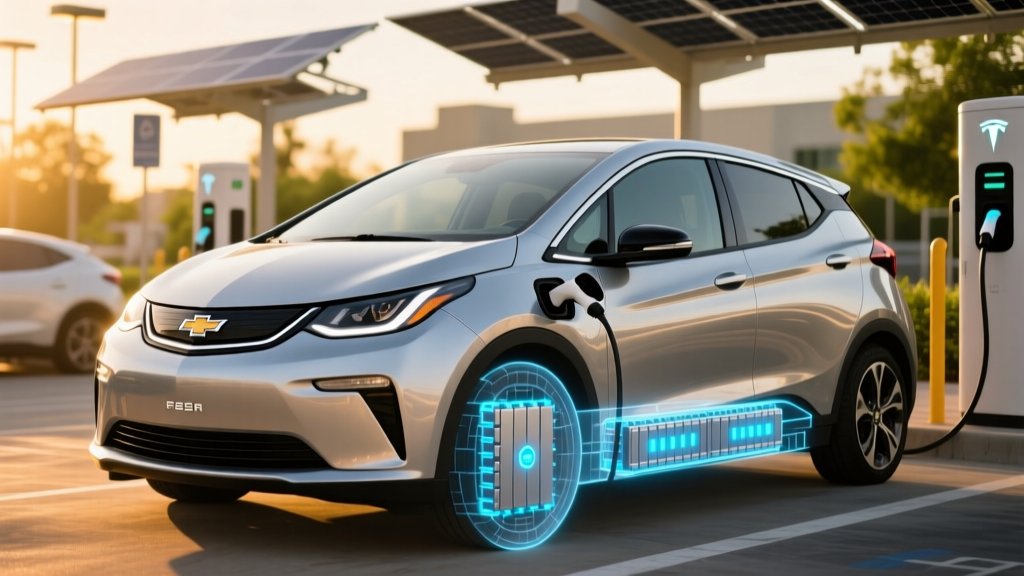
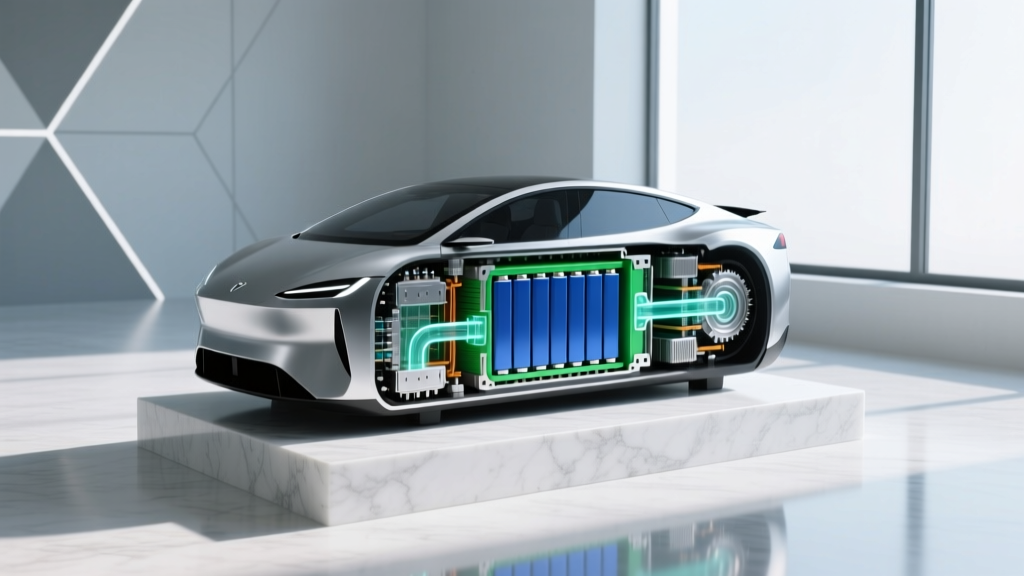
Most modern electric vehicles use lithium-ion traction packs engineered for 1,500 to 3,000 full charge cycles before reaching 70–80% of their original capacity. In real-world mileage, that translates to roughly 200,000 to 500,000 miles depending on chemistry, thermal management, and driving habits. The average American drives 13,500 miles per year according to the Federal Highway Administration, meaning a well-maintained EV battery should outlast the vehicle's structural and mechanical components.
Long-term fleet data supports this. Tesla's 2025 Impact Report showed their vehicles retained an average of 88% battery capacity after 200,000 miles. Hyundai and Kia's 10-year/100,000-mile warranties on their Ioniq and EV6 lineups reflect similar confidence. The rare catastrophic failure — a battery bricking entirely — is overwhelmingly covered under warranty and occurs in well under 1% of vehicles.
LFP vs NMC: Which Chemistry Lasts Longer?
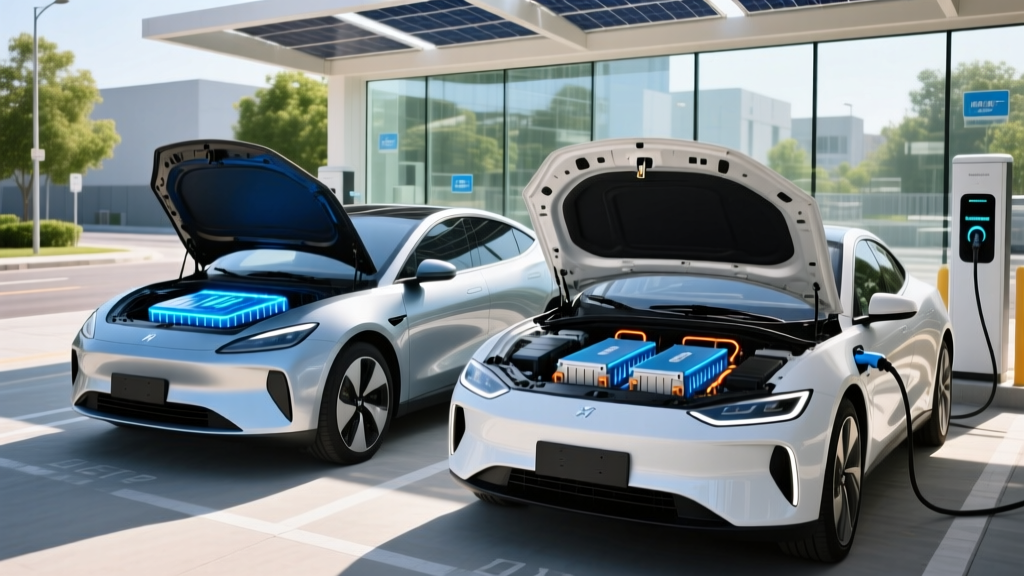
The two dominant chemistries in 2026 EVs are lithium iron phosphate (LFP) and nickel-manganese-cobalt (NMC) or nickel-cobalt-aluminum (NCA). Your battery's chemistry is the single largest predictor of its lifespan profile.
| Attribute | LFP (Lithium Iron Phosphate) | NMC / NCA (Nickel-based) |
|---|---|---|
| Typical cycle life | 3,000–5,000+ cycles | 1,500–2,500 cycles |
| Energy density | Lower (~160 Wh/kg cell-level) | Higher (~250–290 Wh/kg cell-level) |
| Cold-weather performance | Weaker; ~15–20% more range loss below freezing | Better low-temp conductivity |
| Recommended daily SoC | 100% OK; benefits from periodic full charges | 80% for daily; 100% only for trips |
| Cost per kWh | ~$85–$100 (2026 pack-level) | ~$115–$135 (2026 pack-level) |
| Notable 2026 applications | Tesla Model 3/Y RWD, Ford Mustang Mach-E Select, Rivian Standard | Hyundai Ioniq 5/6, Kia EV6/EV9, Chevy Equinox EV, Lucid Air |
Which is better? It depends on ownership style. LFP wins on pure longevity and cost — if you plan to keep a car 10+ years or drive high annual miles, LFP's superior cycle life matters. NMC wins on energy density (more range in a lighter pack) and cold-weather usability, making it preferable for long-range trims and northern climates. Neither is universally superior; both are proven at scale.
Real Degradation Data: What the Numbers Show
Degradation follows a predictable curve: a steeper drop in the first 12–24 months (typically 3–5%), followed by a long, slow linear decline. Here's what aggregated fleet data from sources like Recurrent Auto and Geotab shows for 2022–2025 model-year vehicles:
- Year 1 / 15,000 mi: ~2–4% loss
- Year 3 / 45,000 mi: ~5–8% loss
- Year 5 / 75,000 mi: ~8–12% loss
- Year 8 / 120,000 mi: ~12–17% loss
- Year 10 / 150,000 mi: ~15–22% loss
A 2023 Hyundai Ioniq 5 Long Range (77.4 kWh NMC) might deliver 303 miles EPA when new. At year 5, expect roughly 265–280 usable miles in mixed driving. That's a meaningful but manageable reduction — and still more range than most daily commutes require.
What the Battery Warranty Actually Covers
Federal law mandates a minimum 8-year/100,000-mile warranty on EV battery packs for emissions-related compliance, and most automakers exceed this baseline. The critical detail is the capacity retention threshold — the point at which the manufacturer considers the pack "degraded enough" to warrant repair or replacement.
| Automaker | Warranty Term | Capacity Threshold |
|---|---|---|
| Tesla (Model 3/Y LFP) | 8 yr / 120,000 mi | 70% |
| Tesla (Model S/X) | 8 yr / 150,000 mi | 70% |
| Hyundai / Kia | 10 yr / 100,000 mi | 70% |
| Ford (Mach-E, F-150 Lightning) | 8 yr / 100,000 mi | 70% |
| GM (Ultium-based) | 8 yr / 100,000 mi | 70% (60% on some commercial) |
| Rivian | 8 yr / 120,000 mi (Standard) / 175,000 mi (Max) | 70% |
| BMW / Mercedes | 8 yr / 100,000 mi | 70% |
What's covered: Capacity loss below the threshold, manufacturing defects, cell imbalance, and thermal management system failures. What's not covered: Damage from accidents, improper charging equipment, aftermarket modifications, or cosmetic issues that don't affect function. Warranty transfers to second owners in most cases, which supports used-EV resale values.
EV Battery Replacement Cost: What to Budget
Out-of-warranty battery replacement remains the single largest potential EV ownership expense, but it's also the least likely to be needed. Costs have fallen steadily as pack-level prices dropped below $135/kWh in 2026.
| Vehicle Class / Example | Pack Size | Estimated Replacement Cost (2026) |
|---|---|---|
| Compact (Chevy Bolt, Nissan Leaf) | 60–65 kWh | $9,000 – $13,000 |
| Mid-size sedan (Tesla Model 3, Ioniq 6) | 75–82 kWh | $12,000 – $17,000 |
| Mid-size SUV (Model Y, EV6, Mach-E) | 75–88 kWh | $13,000 – $19,000 |
| Large SUV / truck (F-150 Lightning, Rivian, EV9) | 100–135 kWh | $17,000 – $24,000 |
| Luxury / performance (Lucid Air, Taycan) | 90–118 kWh | $18,000 – $27,000 |
These figures include the pack and labor but not ancillary components like contactors or cooling lines if they also need service. Module-level repair — replacing only degraded cell groups rather than the entire pack — is increasingly common and can cut costs by 40–60%. Independent EV shops are also emerging as lower-cost alternatives to dealer service.
When is replacement typically needed? Rarely before 150,000–200,000 miles for NMC and 250,000+ miles for LFP, assuming normal use. The vast majority of EVs are retired or sold before their batteries require replacement.
Factors That Accelerate (or Preserve) Battery Life
Not all miles are equal for battery wear. The following factors have the largest measurable impact on longevity:
- Avoid sustained 100% SoC (NMC/NCA): Store between 20–80% for daily use. LFP owners should charge to 100% at least weekly for BMS calibration.
- Limit DC fast charging to road trips: Frequent 150+ kW sessions accelerate electrolyte decomposition. One or two per week is fine; daily is not ideal.
- Precondition in cold weather: Use your car's scheduled departure feature to warm the pack while plugged in. Charging a frozen battery causes lithium plating.
- Avoid extreme heat storage: Don't leave the car at 100% SoC in a 100°F+ driveway for days. Park in shade or a garage when possible.
- Use Level 2 home charging as your default: 7–11 kW charging generates far less thermal stress than DCFC.
- Don't baby it excessively: Modern BMS and thermal management handle most scenarios. Occasional 100% charges and fast charging won't ruin the pack.
The single worst habit for long-term health is repeatedly fast-charging to 100% in hot weather and letting the car sit. The best habit is daily Level 2 charging to 80% with preconditioning enabled.
How to Check Your Battery's State of Health
State of Health (SoH) is the percentage of original capacity your pack currently holds. Most 2026 EVs surface this data directly:
- In-vehicle displays: Tesla (Service menu), Hyundai/Kia (EV diagnostics), BMW (iDrive service info), and Rivian all provide SoH readouts or estimated range vs. original.
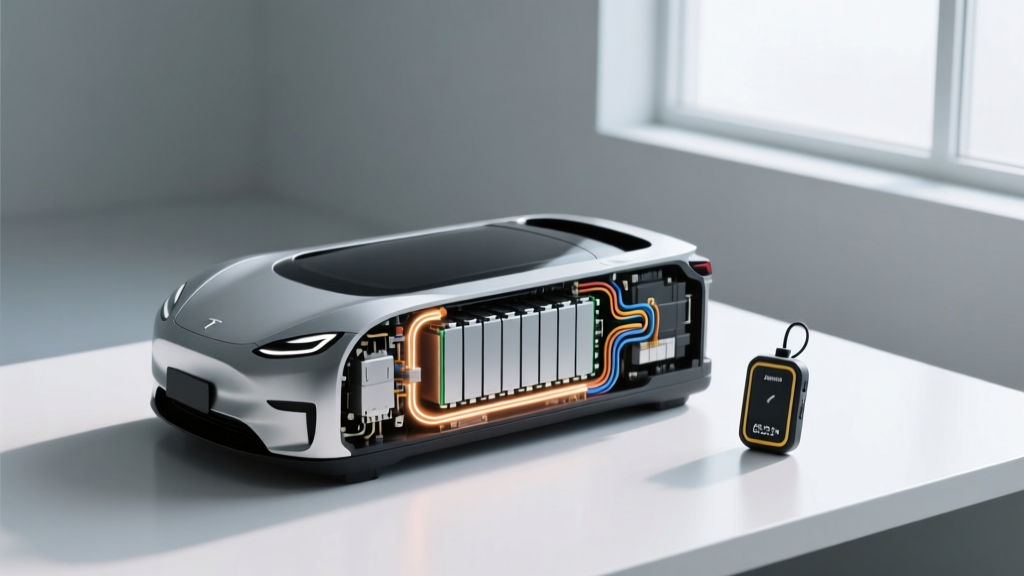
- OBD-II dongles + apps: Tools like OBDLink SX paired with apps such as Car Scanner or ABRP can read SoH from the BMS on most EVs.
- Dealer health checks: Any service center can pull a full battery health report showing cell balance, internal resistance, and capacity.
- Third-party certifications: Services like Recurrent and AVIS EV certified reports provide independent SoH verification for used-EV purchases.
Check SoH at least annually, and always before purchasing a used EV. A pack at 92% SoH after 50,000 miles is normal and healthy; one at 82% is a red flag warranting deeper inspection.
What's Next: Solid-State and Silicon Anode Batteries
Forward-looking context — these technologies are not yet in consumer vehicles at scale as of 2026.
Solid-state batteries replace the liquid electrolyte with a solid material, promising 30–50% higher energy density, faster charging, and dramatically improved cycle life (potentially 5,000+ cycles with minimal degradation). Toyota has announced limited production for 2027–2028, and QuantumScape continues validation with Volkswagen. Realistic mass-market availability is 2029–2032.
Silicon-dominant anodes (from companies like Sila Nanotechnologies and Group14) increase energy density by 20–40% and are entering production in 2026–2027 for premium applications. They improve range more than lifespan directly but reduce per-cycle stress.
Neither technology invalidates current EV purchases. Today's lithium-ion packs are mature, well-understood, and demonstrably long-lasting. Waiting for solid-state means waiting years for limited-availability, premium-priced vehicles.
Frequently Asked Questions
How long do EV batteries last in years and miles?
Most modern EV batteries are designed to last 15–20 years or 200,000–500,000 miles before reaching 70–80% of original capacity. LFP chemistry extends this further. The vehicle's body, suspension, and interior typically wear out before the battery does.
How much does an EV battery cost to replace out of warranty?
Between $9,000 and $27,000 depending on pack size and vehicle class, with most mid-size EVs in the $13,000–$19,000 range. Module-level repairs can reduce this by 40–60%. Costs continue to decline as pack-level prices fall.
What does the battery warranty actually cover?
Federally mandated minimum is 8 years/100,000 miles, with many automakers offering 8–10 years and 100,000–150,000 miles. Coverage triggers when capacity drops below ~70% of original. Manufacturing defects, cell failures, and thermal management issues are included; accident damage and abuse are not.
How do I maximize my EV battery's lifespan?
Use Level 2 home charging as your default, keep NMC packs between 20–80% SoC for daily use (LFP can sit at 100%), precondition in cold weather, and limit DC fast charging to road trips. Avoid storing the car at full charge in extreme heat.
Is LFP or NMC better for battery longevity?
LFP offers superior cycle life (3,000–5,000+ cycles vs. 1,500–2,500 for NMC) and lower cost, making it better for pure longevity. NMC offers higher energy density and better cold-weather performance. Choose LFP for maximum lifespan and value; choose NMC for maximum range and cold-climate usability.
Does fast charging damage my EV battery?
Occasional DC fast charging (1–2 times per week) has minimal measurable impact on modern liquid-cooled packs. Daily fast charging, especially to 100% in hot weather, accelerates degradation by roughly 1–2 additional percentage points over several years. Use Level 2 for daily needs and reserve DCFC for trips.