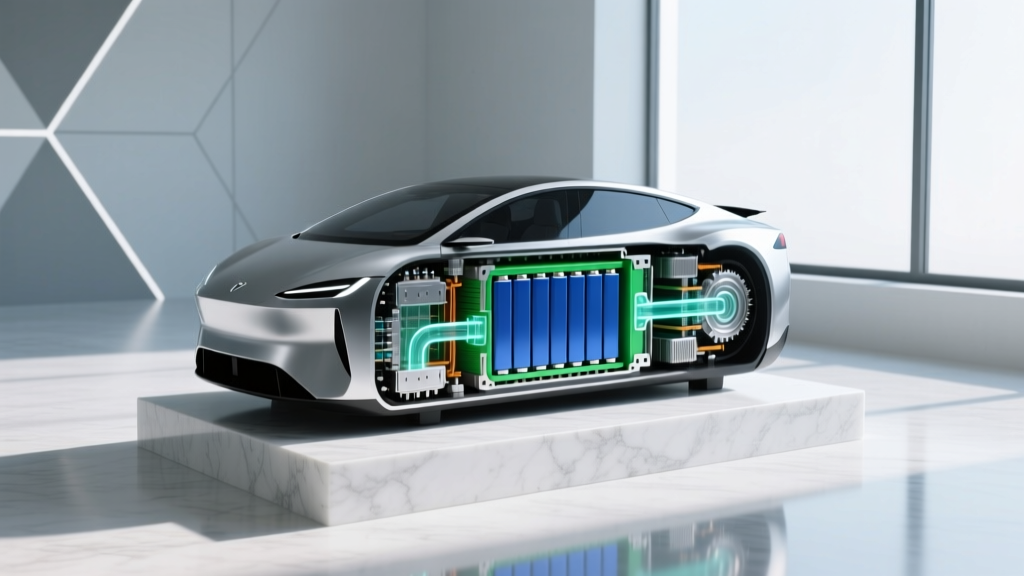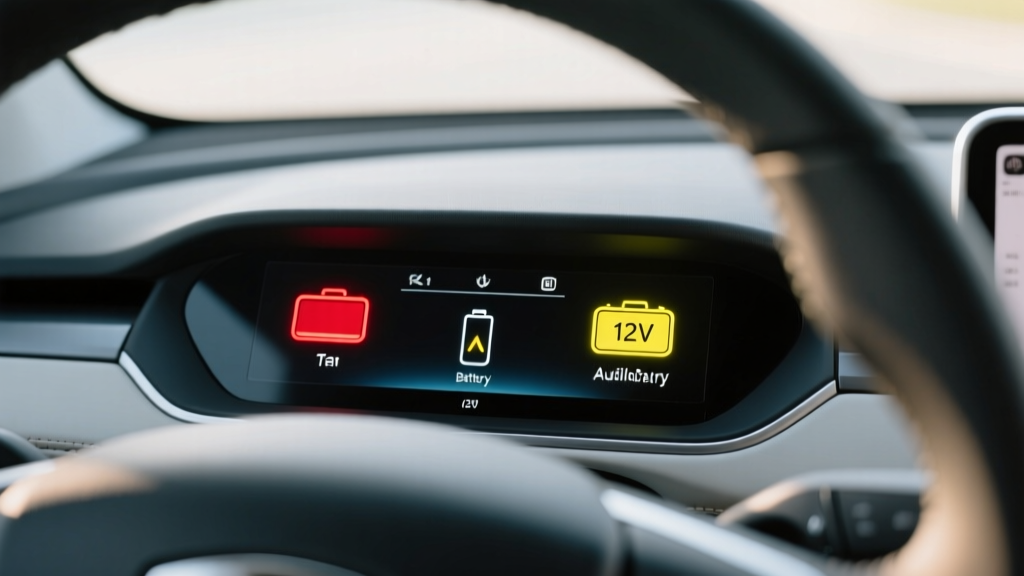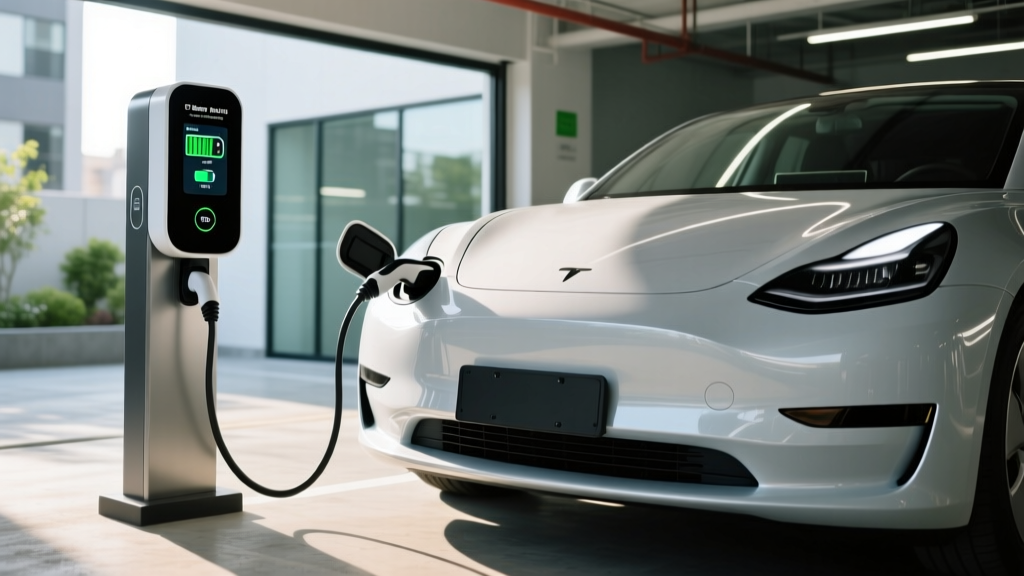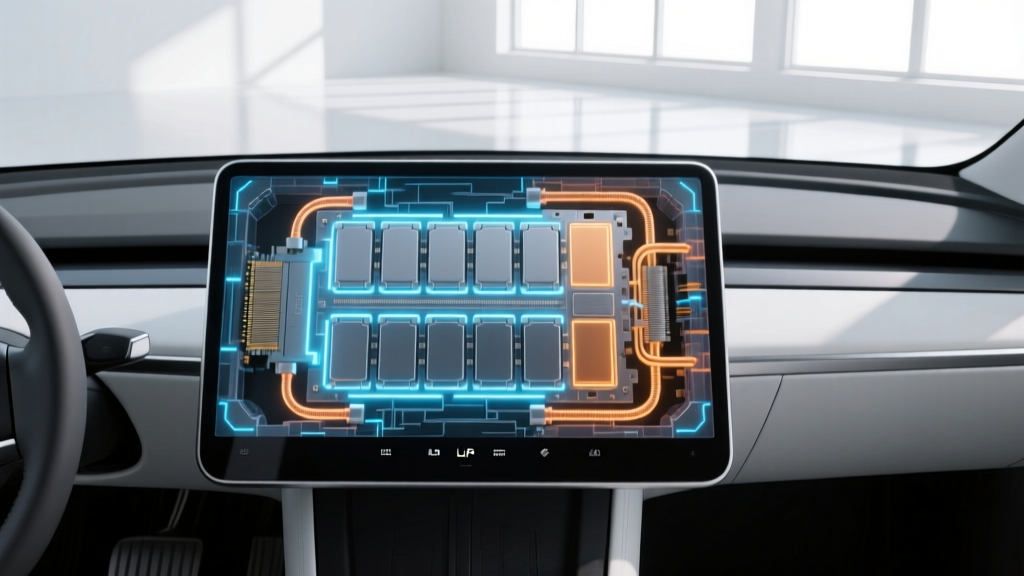
When you buy an electric vehicle, the sticker tells you the price, the range, and the horsepower. What it rarely tells you is who actually built the battery pack sitting under the floor — and that single component can account for 30–40% of the vehicle's total cost. Understanding your battery maker, the chemistry inside the cells, and how the pack will age over a decade of ownership is the difference between confident EV ownership and expensive surprises.
This guide breaks down the major EV battery makers supplying today's vehicles, the chemistry trade-offs that affect your daily driving, real degradation data from hundreds of thousands of miles on the road, warranty specifics by manufacturer, and what replacement actually costs if you ever need it.
Who Are the Major EV Battery Makers in 2026?
The global EV battery supply chain is dominated by a handful of manufacturers, each with distinct chemistries, cell formats, and OEM partnerships. Here's how the landscape maps to the vehicles on sale in the U.S. market:
| Battery Maker | Headquarters | Primary Chemistries | Key OEM Partners |
|---|---|---|---|
| CATL | China | LFP, NMC, sodium-ion | Tesla (Model 3/Y Standard Range), Ford, BMW, Volvo |
| LG Energy Solution | South Korea | NMC, NCMA | GM (Ultium platform), Ford, Hyundai, Stellantis |
| Panasonic | Japan | NCA, NMC | Tesla (Model 3/Y Long Range, Cybertruck) |
| SK On | South Korea | NMC, NCA | Ford (F-150 Lightning), Hyundai, Kia |
| Samsung SDI | South Korea | NMC | BMW, Stellantis, Rivian |
| BYD (FinDreams) | China | LFP (Blade Battery) | BYD vehicles, Tesla (some Model Y), Toyota |
| Ultium Cells (GM/LGES JV) | U.S. | NCMA | GM (Cadillac, Chevrolet, GMC EVs) |
The same automaker may source from multiple battery makers depending on trim level. Tesla's Model 3 Rear-Wheel Drive uses CATL-supplied LFP cells, while the Long Range variant uses Panasonic NCA cells — different chemistry, different range, different care requirements. Always check your specific VIN or window sticker to confirm what's under your car.
LFP vs NMC vs NCA: Chemistry Trade-Offs That Matter
The battery maker you end up with largely determines the cell chemistry in your pack, and chemistry drives real-world behavior: how far you can go, how fast you can charge, how the battery handles winter, and how long it lasts. Here's the comparison every EV buyer needs:
| Attribute | LFP (Lithium Iron Phosphate) | NMC (Nickel Manganese Cobalt) | NCA (Nickel Cobalt Aluminum) |
|---|---|---|---|
| Energy Density | Lower (~160–180 Wh/kg cell-level) | Higher (~220–260 Wh/kg) | Highest (~260–300 Wh/kg) |
| Typical Pack Size | 50–65 kWh (Standard Range trims) | 75–100+ kWh (Long Range trims) | 75–100+ kWh (Long Range/Performance) |
| Cycle Life | 3,000–5,000+ cycles | 1,000–2,000 cycles | 1,000–1,500 cycles |
| Cold-Weather Performance | Reduced — greater range loss below 32°F | Better low-temp discharge | Better low-temp discharge |
| Charging to 100% | Recommended periodically for SoC calibration | Daily charge to 80% recommended; 100% for trips | |
| Cost per kWh | Lower (~$90–110/kWh cell-level in 2025–2026) | Higher (~$120–150/kWh) | Higher (~$120–150/kWh) |
| Cobalt Content | None | Yes (supply-chain and ethical concerns) | Yes (lower than NMC) |
| Thermal Stability | Excellent — less prone to thermal runaway | Good with active thermal management | Good with active thermal management |
| Notable Suppliers | CATL, BYD | LG Energy Solution, SK On, Samsung SDI | Panasonic |
Which is better? It depends on your use case. If you commute 30–50 miles daily, charge at home, and want a battery that will easily outlast the car's body, LFP is the pragmatic choice — lower energy density means less range, but the cycle-life advantage is massive. If you need maximum range for road trips or live in a cold climate where every mile counts in January, NMC or NCA delivers the energy density you need, at the cost of a somewhat shorter overall cycle life and a higher per-kWh price.
How Long Do EV Batteries Actually Last?
The short answer: far longer than most buyers fear. Real-world fleet data from sources like Recurrent Auto and Tesla's own impact reports show that modern EV batteries lose an average of 5–10% of their original capacity over the first 100,000 miles, then degradation slows considerably. Most packs retain 85–90% of original capacity at 150,000 miles.
| Mileage | Average Capacity Retained | Notes |
|---|---|---|
| 0–20,000 miles | 96–98% | Initial break-in loss; most rapid early decline |
| 50,000 miles | 92–95% | Curve flattens significantly |
| 100,000 miles | 88–93% | Most packs well within warranty threshold |
| 150,000 miles | 85–90% | Noticeable but not debilitating range reduction |
| 200,000+ miles | 80–87% | Many packs still functional; some reach this with >85% |
Sources: Recurrent Auto fleet data (2024–2025), Tesla Impact Report, aggregated owner-reported data. Individual results vary by chemistry, climate, and charging habits.
Critical context: a battery that has degraded to 85% of its original capacity in a 320-mile EPA-rated EV still delivers roughly 272 miles of range — more than adequate for the vast majority of drivers. Battery replacement due to wear-out degradation (not defect) before 200,000 miles is statistically rare in liquid-cooled modern packs.
Battery Warranty Terms: What's Covered and What's Not
Federal regulation mandates a minimum 8-year/100,000-mile warranty on EV battery packs for emissions-related compliance, and nearly every automaker meets or exceeds this baseline. Here's how the major brands stack up:
| Manufacturer | Warranty Period | Capacity Retention Threshold | Notes |
|---|---|---|---|
| Tesla (Model 3/Y RWD — LFP) | 8 yr / 100,000 mi | 70% | Long Range/Performance: 8 yr / 120,000 mi |
| Hyundai / Kia (E-GMP platform) | 10 yr / 100,000 mi | 70% | Among the longest coverage periods |
| GM (Ultium-based EVs) | 8 yr / 100,000 mi | 70% | Covers Bolt EV/EUV at 8 yr / 100,000 mi |
| Ford (Mach-E, F-150 Lightning) | 8 yr / 100,000 mi | 70% | Standard across BEV lineup |
| BMW (i4, iX, i7) | 8 yr / 100,000 mi | 70% | BMW also offers optional extended coverage |
| Rivian (R1T, R1S) | 8 yr / 175,000 mi | 70% | Highest mileage threshold among major OEMs |
| Volkswagen (ID.4) | 8 yr / 100,000 mi | 70% | Net usable capacity basis |
What the warranty actually covers: If your battery's net usable capacity drops below the stated threshold (typically 70%) within the warranty period, the manufacturer will repair or replace the pack at no cost. This covers degradation — not just defects. However, the warranty does not cover damage from accidents, flooding, improper modifications, or use outside the manufacturer's guidelines.
What triggers a claim: Most manufacturers measure State of Health (SoH) via the battery management system (BMS). If your SoH reading falls below the threshold, you initiate a warranty claim through the dealer or service center. Some owners proactively request SoH readouts during routine service visits to track their pack's trajectory.
EV Battery Replacement Cost: The Numbers
This is the question that generates the most anxiety — and the most misinformation. Let's ground it in real figures:
| Vehicle | Battery Size (usable kWh) | Chemistry | Replacement Cost Range (Parts + Labor) |
|---|---|---|---|
| Tesla Model 3 RWD | ~57 kWh | LFP (CATL) | $10,000–$14,000 |
| Tesla Model Y Long Range | ~75 kWh | NCA (Panasonic) | $14,000–$18,000 |
| Hyundai Ioniq 5 | ~77.4 kWh | NMC (SK On) | $14,000–$19,000 |
| Ford F-150 Lightning (Extended Range) | ~131 kWh | NMC (SK On) | $22,000–$32,000 |
| Chevrolet Equinox EV | ~85 kWh | NCMA (Ultium/LGES) | $14,000–$20,000 |
| BMW iX xDrive50 | ~105.2 kWh | NMC (Samsung SDI) | $20,000–$28,000 |
| Rivian R1T (Large Pack) | ~128.9 kWh | NMC (Samsung SDI) | $20,000–$30,000 |
Costs reflect out-of-warranty replacement estimates based on industry data and service reports. Module-level repair (replacing individual failed modules rather than the entire pack) can reduce costs by 40–60% on platforms that support it. Warranty-covered replacements cost the owner $0.
When is replacement actually needed? Catastrophic failure (defective cells, physical damage, coolant intrusion) is the primary reason for early replacement and is typically covered under warranty. Gradual degradation below the 70% threshold within the warranty window is uncommon but covered. Out-of-warranty replacement due to wear is a late-life concern — most EV batteries outlast the vehicle's economic life, meaning the car is totaled, scrapped, or sold before the battery needs replacement.
Cell costs continue to decline. According to BloombergNEF, average lithium-ion pack prices fell below $140/kWh in 2025 and are projected to approach $100/kWh by 2028–2030, meaning replacement costs for today's vehicles will be lower in the future than current estimates suggest.
Factors That Accelerate (or Preserve) Battery Life
Your battery maker designed the cells, but your habits determine how they age. Here are the factors that research and fleet data consistently identify:
Charging Habits
- NMC/NCA daily charge limit: Set to 80% for daily use. Charge to 100% only when you need full range for a trip, and try to depart soon after reaching 100% rather than letting the pack sit fully charged for days.
- LFP daily charge: Most LFP-equipped vehicles (Tesla Model 3 RWD, some Ford models) recommend periodic 100% charges — LFP cells need full-charge calibration for accurate SoC estimation. Follow your OEM's specific guidance.
- Avoid sustained storage at extremes: Don't leave the car at 0% or 100% SoC for extended periods (weeks). For long-term storage, ~50% SoC is ideal.
DC Fast Charging Frequency
- Occasional DC fast charging (road trips) has minimal impact on modern, liquid-cooled packs.
- Daily DC fast charging at 150+ kW does accelerate degradation slightly — fleet data suggests ~1–3% additional loss over 100,000 miles compared to exclusive Level 2 home charging.
- Preconditioning the battery before fast charging (most EVs do this automatically when you navigate to a charger) reduces stress by warming the cells to optimal temperature.
Temperature Management
- Extreme heat is the enemy of lithium-ion longevity. Garage parking in hot climates meaningfully extends pack life.
- Extreme cold temporarily reduces range and available power but does not cause permanent damage — the BMS limits charging power when cells are cold to protect them.
- Preconditioning (cabin and battery) while plugged in uses grid power rather than battery power, preserving range and reducing thermal cycling.
Driving Patterns
- Frequent hard acceleration and sustained high-speed driving increase cell temperatures and stress.
- Regenerative braking set to moderate or high reduces mechanical brake wear and keeps the battery in a healthy charge-discharge rhythm.
How to Monitor Your Battery's State of Health
State of Health (SoH) is the percentage of your battery's original usable capacity that remains available. A brand-new pack is 100% SoH; a pack that has degraded to hold only 85% of its original energy is at 85% SoH.
How to check SoH:
- In-vehicle BMS readout: Some vehicles (notably Tesla via the service menu, certain Hyundai/Kia models) display SoH or estimated range at 100% charge, which you can compare to the original EPA figure.
- Dealer diagnostic: Request a battery health report during scheduled service. The dealer can pull a detailed SoH reading from the BMS, including individual module voltage variance.
- Third-party apps: Tools like Recurrent, Tessie (for Tesla owners), and OBD-II dongles paired with apps such as ABRP or Scan My Tesla can estimate SoH by comparing actual energy consumed vs. displayed SoC change over a full charge cycle.
- Charging-log method: Track how many kWh your Level 2 charger delivers during a 10–90% charge session. Compare this to the battery's usable kWh specification × 0.8. A significant discrepancy indicates degradation.
When to be concerned: If your SoH drops more than ~3% per year or 5% per 20,000 miles after the initial break-in period, or if you notice sudden range drops that don't correlate with temperature, schedule a diagnostic. Isolated module failures can cause uneven degradation that the BMS may mask until it worsens.
What's Next: Solid-State, Silicon Anode, and Beyond
Every EV buyer wants to know if they should wait for the "next big thing" in battery tech. Here's a realistic timeline assessment:
Solid-state batteries promise higher energy density (~400+ Wh/kg at the cell level), faster charging, and improved safety by replacing the liquid electrolyte with a solid conductor. Toyota, Samsung SDI, and QuantumScape have all announced prototype milestones, but no mass-production vehicle with a full solid-state pack is currently on sale in the U.S. as of 2026. Toyota has indicated limited production in select models by 2027–2028, with broader availability likely post-2030. These timelines have slipped multiple times — treat them as forward-looking estimates, not guarantees.
Silicon-dominant anodes (used by companies like Sila Nanotechnologies and Group14) increase the amount of lithium ions the anode can store, boosting energy density by 20–40% over graphite anodes. These are beginning to appear in limited production applications (Porsche has signaled silicon-anode adoption in upcoming models) and are closer to mainstream deployment than full solid-state packs — likely in select 2027–2028 model-year vehicles.
Sodium-ion batteries from CATL and others offer lower cost and better cold-weather performance than lithium-ion, but significantly lower energy density (~120–160 Wh/kg). They're suited for budget city EVs and energy storage, not long-range vehicles. CATL has begun production, but U.S. vehicle availability remains limited.
Bottom line for buyers: If you need an EV now, today's lithium-ion packs from established battery makers are mature, well-understood, and backed by substantial warranties. Waiting for solid-state means waiting at least 3–5 years for meaningful U.S. market availability, with early-adopter pricing premiums.
Frequently Asked Questions
How long do EV batteries last in years and miles?
Modern liquid-cooled EV batteries from major battery makers (CATL, LG Energy Solution, Panasonic, SK On, Samsung SDI) routinely last 150,000–200,000+ miles before degradation becomes functionally noticeable. In years, that translates to 12–15+ years for the average driver covering 12,000–15,000 miles annually. Fleet data consistently shows that the majority of EV battery packs outlast the vehicle they're installed in.
How much does it cost to replace an EV battery?
Out-of-warranty replacement costs range from approximately $10,000 for a smaller LFP pack (e.g., Tesla Model 3 RWD, ~57 kWh) to $30,000+ for large packs in trucks and SUVs (e.g., Ford F-150 Lightning Extended Range, ~131 kWh). However, the vast majority of replacements are covered under the manufacturer's 8-year/100,000-mile (or longer) battery warranty at zero cost to the owner. Module-level repairs, where supported, can reduce out-of-pocket costs by 40–60%.
What does the EV battery warranty actually cover?
EV battery warranties cover both manufacturing defects and capacity degradation below a specified threshold — typically 70% of original net usable capacity — within the warranty period (usually 8 years/100,000 miles, with some manufacturers offering up to 10 years or 175,000 miles). The warranty does not cover damage from collisions, flooding, unauthorized modifications, or use outside manufacturer guidelines. Check your specific owner's manual or the EPA's fueleconomy.gov for model-specific details.
How do I check and maximize my EV battery health?
Monitor State of Health (SoH) through your vehicle's BMS readout, dealer diagnostics, or third-party apps that track energy consumption vs. SoC change. To maximize longevity: charge NMC/NCA packs to 80% daily (100% for trips only); charge LFP packs to 100% periodically per manufacturer guidance; minimize sustained storage at 0% or 100% SoC; use DC fast charging in moderation; precondition the battery before fast charging; and garage-park in extreme heat when possible.
LFP vs NMC — which battery chemistry is better for me?
Choose LFP if you prioritize longevity (3,000–5,000+ cycles vs. 1,000–2,000 for NMC), lower cost, cobalt-free sourcing, and excellent thermal stability — and if the lower energy density (and thus lower range per charge) fits your driving pattern. Choose NMC or NCA if you need maximum range, better cold-weather performance, or the highest energy density for towing and road trips. Neither is universally "better" — the right chemistry depends on your daily mileage, climate, and budget.
Does my battery maker affect my federal tax credit eligibility?
Yes, indirectly. Under the current IRS §30D clean vehicle credit rules, eligibility depends on where the battery's critical minerals and components are sourced and manufactured — not solely on the battery maker's brand name. Packs with significant Chinese-sourced minerals or components may disqualify a vehicle from the full $7,500 credit, even if the cell manufacturer itself is Korean or Japanese. Always verify current-year eligibility on IRS.gov, as sourcing requirements tighten annually and vary by model, trim, and production batch. The credit also has buyer income caps ($150K single / $300K joint) and MSRP caps ($55K sedans / $80K SUVs and trucks).