As electric trucks like the Ford F-150 Lightning, Chevrolet Silverado EV, and Ram 1500 REV enter mainstream adoption, understanding the high-voltage traction battery—the most expensive component in any EV—is critical for buyers and owners. This guide covers everything from chemistry trade-offs (LFP vs. NMC) to real-world degradation data, replacement costs, warranty terms, and actionable steps to maximize battery lifespan.
Battery Chemistry Explained: LFP vs. NMC/NCA Trade-offs
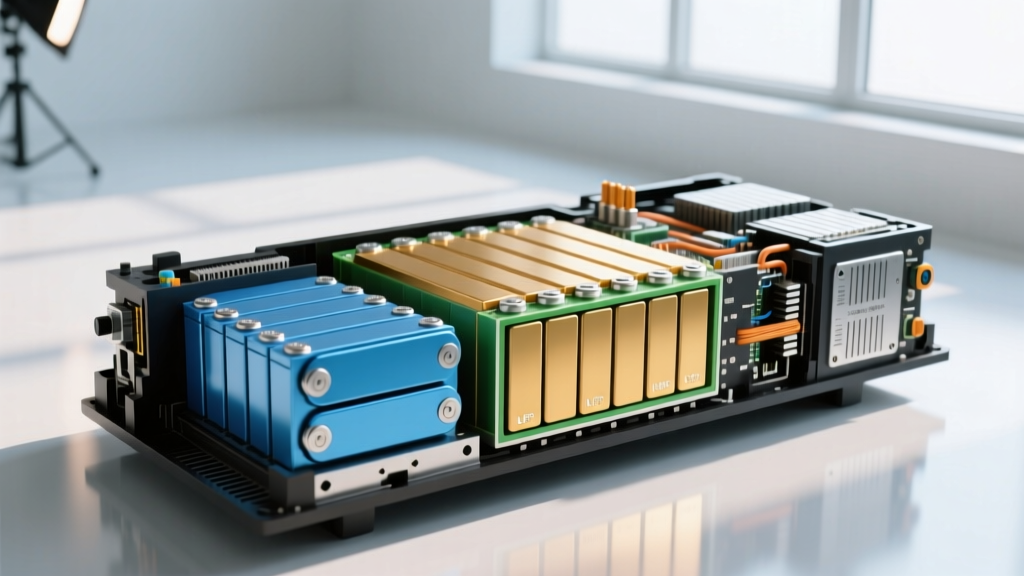
Modern EVs use two primary lithium-ion chemistries: Lithium Iron Phosphate (LFP) and Nickel Manganese Cobalt (NMC) or Nickel Cobalt Aluminum (NCA). Each has distinct advantages depending on your use case.
| Factor | LFP (Lithium Iron Phosphate) | NMC/NCA (Nickel-based) |
|---|---|---|
| Energy Density | Lower (~160 Wh/kg cell-level) | Higher (~250-300 Wh/kg cell-level) |
| Cycle Life | 3,000-5,000+ cycles to 80% SoH | 1,000-2,500 cycles to 80% SoH |
| Cold Performance | Moderate (10-20% range loss at 20°F) | Better (5-15% range loss at 20°F) |
| Cost | Lower ($100-120/kWh pack-level) | Higher ($130-160/kWh pack-level) |
| Charging to 100% | Recommended regularly | Best kept 20-80% daily |
| Example Vehicles | Tesla Model 3 RWD, Ford F-150 Lightning Standard Range | Ford F-150 Lightning Extended Range, Silverado EV 4WT |
Which is better? LFP excels for daily commuting and fleet use where longevity and lower cost matter more than maximum range. NMC is preferred for long-range applications, towing, and cold climates where energy density and winter performance are priorities.
How Long Do EV Batteries Last? Real Degradation Data
Contrary to early EV skepticism, modern lithium-ion packs routinely outlast the vehicles they power. Here's what the data shows:
Typical Degradation Curve (NMC batteries, moderate climate):
- Year 1: 2-5% capacity loss (initial formation)
- Years 2-5: ~1-2% per year
- Years 6-10: ~1% per year
- 150,000 miles: 85-92% State of Health (SoH) typical
- 200,000 miles: 80-88% SoH typical
Source: Geotab fleet data analysis of 6,000+ EVs over 10 years.
Real-world examples from high-mileage EVs:
- Tesla Model S (2013-2020): Average 8-12% degradation at 150,000 miles per Tesla Impact Report
- Nissan Leaf (2011-2017, air-cooled): 15-25% degradation at 100,000 miles due to thermal management limitations
- Chevrolet Bolt EV (2017-2023): 5-10% degradation at 100,000 miles with liquid cooling
Key insight: Liquid-cooled battery packs (standard in all 2026 EVs) show dramatically better longevity than early air-cooled designs. Thermal management is the single biggest factor in battery lifespan.
Battery Warranty Coverage: What's Protected and for How Long
Federal law mandates a minimum 8-year/100,000-mile warranty on EV batteries, but most manufacturers exceed this baseline. Here's how major truck warranties compare:
| Vehicle | Warranty Term | Capacity Retention Threshold | What's Covered |
|---|---|---|---|
| Ford F-150 Lightning (2026) | 8 years / 100,000 miles | 70% SoH minimum | Defects, excessive degradation below threshold |
| Chevrolet Silverado EV (2026) | 8 years / 100,000 miles | 70% SoH minimum | Defects, excessive degradation below threshold |
| Ram 1500 REV (2026) | 8 years / 100,000 miles | 70% SoH minimum | Defects, excessive degradation below threshold |
| Tesla Cybertruck (2026) | 8 years / 120,000 miles | 70% SoH minimum | Defects, excessive degradation below threshold |
Important warranty nuances:
- Warranties cover defects and excessive degradation (falling below 70% SoH), not normal wear
- Damage from accidents, flooding, or improper modifications voids coverage
- DC fast charging does NOT void warranties (despite internet myths)
- Transferable to subsequent owners in most states
EV Battery Replacement Costs: When and How Much
Battery replacement is rarely needed during typical ownership, but costs vary dramatically by vehicle and pack size:
| Vehicle | Battery Size | Replacement Cost (2026) | Typical Replacement Trigger |
|---|---|---|---|
| Ford F-150 Lightning Standard Range | 98 kWh (LFP) | $12,000-$15,000 | Rare before 200,000+ miles |
| Ford F-150 Lightning Extended Range | 131 kWh (NMC) | $18,000-$22,000 | Rare before 200,000+ miles |
| Chevrolet Silverado EV 4WT | 200 kWh (NMC) | $25,000-$30,000 | Rare before 200,000+ miles |
| Tesla Cybertruck AWD | 123 kWh (NMC) | $16,000-$20,000 | Rare before 200,000+ miles |
Cost context: Pack-level battery prices have fallen from $1,200/kWh in 2010 to $130-160/kWh in 2026 (source: BloombergNEF). Most EVs reach end-of-life (rust, accidents, electronics failure) before the battery requires replacement.
When replacement is needed: Typically 15-20+ years or 200,000+ miles, often due to manufacturing defects (covered by warranty) rather than wear-out.
Factors That Accelerate Battery Degradation
While modern batteries are robust, certain habits and conditions accelerate capacity loss:
High-Impact Degradation Factors
- Frequent DC fast charging above 80% SoC: The final 20% generates excess heat; occasional use is fine, daily use accelerates wear
- Sustained high SoC (90-100%) in hot climates: Storing at 100% SoC at 95°F+ causes electrolyte breakdown
- Deep discharges below 10% SoC: Regularly draining to near-empty stresses cells
- Extreme cold charging without preconditioning: Charging a frozen battery (below 20°F) can cause lithium plating
- High-power track/towing use: Sustained high-current discharge generates heat
Best Practices for Longevity
- Daily charging limit: 80% for NMC, 100% for LFP
- Use scheduled departure with preconditioning for cold-weather charging
- Level 2 home charging (7-19 kW) is gentler than frequent DC fast charging
- Store at 50-60% SoC if parking for weeks/months
- Avoid letting SoC drop below 20% regularly
Monitoring Battery Health: How to Check State of Health (SoH)
Owners can track battery degradation through several methods:
- Vehicle telematics: Most 2026 EVs display SoH percentage or estimated range vs. original in the infotainment system (Tesla: Settings > Software > Battery Health; Ford: FordPass app)
- OBD-II diagnostic tools: Devices like LeafSpy Pro (Nissan) or third-party apps pull real SoH data from the battery management system
- Dealer diagnostics: Service departments can run capacity tests showing exact kWh remaining vs. original
- Range tracking: Compare your current full-charge range estimate to the EPA sticker; a 310-mile EPA vehicle showing 270 miles at 100% SoC suggests ~13% degradation
Red flags requiring dealer inspection: Sudden range drops (>10% in weeks), charging errors, or SoH falling below warranty threshold (70%) within the coverage period.
Emerging Battery Technologies: What's Next (2027-2030+)
While current lithium-ion technology dominates 2026 production, several innovations are in development:
- Solid-state batteries: Promise 40-50% higher energy density and faster charging. Toyota and QuantumScape target limited production in 2027-2028, but widespread availability is 2030+.
- Silicon anode batteries: Companies like Sila Nanotechnologies are increasing silicon content in anodes for 20-40% energy density gains. Expected in premium vehicles by 2027.
- Sodium-ion batteries: Lower cost (~$80/kWh) but lower energy density. Suitable for budget EVs and stationary storage; CATL began production in 2025.
- LMFP (Lithium Manganese Iron Phosphate): Hybrid chemistry offering LFP safety with 15-20% higher energy density. Tesla and others are evaluating for 2027+ models.
Reality check: These technologies are announced or in pilot production, not available in 2026 vehicles. Current LFP and NMC batteries are mature, proven, and sufficient for most use cases.
Frequently Asked Questions
How long do EV batteries last in years and miles?
Most modern EV batteries (2020+) last 15-20+ years or 200,000+ miles before falling below 80% State of Health. Many outlast the vehicle itself, which typically reaches end-of-life due to other factors (body rust, electronics failure, accident damage) before the battery wears out.
How much does an EV battery cost to replace in 2026?
Replacement costs range from $6,000 for smaller packs (40-60 kWh) to $30,000 for large truck packs (200 kWh). Most replacements cost $12,000-$22,000 for mainstream EVs. However, replacement is rarely needed during typical ownership—most batteries last 200,000+ miles.
What does the battery warranty actually cover?
Federal law requires 8 years/100,000 miles minimum coverage for defects and excessive degradation (falling below 70% State of Health). This covers manufacturing flaws and premature capacity loss, but not damage from accidents, flooding, or improper modifications. Warranties are typically transferable to subsequent owners.
How do I check my EV's battery health?
Most 2026 EVs display State of Health (SoH) percentage or estimated range in the vehicle settings or companion app. You can also use OBD-II diagnostic tools, request a dealer capacity test, or track range degradation over time (compare current full-charge range to original EPA estimate).
LFP vs. NMC batteries—which is better for daily use?
LFP is better for daily commuting and fleet use: longer cycle life (3,000-5,000 cycles), lower cost, and you can charge to 100% regularly without damage. NMC is better for long-range needs, towing, and cold climates due to higher energy density and better winter performance. Choose LFP if you prioritize longevity and cost; choose NMC if you need maximum range.
Does fast charging damage my EV battery?
Occasional DC fast charging (1-2 times per week) has minimal impact on battery life. Daily fast charging, especially to 100% SoC, accelerates degradation due to heat generation. Modern battery management systems mitigate this, but Level 2 home charging (7-19 kW) is gentler for daily use.
Can I upgrade my EV battery to a larger capacity later?
Battery upgrades are technically possible but rarely practical or cost-effective. The pack is integrated with the vehicle's structure, cooling system, and electronics. Most owners are better served by trading in for a newer model with higher range than attempting a retrofit.