How Long Do EV Batteries Last? The Real Numbers
The single most persistent question among EV shoppers is not about range or charging speed — it's about longevity. You're committing $40,000–$80,000 to a vehicle whose core energy source is a electrochemical pack that, in theory, degrades with every charge cycle. So how long do EV batteries actually last before capacity loss becomes a practical or financial problem?
The short answer, backed by fleet data and long-term owner tracking: most modern EV batteries outlast the vehicles they're installed in. The average lithium-ion EV pack retains roughly 90% of its original capacity after 100,000 miles and 85–88% after 150,000 miles, depending on chemistry and usage patterns. At an average annual mileage of ~13,500 miles (per FHWA data), that translates to 11–15 years before hitting the 70% capacity-retention threshold that most manufacturers use as their warranty floor.
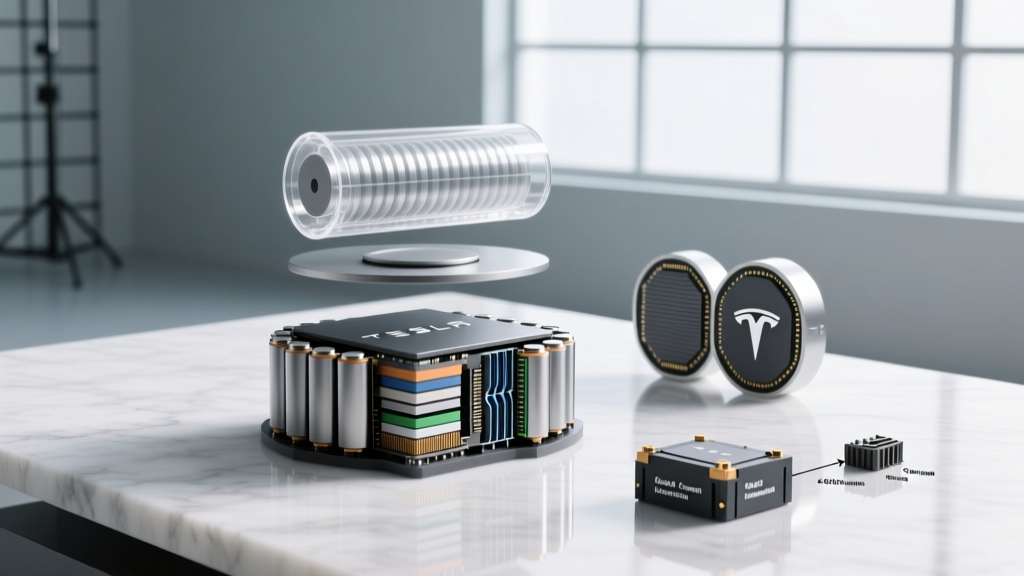
But averages hide important nuance. A Tesla Model 3 with an NMC pack driven in Phoenix and DC fast-charged daily will degrade differently than a base-model Tesla Model 3 RWD with an LFP pack charged nightly on Level 2 in Portland. Chemistry, climate, and charging habits all matter — and understanding those variables is how you avoid unnecessary anxiety and unnecessary expense.
LFP vs NMC: Which Battery Chemistry Lasts Longer?
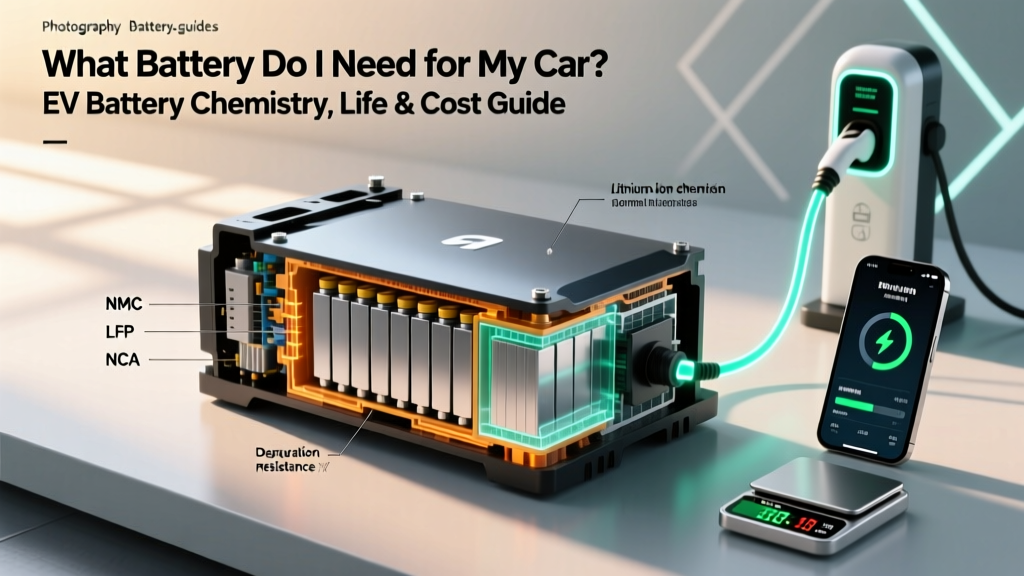
Not all EV batteries are the same. Two dominant lithium-ion chemistries power virtually every EV sold in the US market in 2026, and they have meaningfully different lifespan profiles, energy characteristics, and cost structures.
NMC (Nickel Manganese Cobalt) and the closely related NCA (Nickel Cobalt Aluminum) chemistries dominate the long-range and performance segments. They offer higher energy density — meaning more kWh packed into a lighter, smaller pack — which translates to longer EPA range per kilogram. Vehicles like the Hyundai Ioniq 5 (84 kWh usable, NMC), Ford Mustang Mach-E Extended Range (91 kWh usable, NMC), and Rivian R1T Dual-Motor Large (128 kWh usable, NMC) all rely on this chemistry.
LFP (Lithium Iron Phosphate) has become the standard for base-trim and standard-range models. Tesla's Model 3 RWD and Model Y Standard Range both use LFP packs, as do the base Chevrolet Equinox EV and several Chinese-market vehicles entering global distribution. LFP offers lower energy density (heavier pack for the same kWh) but dramatically longer cycle life and lower material cost.
| Attribute | LFP (Lithium Iron Phosphate) | NMC / NCA |
|---|---|---|
| Typical Cycle Life | 3,000–5,000+ cycles | 1,000–2,000 cycles |
| Energy Density | ~160 Wh/kg (lower) | ~250–300 Wh/kg (higher) |
| Cold-Weather Performance | Moderate — more range loss below freezing | Better — retains more capacity in cold |
| Optimal Charge Habit | 100% daily OK (recommended by Tesla) | 80% daily; 100% for trips only |
| Cost per kWh | ~$80–$100 (lower) | ~$110–$140 (higher) |
| Common In | Tesla Model 3/Y RWD, base Equinox EV | Ioniq 5, Mach-E ER, F-150 Lightning ER |
The practical upshot: LFP packs are the longevity champions. At 3,000–5,000 cycles, an LFP pack with 60 kWh usable capacity could theoretically deliver 180,000–300,000 miles of full-cycle throughput before reaching end-of-life degradation thresholds. NMC packs are no slouches — 1,500 cycles on a 90 kWh pack still yields ~135,000–180,000 miles of throughput — but they benefit more from careful charging habits.
EV Battery Degradation: What the Data Actually Shows
Degradation is not linear. Most EV batteries experience a steeper capacity drop in the first 1–2 years (roughly 2–5% loss) as the solid electrolyte interface (SEI) layer forms on the anode, then settle into a slower, more predictable decline of approximately 1–2% per year thereafter. This pattern holds across multiple large-scale datasets.
Here is what aggregated real-world data — from sources including Geotab's fleet study of 6,300+ EVs and owner-reported tracking on platforms like Recurrent — shows for average capacity retention:
- Year 1 / ~13,500 mi: 95–98% capacity retained
- Year 3 / ~40,500 mi: 92–95% retained
- Year 5 / ~67,500 mi: 89–93% retained
- Year 8 / ~108,000 mi: 85–90% retained
- Year 10 / ~135,000 mi: 82–88% retained
- Year 12 / ~162,000 mi: 78–85% retained
Note: These are averages across chemistries and climates. LFP packs typically track 2–4% higher at each interval; NMC packs in hot climates with frequent DCFC use may track 2–4% lower.
Some notable model-specific data points:
- Tesla Model 3/Y (NMC Long Range): Tesla's own 2024 impact report cited ~12% degradation at 200,000 miles for Model 3/Y fleets — meaning 88% retained, well above the 70% warranty threshold.
- Chevrolet Bolt EV/EUV (NMC, 65 kWh): Recurrent data showed ~90% retention at 80,000 miles across a large owner sample, aided by GM's aggressive 10% top/bottom buffer that limits usable range to protect the pack.
- Nissan Leaf (earlier air-cooled packs): The cautionary tale. First-generation Leafs with passive air cooling showed significantly worse degradation in hot climates — some dropping below 80% capacity within 60,000 miles. Modern liquid-cooled packs from all major manufacturers have largely eliminated this risk.
What Does the EV Battery Warranty Actually Cover?
Federal law in the United States mandates that EV batteries carry a minimum warranty of 8 years or 100,000 miles (whichever comes first). In California and states that have adopted CARB (California Air Resources Board) emissions standards, that mandate extends to 10 years or 150,000 miles. Most manufacturers meet or exceed these floors voluntarily across all 50 states.
The critical detail is the capacity-retention threshold. Most warranties guarantee the battery will retain at least 70% of its original capacity for the warranty period. If your 80 kWh pack drops below 56 kWh of usable capacity within the warranty window, the manufacturer must repair or replace it — typically with a refurbished pack of equivalent capacity, not necessarily a brand-new one.
| Manufacturer | Warranty Period | Capacity Threshold | Notes |
|---|---|---|---|
| Tesla | 8 yr / 120,000 mi (Model 3/Y LR); 8 yr / 100,000 mi (RWD) | 70% | Transferable to subsequent owners |
| Hyundai / Kia | 10 yr / 100,000 mi | 70% | Among the longest coverage periods |
| GM (Chevrolet, Cadillac) | 8 yr / 100,000 mi | 70% (60% for Bolt recall-replaced packs) | Ultium packs covered similarly |
| Ford | 8 yr / 100,000 mi | 70% | Covers battery and hybrid/electric components |
| BMW | 8 yr / 100,000 mi | 70% | Modular replacement — individual modules, not full pack |
| Rivian | 8 yr / 175,000 mi | 70% | Highest mileage threshold among major OEMs |
Important caveat: Warranties cover defects and abnormal degradation, not damage from accidents, flooding, or improper modifications. They also do not cover gradual capacity loss above the 70% threshold — meaning if your battery sits at 72% after 8 years, you're on your own. In practice, very few EV owners file battery warranty claims; the packs are outperforming expectations.
How Much Does an EV Battery Replacement Cost?
This is the fear that keeps potential buyers up at night — and it's the area most prone to misleading headlines. Yes, a full battery pack replacement can cost $10,000–$22,000+ at current prices. But context matters enormously:
- Most EV batteries never need replacement. Out-of-warranty full-pack replacements remain rare. The vast majority of EVs are scrapped, sold, or traded with their original battery intact.
- Prices are falling. Pack-level pricing has dropped from ~$200/kWh in 2020 to approximately $100–$130/kWh in 2026 for NMC and $80–$100/kWh for LFP, per BloombergNEF tracking.
- Modular repair is increasingly an option. Manufacturers like BMW and GM design packs with replaceable modules, so a single faulty module can be swapped for $1,500–$3,500 rather than replacing the entire pack.
| Vehicle / Pack Size | Chemistry | Full Pack Replacement (Parts + Labor) | Typical Need Timeline |
|---|---|---|---|
| Tesla Model 3 RWD (~60 kWh) | LFP | $8,000–$12,000 | Rarely needed; 300k+ mi cycle life |
| Tesla Model Y LR (~82 kWh) | NMC | $12,000–$16,000 | Rarely before 200k mi |
| Hyundai Ioniq 5 (~84 kWh) | NMC | $13,000–$17,000 | Rarely before 180k mi |
| Ford F-150 Lightning ER (~131 kWh) | NMC | $18,000–$22,000 | Large pack = high cost but long life |
| Chevrolet Equinox EV (~85 kWh) | NMC (Ultium) | $12,000–$16,000 | Modular Ultium design allows partial repair |
For perspective, the average age of a vehicle scrapped in the US is roughly 15–16 years. At 13,500 miles per year, that's ~202,000–216,000 miles — right at the point where a well-maintained NMC pack might be approaching 80% capacity. Many EVs will reach end-of-life (due to body damage, electronics failures, or simple obsolescence) before their battery becomes unusable.
What Actually Kills an EV Battery? Factors That Accelerate Degradation
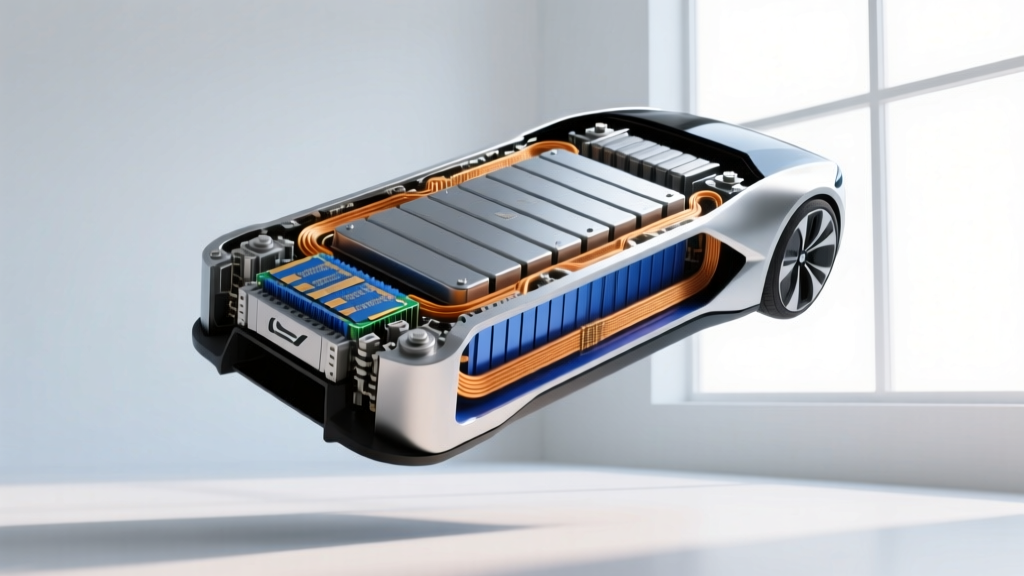
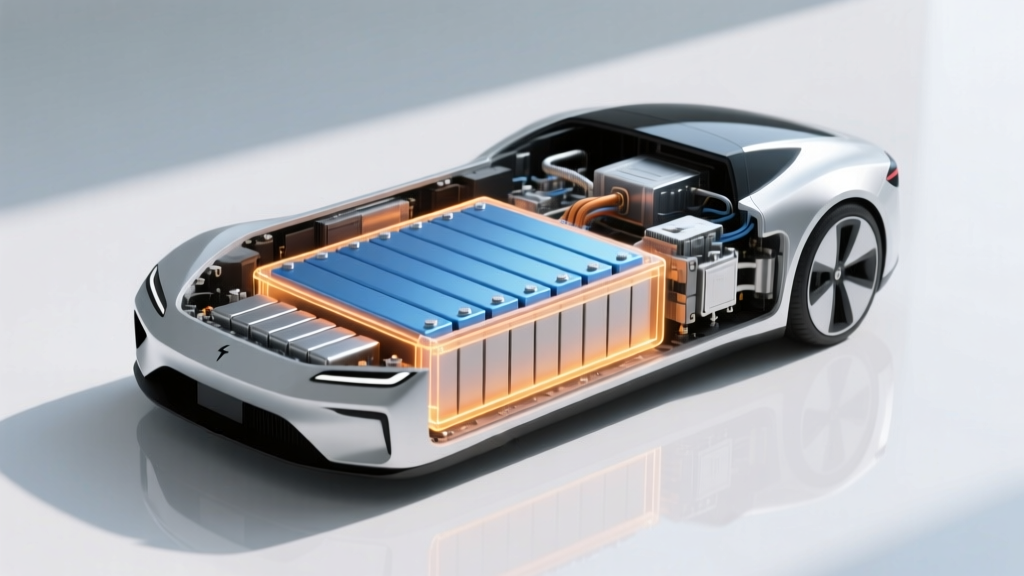
Battery degradation is driven by electrochemical stress. The more you expose the pack to extremes — of temperature, state of charge, and charge speed — the faster the internal resistance increases and usable capacity decreases. Here are the five biggest factors, ranked by impact:
- ✅ DO charge to 80% daily for NMC packs; 100% is fine for LFP
- ✅ DO use Level 2 (7–11 kW) home charging as your primary method
- ✅ DO precondition the battery before DC fast charging (most vehicles do this automatically when you navigate to a charger)
- ✅ DO keep the vehicle plugged in during extreme cold to allow thermal management
- ✅ DO store the vehicle at 40–60% SoC if leaving it unused for weeks
- ❌ DON'T DC fast-charge daily unless necessary — frequent 150+ kW sessions accelerate wear
- ❌ DON'T leave an NMC pack at 100% SoC for extended periods (days)
- ❌ DON'T let the pack sit at 0% or near-zero for more than a few hours
- ❌ DON'T repeatedly fast-charge in extreme heat without preconditioning
- ❌ DON'T use aftermarket "battery optimization" devices — they are universally unnecessary and may void your warranty
Temperature is the silent killer. Lithium-ion cells degrade fastest when operated repeatedly above 40°C (104°F) at the cell level or below -10°C (14°F) without thermal preconditioning. This is why every major EV sold in 2026 uses active liquid cooling and heating for the battery pack — a massive improvement over early air-cooled designs like the first-gen Nissan Leaf. Even so, EVs in Phoenix and Houston show slightly higher average degradation (~1–2% more over 5 years) than those in temperate climates.
DC fast charging isn't the villain it's made out to be — but frequency matters. Occasional road-trip fast charging (1–2 times per week) has minimal impact on modern packs with robust thermal management. Daily DCFC commuting, however, can add ~0.5–1% additional annual degradation compared to exclusive Level 2 charging. The charge curve matters too: most degradation stress occurs above 80% SoC, where the battery management system restricts charge speed to protect the cells. If you must fast-charge regularly, stopping at 80% rather than pushing to 100% significantly reduces wear.
How to Check Your EV Battery's State of Health (SoH)
State of Health (SoH) is a percentage figure representing your battery's current maximum capacity relative to its original capacity when new. A SoH of 92% means your pack can store 92% of the kWh it could on day one. Monitoring SoH is how you catch abnormal degradation early and track the natural decline over time.
Here's how to check it across major platforms:
- Tesla: The in-car service menu (hold the model badge on the About screen for 3 seconds, enter "service" as the code) displays a battery health test result. Alternatively, third-party apps like Tessie or TeslaFi calculate SoH from charge/discharge data via the vehicle's API.
- Hyundai/Kia: The EV-specific menu in the infotainment system shows battery health on newer models (2024+). Dealers can pull a detailed SoH report via the KDS diagnostic tool.
- GM (Ultium vehicles): OnStar can provide a battery health report on request, and the myChevrolet/myCadillac app includes a battery health indicator for 2024+ models.
- Ford: The FordPass app displays battery health status, and dealers can run a full diagnostic with the FDRS tool.
- OBD-II tools: Third-party OBD-II readers like the OBDLink MX+ paired with apps such as ABRP (A Better Route Planner) or Car Scanner can read SoH data from most EVs' CAN bus systems. This is the most universal method.
When to be concerned: If your SoH drops more than 3–4% in a single year, or if you notice sudden range reductions that don't correlate with temperature changes, schedule a dealer diagnostic. This could indicate a faulty cell module, a BMS (Battery Management System) calibration issue, or a thermal management failure — all of which are typically warranty-covered if within the coverage period.
What's Next: Solid-State, Silicon Anode, and Beyond
If you've followed EV news, you've seen breathless headlines about solid-state batteries promising 600-mile range, 10-minute charging, and million-mile lifespans. Here's a grounded, data-driven look at what's actually on the horizon versus what remains in the lab.
Solid-state batteries replace the liquid electrolyte in current lithium-ion cells with a solid material (ceramic, sulfide, or polymer), theoretically eliminating thermal runaway risk, enabling lithium-metal anodes, and increasing energy density by 40–60%. Toyota has announced a solid-state battery targeting 2027–2028 production in limited volumes, initially in hybrid applications. Samsung SDI and QuantumScape are pursuing similar timelines. However, manufacturing scale-up remains the enormous unsolved challenge: producing solid-state cells at automotive volume and cost has not yet been demonstrated outside pilot lines. Realistic timeline for mainstream EV adoption: 2029–2032, with premium/limited models first.
Silicon-dominant anodes are closer to reality. Companies like Sila Nanotechnologies and Group14 Technologies are producing silicon-carbon composite anode materials that increase cell energy density by 15–25% without the manufacturing disruption of solid-state. These are already appearing in consumer electronics and are expected in automotive cells by 2027–2028. They improve range per kWh but do not fundamentally change cycle life or degradation characteristics.
Sodium-ion batteries are emerging as a low-cost alternative for budget EVs and stationary storage. CATL has begun producing sodium-ion cells for use in entry-level Chinese-market EVs. They offer lower energy density than even LFP but use abundant, inexpensive raw materials. Don't expect them in US-market long-range vehicles, but they may appear in affordable city EVs within 3–4 years.
EV Battery Longevity FAQ
How long do EV batteries last in years and miles?
Based on aggregated fleet data, most modern EV batteries retain 85–90% of their original capacity at 150,000 miles (roughly 11 years at average US driving). LFP packs can exceed 200,000 miles before approaching the 70% warranty threshold. Catastrophic failure (complete pack death) is extremely rare and typically related to physical damage or manufacturing defects covered under warranty.
How much does it cost to replace an EV battery?
Full pack replacement ranges from approximately $8,000 for a 60 kWh LFP pack to $22,000 for a 131 kWh NMC pack (like the F-150 Lightning Extended Range), including parts and labor. However, most EV batteries never need replacement — they outlast the vehicle. Modular repair designs (BMW, GM Ultium) allow individual module replacement for $1,500–$3,500 in the rare event of a single-cell failure.
What does the EV battery warranty cover?
All EV batteries sold in the US carry a minimum 8-year/100,000-mile warranty (10-year/150,000-mile in CARB states) guaranteeing at least 70% capacity retention. This covers defects and abnormal degradation but not accident damage, flooding, or capacity loss above the threshold. The warranty is typically transferable to subsequent owners, which supports used-EV resale values.
LFP vs NMC — which battery chemistry should I choose?
Choose LFP if you prioritize maximum longevity, lower replacement cost, and plan to keep the vehicle 10+ years. LFP handles daily 100% charging and has 3,000–5,000 cycle life. Choose NMC if you need maximum range (higher energy density means more miles per charge) and regularly drive in cold weather (better low-temperature performance). NMC benefits from 80% daily charge limits and avoids prolonged 100% storage.
Does DC fast charging damage my EV battery?
Occasional DC fast charging (1–3 sessions per week) has a negligible impact on modern packs with liquid thermal management. Daily DCFC use can add approximately 0.5–1% additional annual degradation compared to exclusive Level 2 charging. The key mitigations: always precondition the battery before fast charging, stop at 80% when possible, and avoid fast charging in extreme heat without preconditioning. For daily use, Level 2 home charging at 7–11 kW is ideal for longevity.
How do I check my EV battery health?
Most 2024+ EVs display battery State of Health (SoH) through the infotainment system, companion app, or a hidden service menu. Third-party OBD-II readers (OBDLink MX+) paired with apps like Car Scanner can read SoH from most EVs universally. Tesla owners can use Tessie or TeslaFi for continuous SoH tracking. If SoH drops more than 3–4% in a year, schedule a dealer diagnostic to rule out a module or BMS issue.
Will my EV battery need to be replaced before I sell the car?
Statistically, no. The average US vehicle ownership period is ~6 years and ~81,000 miles. At that mileage, the average EV battery retains 90–93% of its original capacity. Even at the typical vehicle scrappage age of 15–16 years (~200,000 miles), most NMC packs retain 78–85% and LFP packs retain 82–90%. Battery replacement is a real cost but an unlikely one within normal ownership timelines.