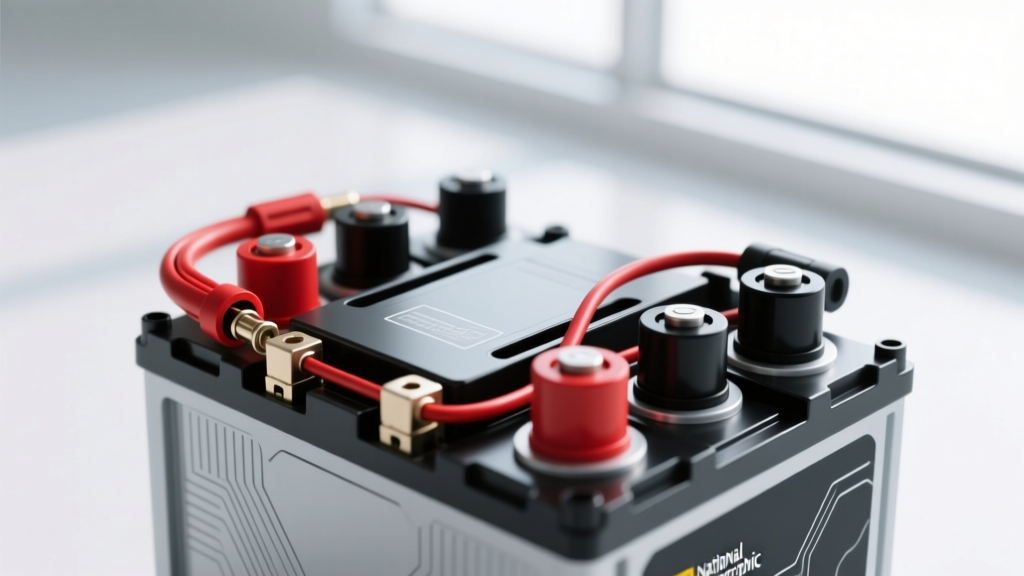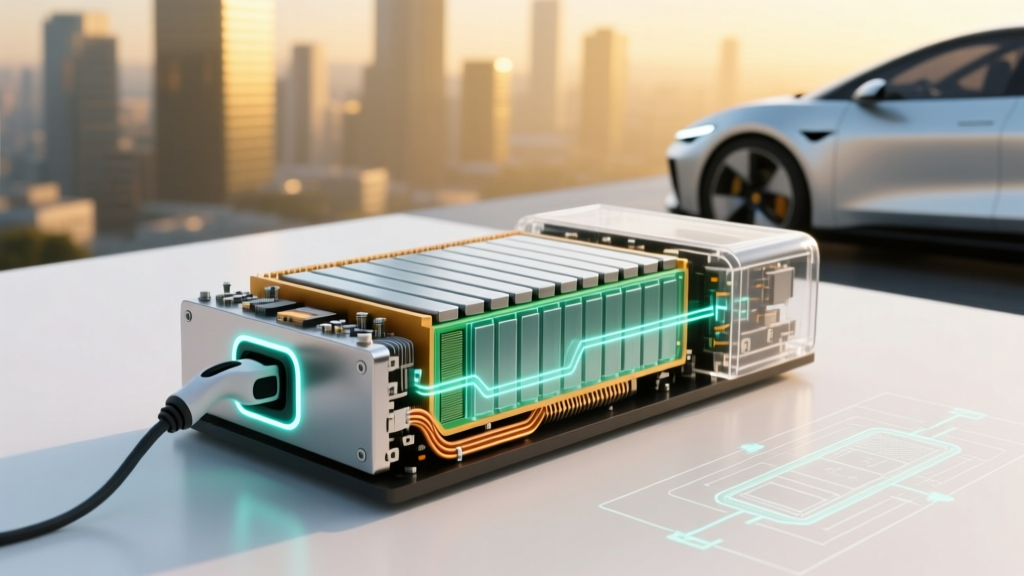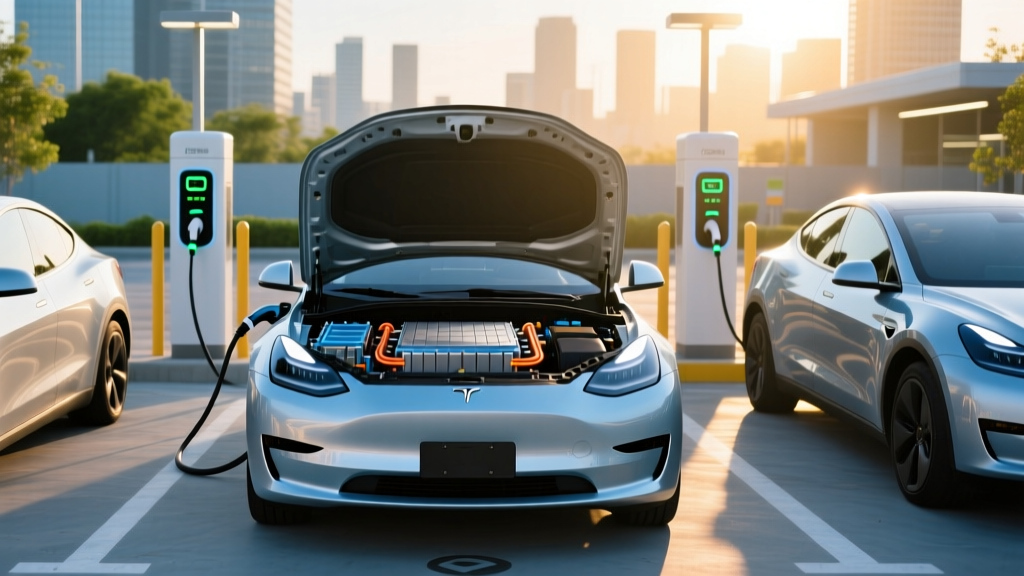
The single biggest fear for first-time EV buyers isn't range or charging stations — it's the battery. Specifically: how long will it last, what happens when it degrades, and could a replacement cost more than the car is worth?
After tracking battery performance across dozens of models and analyzing fleet data from hundreds of thousands of vehicles, the answer is reassuring: modern EV traction batteries routinely outlast the cars they're installed in. But "outlast" doesn't mean "never degrades." Understanding how much capacity you'll lose, what the warranty actually covers, and how your daily habits affect longevity is the difference between confident ownership and expensive surprises.
This guide breaks down the chemistry, the data, and the dollars — with exact numbers, not marketing promises.
The Real Answer: How Long Do EV Batteries Last?
Most EV batteries sold in the US today are engineered for 1,500 to 3,000 full charge cycles before reaching 70–80% of their original capacity. Translated to miles, that's roughly 200,000 to 500,000 miles depending on chemistry, thermal management, and usage patterns.
In calendar years, data from fleet operators and long-term owners shows that the average EV battery retains 85–92% of its original capacity after 8 years / 100,000 miles. The federal government mandates a minimum warranty of 8 years or 100,000 miles (whichever comes first) with at least 70% capacity retention — and most manufacturers exceed that baseline.
According to fueleconomy.gov, the US Department of Energy expects most modern EV batteries to outlive the vehicle's operational lifespan. Recurrent Energy's fleet analysis of over 15,000 EVs confirms that median degradation across major brands plateaus around 88–90% State of Health (SoH) after 5–6 years.
Battery Chemistry Showdown: LFP vs NMC vs NCA
Not all EV batteries are the same. The two dominant chemistries in 2026 are LFP (Lithium Iron Phosphate) and NMC/NCA (Nickel Manganese Cobalt / Nickel Cobalt Aluminum). Which one is in your car significantly affects longevity, range, cold-weather performance, and cost.
| Attribute | LFP (Lithium Iron Phosphate) | NMC / NCA (Nickel-Based) |
|---|---|---|
| Energy Density | Lower (~160 Wh/kg cell-level) | Higher (~250–300 Wh/kg cell-level) |
| Cycle Life | 3,000–5,000+ cycles to 80% SoH | 1,500–2,500 cycles to 80% SoH |
| Cold-Weather Performance | Weaker — more range loss below 32°F | Better — retains more capacity in cold |
| Cost per kWh | Lower (~$90–110/kWh at pack level) | Higher (~$120–150/kWh at pack level) |
| Charging to 100% | Recommended regularly for calibration | Daily limit of 80% recommended |
| Cobalt/Nickel Content | Zero cobalt, zero nickel | Contains cobalt and/or nickel |
| Notable 2026 Vehicles | Tesla Model 3 RWD, Ford Mustang Mach-E Select, BYD models | Tesla Model Y LR, Hyundai Ioniq 5, Rivian R1T, BMW iX |
Which is better? It depends on your use case. If you prioritize maximum longevity and plan to keep your car 10+ years, LFP wins on cycle life. If you need maximum range per charge and live in a cold climate, NMC/NCA delivers better energy density and winter performance. Most automakers now offer LFP in base trims and NMC in extended-range trims — giving buyers a genuine choice.
Degradation Data: What the Numbers Actually Show
EV battery degradation follows a predictable pattern: a steeper drop in the first year or two (typically 2–5%), followed by a long, slow linear decline. Here's what real fleet data shows across major platforms:
- Year 1 / 15,000 mi: ~96–98% SoH (initial settling)
- Year 3 / 45,000 mi: ~92–95% SoH
- Year 5 / 75,000 mi: ~89–93% SoH
- Year 8 / 120,000 mi: ~85–90% SoH
- Year 10 / 150,000 mi: ~82–88% SoH
LFP batteries typically show 2–4% better retention at each interval due to superior cycle stability. Vehicles in extreme-heat climates (Arizona, Texas summers) may see 3–5% additional loss over the same period without active thermal management.
Data from Recurrent Energy's 2025 fleet report, which tracks over 15,000 EVs across multiple brands, shows that Tesla Model 3/Y vehicles average 88% SoH at 100,000 miles, while Chevrolet Bolts (with their NMC packs and robust liquid cooling) average 91% at the same mileage. Nissan Leaf models — which use passive air cooling — show measurably higher degradation, averaging 82–85% SoH at 100,000 miles in warm climates.
The takeaway: thermal management matters enormously. Every major 2026 EV sold in the US now uses active liquid cooling except for a handful of budget models. If you're buying used, prioritize vehicles with liquid-cooled packs.
What Does the Battery Warranty Actually Cover?
Federal law (EPA/CARB requirements) mandates a minimum battery warranty of 8 years or 100,000 miles in most states, and 10 years or 150,000 miles in CARB states (California, New York, Massachusetts, and others). But the details matter — specifically the capacity retention threshold.
| Manufacturer (2026 Models) | Warranty Period | Capacity Threshold | Notes |
|---|---|---|---|
| Tesla (Model 3/Y) | 8 yr / 120,000 mi (LR/AWD); 8 yr / 100,000 mi (RWD) | 70% retention | LFP on RWD, NMC on LR |
| Hyundai / Kia (Ioniq 5, EV6) | 10 yr / 100,000 mi | 70% retention | Among the longest coverage |
| Ford (Mach-E, F-150 Lightning) | 8 yr / 100,000 mi | 70% retention | LFP option on Mach-E Select |
| GM (Equinox EV, Blazer EV, Silverado EV) | 8 yr / 100,000 mi | 70% retention (60% on Silverado EV commercial) | Ultium NMC platform |
| Rivian (R1T, R1S) | 8 yr / 175,000 mi | 70% retention | Highest mileage threshold |
| BMW (i4, iX, i7) | 8 yr / 80,000 mi | 70% retention | Lower mileage cap |
Critical detail: The warranty triggers only when capacity drops below the threshold — not when you notice any degradation. If your battery is at 72% SoH at year 7, you're still within warranty terms. The manufacturer will repair or replace modules (not necessarily the entire pack) to bring you above the threshold.
Also note: warranties typically exclude damage from collisions, flooding, improper charging equipment, or unauthorized modifications. Normal degradation is covered; abuse is not.
EV Battery Replacement Cost: What You'd Actually Pay
This is where fear-mongering runs rampant, so let's anchor the numbers in reality. Yes, a full battery pack replacement is expensive. But the vast majority of EV owners will never need one — either the battery outlasts the car, or it's covered under warranty.
| Vehicle / Pack Size | Chemistry | Estimated Pack Cost (2026) | Installed Cost (with labor) |
|---|---|---|---|
| Tesla Model 3 RWD (~57 kWh usable) | LFP | $5,500–$7,500 | $8,000–$11,000 |
| Tesla Model Y LR (~75 kWh usable) | NMC | $9,000–$12,000 | $12,000–$16,000 |
| Hyundai Ioniq 5 (~77 kWh usable) | NMC | $10,000–$14,000 | $13,000–$18,000 |
| Ford F-150 Lightning Ext. Range (~131 kWh usable) | NMC | $18,000–$25,000 | $22,000–$30,000 |
| Chevrolet Equinox EV (~85 kWh usable) | NMC (Ultium) | $11,000–$15,000 | $14,000–$19,000 |
When is replacement typically needed? In practice, full pack replacements are rare before 200,000+ miles. More commonly, a single module or the battery management system (BMS) may need service — which costs $1,000–$3,000 rather than a full pack swap. Out-of-warranty pack replacements are most often seen in high-mileage fleet vehicles or older models with passive cooling (like early Nissan Leafs).
Pack costs continue to decline. According to BloombergNEF's 2025 battery price survey, average lithium-ion pack prices have fallen below $120/kWh at the industry level — down from over $400/kWh in 2015. By the time most 2026 EVs actually need a replacement (2035+), expect costs to be 30–40% lower than today's figures.
Five Factors That Accelerate (or Slow) Battery Degradation
Your battery's lifespan isn't fixed — it's heavily influenced by how you use and store the vehicle. Here are the five biggest variables, ranked by impact:
1. State of Charge Habits (Biggest Daily Impact)
For NMC/NCA batteries, regularly charging to 100% and letting the car sit at full charge accelerates degradation. The sweet spot is 20–80% for daily use, charging to 100% only when you need maximum range for a trip. LFP batteries are different — manufacturers like Tesla and Ford recommend charging to 100% at least weekly because LFP's voltage curve is so flat that the BMS needs full charges to calibrate accurately.
2. Temperature Exposure
Extreme heat is the #1 enemy of lithium-ion longevity. Parking in direct sunlight in Phoenix summers with a full charge causes more calendar degradation than anything else you can do. Extreme cold doesn't permanently damage the battery, but charging at high power in sub-freezing temperatures without preconditioning can cause lithium plating — a permanent capacity loss mechanism. Use your car's preconditioning feature before fast charging in cold weather.
3. DC Fast Charging Frequency
Occasional DC fast charging (1–2 times per week) has minimal measurable impact on modern batteries with active thermal management. But daily fast charging at 150+ kW — especially in hot climates — adds up. Studies show that vehicles fast-charged more than 3 times per week degrade 2–4% more over 5 years compared to those primarily charged on Level 2. If you have home charging, use DC fast charging for road trips, not daily top-ups.
4. Depth of Discharge
Regularly draining the battery to near 0% stresses the cells. Try to keep the state of charge above 10–15% for normal driving. If you do run it very low, recharge promptly rather than letting it sit at a low SoC for days.
5. Calendar Aging
Even a parked EV battery degrades over time — this is called calendar aging. The rate depends on temperature and SoC during storage. If you're storing an EV for weeks or months, leave it at ~50% SoC in a cool, shaded location. A garage in a temperate climate is ideal.
- Set daily charge limit to 80% (NMC/NCA) or 100% weekly (LFP)
- Enable preconditioning for scheduled departures and DC fast charging
- Park in shade or a garage when possible, especially in hot climates
- Use Level 2 home charging as your primary charging method
- Avoid leaving the car at 100% SoC for more than a few hours
- Don't let the battery sit below 10% for extended periods
- For long-term storage: ~50% SoC, cool environment, check monthly
- Keep up with software updates — BMS improvements often optimize charging profiles
How to Check Your EV Battery's State of Health
State of Health (SoH) is expressed as a percentage: 100% means your battery holds its original rated capacity; 85% means it holds 85% of what it did when new. Here's how to monitor it:
Built-in vehicle displays: Most 2026 EVs show estimated range and some form of battery health in the infotainment system. Tesla's service mode (accessible via the software menu) displays a degradation percentage. Hyundai/Kia's EV menu shows a battery health indicator. GM's Ultium-based vehicles display battery conditioning status and range estimates.
OBD-II diagnostic tools: Third-party apps like Scan My Tesla, Leaf Spy (for Nissan), or ABRP (A Better Route Planner) connected to an OBD-II dongle can read detailed cell-level data, including individual cell voltage variance, total pack capacity in kWh, and precise SoH percentage. A basic OBD-II Bluetooth adapter costs $20–$50.
Third-party battery reports: Companies like Recurrent offer free battery health reports that compare your vehicle's degradation to the fleet average for your make, model, and year. Some dealerships can also print a detailed battery health report during service visits — request one before buying a used EV.
What to watch for: A sudden drop in range (more than 5% in a short period), significant variance between individual cell voltages, or a BMS error code all warrant a service visit. Gradual, linear decline is normal and not a concern.
What's Next: Solid-State and Silicon-Anode Batteries
If you're wondering whether to wait for "next-gen" battery technology before buying, here's a realistic timeline grounded in what's actually shipping — not concept car promises:
Silicon-anode batteries (used in limited form in the 2026 Mercedes-Benz EQG and upcoming GM Ultium updates) offer 20–40% more energy density than current graphite anodes. These are beginning to appear in production vehicles now, but at a premium price and in limited volumes. Expect broader availability by 2028–2029.
Solid-state batteries — which replace the liquid electrolyte with a solid conductor — promise higher energy density, faster charging, and improved safety. Toyota, Samsung SDI, and QuantumScape have all announced pilot production, but no mass-market solid-state EV is on sale in the US as of 2026. Toyota has stated it plans limited solid-state production vehicles by 2027–2028, initially in Japan. Realistic broad-market availability in the US is 2029–2032.
Should you wait? No. Current lithium-ion batteries (both LFP and NMC) are mature, well-understood, and backed by robust warranties. The vehicles available today will not be obsolete when solid-state arrives — just as today's smartphones work fine despite newer chips. Buy based on your needs now; future technology will offer incremental improvements, not overnight obsolescence.
Frequently Asked Questions
How long do electric car batteries last in years and miles?
Based on fleet data across major manufacturers, most EV batteries retain 85–92% of their original capacity after 8 years or 100,000 miles. Full replacement is rarely needed before 200,000+ miles. LFP chemistry batteries typically last longer by cycle count (3,000–5,000 cycles vs 1,500–2,500 for NMC), though real-world calendar aging is similar between the two.
How much does an EV battery cost to replace in 2026?
Out-of-warranty replacement costs range from approximately $8,000–$11,000 installed for a smaller LFP pack (Tesla Model 3 RWD, ~57 kWh) to $22,000–$30,000 for a large NMC pack (Ford F-150 Lightning Extended Range, ~131 kWh). Most mid-size crossovers (Ioniq 5, Model Y, Mach-E) fall in the $12,000–$18,000 range installed. However, the vast majority of replacements are covered under the 8-year/100,000-mile federal warranty mandate.
What does the EV battery warranty actually cover?
Federal law requires a minimum 8-year/100,000-mile warranty (10 years/150,000 miles in CARB states) guaranteeing at least 70% capacity retention. If your battery drops below that threshold within the warranty period, the manufacturer will repair or replace modules to restore capacity above 70%. Warranties cover normal degradation but exclude damage from accidents, flooding, unauthorized modifications, or use of non-compliant charging equipment.
How do I check my EV battery health?
Most 2026 EVs display battery health information in the vehicle's infotainment system. For more detailed data, use an OBD-II Bluetooth adapter with apps like Scan My Tesla, Leaf Spy, or ABRP to read cell-level voltage data and precise State of Health percentage. You can also request a battery health report from your dealer or use free services like Recurrent's fleet comparison tool.
Is LFP or NMC better for battery longevity?
LFP (Lithium Iron Phosphate) offers superior cycle life — 3,000–5,000 cycles to 80% SoH vs 1,500–2,500 for NMC — making it the better choice if you plan to keep the vehicle 10+ years or drive very high annual mileage. NMC offers higher energy density (more range per kWh) and better cold-weather performance. For most buyers, the choice comes down to: prioritize maximum lifespan (LFP) or maximum range and winter performance (NMC). Both are excellent options backed by equivalent warranties.
Does fast charging damage my EV battery?
Modern EVs with active liquid thermal management handle DC fast charging well. Occasional fast charging (1–2 times per week) has negligible impact on longevity. Daily fast charging at 150+ kW can add 2–4% extra degradation over 5 years compared to Level 2 charging. Always use your vehicle's preconditioning feature before fast charging, especially in cold weather, to protect against lithium plating.
Will my EV battery need to be replaced before I sell the car?
Statistically, no. The average American keeps a vehicle for 8.4 years and drives ~13,500 miles per year — totaling roughly 113,000 miles. At that point, fleet data shows most EV batteries still retain 85–90% of their original capacity. Battery replacement before the vehicle's end of life is the exception, not the rule.