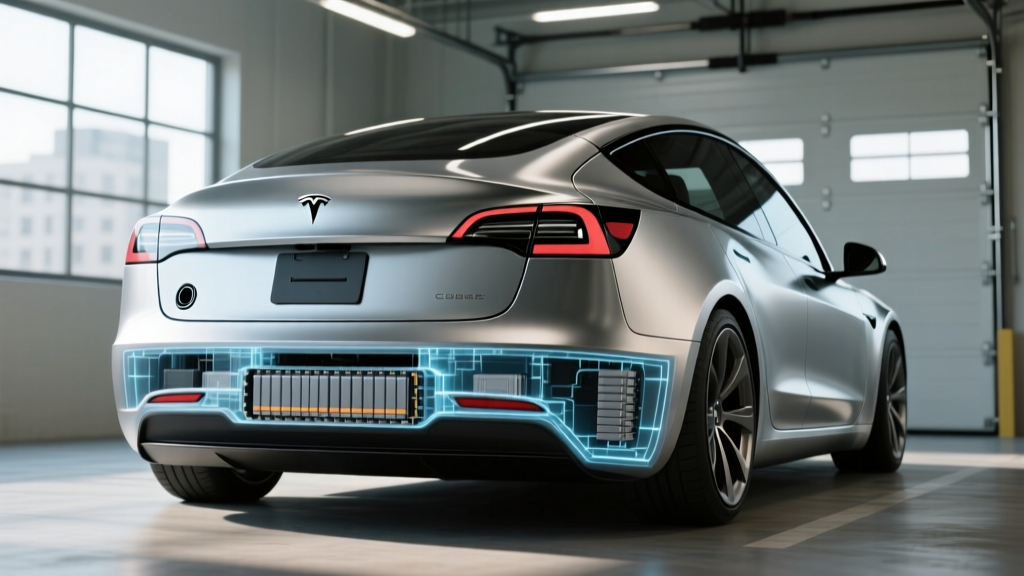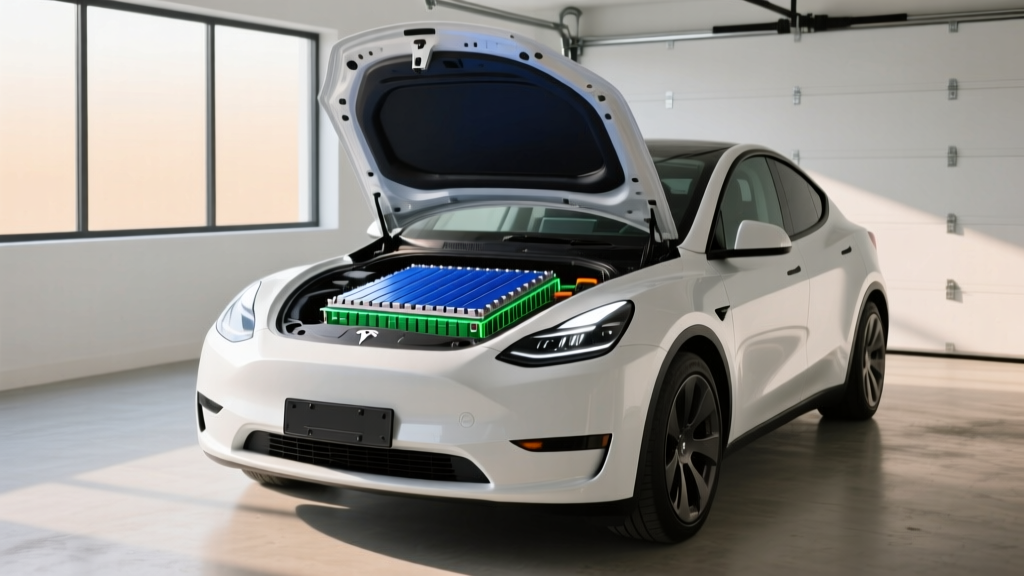
If you're shopping for a Tesla — or any electric vehicle — you've probably asked: does Tesla use lithium batteries? The short answer is yes. Every Tesla on the road today runs on a lithium-ion high-voltage traction battery. But the longer, more useful answer involves which kind of lithium chemistry sits under your car, how long it will actually last, what it costs to replace, and what you can do to maximize its lifespan.
This guide breaks down Tesla's current battery lineup (LFP vs. NMC/NCA), real-world degradation data, warranty coverage, replacement costs, and practical care habits — all from the perspective of an EV owner and analyst who tracks these numbers across model years.
The Short Answer: Yes, Tesla Uses Lithium-Ion Batteries
All Tesla vehicles use lithium-ion battery packs as their primary energy storage. However, Tesla sources cells from multiple suppliers (primarily Panasonic, CATL, and LG Energy Solution) and deploys two distinct lithium chemistries depending on the model and trim:
- LFP (Lithium Iron Phosphate) — used in standard-range and rear-wheel-drive models (Model 3 RWD, Model Y RWD)
- NMC/NCA (Nickel Manganese Cobalt / Nickel Cobalt Aluminum) — used in Long Range and Performance trims across Model 3, Model Y, Model S, and Model X
The chemistry choice directly affects your car's range, charging behavior, cold-weather performance, and long-term degradation profile. Let's compare them head to head.
LFP vs. NMC/NCA: Tesla's Two Battery Chemistries Compared
Not all lithium-ion batteries are the same. The cathode material determines energy density, cycle life, thermal stability, and cost. Here's how Tesla's two chemistries stack up for the 2025–2026 model year:
| Attribute | LFP (LiFePO₄) | NMC / NCA |
|---|---|---|
| Used In (Tesla) | Model 3 RWD, Model Y RWD | Model 3/Y LR & Perf, Model S, Model X |
| Energy Density | Lower (~160 Wh/kg cell-level) | Higher (~250–300 Wh/kg cell-level) |
| Typical Pack Size | ~57–60 kWh usable | ~75–100 kWh usable |
| Cycle Life | 3,000–5,000+ cycles | 1,000–2,000 cycles |
| Cold-Weather Range Loss | Higher (25–35% loss below freezing) | Moderate (15–25% loss below freezing) |
| Charging to 100% Daily | Recommended (helps BMS calibration) | Not recommended (80% daily limit advised) |
| Cost per kWh | Lower | Higher (cobalt/nickel dependent) |
| Thermal Stability | Excellent (less prone to thermal runaway) | Good (requires active thermal management) |
| Primary Cell Suppliers | CATL (prismatic cells) | Panasonic (4680/2170), LG Energy Solution |
Which is better? It depends on your use case. LFP is ideal for daily commuting and drivers who want a lower-cost, longer-cycle-life pack and don't mind slightly less range. NMC/NCA delivers more range per charge and better cold-weather performance, making it better for road trips and northern climates — but it costs more and degrades faster if routinely charged to 100%.
How Long Do Tesla Batteries Actually Last?
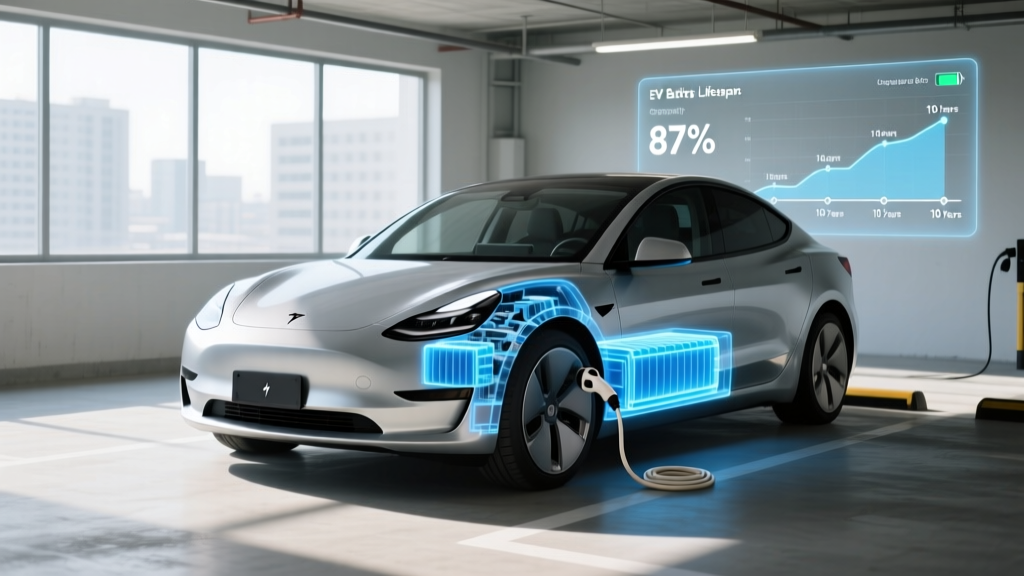
This is the question that matters most to prospective buyers. Tesla's own 2023 Impact Report (the most recent comprehensive dataset published) showed that Model 3 and Model Y battery packs retain approximately 85% of their original capacity after 200,000 miles. That translates to roughly 15% degradation over the average lifespan of the vehicle.
Here's what real-world degradation data looks like across different mileage milestones, compiled from Tesla fleet data and independent owner tracking (such as the Teslalogger.de fleet database):
| Mileage Milestone | Avg. Capacity Retained (NMC/NCA) | Avg. Capacity Retained (LFP) |
|---|---|---|
| 25,000 mi | ~95–97% | ~97–99% |
| 50,000 mi | ~92–95% | ~95–98% |
| 100,000 mi | ~89–93% | ~93–97% |
| 150,000 mi | ~86–90% | ~90–95% |
| 200,000 mi | ~83–88% | ~88–93% |
Key takeaway: The steepest degradation happens in the first 20,000–30,000 miles (roughly 3–5% loss), after which the curve flattens considerably. LFP packs consistently show slower degradation across all milestones, which is why Tesla recommends daily 100% charging for LFP vehicles — the chemistry tolerates it well.
How long in years? Most Tesla battery packs are designed to outlast the car itself. At the U.S. average of ~13,500 miles per year, reaching 200,000 miles takes roughly 15 years. Battery failure before 150,000 miles is uncommon and typically covered under warranty.
Tesla Battery Warranty: What's Covered and for How Long
Tesla provides a separate battery and drive unit warranty that extends well beyond the basic vehicle limited warranty. Here's the current coverage by model:
| Model / Trim | Warranty Period | Mileage Limit | Minimum Capacity Retention |
|---|---|---|---|
| Model 3 RWD (LFP) | 8 years | 100,000 miles | 70% |
| Model 3 Long Range / Performance | 8 years | 120,000 miles | 70% |
| Model Y RWD (LFP) | 8 years | 100,000 miles | 70% |
| Model Y Long Range / Performance | 8 years | 120,000 miles | 70% |
| Model S / Model X | 8 years | 150,000 miles | 70% |
What the warranty covers: If your battery drops below 70% of its original usable capacity within the warranty period (whichever limit — time or mileage — comes first), Tesla will repair or replace it at no cost. The warranty also covers manufacturing defects and drive unit failures.
What it doesn't cover: Damage from accidents, flooding, improper modifications, or using the vehicle as a stationary power source outside of approved V2H/V2L configurations. Normal degradation above the 70% threshold is not a warranty claim.
In practice, very few Tesla owners hit the 70% threshold within the warranty window. Fleet data shows the vast majority of packs retain 85%+ at 120,000 miles, well above the warranty floor.
Tesla Battery Replacement Cost: What You'd Actually Pay
Out-of-warranty battery replacement is the nightmare scenario many EV skeptics point to. Here's the reality in 2025–2026:
| Model | Battery Pack Size | Estimated Replacement Cost | When Typically Needed |
|---|---|---|---|
| Model 3 RWD (LFP) | ~57–60 kWh | $12,000–$15,000 | Rarely before 200,000+ mi |
| Model 3 LR / Perf (NMC) | ~75–82 kWh | $14,000–$18,000 | Rarely before 200,000+ mi |
| Model Y RWD (LFP) | ~57–60 kWh | $12,000–$16,000 | Rarely before 200,000+ mi |
| Model Y LR / Perf (NMC) | ~75–82 kWh | $15,000–$20,000 | Rarely before 200,000+ mi |
| Model S / Model X | ~90–100 kWh | $18,000–$25,000 | Rarely before 150,000+ mi |
These figures include the battery pack, labor, and associated diagnostics. Tesla has been reducing replacement costs through module-level repairs — rather than replacing the entire pack, technicians can sometimes swap individual modules (the pack contains 4–5 structural modules in 4680-based designs), cutting costs by 40–60%.
Context that matters: The average age of a scrapped gasoline vehicle in the U.S. is about 12–15 years. Most EV batteries are outlasting the vehicles they're installed in. According to fueleconomy.gov, modern lithium-ion EV batteries are engineered for 10–20 years of service. A full pack replacement is statistically unlikely during typical ownership.
Factors That Affect Tesla Battery Lifespan
Battery degradation isn't purely a function of time or mileage. Your habits and environment play a significant role. Here are the factors with the most measurable impact:
1. State of Charge (SoC) Habits
For NMC/NCA packs, routinely charging to 100% and leaving the car sitting at full charge accelerates calendar degradation. Tesla recommends setting your daily charge limit to 80% for Long Range and Performance models, reserving 100% for road trips. LFP packs are the exception — Tesla recommends periodic 100% charges to keep the battery management system (BMS) calibrated.
2. DC Fast Charging Frequency
Occasional Supercharging (250 kW peak on V3 stalls) has minimal impact on modern Tesla packs thanks to active thermal management. However, exclusive reliance on DC fast charging — especially in hot climates — can add 1–3% extra degradation over 100,000 miles compared to predominantly Level 2 home charging. The charge curve matters: Tesla tapers charging speed significantly above 80% SoC to protect the cells.
3. Extreme Temperatures
Cold weather reduces range (not permanent degradation) by 15–35% depending on chemistry and severity. However, sustained exposure to extreme heat (consistently above 95°F / 35°C) accelerates permanent calendar degradation. Tesla's liquid-cooled thermal management system mitigates this substantially, but garage parking in hot climates still helps.
4. Depth of Discharge
Regularly draining the battery to very low SoC (below 10%) and then charging to 100% puts more stress on cells than partial cycling. Keeping your NMC/NCA Tesla between 20–80% for daily use is the optimal window. LFP is more tolerant of wide swings.
Battery Care Checklist for Tesla Owners
- NMC/NCA: Set daily charge limit to 80%. Charge to 100% only before long trips and depart promptly.
- LFP: Charge to 100% at least once per week for BMS calibration.
- Precondition your battery before Supercharging (the car does this automatically when a Supercharger is set as your navigation destination).
- Plug in when possible in extreme cold or heat to let the thermal management system run on grid power.
- Avoid letting SoC drop below 10% for extended periods — if storing the car, leave it at ~50% SoC.
- Use Scheduled Departure to time charging completion close to when you leave, minimizing time spent at high SoC.
How to Check Your Tesla's Battery Health (State of Health)
Tesla doesn't expose a direct State of Health (SoH) percentage in the vehicle UI the way some competitors do. Here are the methods available to owners:
In-Car Method: Range Comparison
Charge your Tesla to 100% (for LFP) or your known full charge, then check the projected range displayed. Compare this to the original EPA-rated range for your model. For example, a 2024 Model 3 Long Range originally rated at 341 miles EPA showing 310 miles at 100% after 40,000 miles would indicate roughly 91% capacity retention.
Third-Party Apps
Apps like Tessie, TeslaFi, and Scan My Tesla (via OBD-II adapters) can pull detailed battery data from the vehicle's CAN bus, including estimated SoH, cell voltage imbalance, and energy throughput. These are popular among Tesla enthusiasts and provide more granular data than the stock app.
Service Center Diagnostic
If you suspect abnormal degradation (e.g., a sudden range drop or a cell imbalance warning), Tesla Service can run a full battery health diagnostic. This is typically free if performed during a scheduled service visit.
What's Next: Solid-State and Silicon-Anode Batteries
Looking forward, two emerging battery technologies are relevant to Tesla buyers thinking about long-term value:
Solid-state batteries promise higher energy density (potentially 400+ Wh/kg), faster charging, and improved safety by replacing the liquid electrolyte with a solid conductor. Toyota, Samsung SDI, and QuantumScape are leading development. However, as of early 2026, no solid-state EV battery is in mass production. Realistic volume-production timelines remain 2028–2030 for premium applications, with broader adoption likely post-2030. Tesla has not announced a solid-state roadmap.
Silicon-anode batteries (using silicon instead of graphite in the anode) offer 20–40% energy density improvements and are closer to commercialization. Companies like Sila Nanotechnologies and Group14 are supplying early production cells. Tesla's own 4680 cells have incorporated incremental anode improvements, and industry-wide silicon-anode adoption is expected to scale through 2026–2028.
Neither technology is available in current Tesla vehicles. If you're buying today, LFP and NMC/NCA are mature, proven chemistries with extensive real-world track records — and that reliability has its own value.
Frequently Asked Questions
Does Tesla use lithium batteries in all its cars?
Yes. Every Tesla vehicle uses a lithium-ion high-voltage traction battery. Standard-range models use LFP (lithium iron phosphate) chemistry, while Long Range and Performance models use NMC or NCA (nickel-based) chemistry. Both are types of lithium-ion batteries.
How long do Tesla batteries last in real-world use?
Fleet data shows Tesla battery packs retain approximately 85–90% of original capacity at 200,000 miles. In years, that's roughly 15 years at average U.S. driving rates. LFP packs degrade more slowly and may retain 90%+ at the same mileage. Complete battery failure before 150,000 miles is uncommon.
How much does it cost to replace a Tesla battery?
Out-of-warranty replacement costs range from approximately $12,000 for a Model 3 RWD (LFP, ~60 kWh) to $25,000 for a Model S/X (~100 kWh). However, most packs outlast the vehicle. Tesla also offers module-level repairs that can reduce costs significantly. The battery warranty covers replacement if capacity drops below 70% within 8 years or 100,000–150,000 miles depending on the model.
What does the Tesla battery warranty cover?
Tesla's battery warranty guarantees a minimum of 70% capacity retention for 8 years and 100,000 miles (Model 3/Y RWD) or 120,000 miles (Long Range/Performance) or 150,000 miles (Model S/X). It covers manufacturing defects and drive unit failures. It does not cover accident damage, flooding, or unauthorized modifications.
Is LFP better than NMC for daily driving?
For daily commuting and drivers who charge at home, LFP offers advantages: longer cycle life (3,000–5,000+ cycles vs. 1,000–2,000), lower cost, and the ability to charge to 100% daily without accelerated degradation. The trade-offs are lower energy density (less range per charge) and greater cold-weather range loss. For road-trip-heavy drivers or those in cold climates, NMC/NCA remains the better fit.
Does frequent Supercharging damage the battery?
Modern Tesla packs with active thermal management handle DC fast charging well. Exclusive reliance on Supercharging may add 1–3% extra degradation over 100,000 miles compared to home Level 2 charging. The bigger concern is sustained high SoC in hot weather. For most owners mixing home and Supercharger use, the impact is negligible.
How do I check my Tesla battery's State of Health?
Charge to 100% and compare the displayed range to the original EPA rating. For more detailed data, third-party apps like Tessie or TeslaFi can estimate SoH from CAN bus data. Tesla Service can also run a full diagnostic if you suspect abnormal degradation.
Sources: Tesla Impact Report 2023, U.S. DOE fueleconomy.gov, Tesla Vehicle Warranty Documentation (tesla.com/support), Teslalogger.de fleet degradation database.