If you have spent any time researching electric vehicles, you have likely encountered the term dendrite lithium ion battery degradation — microscopic, branch-like lithium metal formations that grow inside battery cells over time. Dendrites are one of the primary mechanisms behind capacity loss, increased internal resistance, and, in extreme cases, internal short circuits. Understanding how they form, what accelerates them, and how modern battery management systems (BMS) mitigate them is essential for anyone buying or owning an EV in 2026.
This guide breaks down the electrochemistry behind dendrite formation, compares the dominant cell chemistries on the market today (LFP and NMC/NCA), and gives you concrete numbers on degradation, warranty coverage, replacement cost, and the daily habits that extend — or shorten — your traction battery's useful life.
What Are Dendrites and Why Do They Matter in Lithium-Ion Batteries?
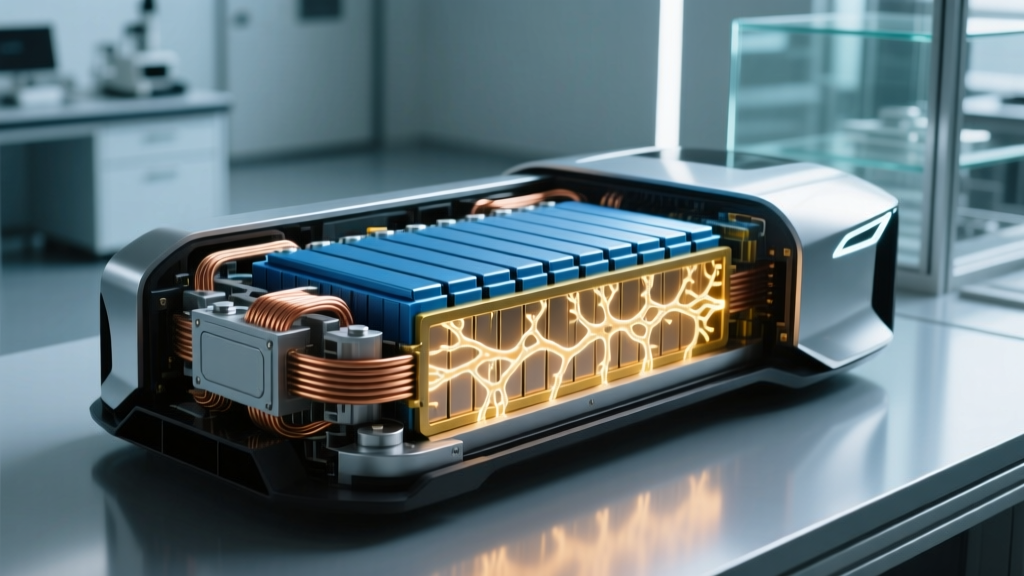
Dendrites are needle-like deposits of metallic lithium that form on the anode surface during charging, particularly when lithium ions plate onto the graphite (or silicon-graphite) anode faster than they can intercalate into its crystal structure. Several conditions accelerate this process:
- High C-rate charging: Repeated DC fast charging at peak rates (150–350 kW) forces lithium ions to the anode surface faster than intercalation allows.
- Low temperatures: Charging a cold battery (below 32°F / 0°C) dramatically slows ion diffusion in the electrolyte, increasing the likelihood of lithium plating.
- High state of charge (SoC): Holding a cell at 100% SoC for extended periods increases anode potential stress, promoting dendrite nucleation.
- Cell aging: As the solid electrolyte interphase (SEI) layer thickens over hundreds of cycles, ion transport degrades, making plating more likely.
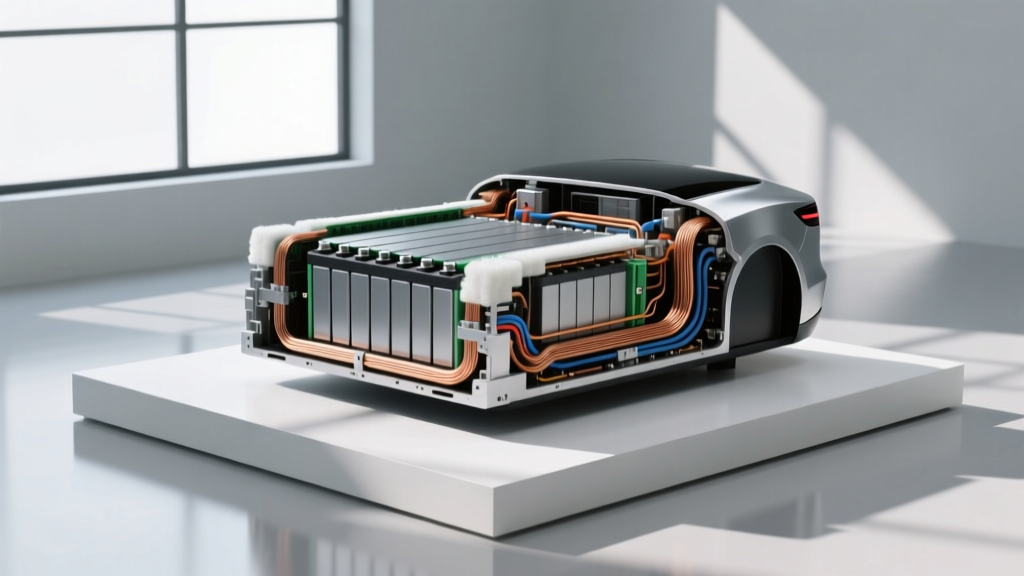
In a dendrite lithium ion battery scenario, these metallic growths can eventually penetrate the porous polymer separator between the anode and cathode. If a dendrite bridges the gap, it creates an internal short circuit — which in the worst case triggers thermal runaway. Modern EV battery packs employ multiple layers of protection: cell-level ceramic-coated separators, module-level fusing, pack-level contactors, and a BMS that actively limits charge rate when cell temperature or voltage deviates from safe parameters.
According to research published by the National Renewable Energy Laboratory (NREL), contemporary EV battery packs are engineered so that under normal use conditions, dendrite-induced failures are exceedingly rare. The real-world impact of dendrites for most owners is not catastrophic failure but gradual capacity fade — the slow loss of range over years and miles.
LFP vs NMC/NCA: Chemistry Comparison and Dendrite Susceptibility
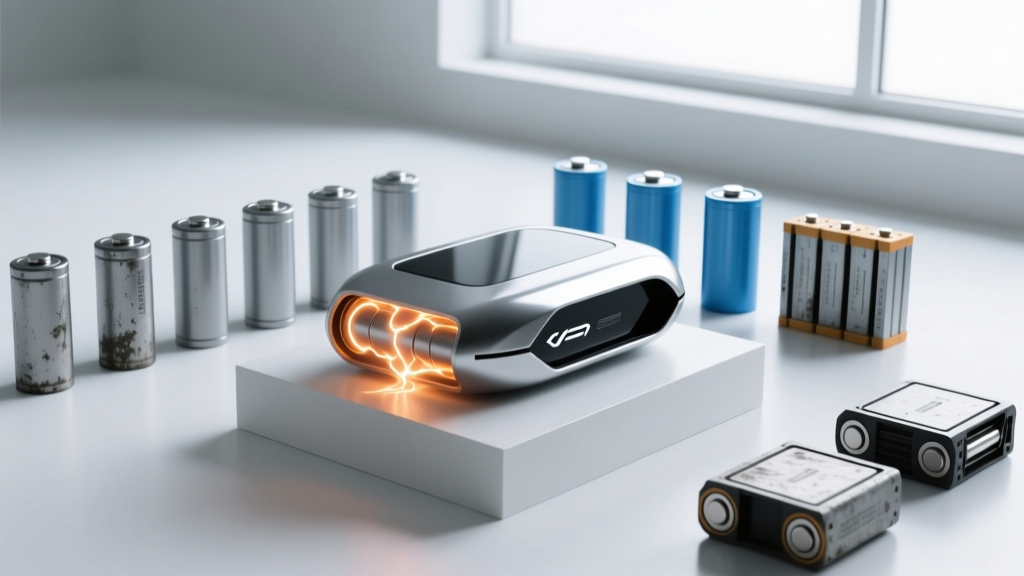
The two dominant chemistries in 2026 EV battery packs behave differently with respect to degradation, energy density, and dendrite risk. Here is how they compare across the metrics that matter:
| Attribute | LFP (Lithium Iron Phosphate) | NMC/NCA (Nickel Manganese Cobalt / Nickel Cobalt Aluminum) |
|---|---|---|
| Energy Density (cell-level) | ~160–180 Wh/kg | ~230–300 Wh/kg |
| Typical Cycle Life (to 80% capacity) | 3,000–5,000+ cycles | 1,000–2,000 cycles |
| Dendrite / Lithium Plating Risk | Lower — flatter voltage curve, more stable anode potential | Moderate — higher energy density stresses anode at high SoC |
| Cold-Weather Performance | Weaker — greater range loss below 32°F, slower charge acceptance when cold | Better — higher energy density buffers cold-weather range loss |
| Cost per kWh (pack-level, 2026) | ~$90–$110/kWh | ~$120–$150/kWh |
| SoC Recommendation | Can be charged to 100% daily (per most OEM guidance) | 80% daily; 100% only for trips |
| Notable 2026 Applications | Tesla Model 3/Y RWD, Ford Mustang Mach-E Select (LFP option), BYD Seal, Rivian Standard pack | Tesla Model 3/Y Long Range, Hyundai Ioniq 5/6, Kia EV6/EV9, BMW iX, GM Ultium-based models |
LFP's iron-phosphate cathode operates at a lower and flatter voltage (~3.2V nominal vs ~3.7V for NMC), which reduces the thermodynamic driving force for lithium plating on the anode. This is a key reason LFP cells tolerate daily 100% charges and exhibit longer cycle life. NMC/NCA cells achieve higher energy density — translating to more EPA-rated range per kilogram of battery — but require more careful SoC management to minimize dendrite growth and cathode degradation over time.
Which is better? If you prioritize maximum range per charge and cold-weather performance, NMC/NCA is the stronger choice. If you plan to keep the vehicle 10+ years, charge at home nightly, and want minimal degradation anxiety, LFP offers a compelling longevity advantage at a lower cost.
EV Battery Degradation: What the Real Data Shows
Dendrite formation, SEI layer growth, cathode structural fatigue, and electrolyte decomposition all contribute to capacity fade. But what does that look like in actual ownership?
Aggregated fleet data from sources including Geotab's EV battery health studies and manufacturer-reported warranty claims paint a consistent picture for liquid-cooled packs in modern EVs:
- Year 1–2 (0–30,000 miles): ~2–5% capacity loss. This initial "break-in" fade is largely SEI stabilization and is normal.
- Year 3–5 (30,000–75,000 miles): Degradation slows to roughly 1–2% per year. Most vehicles retain 90–93% of original capacity.
- Year 6–8 (75,000–120,000 miles): Cumulative loss reaches approximately 10–15%. Vehicles typically retain 85–90% capacity.
- Year 10+ (150,000+ miles): Data is sparser, but well-maintained packs (garaged, moderate SoC, limited DCFC) show 80–85% retention.
These figures represent averages. Your experience will vary based on climate, charging habits, and chemistry. A Tesla Model 3 Long Range (NMC) charged daily to 100% and frequently DC fast-charged in Arizona heat will degrade faster than a Model 3 RWD (LFP) charged to 80% in a temperate garage and driven 30 miles per day.
The EPA range sticker on the window is measured at full capacity on day one. If your EV is rated for 310 miles EPA and you experience 12% degradation over five years, expect roughly 273 miles at 100% SoC — and proportionally less in cold weather or at sustained highway speeds.
Battery Warranty Coverage: What Manufacturers Guarantee
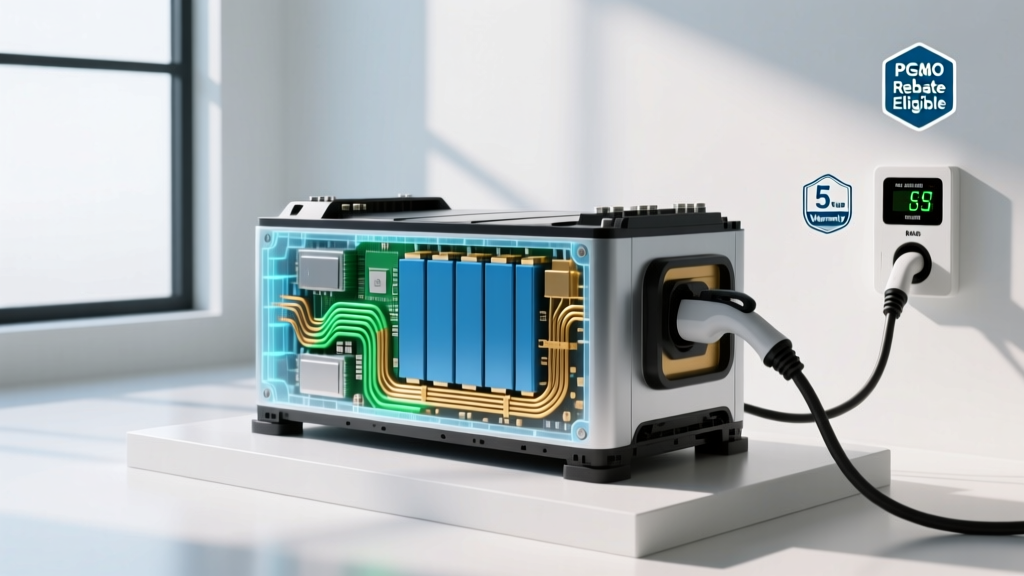
Federal regulations mandate a minimum 8-year / 100,000-mile warranty on EV battery packs for emissions-related compliance, and virtually every major automaker meets or exceeds this baseline. Here is what coverage looks like across popular 2026 models:
| Manufacturer | Warranty Period | Mileage Limit | Capacity Retention Threshold | Notes |
|---|---|---|---|---|
| Tesla (Model 3/Y RWD — LFP) | 8 years | 100,000 miles | 70% | LFP packs; 8 yr / 120k mi for Long Range (NMC) |
| Hyundai / Kia (E-GMP) | 10 years | 100,000 miles | 70% | Among the longest coverage terms in the U.S. market |
| GM (Ultium-based) | 8 years | 100,000 miles | 70% | Covers Blazer EV, Equinox EV, Silverado EV, Cadillac Lyriq |
| Ford (Mach-E, F-150 Lightning) | 8 years | 100,000 miles | 70% | LFP option on Mach-E Select; NMC on extended-range trims |
| Rivian (R1T, R1S) | 8 years | 175,000 miles | 70% | Higher mileage threshold reflects truck-use expectations |
| BMW (iX, i4, i7) | 8 years | 100,000 miles | 70% | NMC chemistry across the i lineup |
The critical detail is the capacity retention threshold. A warranty that guarantees 70% means the manufacturer will repair or replace modules (or the full pack) only if measured capacity drops below 70% of the original rated kWh within the warranty period. In practice, hitting this threshold under normal use within 8 years is uncommon for liquid-cooled packs — but it does happen in extreme cases involving frequent high-power DC fast charging in hot climates or manufacturing defects.
Note that warranties typically exclude damage from accidents, flooding, improper modifications, or using non-OEM charging equipment that causes electrical faults. Always review the specific warranty booklet for your model year.
EV Battery Replacement Cost: When and How Much
This is the question that generates the most anxiety — and the most misinformation. Let's anchor the discussion in data.
When is replacement typically needed? For the vast majority of EV owners, a full battery pack replacement is never necessary within the vehicle's normal lifespan. Modern liquid-cooled packs are designed to outlast 150,000–200,000 miles before reaching 70–80% capacity. If you drive 12,000 miles per year, that is 12–17 years of service. Most EVs will be retired or sold before the pack needs replacement.
When replacement is required — due to a manufacturing defect, physical damage, or exceptional degradation — costs vary widely by pack size and vehicle:
| Vehicle | Pack Capacity (usable kWh) | Chemistry | Estimated Replacement Cost (parts + labor) |
|---|---|---|---|
| Tesla Model 3 RWD | ~57 kWh | LFP | $8,000 – $12,000 |
| Tesla Model Y Long Range | ~75 kWh | NMC | $12,000 – $16,000 |
| Hyundai Ioniq 5 (Long Range) | ~77.4 kWh | NMC | $13,000 – $18,000 |
| Ford F-150 Lightning (Extended Range) | ~131 kWh | NMC | $20,000 – $28,000 |
| Chevrolet Silverado EV (Max Range) | ~200 kWh | NMC (Ultium) | $28,000 – $38,000 |
| Rivian R1T (Large Pack) | ~128 kWh | NMC | $18,000 – $25,000 |
Two important caveats. First, pack-level costs per kWh have declined steadily — from roughly $200/kWh in 2020 to approximately $120–$150/kWh in 2026 for NMC packs and $90–$110/kWh for LFP, according to BloombergNEF battery price surveys. This trend is expected to continue. Second, many out-of-warranty replacements involve module-level repairs rather than full pack swaps. A single degraded or faulty module can often be replaced for $2,000–$5,000, restoring the pack to functional health.
The fear of a $30,000 surprise bill is largely overblown for vehicles still under warranty and increasingly manageable for those outside it, thanks to declining cell costs and growing third-party EV service networks.
Factors That Accelerate (or Slow) Dendrite Growth and Battery Degradation
Your daily habits have a measurable impact on how quickly dendrites form, how fast the SEI layer thickens, and ultimately how much range your EV retains over time. Here is what the electrochemistry tells us:
- Limit DC fast charging: Use Level 2 (7–11.5 kW) for daily charging. Reserve DCFC (150–350 kW) for road trips. Frequent high-C-rate charging accelerates lithium plating and dendrite formation.
- Avoid charging a cold battery: Most modern EVs precondition the pack when you navigate to a charger. Always use this feature. Never plug into a DCFC with a sub-freezing pack — the BMS will limit charge rate, but forcing it increases plating risk.
- Manage state of charge (NMC/NCA): Set your daily charge limit to 80%. Charge to 100% only when departing on a trip. Avoid leaving the vehicle at 100% SoC for more than a few hours.
- Manage state of charge (LFP): Follow OEM guidance — most recommend charging to 100% at least once per week to allow the BMS to recalibrate cell balancing. LFP tolerates full SoC better than NMC.
- Avoid prolonged storage at extremes: If storing for weeks, target 40–60% SoC. Never store at 100% or below 10%.
- Garage when possible: Keeping the pack in a moderate temperature environment (50–80°F) reduces both calendar aging and thermal stress during charging.
- Use preconditioning: Scheduling departure times in your EV's app warms or cools the battery before you drive, reducing the load on the pack during initial acceleration and improving regenerative braking efficiency.
A 2024 study from the Idaho National Laboratory found that EVs charged predominantly via Level 2 showed approximately 3–5% less capacity loss over 100,000 miles compared to vehicles that relied heavily on DC fast charging — a meaningful difference that compounds over the pack's life.
How to Monitor Your Battery's State of Health (SoH)
State of Health (SoH) is the percentage of your battery's current maximum capacity relative to its original rated capacity. A new pack is 100% SoH; a pack that can now store only 77 kWh of its original 84 kWh is at ~91.7% SoH.
There are several ways to check SoH in 2026:
- In-vehicle displays: Many EVs now include a battery health indicator in the settings menu. Tesla's app shows estimated range at 100% SoC, which you can compare to the original EPA figure. Hyundai/Kia's infotainment system includes a battery health percentage on some 2025+ models.
- OBD-II diagnostic tools: Third-party devices like the OBDLink MX+ paired with apps such as EVNotify or Car Scanner can read the BMS-reported SoH value directly from the vehicle's CAN bus. This is the most accurate consumer-accessible method.
- Dealer diagnostics: During scheduled service, dealerships can run a full pack health report that shows individual module voltage variance, internal resistance, and calculated SoH. Request this report if you are considering a used EV purchase.
- Charging data analysis: If you use a smart Level 2 charger (e.g., ChargePoint Home Flex, Emporia Vue), you can track the kWh delivered during full charges over time. A declining kWh total for a 10–100% session indicates capacity loss.
For used-EV buyers, SoH is the single most important data point. A vehicle with 60,000 miles and 94% SoH is in better battery health than one with 40,000 miles and 87% SoH — the latter likely experienced repeated high-SoC storage, frequent DCFC, or thermal stress.
Emerging Battery Technologies: Solid-State, Silicon Anodes, and Dendrite Mitigation
The dendrite problem is one of the primary engineering hurdles driving next-generation battery research. Here is where the most promising technologies stand as of 2026:
Solid-state batteries: These replace the liquid electrolyte with a solid ceramic, glass, or polymer electrolyte that is theoretically more resistant to dendrite penetration. Toyota has announced limited production of solid-state EVs targeted for 2027–2028, claiming 450+ mile range and 10-minute fast charging. Samsung SDI and QuantumScape are also advancing prototype cells. However, manufacturing scalability, cost, and cycle-life durability remain unresolved at production scale. Solid-state batteries are not yet available in any production EV sold in the U.S.
Silicon-dominant anodes: Companies like Sila Nanotechnologies and Group14 Technologies are developing silicon-based anode materials that offer higher lithium storage capacity than graphite. Silicon can absorb more lithium ions, reducing the concentration gradient that drives plating. GM's Ultium cells already incorporate a silicon-graphite composite anode, and the silicon content is expected to increase in next-generation cells. This is an incremental improvement, not a revolution — but it meaningfully improves energy density and may reduce dendrite propensity.
Advanced separators and electrolyte additives: Current-generation NMC and LFP cells increasingly use ceramic-coated separators and electrolyte additives (such as fluoroethylene carbonate, FEC) that stabilize the SEI layer and suppress lithium plating. These are already in production packs and represent the most immediate dendrite-mitigation technology on the road today.
The realistic timeline for solid-state EVs in meaningful U.S. market volume is 2029–2031, based on current OEM roadmaps. Until then, the LFP and NMC cells in today's EVs — with their sophisticated BMS controls and improved separators — represent mature, well-understood technology with proven longevity.
Frequently Asked Questions
How long do EV batteries actually last in years and miles?
Most modern liquid-cooled EV battery packs retain 80–90% of their original capacity after 8–10 years or 100,000–150,000 miles under normal use. LFP packs often exceed this, with cycle-life ratings of 3,000–5,000+ cycles — equivalent to 300,000+ miles of driving at typical daily distances. Catastrophic pack failure is rare; gradual capacity fade is the norm.
How much does an EV battery cost to replace out of warranty?
Full pack replacement costs range from approximately $8,000 for a smaller LFP pack (Tesla Model 3 RWD) to $28,000–$38,000 for a large NMC pack (Chevrolet Silverado EV Max Range). However, module-level repairs can often be completed for $2,000–$5,000, and most packs never require replacement within the vehicle's useful life. Cell costs continue to decline year over year.
What does the EV battery warranty actually cover?
Manufacturer warranties typically cover the high-voltage traction battery against capacity loss below a specified threshold (usually 70% of original capacity) for 8 years / 100,000 miles (Hyundai/Kia offer 10 years). Coverage includes defects in materials and workmanship. Warranties do not cover damage from accidents, flooding, unauthorized modifications, or normal gradual capacity loss above the threshold.
How do I check and maximize my EV battery health?
Monitor SoH through your vehicle's built-in display, an OBD-II diagnostic tool, or dealer service reports. To maximize longevity: charge primarily on Level 2, limit DCFC to road trips, keep NMC packs between 20–80% SoC for daily use, precondition before fast charging, avoid extreme SoC storage, and garage the vehicle when possible.
LFP vs NMC — which battery chemistry should I choose?
Choose LFP if you prioritize long-term durability, lower cost, and plan to keep the vehicle 8+ years with daily home charging. Choose NMC if you need maximum range per charge, better cold-weather performance, or faster DC fast charging on road trips. Both chemistries are proven and well-supported by manufacturer warranties; the right choice depends on your driving pattern and ownership timeline.
Can dendrites cause my EV battery to catch fire?
In theory, severe dendrite growth can penetrate the separator and cause an internal short circuit, which could lead to thermal runaway. In practice, modern EV packs employ ceramic-coated separators, multi-layer BMS protection, cell-level fusing, and pack-level contactors that make dendrite-induced fires extremely rare. The NHTSA tracks EV fire incidents, and data shows EV fire rates remain lower than those of internal-combustion vehicles per 100,000 vehicles on the road.