Current BMW Battery Tech vs. the Solid-State Promise
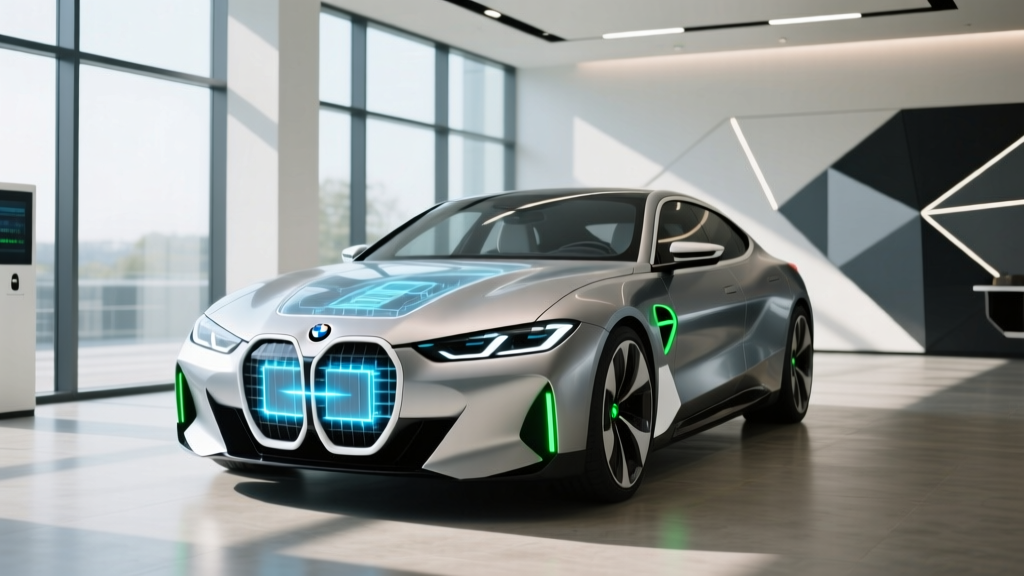
BMW's Neue Klasse platform, launching with the iX3 successor in late 2025 and expanding through 2026-2027, represents a significant leap in energy density using advanced cylindrical NMC cells developed with partners like Samsung SDI and CATL. These Gen6 batteries promise up to 30% more range and 30% faster charging compared to current prismatic cells. But the technology generating the most search interest — the BMW solid state battery — remains in development, with BMW targeting production readiness around 2030 in partnership with Solid Power.
For buyers shopping today, understanding what's available now versus what's on the horizon is critical. Current BMW EVs like the i4, iX, and i7 use proven lithium-ion NMC chemistry delivering excellent real-world performance. Let's examine current battery technology, degradation patterns, ownership costs, and how solid-state fits into the timeline.
LFP vs NMC/NCA Chemistry: Understanding Your Options
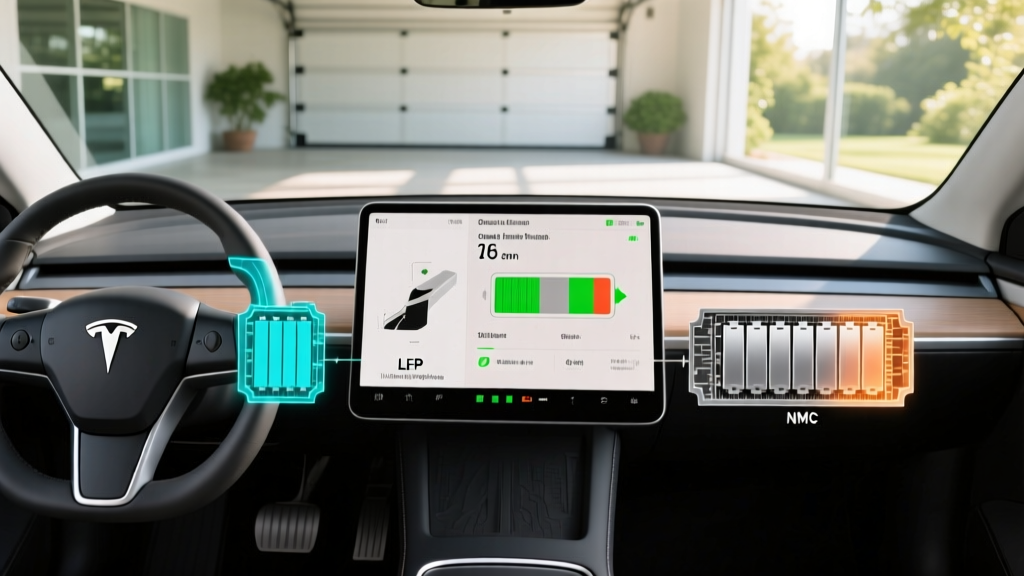
Lithium-ion batteries come in several chemistry variants, each with distinct trade-offs. BMW primarily uses NMC (nickel manganese cobalt) chemistry across its EV lineup, prioritizing energy density for maximum range. LFP (lithium iron phosphate) has gained traction in entry-level models from other manufacturers due to cost advantages and longevity.
| Characteristic | LFP (Lithium Iron Phosphate) | NMC/NCA (Nickel-based) |
|---|---|---|
| Energy Density | Lower (140-180 Wh/kg) | Higher (220-300 Wh/kg) |
| Typical Range Impact | 10-15% less range vs equivalent NMC pack | Maximum range per kWh |
| Cycle Life | 3,000-5,000+ cycles | 1,000-2,000 cycles |
| Cold Weather Performance | Reduced (15-30% range loss below 32°F) | Better (10-20% range loss below 32°F) |
| Fast Charging Tolerance | Excellent (handles frequent DCFC well) | Good (accelerated degradation with daily DCFC) |
| State of Charge Flexibility | Can charge to 100% daily without penalty | Best kept 20-80% for longevity |
| Cost | ~$100-120/kWh (2026 pricing) | ~$130-160/kWh (2026 pricing) |
| Thermal Stability | Excellent (very low thermal runaway risk) | Good (requires robust BMS) |
| BMW Usage | Not currently used in BMW EVs | Standard across i4, iX, i7, Neue Klasse |
Which is better? NMC wins for drivers prioritizing maximum range and cold-weather performance — BMW's choice for premium EVs. LFP excels for cost-conscious buyers who charge daily to 100% and want maximum cycle life. Tesla Model 3 RWD and base Model Y use LFP; Ford offers LFP in some Mustang Mach-E trims.
Real-World EV Battery Degradation: What the Data Shows
Battery degradation — the gradual loss of capacity over time — remains a top concern for EV buyers. Modern thermal management systems have dramatically improved longevity compared to early EVs.
Typical Degradation Patterns (Based on Fleet Data)
- Year 1-2: 2-5% capacity loss (initial settling)
- Year 3-5: 1-2% loss per year (linear degradation)
- Year 6-8: 1-2% loss per year (continues linear)
- 8-year typical SoH: 85-92% remaining capacity
Source: Geotab fleet analysis of 6,300+ EVs shows average degradation of 2.3% per year across all brands, with liquid-cooled batteries (like BMW's) performing better than passively cooled packs.
Real-world example: A 2020 BMW iX3 with 80 kWh battery (74 kWh usable) showing 90% State of Health after 60,000 miles would have ~66.6 kWh usable capacity — still delivering ~220 miles of real-world range versus the original ~245 miles.
Factors Accelerating Degradation
- Frequent DC fast charging: Daily use of 150+ kW chargers can add 1-2% extra annual degradation vs Level 2 charging
- Extreme temperatures: Sustained operation above 95°F or below 10°F without preconditioning
- High state of charge: Regularly charging NMC to 100% and leaving it parked for days
- Deep discharge cycles: Frequently draining below 10% SoC
Battery Warranty Coverage: What's Protected
Federal law mandates minimum 8-year/100,000-mile battery warranties for EVs. BMW exceeds this baseline with competitive coverage across its electric lineup.
| Model | Warranty Duration | Mileage Limit | Capacity Threshold |
|---|---|---|---|
| BMW i4 (all trims) | 8 years | 100,000 miles | 70% retention |
| BMW iX (xDrive40/50/M60) | 8 years | 100,000 miles | 70% retention |
| BMW i7 (xDrive60/M70) | 8 years | 100,000 miles | 70% retention |
| BMW Neue Klasse (upcoming) | 8 years (expected) | 100,000 miles (expected) | 70% retention (expected) |
What triggers a warranty claim? If your battery's State of Health drops below 70% within the warranty period, BMW will repair or replace modules to restore capacity above the threshold. This doesn't mean a full pack replacement — technicians typically replace degraded modules individually.
Important caveat: Warranty coverage excludes damage from accidents, improper charging equipment, or modifications. Normal degradation above the 70% threshold isn't covered. Most owners never approach the threshold — fleet data shows fewer than 2% of modern liquid-cooled EVs require warranty service.
Battery Replacement Costs: Reality Check
The "what if my battery dies?" question deserves honest numbers, not fear-based speculation. Full battery replacements are rare — most EVs are retired or sold before needing one.
| Battery Size | Typical Models | Full Pack Cost | Module Repair Cost |
|---|---|---|---|
| 40-60 kWh | Entry-level EVs | $8,000-$12,000 | $2,000-$4,000 |
| 70-85 kWh | BMW i4, Tesla Model 3/Y | $12,000-$18,000 | $3,000-$6,000 |
| 90-110 kWh | BMW iX, i7, luxury EVs | $18,000-$25,000 | $4,000-$8,000 |
When is replacement typically needed? Based on current degradation curves, most EV batteries retain 80-90% capacity at 150,000-200,000 miles. Many will outlast the vehicle's economic life. Battery prices continue falling — down 90% since 2010 according to BloombergNEF — making future replacements more affordable.
Cost mitigation strategies:
- Extended warranties beyond 8 years (offered by some manufacturers)
- Battery leasing programs (Renault, NIO)
- Third-party refurbishment services emerging
- Module-level repairs vs full pack replacement
Maximizing Battery Health: Best Practices for BMW Owners
Modern battery management systems handle most optimization automatically, but owner habits still impact longevity.
Daily Charging Habits
- ✓ Set charge limit to 80-90% for daily driving (BMW iDrive makes this easy)
- ✓ Charge to 100% only when needed for long trips
- ✓ Avoid letting SoC drop below 10% regularly
- ✓ Use Level 2 home charging as your primary method
Fast Charging Strategy
- ✓ Use DC fast charging for road trips, not daily commuting
- ✓ Precondition battery before fast charging (BMW does this automatically when navigating to a charger)
- ✓ Limit frequent use of 150+ kW chargers if 50-100 kW meets your needs
Temperature Management
- ✓ Park in shade or garage during extreme heat
- ✓ Use preconditioning in cold weather (plugs into grid, preserves battery)
- ✓ Avoid fast charging when battery is very hot or very cold without preconditioning
Long-Term Storage
- ✓ Store at 50% SoC if parking for weeks
- ✓ Keep plugged in with charge limit set to 50% for extended storage
How to Check Battery State of Health (SoH)
BMW iDrive: Current BMW EVs don't display SoH percentage directly in the vehicle interface, unlike some competitors. However, you can monitor real-world range trends over time as a proxy.
OBD-II diagnostics: Third-party apps like LeafLogix or professional scan tools can read battery management system data including SoH, cell voltage variance, and cycle count.
Dealer assessment: BMW service centers can run full battery health diagnostics and provide official SoH reports, typically during scheduled maintenance.
The BMW Solid State Battery Timeline: What's Real vs. Hype
Solid-state batteries promise transformative improvements: higher energy density (potentially 500+ Wh/L vs current ~250-300 Wh/L), faster charging, improved safety, and longer cycle life. BMW's partnership with Solid Power targets commercialization, but timelines remain realistic rather than revolutionary.
Current Status (2026)
- BMW has tested solid-state prototype cells in laboratory settings
- Manufacturing scale-up challenges remain (yield rates, cost, production speed)
- Gen6 NMC cylindrical cells in Neue Klasse represent the near-term evolution
Realistic Timeline
- 2027-2028: Limited production pilot vehicles possible
- 2030+: Potential for broader solid-state deployment if manufacturing challenges are solved
- Cost parity: Solid-state will likely debut in premium models, taking years to reach mainstream pricing
Bottom line: Don't delay an EV purchase waiting for solid-state. Current NMC technology delivers excellent performance and longevity. Solid-state is genuine R&D progress, not vaporware, but commercialization timelines in battery tech historically slip 2-5 years from initial announcements.
EV Battery FAQ: Common Questions Answered
How long do EV batteries last in years and miles?
Modern liquid-cooled EV batteries like those in BMW vehicles typically last 15-20 years or 200,000+ miles before degrading to 70-80% capacity. Fleet data from Geotab shows average degradation of 2.3% per year, meaning a 10-year-old battery would retain ~77% capacity — still providing usable range for most drivers.
How much does an EV battery cost to replace?
Full battery pack replacement costs $12,000-$25,000 depending on size (2026 pricing), but most owners never need this. Module-level repairs cost $3,000-$8,000. Battery prices continue declining, and most EVs are retired before needing replacement.
What does the battery warranty actually cover?
BMW's 8-year/100,000-mile warranty covers capacity loss below 70% SoH. If your battery degrades beyond this threshold, BMW repairs or replaces modules to restore capacity. The warranty excludes accident damage, improper charging, or modifications.
How do I check my BMW's battery health?
BMW iDrive doesn't display SoH percentage directly. Monitor real-world range trends, use OBD-II diagnostic tools with apps like LeafLogix, or request a battery health report from your BMW dealer during service visits.
Is LFP or NMC better for my BMW?
BMW currently uses NMC exclusively, which offers higher energy density and better cold-weather performance — ideal for premium EVs prioritizing range. LFP excels in cost and cycle life but isn't available in BMW models. For most BMW buyers, NMC is the right choice.
Should I wait for BMW's solid-state battery?
BMW targets solid-state production around 2030, but battery timelines often slip. Current Gen6 NMC technology in Neue Klasse vehicles delivers excellent performance. Unless you're planning a 2030+ purchase, don't delay — today's batteries are proven and cost-effective.
Does fast charging damage my BMW's battery?
Occasional DC fast charging has minimal impact. Daily use of 150+ kW chargers can accelerate degradation by 1-2% annually versus Level 2 charging. BMW's thermal management and preconditioning systems mitigate this. Use DCFC for road trips, Level 2 for daily charging.
What happens if my battery degrades to 70% capacity?
You'll still have a functional vehicle with reduced range. A BMW iX with 100 kWh battery degrading to 70 kWh usable capacity would see range drop from ~300 miles to ~210 miles — still viable for many drivers. If this occurs within the warranty period, BMW will restore capacity above 70%.
For current BMW EV buyers, the battery technology in 2026 models is mature, reliable, and backed by strong warranties. The BMW solid state battery represents genuine future potential, but today's NMC chemistry delivers the range, charging speed, and longevity most drivers need without waiting.