The Great EV Battery Debate: To Lease or To Own?
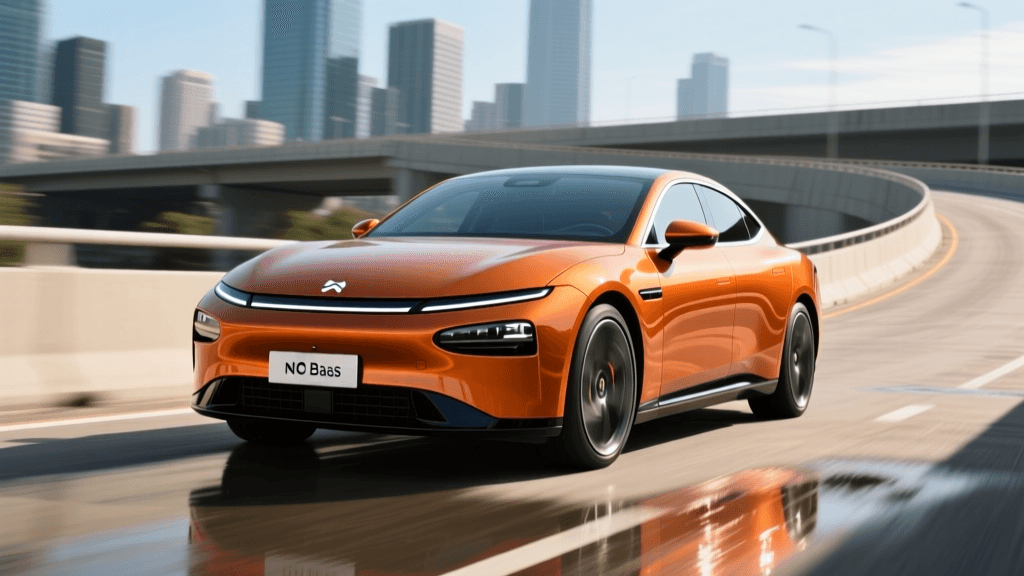
When purchasing an electric vehicle, the battery represents the single most expensive component, often accounting for 30% to 40% of the total vehicle cost. This hefty price tag has given rise to a unique financing model: Battery as a Service (BaaS), or battery leasing. Pioneered in the modern era by Nio and historically attempted by Renault, the concept allows buyers to purchase the vehicle chassis while leasing the battery pack on a monthly subscription basis.
While the idea of separating the battery from the car sounds like a brilliant way to lower upfront costs and eliminate degradation anxiety, the reality is far more nuanced. In this guide, we are busting the most common myths surrounding EV battery leasing versus ownership, analyzing the true Total Cost of Ownership (TCO), and highlighting the critical mistakes buyers make when choosing between these two paths.
Myth #1: Battery Leasing is Always Cheaper in the Long Run
The Myth: By leasing the battery, you avoid the massive depreciation hit that EVs take, making it the most financially sound choice over a 5-to-10-year ownership period.
The Reality: Battery leasing is essentially a high-interest, perpetual loan that you never pay off. Let us look at the math using Nio's popular BaaS model as a benchmark. If you opt for a 75 kWh battery lease, you might save roughly $10,000 to $14,000 on the initial purchase price of the vehicle. However, the monthly subscription fee hovers around $140 (or 980 RMB in China). Over a 5-year period, you will pay $8,400 in subscription fees. Over 8 years, that number swells to $13,440. You have effectively paid the cost of the battery again, but you still do not own it.
Furthermore, when it is time to sell the vehicle, the secondary market for EVs with leased batteries is notoriously difficult. Many used car buyers are hesitant to take over a perpetual monthly battery contract, forcing sellers to offer steep discounts on the chassis to entice buyers. In most scenarios, unless you plan to swap the car out every 24 to 36 months, outright ownership yields a better long-term financial outcome.
Myth #2: Owning the Battery Means Inevitable Financial Ruin
The Myth: If you buy the battery outright, it will inevitably degrade to 70% capacity, and an out-of-warranty replacement will cost upwards of $20,000, totaling the car.
The Reality: This fear is largely based on early-generation EVs from a decade ago. Modern lithium-ion battery chemistry, paired with advanced thermal management systems, has drastically improved longevity. According to research from the National Renewable Energy Laboratory (NREL), modern EV batteries are engineered to last the lifetime of the vehicle, frequently exceeding 150,000 to 200,000 miles before dropping below the 70% capacity threshold that typically triggers a warranty claim.
Additionally, buyers often forget the robust safety nets already in place. The U.S. Environmental Protection Agency (EPA) and federal mandates require automakers to warranty EV batteries for a minimum of 8 years or 100,000 miles. In states that follow California Air Resources Board (CARB) regulations, that mandate extends to 10 years or 150,000 miles. If your battery suffers abnormal degradation within this window, the manufacturer replaces it for free. The 'financial ruin' narrative is a relic of the past, not a reflection of today's EV engineering.
Myth #3: Leasing Protects You From All Degradation
The Myth: If you lease a battery, you will never have to worry about range loss because the leasing company will simply hand you a brand-new pack when yours degrades.
The Reality: This depends entirely on the leasing model, and confusing the two is a massive mistake. When Renault offered battery leases on the Zoe, you kept the exact same physical battery in your trunk for the duration of the lease. If it degraded, your range dropped, and the leasing company only replaced it if it fell below a strict contractual threshold (usually 75% state of health).
Nio's BaaS model is different because it relies on a battery swap network. When you pull into a swap station, you trade your depleted pack for a fully charged one from the shared pool. This means you are constantly cycling through different batteries, effectively insulating you from long-term degradation of a single pack. However, if you do not live near a dense network of swap stations, the logistical friction of swapping negates the primary benefit of the BaaS model.
5-Year Total Cost of Ownership: BaaS vs. Upfront Purchase
To visualize the financial impact, let us compare a hypothetical $45,000 EV with a 75 kWh battery over a 5-year (60-month) ownership period. This table highlights why the 'cheaper' narrative is often a mathematical illusion.
| Cost Factor | Upfront Purchase (Owned) | Battery Leasing (BaaS Model) |
|---|---|---|
| Initial Vehicle Purchase Price | $45,000 | $35,000 (Minus $10k battery) |
| Monthly Battery Subscription | $0 | $140 / month |
| Total Subscription Cost (5 Yrs) | $0 | $8,400 |
| Estimated 5-Year Resale Value | $22,500 (50% retention) | $14,000 (40% retention on chassis) |
| Net 5-Year Depreciation/Cost | $22,500 | $29,400 |
Note: The BaaS resale value is heavily discounted because the secondary buyer must assume the $140/month liability, making the vehicle harder to sell.
Common Mistakes Buyers Make When Choosing
If you are weighing battery leasing versus ownership, avoid these critical pitfalls that catch many first-time EV buyers off guard:
- Ignoring the Resale Market Reality: The biggest mistake BaaS buyers make is assuming they can easily sell the car later. Private buyers and traditional dealerships often refuse to take over third-party battery lease contracts, severely limiting your exit options and forcing you to trade the car back to the dealer at a lower valuation.
- Overestimating Swap Station Convenience: If you choose a swap-based lease like Nio's, failing to map out the swap station density on your daily commute and common road-trip routes is a massive error. If you end up plugging in at home 95% of the time, you are paying a premium subscription fee for a swap network you rarely use.
- Forgetting About Insurance Complexities: When the battery is leased, the leasing company holds a lien on that specific component. In the event of a severe collision that damages the battery casing, insurance claims can become a bureaucratic nightmare involving multiple parties (the chassis insurer vs. the battery lessor).
- Missing Out on Tax Credits: In many regions, EV tax credits and rebates are calculated based on the total purchase price of the vehicle. By artificially lowering the purchase price through a battery lease, you may inadvertently drop the vehicle below the MSRP cap required to qualify for federal or state incentives, effectively costing you thousands in lost government rebates.
How to Calculate Your Personal Break-Even Point
Before signing a BaaS contract, run your own break-even analysis. Take the upfront discount offered for leasing the battery and divide it by the monthly subscription fee. For example, if the battery lease reduces your purchase price by $12,000, and the monthly fee is $150, your break-even point is exactly 80 months (6.6 years). If you plan to keep the car for 8 years or more, you will pay more in subscription fees than the battery is actually worth, making ownership the undisputed winner. If you are a serial lessee who trades cars in every 36 months, the BaaS model might offer a slight cash-flow advantage.
Final Verdict
The decision between EV battery leasing and ownership ultimately comes down to your ownership timeline and risk tolerance. For the vast majority of drivers who plan to keep their vehicles for more than four years, outright ownership is the superior financial choice. Modern battery degradation is minimal, federal warranties provide a massive safety net, and owning the complete vehicle ensures a much smoother resale process. Battery leasing remains a niche product best suited for commercial fleet operators, high-mileage rideshare drivers, or consumers who demand the absolute latest battery chemistry via swap networks and plan to upgrade their vehicles every two to three years.