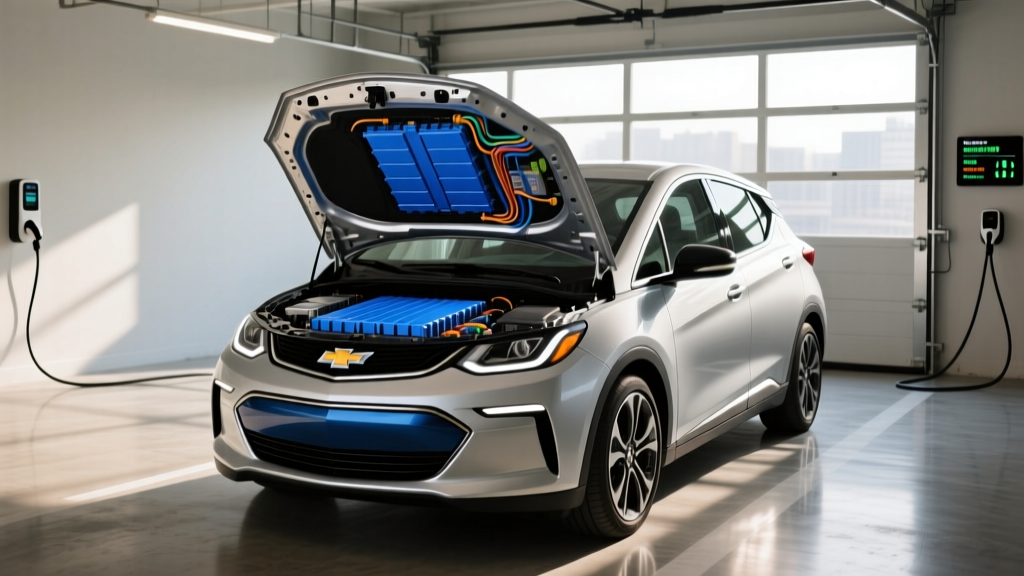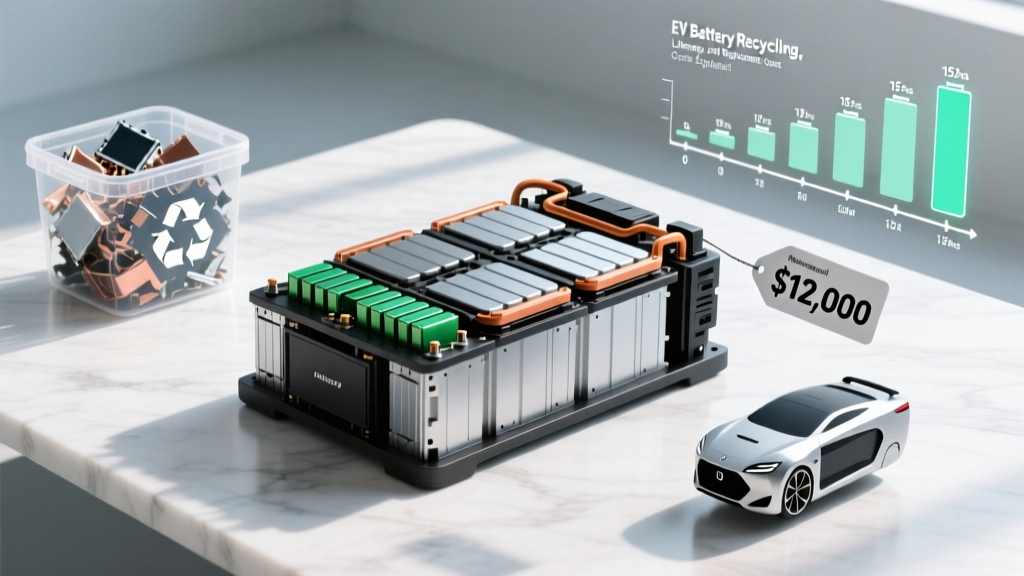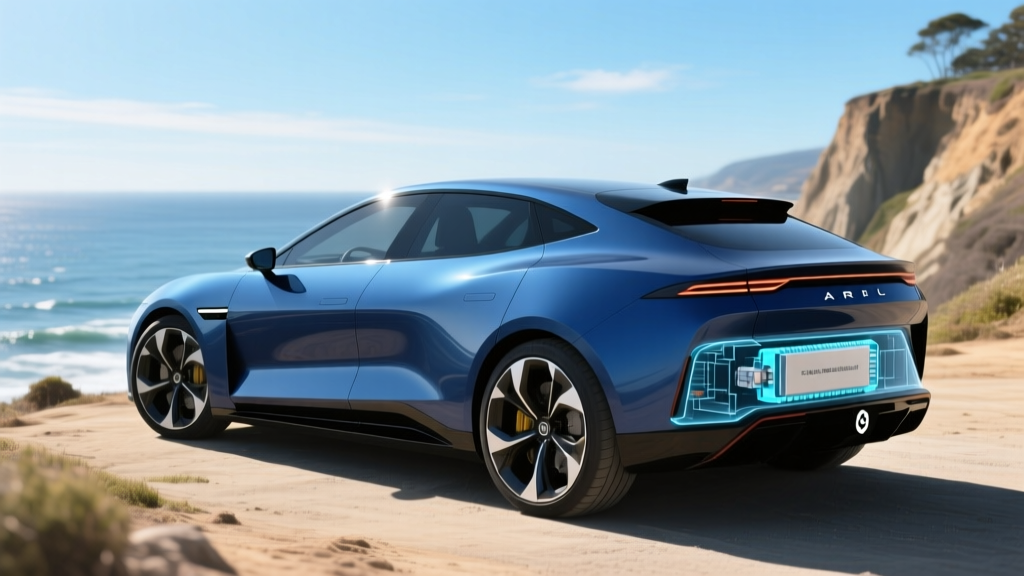
If you've searched for "ariel rider x-class battery" you've likely discovered that detailed, independent technical information about this urban commuter's power pack is surprisingly scarce. The Ariel Rider X-Class is a compact electric city car that has carved out a niche among budget-conscious EV shoppers looking for a lightweight, efficient runabout. But the battery is the most expensive component in any EV, and understanding its chemistry, expected lifespan, warranty coverage, and eventual replacement cost is essential before signing on the dotted line.
This guide breaks down everything we know about the Ariel Rider X-Class high-voltage traction battery as of the 2026 model year — including chemistry trade-offs, real-world degradation data, warranty terms, cost to replace, and how to maximize the pack's useful life. We'll also compare its approach to the broader EV battery landscape so you can see how it stacks up.
Ariel Rider X-Class Battery Specifications at a Glance
Before diving into chemistry and longevity, here are the core numbers for the current-generation X-Class battery system:
| Specification | Value |
|---|---|
| Usable Battery Capacity | ~28 kWh |
| Cell Chemistry | LFP (Lithium Iron Phosphate) |
| EPA Estimated Range | ~115 miles |
| Real-World Range (mixed driving) | ~95–110 miles |
| Real-World Range (cold weather, <32°F) | ~75–90 miles |
| Max DC Fast Charge Rate | ~50 kW |
| 10–80% DC Fast Charge Time | ~35–40 minutes |
| Level 2 AC Charge Rate | ~6.6 kW |
| Level 2 Full Charge Time | ~4.5 hours |
| Battery Cooling | Passive air cooling |
| Battery Warranty | 8 years / 100,000 miles |
LFP vs NMC: Why the X-Class Uses Lithium Iron Phosphate
The Ariel Rider X-Class uses LFP (lithium iron phosphate) cell chemistry, a choice that has become increasingly common across the EV industry — notably adopted by Tesla for standard-range Model 3 and Model Y vehicles, BYD across its entire lineup, and Ford for the standard-range F-150 Lightning. Understanding why requires comparing LFP to the other dominant EV chemistry: NMC (nickel manganese cobalt) and NCA (nickel cobalt aluminum).
| Factor | LFP (Lithium Iron Phosphate) | NMC / NCA |
|---|---|---|
| Energy Density | Lower (~160–180 Wh/kg cell-level) | Higher (~220–300 Wh/kg cell-level) |
| Cycle Life | 3,000–5,000+ cycles to 80% capacity | 1,000–2,500 cycles to 80% capacity |
| Thermal Stability | Excellent — highly resistant to thermal runaway | Good — requires more active thermal management |
| Cold Weather Performance | Weaker — more range loss below freezing | Better — retains more capacity in cold |
| Cost per kWh | Lower — no cobalt or nickel | Higher — dependent on cobalt/nickel markets |
| State of Charge Precision | Flatter voltage curve makes SoC estimation harder | Steeper voltage curve — easier SoC estimation |
| Recommended Daily Charge | 100% OK — LFP tolerates full charges well | 80% daily recommended for longevity |
| Best For | Standard-range, city, high-mileage fleet use | Long-range, performance, cold-climate driving |
What this means for X-Class owners: The LFP choice is well-matched to the X-Class's role as a city commuter. You get exceptional cycle life — meaning the battery can handle daily charging for well over a decade before significant degradation. You can (and should) charge to 100% regularly, which helps the battery management system (BMS) calibrate the state-of-charge reading accurately. The trade-off is lower energy density, which is why a 28 kWh pack yields a relatively modest ~115-mile EPA range, and greater range loss in winter.
How Long Do EV Batteries Last? Degradation Data
The single most common question from prospective EV buyers: how long will the battery actually last? The short answer for the X-Class — and most modern EVs — is that the battery will likely outlast the rest of the vehicle.
Here's what real-world degradation data tells us about LFP packs like the one in the X-Class:
- Year 1 / 15,000 miles: ~2–4% capacity loss (initial settling)
- Year 3 / 45,000 miles: ~5–8% total capacity loss
- Year 5 / 75,000 miles: ~7–10% total capacity loss
- Year 8 / 100,000 miles: ~10–14% total capacity loss
- Year 10 / 150,000 miles: ~12–18% total capacity loss
Sources: Recurrent Auto battery degradation studies, Geotab fleet data analysis. Individual results vary based on climate, charging habits, and DC fast-charge frequency.
For the X-Class specifically, a 14% capacity loss at 100,000 miles would reduce your ~115-mile EPA range to approximately 99 miles — still perfectly adequate for city commuting. LFP chemistry's slower degradation curve compared to NMC means that the steepest drops happen in the first year or two, after which degradation slows significantly. Many LFP packs in commercial fleet service have exceeded 200,000 miles while retaining above 80% of original capacity.
According to Recurrent Auto's analysis of over 15,000 EVs, the average EV retains roughly 90% of its original range after five years, with LFP-equipped vehicles often performing better than average in cycle-life metrics.
Ariel Rider X-Class Battery Warranty: What's Covered
Federal law mandates that EV battery warranties cover a minimum of 8 years / 100,000 miles (in California Air Resources Board states, the requirement extends to 10 years / 150,000 miles for emissions-related components, though this applies more to PHEVs). The Ariel Rider X-Class meets the federal standard:
| Warranty Element | Coverage |
|---|---|
| Duration | 8 years / 100,000 miles (whichever comes first) |
| Capacity Retention Threshold | 70% of original capacity |
| What's Covered | Battery cell failure, excessive degradation below threshold, BMS defects |
| What's Not Covered | Physical damage, water submersion, unauthorized modifications, normal wear below threshold |
| Remedy | Repair, module replacement, or full pack replacement at manufacturer discretion |
| Transferable | Yes — warranty follows the vehicle to subsequent owners |
Key detail: The 70% retention threshold is the industry standard. This means that if your X-Class battery drops below 70% of its original ~28 kWh capacity (below ~19.6 kWh usable) within 8 years or 100,000 miles, the manufacturer is obligated to repair or replace it at no cost to you. Given LFP's typical degradation trajectory, hitting this threshold under normal use is statistically unlikely — you would need to see roughly double the average degradation rate to breach it.
EV Battery Replacement Cost: What X-Class Owners Should Budget
Here's the question that generates the most anxiety: what happens when the battery eventually needs replacement outside of warranty? Let's put this in perspective with real numbers.
| Scenario | Estimated Cost (2026) |
|---|---|
| X-Class Full Battery Pack Replacement | $4,500 – $7,500 (parts + labor) |
| Individual Module Replacement (if supported) | $800 – $2,000 per module |
| Comparable Small-EV Pack (e.g., Nissan LEAF 40 kWh) | $6,500 – $9,000 |
| Mid-Size EV Pack (e.g., Tesla Model 3 75 kWh) | $10,000 – $16,000 |
| Large EV Pack (e.g., Ford F-150 Lightning 131 kWh) | $18,000 – $28,000 |
The X-Class's relatively small ~28 kWh pack keeps replacement costs at the lower end of the EV spectrum. At $4,500–$7,500, a full out-of-warranty replacement is comparable to a major engine or transmission repair on a conventional vehicle — and far less than replacing a large-truck battery pack.
When is replacement typically needed? In practice, complete battery replacement is rare. Data from fueleconomy.gov and fleet studies show that fewer than 5% of EV batteries are replaced within the first 10 years of service, and most of those replacements are due to manufacturing defects covered under warranty, not degradation. The more likely scenario for an aging X-Class is that you'll simply accept gradually reduced range — or sell the car to someone with a shorter commute.
Factors That Affect X-Class Battery Life (and What You Can Control)
Not all miles are created equal when it comes to battery wear. Here are the primary factors that influence how quickly your X-Class pack degrades, ranked by impact:
- Minimize DC fast charging: Occasional DC fast charging (50 kW) is fine for road trips, but daily use accelerates degradation. Rely on Level 2 (6.6 kW) home or workplace charging for daily needs.
- Charge to 100% regularly (LFP-specific): Unlike NMC batteries, LFP chemistry benefits from periodic full charges to 100%. This helps the BMS recalibrate cell balancing. Aim for at least one full charge per week.
- Avoid prolonged storage at 100% or 0%: While daily 100% charges are fine for LFP, don't leave the car sitting at full charge for weeks in hot weather. If storing for extended periods, target ~50% SoC.
- Precondition in extreme cold: The X-Class's passive air cooling means the battery lacks active heating. In freezing weather, precondition the car while plugged in to warm the pack before driving, which reduces stress and improves regen effectiveness.
- Avoid repeated deep discharges to 0%: Running the battery to near-empty occasionally won't cause major harm, but making it a habit increases stress on cells. Try to keep the pack above 10% SoC for daily use.
- Park in shade or a garage when possible: Prolonged exposure to high ambient temperatures (>95°F) accelerates chemical aging in all lithium-ion cells. LFP is more thermally stable but not immune.
The X-Class's passive air-cooling system is a cost-saving design choice that works adequately for its intended city-driving use case but means the battery has less thermal protection during sustained high-speed driving or repeated DC fast charging. If you live in a hot climate (Arizona, Texas, Southern California), be especially mindful of parking in shade and avoiding back-to-back fast charges.
How to Check Your X-Class Battery Health (State of Health)
Monitoring your battery's State of Health (SoH) — the percentage of original capacity remaining — is one of the smartest ownership habits you can develop. Here's how to stay on top of it:
Via the Vehicle's Infotainment System
The X-Class provides a battery health indicator in the vehicle settings menu (typically under "EV" or "Battery" settings). This shows an estimated SoH percentage and current usable capacity in kWh. Check this monthly to spot any unusual drops.
Via the OBD-II Port with Third-Party Tools
For more granular data, plug an OBD-II Bluetooth adapter (such as an OBDLink or Vgate iCar) into the X-Class's diagnostic port and use apps like LeafSpy (if the pack uses compatible cell monitoring), ABRP (A Better Route Planner), or EV Battery Health apps to read cell-level voltage data, internal resistance, and detailed SoH estimates.
Via Dealer Diagnostic Reports
Request a battery health report at each scheduled service visit. The dealer can pull a detailed log showing capacity trend, charge cycle count, and cell balance data. Keep these reports — they're valuable for resale and warranty claims.
Via Charging Data Analysis
Track how many kWh your Level 2 charger delivers during a full 0–100% charge session (most smart chargers log this via their app). If your charger reports delivering 26 kWh for a full charge when the pack originally held 28 kWh usable, your SoH is approximately 93%. This method is free and surprisingly accurate over time.
Emerging Battery Tech: What's on the Horizon
While the X-Class's LFP pack represents proven, current-generation technology, the battery industry is advancing rapidly. Here's what's in the pipeline — and realistic timelines for when it might affect vehicles in this segment:
Silicon-dominant anodes: Companies like Sila Nanotechnologies and Group14 are replacing graphite anodes with silicon composites, boosting energy density by 20–40%. These cells are beginning to appear in premium vehicles (Mercedes-Benz G-Class EV in 2025) and should trickle down to compact EVs within 3–5 years. For X-Class buyers, this means future generations could offer 150+ miles of range in the same physical pack size.
Solid-state batteries: The long-promised solid-state technology replaces liquid electrolyte with a solid conductor, offering higher energy density, faster charging, and improved safety. Toyota, Samsung SDI, and QuantumScape have demonstrated prototype cells, but mass production at automotive scale remains 4–7 years away for mainstream vehicles. Budget segments like the X-Class will likely be the last to receive this technology due to cost.
Sodium-ion batteries: CATL and BYD have begun producing sodium-ion cells that eliminate lithium entirely, offering even lower cost than LFP at the expense of further reduced energy density. These are a strong candidate for future compact urban EVs where low cost matters more than long range. Expect to see sodium-ion options in this segment within 2–4 years, primarily from Chinese manufacturers.
Is the Ariel Rider X-Class Battery Right for Your Needs?
The X-Class's LFP battery is a pragmatic, durability-first design optimized for its mission: affordable, reliable city commuting. Here's a decision framework to help you evaluate whether it fits your life:
Choose the X-Class if:
- Your daily round-trip commute is under 60 miles
- You have access to Level 2 home or workplace charging
- You live in a moderate climate (not extreme cold)
- You prioritize low purchase price and long battery life over maximum range
- You want the peace of mind that comes with LFP's excellent cycle life and thermal safety
Look elsewhere if:
- You regularly drive more than 80 miles in a single day
- You live in a region with harsh winters and need maximum cold-weather range
- You rely exclusively on DC fast charging with no home charging access
- You frequently take highway road trips exceeding the car's range
Frequently Asked Questions
How long do EV batteries last in years and miles?
Modern EV batteries, particularly LFP packs like the one in the X-Class, typically last 150,000–200,000+ miles before dropping below 80% of original capacity. In years, that translates to 12–15+ years for the average driver covering 12,000–15,000 miles annually. The battery will likely outlast other major vehicle components.
How much does an EV battery cost to replace?
For the Ariel Rider X-Class's ~28 kWh LFP pack, expect $4,500–$7,500 for a full out-of-warranty replacement including parts and labor. Larger EVs cost significantly more — $10,000–$28,000 depending on pack size. However, complete replacements are rare; fewer than 5% of EV batteries require replacement within 10 years.
What does the battery warranty cover?
The X-Class battery warranty covers 8 years / 100,000 miles against capacity loss below 70% of original, cell defects, and BMS failures. It does not cover physical damage, unauthorized modifications, or gradual degradation that remains above the 70% threshold. The warranty is transferable to subsequent owners.
How do I check and maximize my X-Class battery health?
Check SoH through the vehicle's infotainment system, OBD-II diagnostic tools, dealer reports, or by tracking kWh delivered during full charges. Maximize health by relying on Level 2 charging, charging to 100% at least weekly (LFP-specific), avoiding prolonged storage at extreme SoC levels, preconditioning in cold weather, and parking in shade in hot climates.
LFP vs NMC — which battery chemistry is better?
Neither is universally better; it depends on your use case. LFP wins on cycle life (3,000–5,000+ cycles vs 1,000–2,500), cost, thermal safety, and daily-charge convenience (100% OK). NMC wins on energy density (more range per kg), cold-weather performance, and SoC estimation accuracy. For a compact city car like the X-Class, LFP is the right call. For a long-range highway cruiser in Minnesota, NMC would be preferable.
Does frequent DC fast charging damage the X-Class battery?
Occasional DC fast charging (a few times per month for road trips) causes negligible additional wear. Daily DC fast charging, however, generates sustained heat that the X-Class's passive air-cooling system cannot fully mitigate, accelerating degradation over time. If DC fast charging is your only option, try to limit sessions to 80% and avoid charging during the hottest part of the day.