Why the 2018 Chevy Cruze Battery Keeps Coming Up in EV Searches
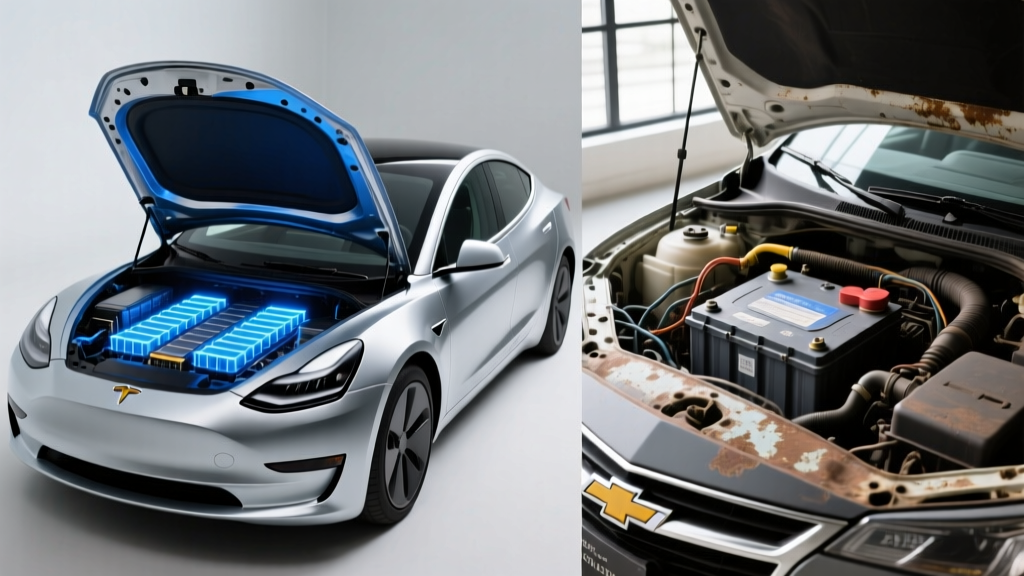
If you've searched for a 2018 Chevy Cruze battery, you're likely dealing with one of two things: a dead 12V auxiliary battery on a conventional Cruze, or curiosity about the lithium-ion pack inside the discontinued Cruze Diesel or the Cruze's stop-start system. Neither of these is a high-voltage EV traction battery — but the confusion is common, and it opens a much larger conversation about what modern EV batteries actually look like in 2026.
This guide bridges that gap. We'll clarify exactly what powers a 2018 Cruze, then walk through the real numbers behind today's EV battery packs: chemistry trade-offs, degradation curves, warranty coverage, replacement economics, and the care habits that determine whether your pack lasts 150,000 miles or 300,000.
2018 Chevy Cruze Battery: What You're Actually Replacing
The 2018 Chevrolet Cruze — whether equipped with the 1.4L turbo gasoline engine or the 1.6L turbo diesel — relies on a conventional 12V absorbent glass mat (AGM) or flooded lead-acid battery. The stop-start system on certain trims demands an AGM unit rated for higher cycle duty.
| Spec | 2018 Cruze Gas | 2018 Cruze Diesel |
|---|---|---|
| Battery Type | 12V AGM (stop-start) or flooded | 12V AGM |
| Group Size | H5 / 47 | H6 / 48 |
| CCA Rating | ~525–600 A | ~700 A |
| Typical Lifespan | 3–5 years | 3–5 years |
| Replacement Cost | $150–$260 | $180–$300 |
These batteries degrade through sulfation, electrolyte loss, and plate corrosion — entirely different failure mechanisms than lithium-ion cells. If your Cruze won't crank, this is almost certainly the culprit, not a high-voltage system.
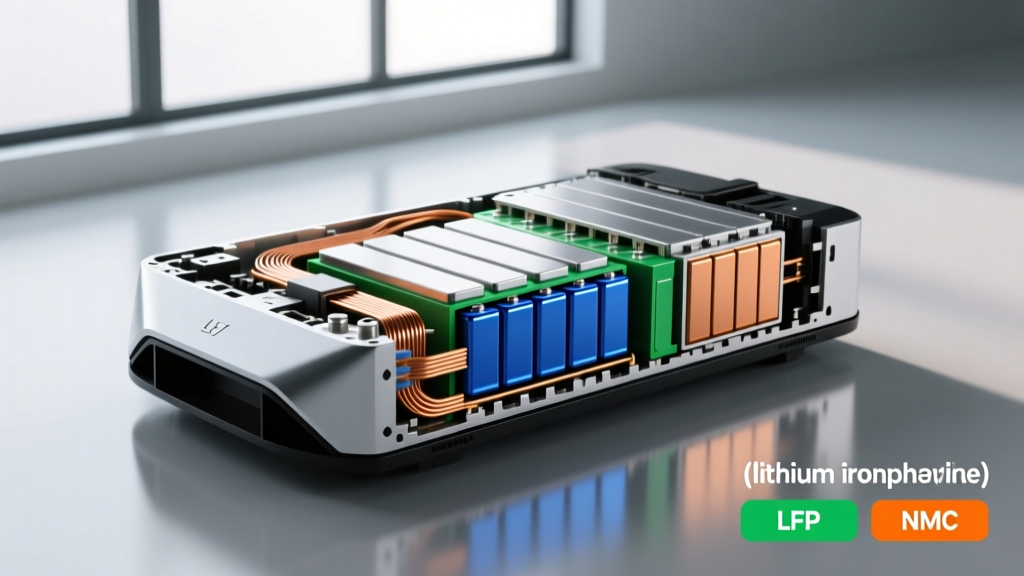
EV Traction Battery Chemistry: LFP vs NMC vs NCA Explained
Modern EVs use one of three dominant lithium-ion chemistries for their traction packs. Understanding the difference matters because it directly affects range, longevity, cold-weather performance, and price.
| Attribute | LFP (Lithium Iron Phosphate) | NMC (Nickel Manganese Cobalt) | NCA (Nickel Cobalt Aluminum) |
|---|---|---|---|
| Energy Density | ~160–180 Wh/kg (lower) | ~220–260 Wh/kg (higher) | ~250–280 Wh/kg (highest) |
| Cycle Life | 3,000–5,000+ cycles | 1,000–2,000 cycles | 1,000–1,500 cycles |
| Cold Performance | Moderate — greater range loss below 32°F | Better low-temp discharge | Good low-temp discharge |
| Cost per kWh | ~$85–$100 (2026) | ~$110–$135 | ~$115–$140 |
| Thermal Stability | Excellent — less prone to thermal runaway | Good with active management | Good with active management |
| Recommended SoC Range | 0–100% (can charge to full daily) | 20–80% daily; 100% for trips | 20–80% daily; 100% for trips |
| Common In 2026 | Tesla Model 3/Y RWD, BYD, Rivian Standard | Hyundai Ioniq 5/6, Ford Mustang Mach-E, VW ID.4 | Tesla Long Range, Lucid, BMW iX |
Which is better? Neither is universally superior. LFP wins on longevity and cost — a Model 3 RWD with an LFP pack can reasonably exceed 300,000 miles before hitting 70% capacity. NMC and NCA win on energy density, meaning more range in a lighter, more compact pack — critical for long-range and performance trims. If you prioritize keeping a car for 10+ years and don't need 350+ miles of range, LFP is the pragmatic choice. If you need maximum range in cold climates or tow frequently, NMC/NCA still leads.
How Long Do EV Batteries Actually Last? Degradation Data
The fear that EV batteries need replacement at 100,000 miles is not supported by fleet data. Here's what real-world degradation looks like across major chemistries, based on aggregated owner data and testing from sources like Recurrent Auto and manufacturer disclosures:
| Milestone | LFP Packs (avg) | NMC/NCA Packs (avg) | Notes |
|---|---|---|---|
| Year 1 / 15,000 mi | ~2–3% loss | ~3–5% loss | Initial calibration drop; steepest early phase |
| Year 3 / 45,000 mi | ~5–7% loss | ~7–10% loss | Curve flattens significantly after year 2 |
| Year 5 / 75,000 mi | ~7–9% loss | ~10–13% loss | Most packs still above 87% SoH |
| Year 8 / 120,000 mi | ~10–12% loss | ~13–17% loss | Warranty threshold period |
| Year 10 / 150,000 mi | ~12–15% loss | ~16–22% loss | Vast majority still functional for daily use |
The key insight: degradation follows a non-linear curve. Most capacity loss occurs in the first 12–24 months, then the rate slows dramatically. A 2026 Hyundai Ioniq 5 with an NMC pack showing 88% State of Health at 60,000 miles is tracking normally — not failing.
EV Battery Warranty Terms: What's Actually Covered
Federal law mandates a minimum 8-year / 100,000-mile warranty on EV battery packs (10 years / 150,000 miles in CARB states like California, New York, and Massachusetts). But the details matter enormously:
| Manufacturer (2026 Models) | Warranty Period | Capacity Threshold | What Triggers a Claim |
|---|---|---|---|
| Tesla (Model 3/Y) | 8 yr / 100,000–120,000 mi | 70% retention | SoH drops below 70% as measured by Tesla diagnostics |
| Hyundai / Kia | 10 yr / 100,000 mi | 70% retention | Verified via dealer scan tool |
| Ford (Mach-E, F-150 Lightning) | 8 yr / 100,000 mi | 70% retention | Battery Management System (BMS) confirmed |
| GM (Ultium-based) | 8 yr / 100,000 mi | 70% retention | OnStar / dealer diagnostic verification |
| Rivian | 8 yr / 120,000–175,000 mi | 70% retention | Varies by pack size; R1T Adventure higher mileage |
| BMW | 8 yr / 100,000 mi | 70% retention | Dealer BMS readout |
What does the warranty cover? If your pack's usable capacity falls below the stated threshold (typically 70% of original) within the warranty period, the manufacturer must repair or replace it at no cost. This includes cell-level module replacement — they don't always swap the entire pack. Crucially, the warranty covers capacity degradation, not just catastrophic failure.
Note: damage from accidents, flooding, improper charging equipment, or unauthorized modifications is excluded. And per the IRS §30D guidelines, battery replacement with non-OEM parts can affect future tax credit eligibility on related components.
EV Battery Replacement Cost: What It Takes and When
Most EV batteries outlast the vehicles they power. Recurrent Auto's 2025 fleet study found fewer than 3% of EVs required traction battery replacement outside of collision damage through 150,000 miles. But when replacement is needed — due to manufacturing defect, physical damage, or extreme degradation — here's the cost landscape in 2026:
| Battery Size / Application | Estimated Replacement Cost (2026) | Typical When Needed |
|---|---|---|
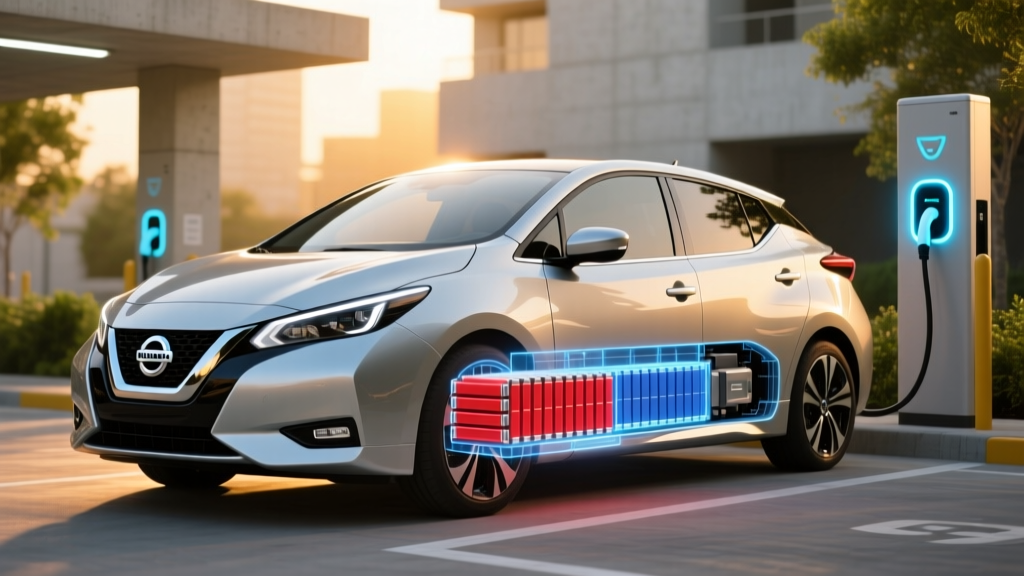
| 40–55 kWh (compact EV, e.g., Chevy Bolt, Nissan Leaf) | $6,500–$10,000 | Rare before 200,000 mi; often module-level repair |
| 65–85 kWh (mid-size, e.g., Model 3, Ioniq 5, Mach-E) | $10,000–$16,000 | Rare before 180,000 mi; full pack swap if >30% degraded |
| 90–115 kWh (large, e.g., F-150 Lightning Ext., Rivian Max) | $15,000–$22,000 | Extremely rare; module replacement more common |
| 12V auxiliary battery (all EVs) | $150–$350 | Every 3–5 years, same as ICE vehicles |
Context matters: a $14,000 pack replacement sounds alarming until you compare it against a decade of gasoline, oil changes, transmission fluid, and timing belt services on an ICE vehicle — which fueleconomy.gov data shows often exceeds $18,000–$25,000 over the same period. And battery costs continue declining: BloombergNEF projects pack-level pricing below $80/kWh by 2028, which would bring a 75 kWh replacement under $6,000.
Factors That Accelerate (or Preserve) Battery Life
Not all miles age a battery equally. These are the variables you can control:
- DC Fast-Charging Frequency: Exclusive use of DCFC (150+ kW) correlates with ~2–4% additional degradation over 100,000 miles vs. primarily Level 2 charging. Occasional road-trip fast charging is fine; daily reliance on it adds wear.
- State of Charge Habits: For NMC/NCA, holding the pack at 100% for extended periods (days, not hours) accelerates calendar aging. Charge to 80% daily, 100% only when departing on a trip. LFP packs can and should be charged to 100% regularly — their BMS needs it for cell balancing.
- Extreme Temperatures: Sustained exposure to ambient temps above 95°F or below 10°F without preconditioning increases degradation. Garage parking and using scheduled departure preconditioning (available on most 2026 EVs) meaningfully extend pack life.
- Depth of Discharge: Regularly draining below 10% SoC stresses lithium-ion cells. Plug in when you hit 15–20% rather than running to near-empty.
- Storage: If storing an EV for 30+ days, leave it at ~50% SoC in a temperate location. Storing at 100% or near 0% for weeks causes irreversible capacity loss.
How to Check and Monitor Battery State of Health (SoH)
Most 2026 EVs surface battery health data through the infotainment system or companion app. Here's how to access it across major platforms:
- Tesla: Service menu → Battery Health (shows SoH percentage). Also accessible via third-party apps like Tessie or Teslamate reading the BMS CAN bus.
- Hyundai/Kia: EV Settings → Battery → State of Health. Dealer can pull a detailed cell-balance report.
- Ford: FordPass app shows estimated range trend; full SoH requires dealer OBD-II scan.
- GM (Ultium): myChevrolet/myCadillac app shows battery condition; OnStar can provide a detailed report.
- Universal: OBD-II dongles like the OBDLink SX paired with apps such as ABRP or LeafSpy (Nissan) can read BMS-reported SoH, cell voltages, and pack temperature in real time.
If you're buying a used EV, always request a BMS health report from the seller or a pre-purchase inspection at a dealership. A pack showing 85%+ SoH at 60,000 miles is healthy; below 80% at that mileage warrants scrutiny.
What's Next: Solid-State and Silicon-Anode Batteries
Two technologies are reshaping the battery landscape — but neither is widely available in production EVs as of 2026:
Solid-state batteries replace the liquid electrolyte with a solid ceramic or polymer layer, promising 30–40% higher energy density, faster charging (potentially 10–80% in under 10 minutes), and improved safety. Toyota has announced limited solid-state deployment in select 2027–2028 models; Samsung SDI and QuantumScape are in pilot production. Realistic mass-market availability: 2029–2031.
Silicon-anode batteries (used in limited capacity by Porsche in the 2025 Taycan and by startups like Sila Nanotechnologies) increase the silicon content in the anode to boost energy density by 15–25%. These are entering production now and will become more common through 2027–2028. They don't require entirely new manufacturing infrastructure, making adoption faster than solid-state.
Neither technology changes the ownership calculus for a 2026 EV purchase. Today's lithium-ion packs, properly maintained, will outlast most ownership cycles.
Frequently Asked Questions
Does the 2018 Chevy Cruze have an EV battery?
No. The 2018 Chevy Cruze was sold only as a gasoline or diesel ICE vehicle in the U.S. It uses a standard 12V lead-acid/AGM battery for starting and electronics. It has no high-voltage traction battery. If you're looking for a Chevy with an EV battery, the Bolt EV (2017–2023) and the 2024+ Equinox EV and Blazer EV are the relevant models.
How long do EV batteries last in years and miles?
Based on 2025–2026 fleet data, the average EV battery retains 80–85% of original capacity at 150,000 miles (roughly 10 years of average driving). LFP chemistry packs often exceed 88% at the same mileage. Catastrophic failure is rare — fewer than 3% of packs are replaced for degradation alone through 150,000 miles.
How much does an EV battery cost to replace in 2026?
Full pack replacement ranges from approximately $6,500 for a 40 kWh pack (Chevy Bolt era) to $22,000 for a 115+ kWh pack (Rivian Max, F-150 Lightning Extended). Most replacements, when needed, involve individual module swaps at $1,500–$4,000 rather than full pack replacements.
What does the EV battery warranty actually cover?
Federal minimum is 8 years / 100,000 miles (10/150,000 in CARB states). The warranty guarantees the pack will retain at least 70% of its original usable capacity. If degradation exceeds 30% within the warranty period, the manufacturer repairs or replaces the pack at no cost. Physical damage, unauthorized modifications, and improper charging are excluded.
How do I maximize my EV battery's lifespan?
Charge NMC/NCA packs to 80% for daily use and 100% only before long trips. LFP packs should be charged to 100% at least weekly for cell balancing. Minimize exclusive DC fast-charging; use Level 2 as your primary method. Avoid storing the vehicle at very high or very low SoC for extended periods. Use preconditioning in extreme temperatures.
LFP vs NMC — which should I choose?
Choose LFP if: you plan to keep the car 8+ years, you mostly drive in moderate climates, you want lower cost, and you don't need maximum range. Choose NMC/NCA if: you need 300+ miles of EPA range, you regularly drive in sub-freezing conditions, you tow, or you prioritize performance. Both chemistries are proven and well-supported in 2026.