If you've ever searched for a 2007 Honda Odyssey battery, you were likely dealing with a familiar frustration: a dead 12-volt lead-acid starter battery that needs replacing every 3–5 years at a cost of $150–$250. That small, under-hood battery has one job — crank a 3.5L V6 engine and power accessories when the alternator isn't spinning.
Fast-forward to today's electric vehicles, and the "battery" is something else entirely. A modern EV traction battery is a 60–100+ kWh lithium-ion pack that is the powertrain — storing enough energy to push a 4,500-lb SUV over 300 miles. The engineering, chemistry, cost, and ownership implications are on a completely different scale.
This guide uses that contrast — the humble 2007 Odyssey battery versus 2026-era EV battery packs — to explain everything current and prospective EV owners need to know about chemistry, degradation, warranties, replacement costs, and how to maximize pack life.
The 2007 Honda Odyssey Battery: A Quick Baseline
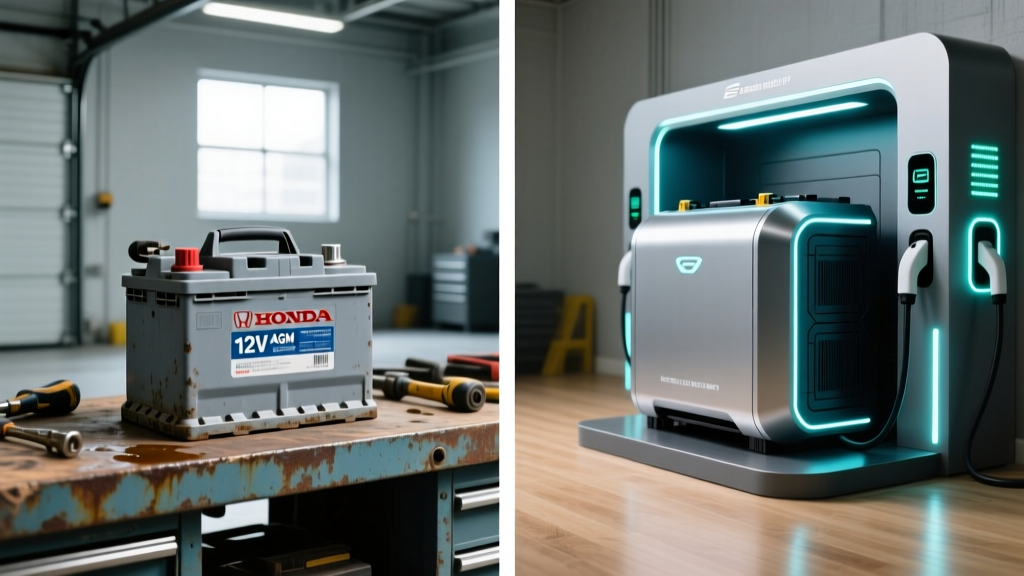
Before we get into lithium-ion chemistry, let's establish what a 2007 Honda Odyssey battery actually is. It's a Group 24F or 35 12V lead-acid (flooded or AGM) starter battery rated around 550–650 cold cranking amps (CCA). It stores roughly 0.6–0.8 kWh of energy — enough to spin a starter motor, not propel a vehicle.
- Typical lifespan: 3–5 years (shorter in hot climates like Arizona or Texas)
- Replacement cost: $140–$260 at parts retailers
- Failure mode: Sulfation, plate corrosion, electrolyte loss — sudden, not gradual
- Warranty: 2–4 years, prorated after the free-replacement period
Even modern EVs still carry a 12V auxiliary battery (or increasingly, a small lithium 12V module) to run lights, infotainment, and control computers. But when EV owners talk about "the battery," they mean the high-voltage traction pack — and that's where the real engineering story begins.
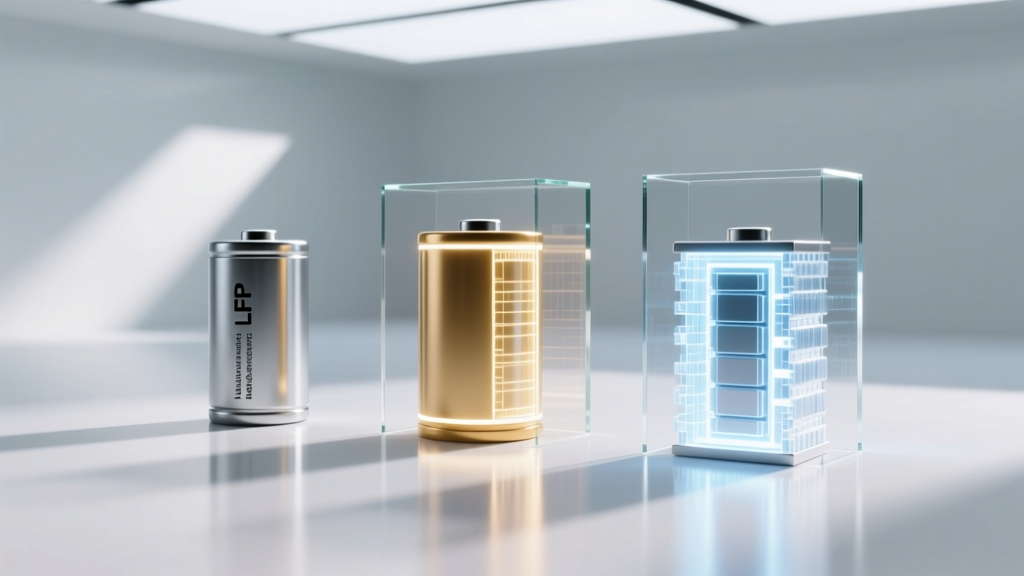
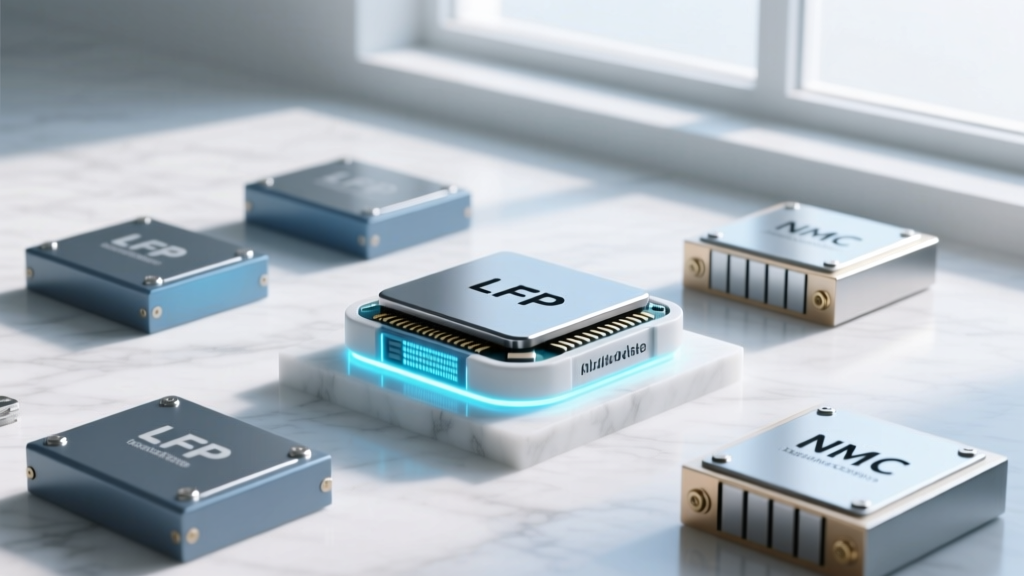
EV Battery Chemistry: LFP vs NMC vs NCA
Two dominant chemistries power 2026's EV market: LFP (lithium iron phosphate) and NMC/NCA (nickel manganese cobalt / nickel cobalt aluminum). The chemistry determines energy density, cycle life, cost, and cold-weather behavior.
| Attribute | LFP (e.g., Tesla Model 3 RWD, Ford Mustang Mach-E Select) | NMC / NCA (e.g., Hyundai Ioniq 5, Chevy Silverado EV) |
|---|---|---|
| Energy density (cell-level) | ~160–180 Wh/kg | ~250–300 Wh/kg |
| Typical pack size | 50–65 kWh | 72–100+ kWh |
| Cycle life | 3,000–5,000+ cycles | 1,500–2,500 cycles |
| Cold performance (0°C / 32°F) | Greater range loss (~35–40%) | Better cold retention (~25–30% loss) |
| Cost (per kWh, pack-level) | ~$95–$110 | ~$125–$150 |
| Optimal daily SoC | 100% OK — recommended weekly | 80% daily; 100% only before trips |
| Cobalt content | None | Some (decreasing yearly) |
| Best for | Daily commuting, L2 home charging, budget buyers | Long-range road trips, towing, cold climates |
Which is better? Neither, universally. LFP wins on cost, cycle life, and cobalt-free sourcing — it's why Tesla's base Model 3 and the standard-range Ford Mustang Mach-E use it. NMC wins on energy density and cold-weather usability, which is why long-range and performance models still rely on it. If you charge at home every night and rarely drive over 200 miles in a day, LFP is arguably the smarter buy. If you regularly road-trip in Minnesota winters, NMC's density and thermal behavior matter more.
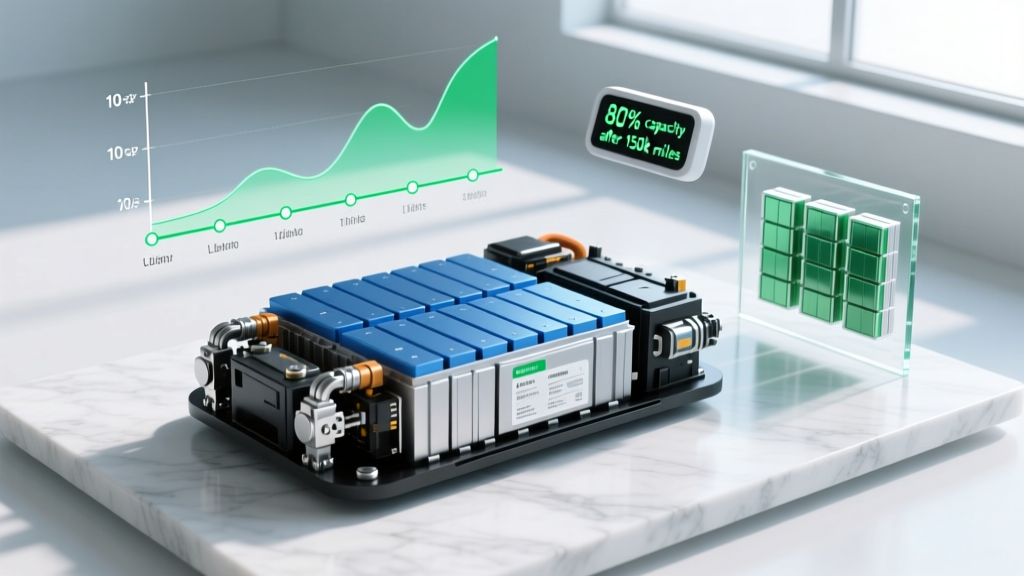
How Long Do EV Batteries Actually Last?
The fear that EV batteries need replacing like phone batteries is the single biggest misconception in the market. Real-world data tells a different story.
Typical degradation curves (sourced from fleet data and manufacturer reports):
- Year 1–2: 2–4% capacity loss (initial formation settling)
- Year 3–5: ~1–1.5% per year (linear phase)
- Year 8–10: Most packs retain 85–92% of original capacity
- Year 15 / 200,000+ miles: 75–85% retention is common
Tesla's 2025 Impact Report showed its fleet averaging ~12% degradation at 200,000 miles. According to fueleconomy.gov, modern liquid-cooled packs are engineered to outlast the vehicles they're installed in.
To frame this against our baseline: a 2007 Honda Odyssey's lead-acid battery would be on its 3rd or 4th replacement by now. A well-maintained EV pack is likely still at 80%+ capacity on the original cells.
What Does the Battery Warranty Actually Cover?
Federal law (EPA emissions-related warranty requirements) effectively mandates that EV manufacturers warrant the traction battery for a minimum of 8 years / 100,000 miles. Many go further, especially in CARB states (California, New York, etc.) where the requirement extends to 10 years / 150,000 miles.
| Manufacturer | Warranty Term | Capacity Threshold | Notes |
|---|---|---|---|
| Tesla (Model 3/Y LFP) | 8 yr / 120,000 mi | 70% retention | Long Range/Performance: 8yr/120k, same threshold |
| Hyundai / Kia | 10 yr / 100,000 mi | 70% retention | Among the longest standard coverage |
| GM (Ultium platform) | 8 yr / 100,000 mi | 70% retention | Some commercial variants: 8yr/150k |
| Ford (Mach-E, F-150 Lightning) | 8 yr / 100,000 mi | 70% retention | CARB states: extended terms |
| Rivian | 8 yr / 175,000 mi (Max pack) | 70% retention | Standard: 8yr/120k |
The 70% threshold is critical: if your 80 kWh pack drops below 56 kWh of usable capacity within the warranty window, the manufacturer must repair or replace it at no cost. In practice, very few packs hit that threshold under normal use — degradation tends to plateau well above it.
EV Battery Replacement Costs: Reality vs Fear
Yes, an out-of-warranty EV battery replacement is expensive. But context matters: the vast majority of packs outlive the vehicle's economic life, and costs have dropped roughly 90% since 2010.
| Vehicle / Pack Size | Battery Cost | Labor | Total Installed |
|---|---|---|---|
| Nissan LEAF (40–62 kWh) | $6,500–$9,000 | $1,500–$2,500 | $8,000–$11,500 |
| Tesla Model 3 (60 kWh LFP) | $7,000–$10,000 | $2,000–$3,000 | $9,000–$13,000 |
| Hyundai Ioniq 5 (77 kWh NMC) | $11,000–$15,000 | $2,500–$3,500 | $13,500–$18,500 |
| Ford F-150 Lightning (131 kWh Extended) | $18,000–$24,000 | $3,500–$5,000 | $21,500–$29,000 |
| GMC Hummer EV (212 kWh) | $28,000–$38,000 | $5,000–$7,000 | $33,000–$45,000 |
When is replacement typically needed? Almost never in the first 10 years. Most replacements happen due to:
- Physical damage (collision, flood, ground strike)
- Manufacturing defects caught under warranty
- Very high-mileage fleet use (300,000+ miles, rideshare/delivery)
Compare this to the 2007 Odyssey: you'd spend $200 on a lead-acid battery every 4 years — roughly $1,000 over 20 years. An EV pack may never need replacement during typical ownership.
What Kills an EV Battery (and What Doesn't)
Habits that accelerate degradation:
- Exclusive DC fast charging (350 kW sessions multiple times per week) — heat is the enemy
- Routinely storing the vehicle at 100% SoC for weeks, especially in hot climates
- Letting SoC sit at 0–5% for extended periods (cell imbalance risk)
- Repeated deep-cycle use without thermal preconditioning
- Towing heavy loads in 100°F+ ambient temps without active cooling breaks
Habits that maximize longevity:
- Charge to 80% daily (NMC); 100% is fine for LFP
- Use Level 2 home charging as your primary method
- Precondition the battery before DC fast charging (most EVs do this automatically when you navigate to a charger)
- Keep SoC between 20–80% for storage longer than a week
- Park in shade or a garage during extreme heat
The biggest misconception: fast charging "fries" the battery. Modern thermal management systems (liquid cooling loops in every major 2026 EV) actively manage cell temps during DC sessions. Occasional road-trip fast charging is fine. The issue is exclusive reliance on 350 kW chargers with no Level 2 breaks — something only high-mileage rideshare drivers realistically do.
How to Check Your Battery's State of Health (SoH)
State of Health is the percentage of original capacity your pack still holds. A new 80 kWh pack at 90% SoH delivers ~72 kWh usable.
How to check SoH in 2026:
- In-vehicle menus: Tesla, Hyundai, BMW, and Rivian now show SoH directly in the service or battery menu
- OBD-II dongles + apps: Tools like OBDLink SX paired with apps such as EV-Monitor or LeafSpy (for Nissan) pull BMS-reported SoH data
- Dealer diagnostics: A service center can run a full capacity test — often free under warranty concern
- Manual calculation: Charge to 100%, note the displayed range, compare to original EPA range adjusted for the pack's usable kWh
For used-EV buyers: always request a SoH readout before purchase. A 2022 model at 88% SoH is normal; one at 76% is a warranty claim waiting to happen — and a negotiation lever.
What's Next: Solid-State, Silicon Anodes, and Realistic Timelines
Forward-looking (not currently available):
- Solid-state batteries: Toyota and Samsung SDI target limited production in 2027–2028 vehicles, promising ~500-mile range and 10-minute fast charging. Realistic mass-market availability: 2029–2031. Current challenges remain manufacturing yield and cost.
- Silicon-dominant anodes: Companies like Sila Nanotechnologies and Group14 are already shipping silicon-blend anodes in 2025–2026 vehicles (Mercedes G-Class EV uses Sila cells). These boost energy density 15–25% over graphite anodes without the full cost of solid-state.
- Sodium-ion: CATL and BYD are deploying sodium-ion packs in Chinese-market micro-EVs. Lower energy density (~140 Wh/kg) but cheaper and cold-resistant. US availability uncertain before 2028.
None of these technologies should delay a 2026 EV purchase. Today's lithium-ion packs already deliver 300+ mile ranges, 10–80% fast charges in 18–25 minutes, and 15-year lifespans. The next generation will be incrementally better, not transformationally different in ownership terms.
Frequently Asked Questions
How long do EV batteries last in years and miles?
Most 2026 liquid-cooled EV batteries retain 85–92% capacity at year 8–10 and 75–85% at 200,000+ miles. With proper care, the pack should outlast the vehicle's body and interior. Fueleconomy.gov notes that modern thermal management has dramatically extended pack life versus early EVs like the 2011 LEAF.
How much does an EV battery cost to replace?
Out-of-warranty replacement runs $8,000–$18,500 for most passenger EVs (installed), and $20,000–$45,000 for large trucks like the F-150 Lightning Extended Range or Hummer EV. However, the majority of packs never require replacement — they outlast the car's useful economic life.
What does the battery warranty cover?
Federal minimum is 8 years / 100,000 miles with a ~70% capacity retention threshold. CARB states extend this to 10 years / 150,000 miles. If your pack degrades below the threshold within the warranty window, the manufacturer replaces or repairs it at no cost. IRS §30D tax credit rules also factor battery sourcing into new-EV credit eligibility.
How do I check and maximize my battery's health?
Check SoH via in-vehicle menus, OBD-II diagnostic apps, or dealer service. Maximize longevity by favoring Level 2 home charging, keeping NMC packs at 20–80% daily SoC (LFP can sit at 100%), preconditioning before DC fast charging, and avoiding prolonged storage at extreme SoC levels.
LFP vs NMC — which is better and why?
LFP offers longer cycle life (3,000–5,000 cycles vs 1,500–2,500), lower cost (~$100/kWh vs ~$135/kWh), and no cobalt. NMC offers higher energy density (250–300 Wh/kg vs 160–180), better cold-weather range retention, and longer single-charge range. Choose LFP for daily commuting and budget; NMC for road trips, towing, and cold climates.
Can I put an EV battery in my 2007 Honda Odyssey?
No — the 2007 Odyssey is a conventional V6 minivan with no electrified powertrain. It uses a standard 12V lead-acid starter battery. If you want Honda electrification, the 2026 Honda Prologue (GM Ultium-based, 296-mile EPA range, 85 kWh NMC pack) is the brand's current EV offering.
Sources: U.S. DOE / Fueleconomy.gov — EV Technology, IRS §30D Clean Vehicle Credit, manufacturer warranty documentation (Tesla, Hyundai, GM, Ford, Rivian — 2026 model year).