The 1998 Dodge Ram 1500 Battery Question — and Why It Matters for EV Owners
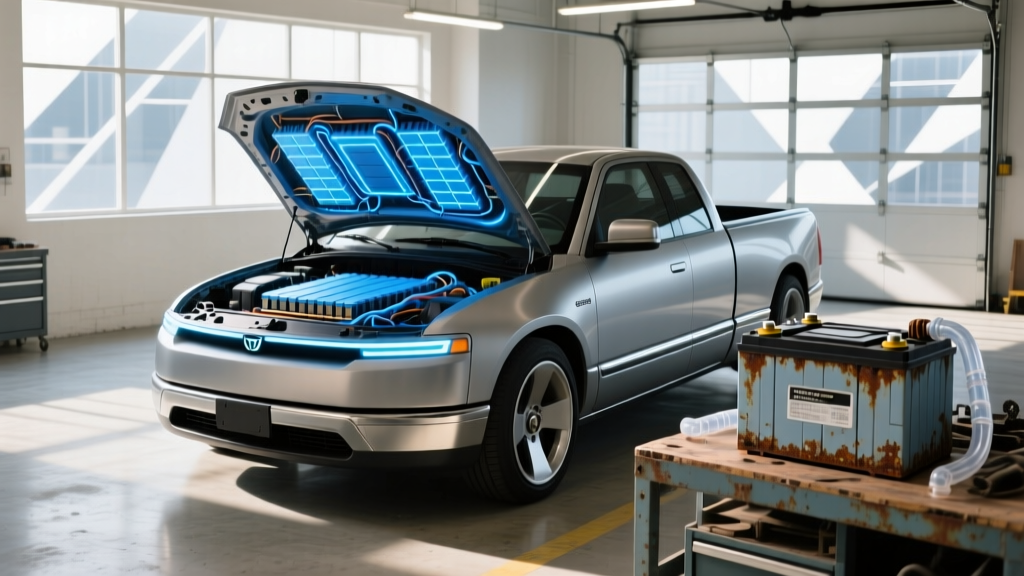
If you've ever searched for a 1998 Dodge Ram 1500 battery, you probably found yourself comparing Group 65 lead-acid batteries, checking cold cranking amps (CCA), and budgeting $120–$180 for a replacement from an auto parts store. That 12V starter battery is simple, cheap, and universally understood. But as that same truck owner — or any vehicle owner — considers switching to an electric vehicle, the battery conversation changes dramatically.
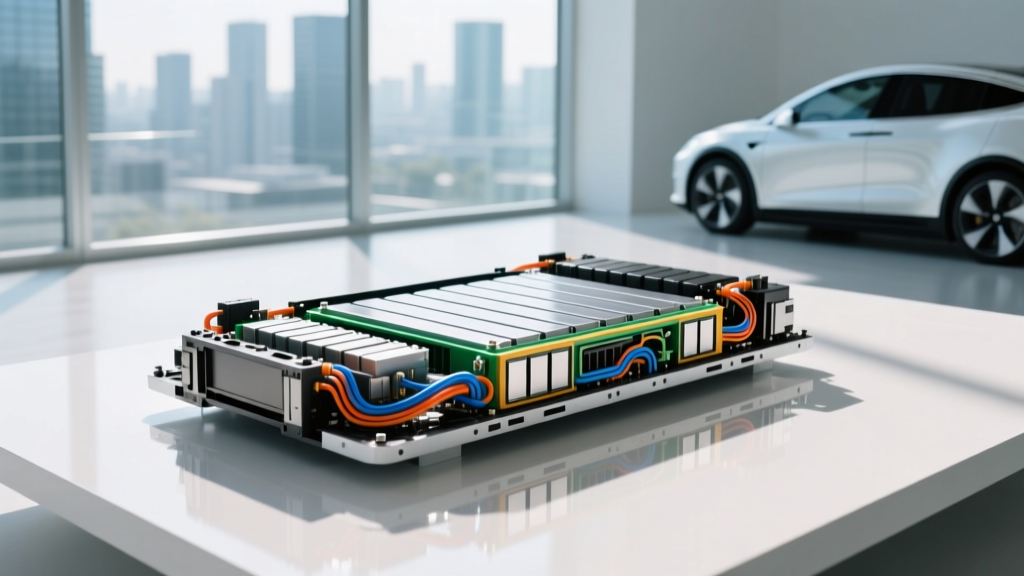
An EV's high-voltage traction battery is not the 12V auxiliary battery under the hood of your Ram. It's a multi-hundred-pound, liquid-cooled energy storage system costing anywhere from $5,000 to over $20,000 to replace, depending on the vehicle. Understanding EV battery chemistry, degradation, warranties, and replacement economics is the single most important piece of EV ownership literacy.
This guide covers everything a current or prospective EV owner needs to know, using real data from manufacturers, the EPA, and long-term fleet studies.
LFP vs. NMC/NCA: Which EV Battery Chemistry Is Right for You?
Modern EVs use one of two dominant lithium-ion chemistries: LFP (Lithium Iron Phosphate) or NMC/NCA (Nickel Manganese Cobalt / Nickel Cobalt Aluminum). The choice affects range, longevity, cold-weather behavior, and price.
| Attribute | LFP (LiFePO₄) | NMC / NCA |
|---|---|---|
| Energy Density | ~160–180 Wh/kg (lower) | ~230–290 Wh/kg (higher) |
| Typical Cycle Life | 3,000–6,000+ cycles | 1,000–2,500 cycles |
| Cold-Weather Performance | Reduced; slower charging below 32°F | Better low-temp charge acceptance |
| Cost per kWh | ~$85–$100 (lower) | ~$115–$140 (higher) |
| Recommended SoC for Daily Use | 100% is fine | 80% for daily; 100% for trips only |
| Cobalt Content | None (cobalt-free) | Contains cobalt (supply chain concerns) |
| Common in 2026 Models | Tesla Model 3/Y RWD, Ford Mustang Mach-E Select, BYD, Rivian Standard | Tesla Long Range, Hyundai Ioniq 5/6, Kia EV6/EV9, BMW iX, Lucid Air |
Which is better? It depends on your use case. LFP wins on cycle life and cost — ideal for daily commuters who charge at home and don't need maximum range. NMC/NCA wins on energy density, meaning more range in a lighter, more compact pack — better for road-trippers and performance-oriented buyers. If you live in Minnesota or Maine, NMC's superior cold-weather charge acceptance matters. If you're in Southern California and commute 30 miles, LFP is arguably the smarter long-term bet.
How Long Do EV Batteries Actually Last? Degradation Data
The most common question from prospective EV buyers: "Will I need a new battery?" The data says almost certainly not during typical ownership.
According to long-term fleet data and manufacturer reports, most EV batteries lose roughly 1–2% of total capacity per year under normal use. Here's what real-world data points show:
- Tesla Impact Report (2023–2025 data): Tesla Model 3/Y packs retain ~88% capacity at 200,000 miles. Many high-mileage taxis and fleet vehicles report 85%+ at 300,000 miles.
- Geotab Fleet Study (2024, 10,000+ vehicles): Average degradation across all EV brands was ~1.8% per year. LFP vehicles showed slightly less annual loss than NMC vehicles when routinely charged to 100%.
- Nissan Leaf (passive-cooled, older gen): Early Leafs (2011–2017) with passive air cooling showed faster degradation — up to 20–25% loss over 10 years, particularly in hot climates like Arizona. Modern liquid-cooled packs from Hyundai, Tesla, Ford, GM, and Rivian perform significantly better.
- Chevrolet Bolt EV/EUV: Owners report ~92–95% SoH at 80,000 miles. The 2022–2023 recall replacement batteries (for manufacturing defect fire risk) are NMC packs with full warranties reset.
Translation: a 2026 EV with a 300-mile EPA range will likely still deliver 260–275 miles of range at the 150,000-mile mark. Most EV batteries will outlast the vehicle's body, interior, and suspension components.
EV Battery Warranties: What's Covered and for How Long?
Federal law in the U.S. mandates a minimum battery warranty of 8 years / 100,000 miles for EVs (10 years / 150,000 miles in CARB states like California, New York, and Massachusetts). Most manufacturers exceed this baseline.
| Manufacturer | Warranty Period | Mileage Cap | Capacity Retention Threshold |
|---|---|---|---|
| Tesla (Model 3/Y LFP) | 8 years | 100,000 mi | 70% |
| Tesla (Model S/X, LR) | 8 years | 120,000–150,000 mi | 70% |
| Hyundai / Kia | 10 years | 100,000 mi | 70% |
| Ford (Mach-E, F-150 Lightning) | 8 years | 100,000 mi | 70% |
| GM (Ultium-based: Equinox EV, Blazer EV, Silverado EV) | 8 years | 100,000 mi | 70% |
| Rivian (R1T, R1S) | 8 years | 175,000 mi | 70% |
| BMW (i4, iX, i7) | 8 years | 100,000 mi | 70% |
Key detail: The warranty covers the battery if it degrades below the stated threshold (typically 70% of original capacity). If your 300-mile EV drops below 210 miles of range within the warranty window, the manufacturer must repair or replace the pack at no cost. In practice, warranty claims remain rare — most packs stay well above 70% through the warranty period.
EV Battery Replacement Cost: What to Budget and When
Out-of-warranty battery replacement is the scenario that generates the most fear. Here are real-world cost ranges based on 2025–2026 service data:
| Vehicle | Battery Size (kWh) | Chemistry | Estimated Replacement Cost |
|---|---|---|---|
| Tesla Model 3 RWD | ~60 kWh | LFP | $8,000–$12,000 |
| Tesla Model Y Long Range | ~75 kWh | NMC | $12,000–$16,000 |
| Hyundai Ioniq 5 | ~77.4 kWh | NMC | $14,000–$18,000 |
| Ford F-150 Lightning Extended Range | ~131 kWh | NMC | $18,000–$25,000+ |
| Chevrolet Equinox EV | ~85 kWh | NMC (Ultium) | $12,000–$16,000 |
| Nissan Ariya | ~91 kWh | NMC | $14,000–$18,000 |
Context that matters: Battery pack prices have fallen roughly 80% since 2013 and continue declining. By the time most 2026 EVs need an out-of-warranty replacement (if ever — likely 15–20+ years from now), replacement costs will be substantially lower. Additionally, IRS §25E offers a used-EV tax credit of up to $4,000, and some states provide battery replacement assistance programs. Most EV batteries will never need replacement during the original owner's time with the vehicle.
Compare this to the 1998 Dodge Ram 1500 battery you started with: a $150 lead-acid 12V battery that lasts 3–5 years. The EV traction battery costs 50–100x more but lasts 4–6x longer and powers the entire vehicle, not just the starter motor.
Factors That Affect EV Battery Life — and How to Maximize It
Not all miles are created equal. Here's what accelerates (or slows) degradation, based on battery science and fleet data:
Do This to Extend Battery Life
- Charge to 80% daily (NMC/NCA): Storing an NMC pack at 100% SoC for extended periods stresses the cathode. Set your charge limit to 80% for daily commuting; charge to 100% only before road trips.
- Charge to 100% freely (LFP): LFP chemistry is structurally stable at full charge. Tesla and Ford explicitly recommend periodic 100% charges for LFP packs to recalibrate the BMS (Battery Management System).
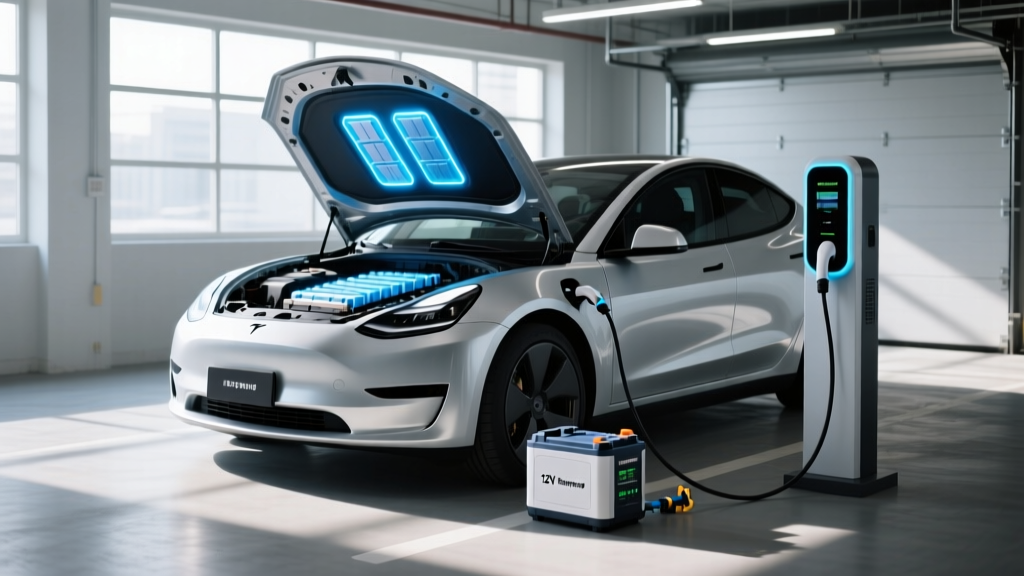
- Use Level 2 home charging as your primary method: Slow, steady Level 2 charging (7–11 kW) generates far less heat than DC fast charging and is gentler on cells.
- Precondition before fast charging: Most EVs automatically precondition the battery when you navigate to a DC fast charger. This warms or cools the pack to the optimal temperature for charging, reducing stress. If your car doesn't auto-precondition, do it manually via the app.
- Avoid letting SoC sit below 10% for days: Extended storage at very low SoC can cause copper dissolution in the anode. If storing an EV for weeks, leave it at ~50% SoC.
Avoid This to Prevent Accelerated Degradation
- Frequent DC fast charging (350 kW) as your only charging method: Occasional road-trip fast charging is fine. But exclusively using DCFC (especially in hot weather) adds thermal stress. Fleet data shows vehicles that DCFC >90% of the time degrade ~1–2% faster over 5 years than those primarily using Level 2.
- Park at 100% SoC in extreme heat: A fully charged NMC pack sitting in a 110°F Phoenix parking lot for a week is under significant chemical stress. If you must park in heat, leave SoC at 50–60%.
- Repeatedly drain to 0%: Running the pack completely flat can push individual cells below their minimum voltage, risking permanent damage. The BMS maintains a hidden buffer (typically 2–5 kWh below the displayed 0%), but don't test it habitually.
- Ignore thermal management warnings: If your EV's cooling system throws a fault code, get it serviced. A failed coolant pump can allow pack temperatures to spike during charging or driving.
How to Check Your EV's Battery Health (State of Health)
State of Health (SoH) is the percentage of original capacity your battery can still hold. A new EV has 100% SoH; a pack at 90% SoH that originally held 80 kWh now holds ~72 kWh usable.
How to check SoH:
- In-car displays: Tesla shows battery health indirectly through range estimates. Hyundai/Kia's infotainment includes an EV battery status page. BMW's iDrive displays SoH percentage directly under "Vehicle Status → Battery."
- OBD-II apps: Tools like LeafSpy (Nissan), Scan My Tesla, or Car Scanner ELM OBD2 can read the BMS-reported SoH directly. A $30 Bluetooth OBD-II dongle plus the app gives you the same data the dealer sees.
- Dealer diagnostics: Any authorized service center can run a full battery health report. Request this before buying a used EV — it's the single most important pre-purchase check.
- Manual estimation: Charge to 100%, note the displayed range, and compare it to the original EPA figure. A 2024 Ioniq 5 that originally showed 303 miles at 100% but now shows 278 miles is at roughly 92% SoH. (Note: displayed range is temperature-dependent, so compare seasonally.)
Emerging Battery Technology: Solid-State and Beyond
Next-generation battery technologies are in active development but are not yet available in production vehicles as of 2026. Here's a realistic timeline based on manufacturer announcements and industry analysis:
- Solid-state batteries: Toyota has announced a solid-state battery targeting 2027–2028 production, promising ~750 km (466 mi) range and 10-minute fast charging. Nissan and Samsung SDI have similar timelines. However, solid-state cells currently face manufacturing scalability challenges and will likely debut in limited, premium applications first.
- Silicon-dominant anodes: Companies like Sila Nanotechnologies and Group14 are replacing graphite anodes with silicon composites, boosting energy density by 20–40%. Mercedes-Benz's G-Class EV (2025+) uses a silicon-anode pack from Sila. Expect broader adoption by 2027–2028.
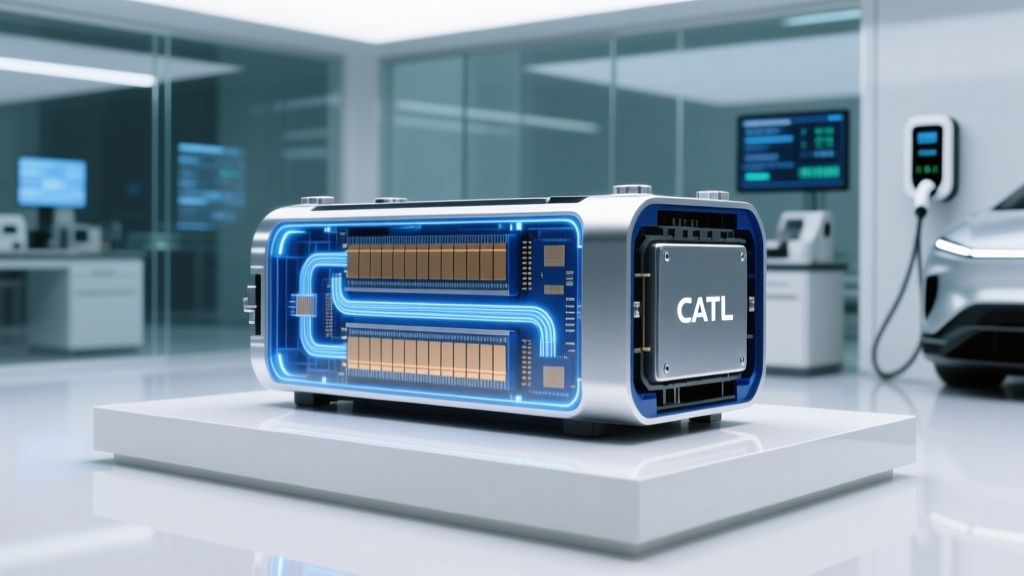
- Sodium-ion batteries: CATL and BYD are producing sodium-ion packs for lower-cost, lower-range applications (city EVs, energy storage). Energy density is ~30% lower than LFP, but cost is significantly less and supply chains don't depend on lithium. Likely arriving in US-market budget EVs by 2028–2030.
Bottom line: If you're buying an EV in 2026, current LFP and NMC packs are mature, well-tested technologies with proven track records. Waiting for solid-state means waiting 2–4+ years for limited availability at premium pricing.
EV Battery FAQ
How long do EV batteries last in years and miles?
Most modern liquid-cooled EV batteries (2020 and newer) are designed to last 15–20+ years and 200,000–300,000+ miles before degrading to 70–80% of original capacity. Tesla's fleet data shows Model 3/Y packs retaining ~88% at 200,000 miles. Many will outlast the rest of the vehicle.
How much does an EV battery cost to replace in 2026?
Out-of-warranty replacement costs range from ~$8,000 for a smaller LFP pack (Tesla Model 3 RWD) to $25,000+ for a large NMC pack (Ford F-150 Lightning Extended Range, 131 kWh). Most owners will never pay this — batteries typically outlast the vehicle, and warranty coverage is 8–10 years / 100,000–175,000 miles.
What does the EV battery warranty actually cover?
Federal minimum is 8 years / 100,000 miles (10 years / 150,000 miles in CARB states). The warranty covers the battery if it degrades below the manufacturer's stated threshold — typically 70% of original capacity. If your 300-mile EV drops below 210 miles of range within the warranty period, the manufacturer replaces or repairs the pack at no cost.
How do I check my EV battery's State of Health?
Use your vehicle's in-car battery status display, an OBD-II Bluetooth dongle with an app like Car Scanner or Scan My Tesla, or request a dealer diagnostic report. For used-EV purchases, a dealer SoH report is essential.
Is LFP or NMC better for my EV?
LFP is better if you prioritize longevity (3,000–6,000+ cycle life), lower cost, and daily 100% charging convenience. NMC is better if you need maximum range, better cold-weather charging performance, or a lighter pack for performance applications. Neither is universally superior — it depends on your driving pattern and climate.
Does fast charging damage my EV battery?
Occasional DC fast charging does not meaningfully harm modern batteries. However, exclusively relying on DCFC (especially 350 kW chargers in hot weather) can add ~1–2% extra degradation over 5 years compared to primarily using Level 2 home charging. The thermal management systems in 2026 EVs are robust, but heat remains the enemy of lithium-ion cells.
Will the battery in a 2026 EV still work in 2040?
Based on current degradation trajectories, yes — at reduced capacity. A 2026 EV with a 300-mile range could reasonably be expected to deliver ~230–250 miles at 15 years old, assuming normal use and proper care. The vehicle's suspension, interior, and electronics are more likely to fail before the battery becomes unusable.
Whether you're replacing a $150 battery in a 1998 Dodge Ram 1500 or evaluating a $45,000 EV with an 80 kWh NMC pack, the principle is the same: understand what you're buying, how it ages, and what it costs when it eventually needs service. For EVs in 2026, the battery data is overwhelmingly reassuring — these packs are built to last.
Sources: EPA Fuel Economy, IRS Used Clean Vehicle Credit (§25E), Tesla Impact Report 2024, Geotab EV Battery Degradation Study 2024.